
How Can Pallet Changers Prevent Cross-Contamination in Allergen-Controlled Environments?
Have you ever considered the hidden dangers lurking in your supply chain, especially when dealing with sensitive products like food? In the fast-paced world of logistics, a single error can compromise an entire batch, leading to devastating consequences. For warehouse and logistics managers, the pressure to maintain pristine conditions, especially in allergen-controlled environments, is immense. It is a critical challenge that demands a robust, proactive solution.
Pallet changers are specialized machines designed to transfer goods from one pallet type to another, or to replace damaged or unclean pallets with new, hygienic ones, thereby creating a vital barrier against cross-contamination in allergen-controlled environments by minimizing human contact, isolating products from potentially dirty pallets, and enabling the use of clean, compliant pallets at every stage of the supply chain.
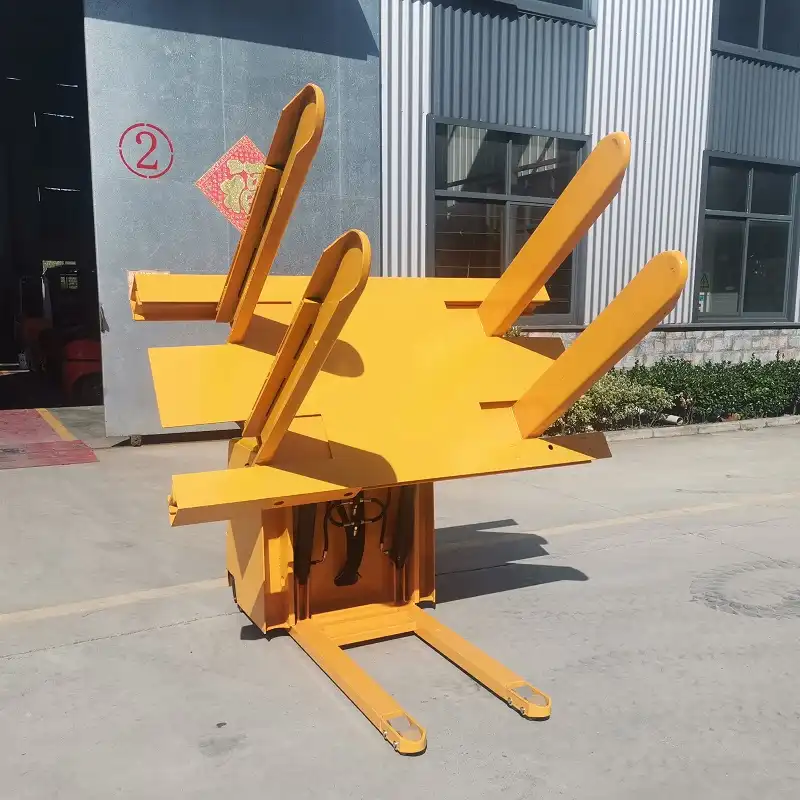
As someone who has spent years immersed in the packing machine industry, from factory floor to founding FHOPEPACK, I understand these challenges deeply. It is more than just moving boxes; it is about ensuring product integrity, safety, and brand reputation. Let’s dive deeper into how pallet changers offer a crucial line of defense.
Why is Cross-Contamination a Major Concern in Food Logistics?
Are you feeling the constant pressure to keep your products safe and compliant, particularly in the food and beverage sector? Cross-contamination is not just a minor issue; it is a severe threat that can trigger recalls, erode consumer trust, and lead to significant financial penalties. For any logistics manager, especially in a multinational food group, this is a top priority.
Cross-contamination in food logistics is a major concern because it can lead to allergic reactions, foodborne illnesses, regulatory non-compliance, costly product recalls, and severe damage to a brand’s reputation, making stringent control measures essential.
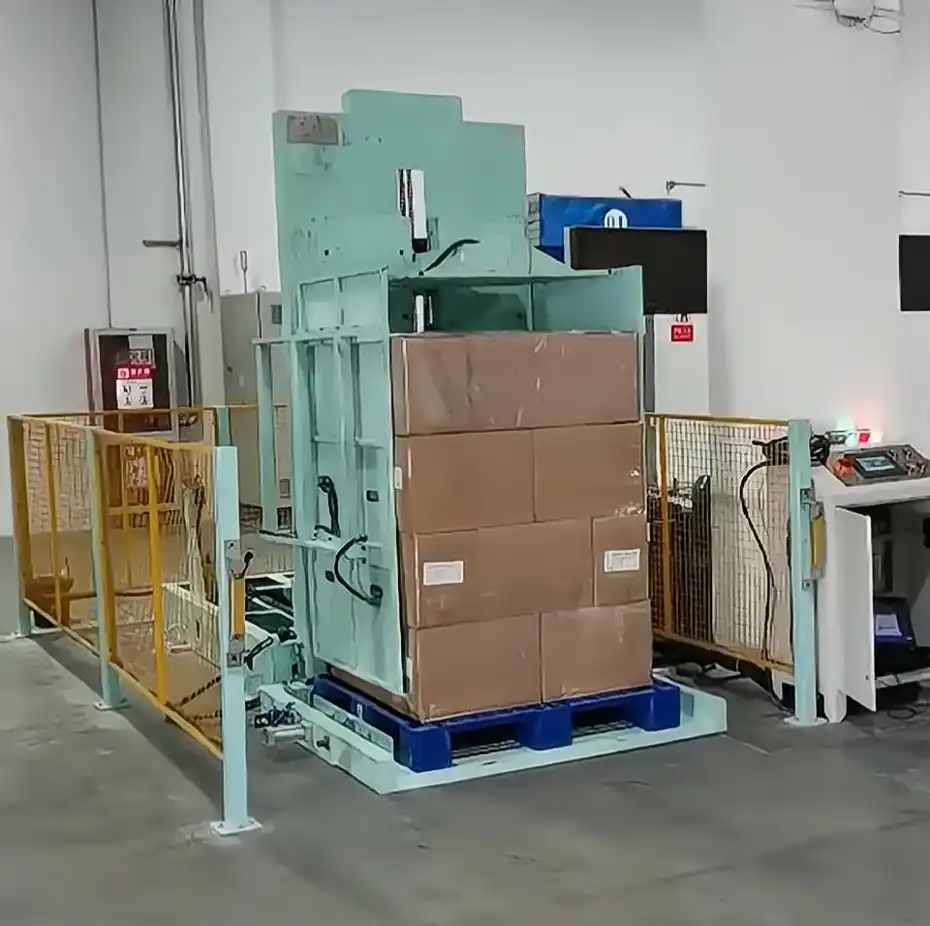
From my experience, I have seen firsthand how much hinges on maintaining sterile conditions. In food logistics, specifically within allergen-controlled environments, any unintended transfer of harmful microorganisms, chemical substances, or allergens from one food product to another, or from a non-food surface to food, is a catastrophe waiting to happen. This is particularly true when dealing with the eight major food allergens: milk, eggs, peanuts, tree nuts, soy, wheat, fish, and shellfish. Even microscopic particles can cause severe, life-threatening reactions in sensitive individuals. Regulatory bodies globally enforce strict guidelines, like HACCP (Hazard Analysis and Critical Control Points) and various GFSI (Global Food Safety Initiative) standards, to prevent such incidents. Non-compliance results in heavy fines and legal action. Beyond the financial impact, a recall can destroy years of careful brand building. Consumers lose trust quickly, and regaining it is an uphill battle. The cost of managing a recall, including logistics, product destruction, and public relations, often far outweighs the investment in preventative measures. Therefore, understanding these risks is the first step toward effective mitigation strategies. It is about protecting consumers and protecting your business at the same time. (Food safety, allergen control, regulatory compliance)
How Do Traditional Pallet Handling Methods Increase Contamination Risks?
Have you ever watched your team manually transferring goods between pallets and felt a pang of worry about potential contamination? It is a common sight in many warehouses, but traditional pallet handling methods, while seemingly straightforward, introduce numerous weak points into your contamination control strategy. These manual processes are often inefficient and carry significant risks that are easily overlooked.
Traditional pallet handling methods increase contamination risks through direct human contact with products or packaging, the use of unsanitized or damaged pallets, airborne dust and debris generated during manual transfers, and the inherent potential for human error leading to spills or cross-contact.

In my journey through the packing machine world, I have seen countless operations where manual pallet transfer was the norm. While human dexterity is valuable, it is a liability when hygiene is paramount. Dirty wooden pallets, often used for inbound goods, can carry dust, pests, and allergens from previous shipments. When these pallets come into close proximity with clean, outgoing products, especially in a food facility, the risk of contamination skyrockets. My clients, particularly those in the food and beverage sector like Carlos’s group, often face issues with different pallet standards, like Euro pallets versus US pallets, for international exports. Manually handling these transfers means more direct contact, more opportunity for errors, and more time for exposure. I have heard stories of workers accidentally dropping items, leading to product damage and potential spills that are difficult to clean completely. The air itself can become a vector; dust and particles stirred up during manual manipulation can settle on sensitive products. Moreover, manual methods are inconsistent. One worker might be more careful than another, creating variations in hygiene practices. This variability is unacceptable in allergen-controlled environments where consistency is key. These traditional methods are not just slow; they are inherently risky for businesses committed to food safety. (Manual transfer risks, dirty pallets, human error)
What Features of Pallet Changers Specifically Address Contamination Control?
Are you searching for equipment that goes beyond simply moving products, and actively contributes to your contamination control efforts? Modern pallet changers are engineered with specific features to address these crucial hygienic requirements. They offer a sophisticated, automated approach that minimizes risks inherent in traditional handling.
Pallet changers specifically address contamination control through features like enclosed transfer systems that limit product exposure, options for hygienic material construction such as stainless steel, designs that minimize direct human intervention, quick-clean capabilities, and the ability to replace contaminated inbound pallets with clean, food-grade internal pallets.

At FHOPEPACK, we prioritize robust design that addresses the core concerns of food logistics. I founded FHOPEPACK to share knowledge and solutions that truly help businesses grow and overcome challenges like contamination. For allergen-controlled environments, a key feature is the ability to maintain a segregated, clean operational zone. Pallet changers achieve this in several ways:
- Hygienic Material Construction:
- Many of our pallet changers, including advanced FHOPEPACK models, offer stainless steel construction for all surfaces that could come into contact with goods or are within the processing area. Stainless steel is non-porous, easy to clean, and resists corrosion, preventing the harboring of bacteria or allergens. This is a huge step up from painted or standard steel, which can chip and create contamination points.
- Minimized Human Contact and Enclosed Systems:
- The primary benefit is automation. Pallet changers reduce or eliminate the need for manual handling during the transfer process. This means fewer hands touching products or packaging, reducing the risk of transferring contaminants from skin, clothing, or external environments. Some models feature enclosed transfer areas, creating a controlled zone during the pallet change, shielding products from airborne particles and external dust.
- Dedicated Clean Pallet Flow:
- Pallet changers allow facilities to maintain a strict separation between external, potentially contaminated pallets and internal, clean, food-grade pallets. Incoming goods arrive on various pallets (wood, plastic, different standards). The pallet changer transfers the product onto a facility-approved pallet, which is then used for storage or further processing. This system acts as a contamination barrier right at the receiving dock.
- Easy Cleanability and Maintenance:
- Good pallet changers are designed for quick and thorough cleaning. Features include smooth surfaces, minimal crevices where debris can accumulate, and access panels for routine sanitation. Some FHOPEPACK models are built with wash-down capabilities, meaning they can withstand high-pressure cleaning with appropriate detergents and sanitizers, making them ideal for strict hygiene protocols.
- Damage Prevention and Containment:
- Gentle, controlled handling by a machine reduces the risk of product damage, such as torn packaging or spills. If a spill does occur, the contained nature of the pallet changer often means it is localized and easier to clean, preventing widespread contamination. This is vital in food processing where any breach in packaging can compromise product integrity.
- Adaptability to Various Pallet Types:
- Many FHOPEPACK and even some SHJLPACK pallet changers handle a wide range of pallet sizes and materials. This flexibility is critical for operations like Carlos’s, where Euro, US, and plastic pallets are all in play. The ability to seamlessly switch between these prevents bottlenecks and ensures the use of appropriate, clean internal pallets for each specific product line. These specific design choices make pallet changers a powerful tool in any robust contamination control strategy. (Hygienic design, automated transfer, clean pallet integration)
Beyond Contamination: How Do Pallet Changers Boost Overall Operational Efficiency and Safety?
Are you looking for solutions that not only solve specific problems like contamination but also provide broader benefits across your entire operation? Pallet changers are not just about hygiene; they are powerful tools that address multiple challenges faced by modern warehouses, significantly improving both efficiency and safety. This aligns perfectly with the comprehensive goals of leaders like Carlos, who values practical results.
Beyond preventing contamination, pallet changers boost overall operational efficiency by accelerating pallet transfers, reducing labor needs, and standardizing logistics processes, while simultaneously enhancing safety by eliminating hazardous manual handling, minimizing product damage, and decreasing workplace accidents.
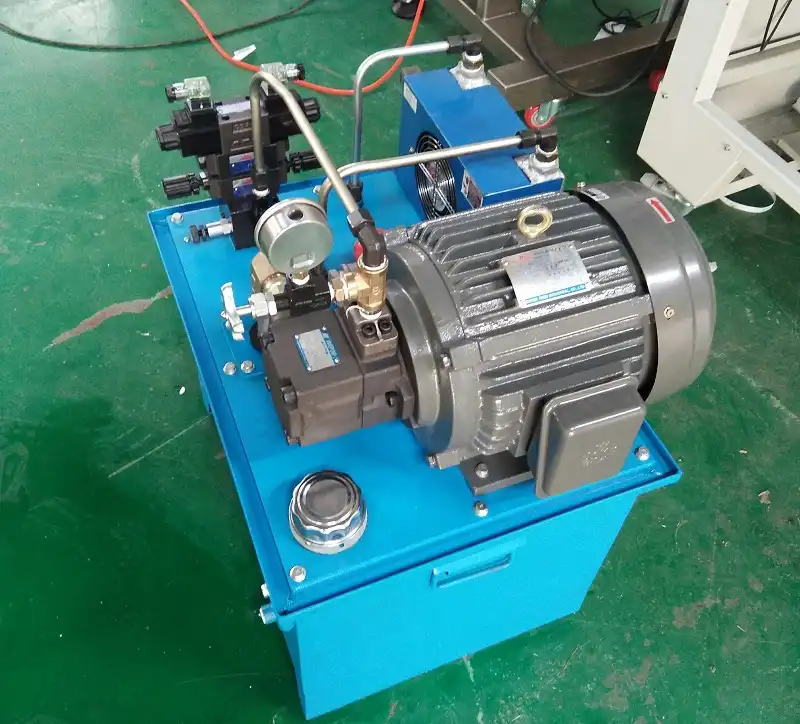
My journey in this industry has shown me that true innovation solves multiple problems at once. When I started FHOPEPACK, I aimed to empower businesses by sharing knowledge that creates real value. Pallet changers deliver this value across several key operational areas:
- Increased Throughput and Speed:
- Manual pallet changes are slow and labor-intensive. A pallet changer can complete a transfer in minutes, far faster than any human crew. This acceleration significantly improves your warehouse’s throughput, allowing you to process more goods in less time. For operations like Carlos’s, handling thousands of pallets daily, this directly impacts shipping speed and customer delivery times. Faster processes mean you can meet demanding client schedules, reducing the risk of delays and associated penalties.
- Reduced Labor Costs and Dependency:
- Labor is a major cost center in logistics, and finding workers willing to do strenuous manual handling is increasingly difficult. Pallet changers automate this task, reducing the need for multiple workers to perform physically demanding and repetitive transfers. This frees up your existing workforce for more value-added activities. It also addresses the challenge of labor shortages and rising labor costs, offering a sustainable solution for long-term operational expenses.
- Enhanced Worker Safety:
- Manually flipping or transferring heavy pallets carries significant risks: back injuries, crushed limbs, and falling goods. I have personally witnessed accidents that could have been prevented with automated equipment. Pallet changers remove workers from these hazardous situations. By mechanizing the transfer, they drastically reduce the potential for workplace accidents, worker compensation claims, and lost workdays. This creates a safer working environment, improving employee morale and reducing insurance costs.
- Reduced Product Damage:
- Human error during manual handling often leads to damaged goods. A dropped pallet or an improperly stacked load can result in costly product spoilage or re-packaging. Pallet changers handle goods gently and precisely, minimizing the risk of damage. This means less waste, better product integrity, and improved inventory accuracy. For food and beverage products, avoiding damage is critical not only for cost but for maintaining hygiene and preventing spoilage.
- Improved Standardization and Compliance:
- Pallet changers ensure consistent pallet handling, helping to standardize your operational procedures. This consistency is vital for maintaining compliance with various international shipping regulations and internal quality standards. For operations dealing with diverse pallet specifications (e.g., Euro vs. US pallets), the machine ensures accurate and compliant transfers every time, preventing shipment rejections or delays at customs. By investing in a reliable pallet changer, such as those from FHOPEPACK, businesses achieve a powerful synergy of efficiency, safety, and compliance, making their operations more robust and future-proof. (Efficiency, labor reduction, safety, damage prevention)
Choosing the Right Pallet Changer: Key Considerations for Allergen-Controlled Facilities?
Are you ready to invest in a pallet changer but unsure how to select the best one for your allergen-controlled environment? The decision is more complex than just picking a machine; it is about finding a solution that perfectly integrates with your unique operational needs and hygiene protocols. My goal at FHOPEPACK is to guide you toward making an informed choice.
Choosing the right pallet changer for allergen-controlled facilities requires careful consideration of its material construction, level of automation, throughput capacity, ease of cleaning, footprint, and the availability of robust after-sales support to ensure long-term reliability and compliance.
From my years of experience, I have learned that the best solution is always tailored. When I work with clients, especially in sensitive industries like food processing, we focus on several key areas to ensure the right fit:
- Material and Hygienic Design:
- For allergen control, prioritize pallet changers made from food-grade stainless steel (e.g., 304 or 316 grade) for all contact surfaces. Check for features like smooth welds, minimal crevices, and sealed components that prevent microbial growth and facilitate thorough cleaning. FHOPEPACK machines are designed with hygiene in mind, offering options specifically for these demanding environments. Always ask about the machine’s wash-down capabilities.
- Level of Automation and Speed:
- Do you need a semi-automatic solution for occasional transfers or a fully automated system integrated into a conveyor line for high-volume operations? Consider your daily pallet volume and desired throughput. A fully automatic system minimizes human intervention, further reducing contamination risk and maximizing efficiency. FHOPEPACK offers a range of options, from manual to fully automated, to match your specific needs and budget.
- Footprint and Integration:
- Assess the available space in your warehouse. Some pallet changers are compact and mobile, while others require a dedicated fixed installation. Think about how the machine will integrate into your existing logistics flow. Will it be a standalone station or part of a larger automated system? Compatibility with existing conveyors or robotics is also important. We at FHOPEPACK can help you assess your layout and propose the most suitable machine type.
- Flexibility and Pallet Compatibility:
- If your operation handles diverse pallet sizes and types, like Carlos’s facility with Euro, US, and plastic pallets, ensure the chosen pallet changer can adapt to these variations without extensive adjustments. Look for systems that offer quick changeovers or universal clamping mechanisms. FHOPEPACK machines are known for their adaptability, a crucial factor for international logistics hubs.
- Safety Features:
- Beyond hygiene, robust safety features are non-negotiable. Look for emergency stop buttons, safety guarding, light curtains, and interlocks that prevent operation when personnel are in a hazardous zone. A safe machine protects your workers and ensures continuous operation without incident. Both FHOPEPACK and reputable companies like SHJLPACK place a high emphasis on operator safety.
- After-Sales Support and Longevity:
- A pallet changer is a significant investment. Partner with a supplier who offers excellent after-sales support, including installation, training, spare parts availability, and prompt technical assistance. This ensures your machine remains operational and efficient for years to come. At FHOPEPACK, we pride ourselves on building long-term relationships, not just selling machines. We understand the importance of uptime in a busy logistics center. By carefully evaluating these points, you can choose a pallet changer that not only prevents cross-contamination but also enhances your entire operation, proving to be a valuable long-term asset. (Pallet changer selection, hygienic materials, automation level, after-sales service)
Conclusion
Pallet changers are critical for preventing cross-contamination in allergen-controlled environments, ensuring product safety, and boosting operational efficiency. By selecting the right machine, businesses can protect their brand and achieve significant cost savings. Investing in an advanced pallet inverter or changer is a strategic move towards a safer, more productive future.








