
How Can Operators Across Europe Troubleshoot Upender Faults Faster?
Upender breakdowns cause big problems for factories. Imagine your production line grinding to a halt. This means lost output, angry customers, and safety risks for your team. Every minute an upender is down, you lose money. You need a way to get it running again fast.
The key to faster troubleshooting is simple steps. Operators need to know basic checks. They must identify common issues quickly. This lets them fix small problems themselves. It also helps them call the right expert for bigger problems without delay. Fast action keeps your production moving.
Staying on top of your upenders saves time and money. Do you want to learn specific ways to speed up fault finding? Let us dive into what really makes a difference on the factory floor.
Why Do Upenders Break Down So Often?
Imagine a busy factory. Machines work hard every day. Upenders move heavy coils and wire. This constant work puts stress on them. Over time, parts wear out. This leads to unexpected stops. Operators face pressure when this happens. They need to know what to look for.
Most upender issues come from a few main areas. Mechanical parts can fail. Electrical systems can have glitches. Hydraulic parts can leak or clog. Environmental factors also play a part. Dust, dirt, and extreme temperatures can affect performance. Knowing these common sources helps operators narrow down problems quickly.
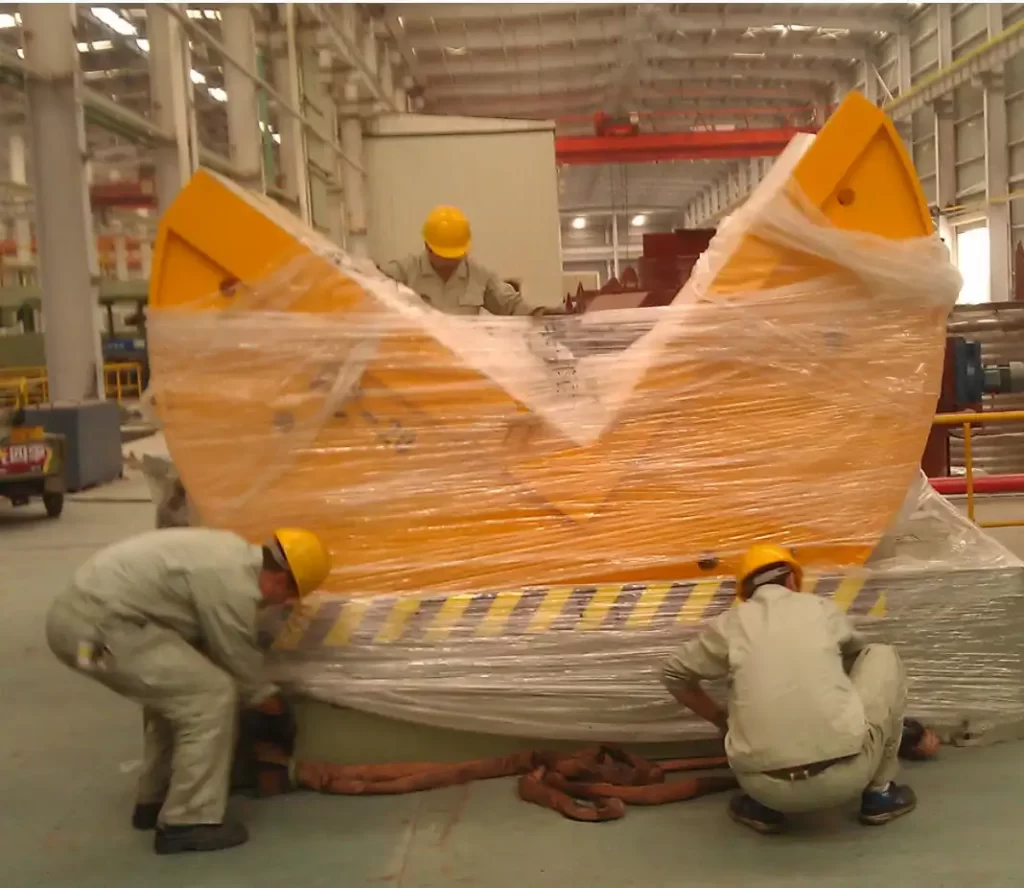
Here is a look at why upenders often break down:
Mechanical Wear and Tear
Upenders have many moving parts. Bearings, gears, and chains constantly move heavy loads.
- Bearings: These help parts spin smoothly. They can wear out from heavy use. When bearings fail, machines make strange noises. They can also vibrate too much. This causes damage to other parts.
- Chains and Belts: These drive the tilting motion. They can stretch or break. Poor tension causes them to slip. This makes the machine work slowly or stop. Regular checks for wear are important.
- Structural Damage: Heavy impacts or continuous stress can bend or crack the machine frame. This makes the upender unstable. It can also cause misalignment. This leads to other mechanical problems. My own factory once had an issue with a bent frame. We learned to check for this often.
Electrical System Problems
Upenders rely on electricity. This powers motors and controls.
- Motor Failures: Motors can overheat or burn out. This often happens if the machine is overloaded. It also happens if power supply is not stable. A motor that does not start is a clear sign.
- Sensor Malfunctions: Sensors tell the machine its position. They detect if parts are in place. If a sensor fails, the machine might not know what to do next. It can stop working. Dirty or damaged sensors are a common cause.
- Wiring Issues: Wires can come loose. They can also get cut or damaged. This breaks the electrical circuit. It stops power from reaching parts. Loose connections are a common cause of intermittent faults. Always check wiring carefully.
- Control Panel Problems: Buttons, switches, and screens can fail. Faulty relays or circuit breakers also cause issues. This prevents operators from controlling the machine. It can make the upender unresponsive.
Hydraulic System Failures
Many upenders use hydraulics for power. They use oil pressure to move heavy items.
- Leaking Hoses: Hoses carry hydraulic oil. They can crack or burst under pressure. This causes oil leaks. Leaks reduce pressure. The upender loses power. It might not lift or tilt properly.
- Pump Problems: The hydraulic pump creates pressure. If the pump fails, there is no pressure. The upender will not move. Pumps can wear out or clog. Strange noises from the pump often signal a problem.
- Valve Malfunctions: Valves control oil flow. They can get stuck open or closed. This makes the machine move unexpectedly. Or it stops it from moving at all. Dirt in the oil often causes valve problems.
- Low Oil Levels: Not enough hydraulic oil means not enough pressure. This makes the machine work poorly. It can also damage the pump. Operators must check oil levels regularly. This is a simple, yet very important check.
Understanding these common problems helps operators act fast. They can quickly look in the right places. This cuts down on downtime.
What Basic Checks Can Operators Do First?
When an upender stops, operators feel the pressure. Production lines need to move. So, what should an operator do right away? They must have a clear plan. Simple, step-by-step checks can solve many problems fast. These checks do not need special tools. They only need a careful eye.
Operators should follow a checklist. This prevents them from missing anything obvious. Start with the easiest checks. Then move to harder ones. This approach saves time. It helps get the machine running again quickly. It also helps keep everyone safe during the process.

Here are the basic checks operators can do first:
Safety First: Always Turn Off Power
Before touching anything, ensure safety. This is the most important step.
- Emergency Stop Button: Check if the emergency stop button is pushed. Someone might have hit it by accident. Or they hit it because of a real problem. Resetting it might fix the issue.
- Main Power Switch: Turn off the main power switch. Lock it out. This prevents accidental startups. It protects the operator from electrical shock. Never work on a machine with power on. This is a rule I always enforced in my own factory.
Visual Inspection: Look for Obvious Signs
After ensuring safety, look at the machine. Many problems are visible.
- Check for Obstructions: Is something blocking the upender’s movement? A piece of packing material, a loose tool, or a coil out of place can stop it. Clear any blockages carefully.
- Look for Damage: Are there any broken parts? Do you see bent metal? Are there loose wires? Check for signs of impact or wear. Even a small crack can lead to a big problem.
- Check for Leaks: Look for oil or fluid leaks. This points to a hydraulic problem. A puddle under the machine is a clear sign. Find the source of the leak if you can.
- Smell for Burning: A burning smell often means electrical trouble. It could be an overheated motor or burnt wiring. This needs immediate attention.
Power and Connection Checks
Ensure the upender is getting power.
- Circuit Breakers/Fuses: Check the electrical panel. Has a circuit breaker tripped? Has a fuse blown? Reset the breaker or replace the fuse. But remember, a breaker trips for a reason. If it trips again, there is a deeper problem.
- Power Cables: Are power cables securely plugged in? Are they damaged? Loose or cut cables stop power flow. Make sure all connections are tight.
- Control Panel Indicators: Look at the control panel. Are there any warning lights? Do any error codes show up? These give clues about the problem. Write down any codes you see.
Machine State Checks
Understand what the machine was doing before it stopped.
- Last Action: What was the upender doing when it stopped? Was it tilting? Was it just starting? This helps pinpoint the fault location.
- Operator Input: Did the operator press any button? Did they change a setting? Sometimes human error causes a stop.
- Machine Mode: Is the machine in automatic or manual mode? A different mode might limit its actions.
These basic checks empower operators. They can fix simple issues fast. If they cannot fix it, they have useful information for the technician. This makes repairs much faster.
When Should You Call in the Experts?
Operators can fix many small upender problems. But some issues need experts. Knowing when to call for help saves time. It also prevents more damage. Trying to fix a complex problem without the right skills makes things worse. It can even create new safety risks.
An expert has deep knowledge. They have special tools. They understand complex diagrams. They can diagnose hidden problems. They also know how to fix problems safely. For a factory manager like Michael, trusting an expert partner is key. This ensures the machine gets fixed right the first time.

Here are times when you must call in the experts:
Complex Electrical Failures
Electrical systems in upenders are very complex.
- Persistent Tripped Breakers: If a circuit breaker keeps tripping after resetting it, there is a serious electrical fault. This could be a short circuit. It could also be an overloaded motor. An expert must find the root cause.
- Control System Malfunctions: If the control panel is blank, or buttons do not work, it is a big problem. Problems with PLCs (Programmable Logic Controllers) or complex wiring need a specialist. My team at FHOPEPACK often deals with these complex electronic brains.
- Unusual Electrical Smells/Sounds: Burning smells or buzzing sounds from the electrical cabinet are danger signs. These mean wires are overheating or components are failing. This needs immediate expert attention to prevent fire or further damage.
Major Mechanical Damage
Some mechanical problems are too big for operators.
- Bent or Broken Frame Parts: If a main part of the upender frame is bent or broken, it affects safety. The machine cannot work properly. Welding or heavy repair needs skilled technicians. This is not a job for the shop floor.
- Damaged Gearboxes or Motors: If the main motor is making grinding noises or the gearbox is seized, it needs repair or replacement. These are heavy, complex parts. They need special tools to handle. It is often faster and safer to get a professional.
- Misalignment Issues: If the upender is not sitting straight or its parts are out of line, it can cause more wear. Precision alignment needs special tools and experience. This prevents ongoing damage to components.
Hydraulic System Overhauls
Hydraulic systems can be tricky.
- Major Oil Leaks: A big leak or a leak from a main hydraulic component needs expert repair. High-pressure hydraulic fluid is dangerous. Fixing these leaks properly needs specific knowledge and tools.
- Pump or Cylinder Failure: If the hydraulic pump does not build pressure or a cylinder is not moving, these are serious issues. They often need disassembly and repair of internal parts. This work is best left to someone trained in hydraulics.
- Contamination Issues: If the hydraulic oil is dirty or has water in it, the whole system can fail. This needs a full flush and oil change. It might also mean replacing filters and checking for internal damage. An expert can diagnose the contamination source.
When Safety is at Risk
Any time safety is a question, stop and call an expert.
- Unstable Operation: If the upender is shaking, vibrating, or moving unevenly, do not use it. This indicates a serious problem. It could lead to injury or product damage.
- Repeated Failures: If the same problem keeps happening, the surface-level fix is not enough. There is a deeper issue. An expert can find the root cause and make a lasting repair.
- Unfamiliar Symptoms: If the machine is doing something completely new and strange, do not guess. Call someone who has seen it all before. My own experience taught me that sometimes, the strangest problem has the simplest, yet hidden, cause.
For factory owners, finding a trusted partner like FHOPEPACK is important. We understand these complex machines. We know what it takes to keep them running. This partnership helps factories avoid costly mistakes and keeps production flowing.
How Can Training Make a Difference?
Imagine operators who know their upenders inside and out. They spot problems early. They fix small issues fast. This means less downtime. It also means safer workplaces. The difference comes from good training. Training is an investment, not an expense. It makes your team more skilled. It makes your factory run better.
Training helps operators feel confident. They understand how the machine works. They learn what sounds are normal. They know what to do when something goes wrong. This reduces panic. It also stops small issues from becoming big, expensive problems. My success building FHOPEPACK showed me that skilled teams are the backbone of any good factory.

Here is how training makes a big difference:
Better Understanding of the Machine
Operators who receive good training truly understand their upenders.
- Machine Components: They learn what each part does. They know where the motor is, how the hydraulics work, and what each sensor means. This helps them quickly pinpoint problem areas. It is like knowing the parts of a car.
- Normal Operating Parameters: Training teaches operators what is normal. They learn the right speed, the right sound, and the right feel. When something is off, they notice it right away. An unusual hum or a slight vibration can signal a problem early.
- Safety Features: They understand all the safety interlocks and emergency stops. They know why these features are there. This helps them use the machine safely. It also helps them react correctly in an emergency. They know how to perform lockout-tagout procedures correctly.
Faster Problem Identification
A well-trained operator diagnoses issues quicker.
- Common Fault Recognition: They learn common problems. They know how to identify specific noises. They can tell the difference between a loose bolt and a bearing failure. This lets them go straight to the likely cause.
- Error Code Interpretation: Modern upenders show error codes. Training helps operators understand these codes. They know what each code means. This speeds up the troubleshooting process. They do not have to guess.
- Troubleshooting Flowcharts: Training provides a clear sequence of steps. Operators learn to follow a logical path. This prevents random searching. It ensures they check important things first. They learn a systematic approach to finding faults.
Improved Maintenance Practices
Training is not just for fixing things. It is also for keeping them running.
- Daily Checks: Operators learn what to check every day. This includes fluid levels, visible wear, and proper lubrication. These simple checks prevent many future breakdowns. They become part of the daily routine.
- Preventive Measures: They understand how to keep the machine clean. They know when to report small issues. This stops small problems from becoming big ones. It extends the life of the upender. It keeps production moving smoothly.
- Reporting Skills: Operators learn how to report problems clearly. They provide detailed information to maintenance technicians. This helps the technicians prepare better. It makes repairs faster.
Enhanced Safety
Trained operators work more safely.
- Risk Awareness: They know the dangers of the machine. They understand pinch points and crush zones. This helps them avoid accidents. They are always aware of their surroundings.
- Proper Procedures: They follow safe operating procedures. They use personal protective equipment. This reduces the risk of injury. A safe worker is a productive worker.
- Emergency Response: In an emergency, trained operators react quickly. They know how to shut down the machine safely. This protects themselves and their coworkers. This knowledge can save lives.
Investing in operator training pays off. It creates a skilled, confident workforce. It leads to less downtime. It also makes the workplace much safer. This is a crucial step for any factory wanting to improve.
My Insights
When I started FHOPEPACK, I knew the power of good machines. But I also learned the power of good people. A top-notch upender is only as good as the operator running it. That is why training and quick troubleshooting matter so much. I always focused on making my equipment easy to use and maintain. I also made sure my clients knew how to get the most out of it.
For factory managers, like Michael Chen in Mexico, these challenges are real. He needs durable equipment. He also needs a team that can keep it running. My goal has always been to be that trusted partner. We offer machines that are tough. We also share the knowledge needed to master them. This approach helps businesses grow. It turns problems into solutions.
Finding solutions for upender faults starts with understanding. It starts with simple checks. It ends with knowing when to call for help. It also relies on a well-trained team. This combination makes any factory, anywhere, run better.
Conclusion
Faster upender fault troubleshooting requires simple checks, knowing when to call experts, and continuous operator training. These steps reduce downtime, boost safety, and improve your factory’s overall productivity.








