
How Can Manufacturing Plants in Mexico Achieve Peak Efficiency and Safety in Heavy Material Packing Operations?
The relentless demands of modern manufacturing put immense pressure on factory managers like you. I’ve been there, overseeing every step from raw materials to finished goods, constantly battling to boost output, control costs, and keep safety paramount. It’s a challenge I understand deeply, having walked the path from a packing machine factory employee to building a successful factory myself. The question isn’t just about survival; it’s about thriving in a competitive market, especially when dealing with heavy materials like steel coils and wires.
Achieving peak efficiency and safety in heavy material packing operations for manufacturing plants in Mexico involves strategic automation, robust safety protocols, and a partnership with knowledgeable packing machine experts. By adopting advanced coil and wire packing machinery, factories can significantly reduce manual labor, mitigate injury risks, minimize product damage, and unlock substantial cost savings, ensuring a stronger, safer, and more profitable production line.
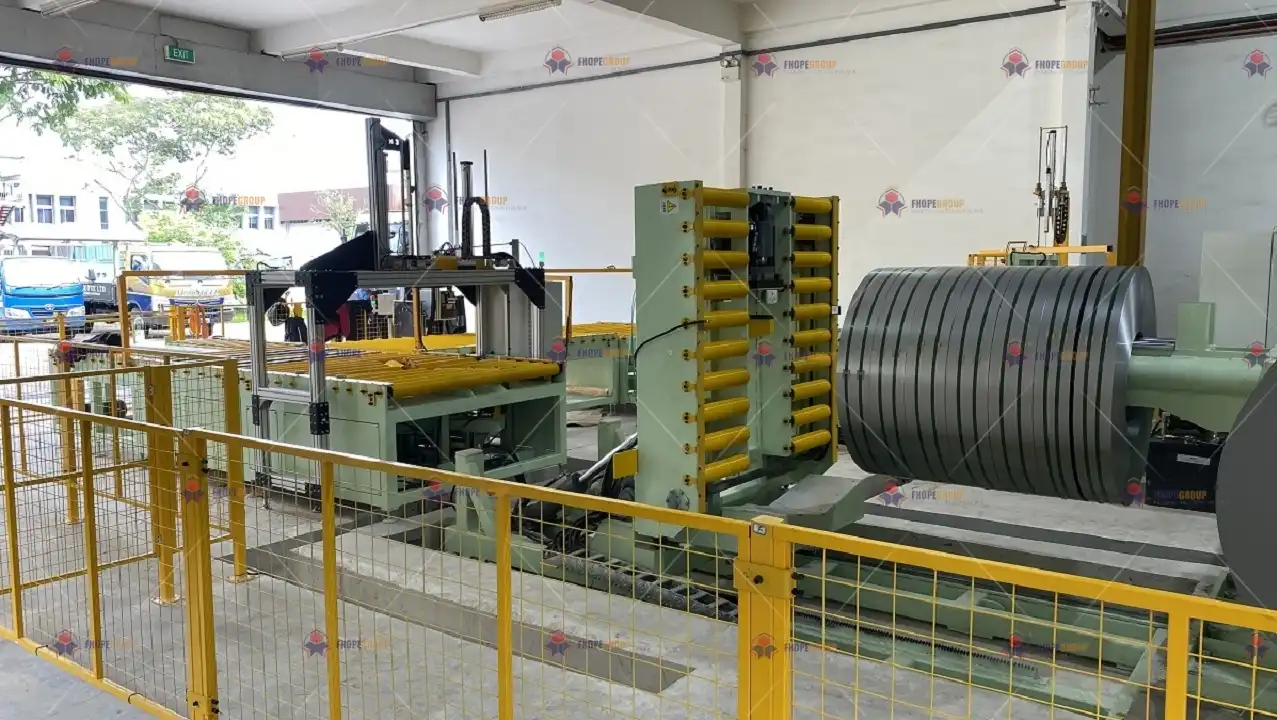
If you’re reading this, you probably feel the weight of these decisions. You’re not just looking for a machine; you’re searching for a true partner who understands your production bottlenecks, your safety concerns, and your drive for efficiency. Let’s delve into how we can tackle these critical areas, drawing from my own journey and the insights I’ve gained in the packing machine industry.
1. Why is Manual Steel Coil and Wire Packing a Bottleneck for Mexican Manufacturers?
Are you struggling with slow production and missed delivery targets due to your current packing processes? Many factories in Mexico, particularly those handling steel coils and wire, find their end-of-line operations becoming major choke points. The problem often lies in the reliance on manual labor, which, while traditional, simply cannot keep pace with today’s production demands. This outdated approach doesn’t just slow things down; it introduces a host of inefficiencies that ripple throughout your entire operation.
Manual steel coil and wire packing creates significant bottlenecks for Mexican manufacturers primarily due to its inherent slowness, high labor dependency, and inconsistent output, directly impacting overall production velocity and delivery schedules. This reliance on human effort for repetitive, heavy tasks limits throughput, reduces operational efficiency, and makes it challenging to scale production to meet market demands, thereby hindering the factory’s ability to compete effectively.
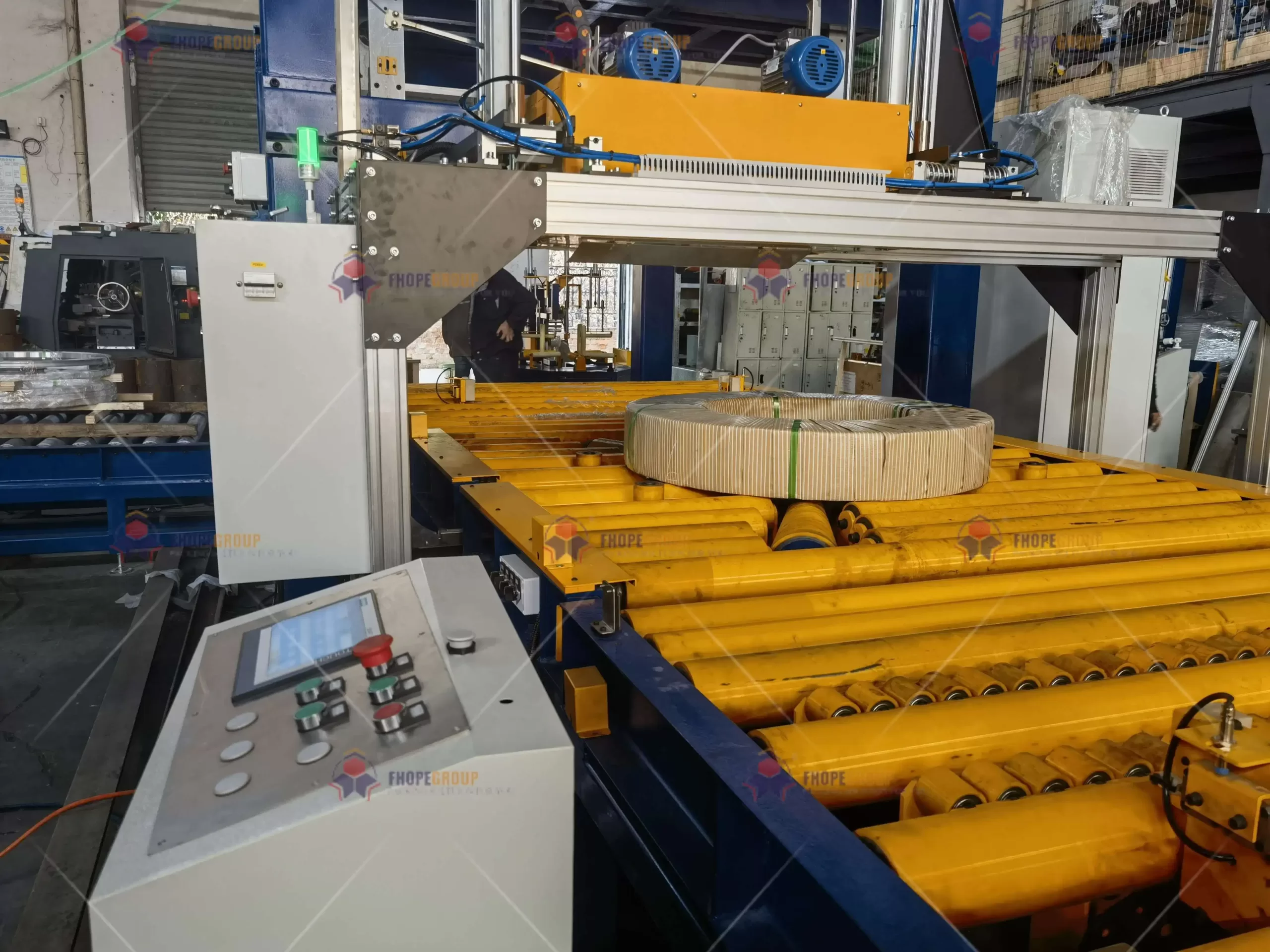
The High Cost of Doing Nothing: Understanding Manual Packing’s Impact
| From my experience, I’ve seen how a seemingly minor bottleneck in packing can snowball into major production delays. Imagine your entire manufacturing process running smoothly, only to be stalled at the very last step. This is a common scenario in many facilities. Manual processes are simply too slow for high-volume operations. Each coil, each bundle of wire, requires careful handling, wrapping, and securing. When this is done by hand, the speed is limited by human capacity and fatigue. This directly affects your ability to meet deadlines and often leads to overtime costs, further eroding profits. Moreover, the quality of manual packing can be inconsistent. Human error is an unavoidable factor, leading to variations in wrap tension, material coverage, and overall package integrity. This inconsistency can result in product damage during transit or storage, impacting customer satisfaction and increasing claims. As a factory manager, you know that every damaged product represents a loss not just of material, but of reputation. Consider the opportunity cost. Every hour spent manually packing is an hour not spent on higher-value activities or on increasing throughput in other areas of the plant. Mexican manufacturers striving for global competitiveness must look beyond tradition and embrace solutions that unlock maximum operational flow. This shift means evaluating every step, especially those that drain resources without adding proportionate value. Automating these end-of-line processes transforms a bottleneck into a smooth, efficient conduit, allowing your entire operation to move forward at an accelerated pace. For instance, relying on people to handle bulky, heavy materials like steel coils means that the packing line moves at a human pace, which is inherently slower than any machine. The physical demands also mean that workers need breaks, which further reduces overall productivity. When I started FHOPEPACK, I aimed to provide solutions that remove these human limitations, allowing factories to run continuously and efficiently. This includes implementing systems for heavy duty coil packing and automatic wire coil packaging that drastically cut down on manual intervention. | Aspect | Manual Packing | Automated Packing |
|---|---|---|---|
| Speed | Slow, limited by human capacity | Fast, consistent, continuous | |
| Consistency | Variable, prone to human error | High, uniform wrap quality | |
| Labor Cost | High, includes overtime & benefits | Lower, reduced direct labor | |
| Scalability | Difficult to increase output quickly | Easily scaled to meet demand | |
| Worker Fatigue | High risk, frequent breaks needed | Zero, machine operates continuously | |
| Damage Risk | Higher during handling & transit | Lower due to precise machine control |
(Operational inefficiency in manufacturing)
2. What are the Hidden Safety Hazards in Traditional Heavy Material Handling?
Beyond just efficiency, worker safety is a constant concern, especially when dealing with heavy and often cumbersome materials. Are your current methods for moving and packaging items like steel coils or wire bundles putting your team at undue risk? Many traditional factory setups, particularly in heavy industry, rely heavily on manual lifting, turning, and positioning. While seemingly cost-effective on the surface, this approach carries substantial, often hidden, safety hazards that can lead to severe injuries, escalating insurance costs, and high employee turnover.
Traditional heavy material handling processes, particularly those involving manual lifting and turning of items such as steel coils or heavy bundles, conceal significant safety hazards like musculoskeletal injuries, crush accidents, and strains. These risks stem from the physical demands placed on workers, leading to frequent workplace incidents, increased insurance premiums, and a detrimental impact on employee well-being and retention, ultimately diminishing operational safety standards.

Protecting Your Team: Mitigating Risks in the Factory
I’ve personally witnessed the consequences of inadequate safety measures in factories. Seeing workers struggle with heavy objects, or worse, suffer injuries, is a stark reminder of why safety cannot be an afterthought. Manual handling of heavy items like steel coils or wire bundles is inherently dangerous. Workers are constantly exposed to risks of strains, sprains, back injuries, and even more severe crush injuries if a load shifts unexpectedly. These aren’t just statistics; they are real people whose lives are impacted, and they are your valuable employees. The direct costs of these injuries are staggering. Think about medical expenses, workers’ compensation claims, and the time lost due to recovery. But the indirect costs are often even higher. Productivity drops when skilled workers are absent. Morale can plummet, and the company’s reputation as a safe workplace can suffer. This makes it harder to attract and retain talent, leading to higher recruitment and training costs. Furthermore, legal and regulatory compliance is a non-negotiable aspect of factory management. Failing to provide a safe working environment can lead to hefty fines and legal battles, adding another layer of financial and operational burden. As a factory manager, your responsibility extends beyond production numbers; it includes safeguarding your workforce. This is where automation isn’t just about efficiency; it’s about fundamentally transforming the work environment into a safer place. By introducing automated material handling and packing equipment, we drastically reduce the need for human intervention in hazardous tasks. Machines can safely lift, rotate, and wrap heavy coils and bundles without putting a single worker at risk. This not only prevents injuries but also creates a more positive and secure work culture. My philosophy at FHOPEPACK has always been that a safe factory is a productive factory. 👷♂️ Common Safety Risks in Manual Handling:
- Musculoskeletal Disorders (MSDs): Strains, sprains, and chronic back pain from repetitive lifting and awkward postures.
- Crush Injuries: Limbs or bodies caught between heavy materials and machinery.
- Impact Injuries: Dropped loads, objects striking workers during movement.
- Fatigue-Related Accidents: Increased risk of error as workers tire from physical exertion.
- Slip and Trip Hazards: Untidy work areas or unstable loads during manual transport. Implementing automated solutions directly addresses these challenges, significantly improving the safety profile of any heavy manufacturing operation. (Industrial safety improvements)
3. How Can Automation Reduce Product Damage and Boost Profitability?
Product damage during internal transfer or packing is a silent drain on your profits, leading to customer complaints and reduced margins. Are you constantly dealing with issues like dented coil edges or scratched wire surfaces that compromise the quality of your finished goods? This problem is often exacerbated by manual handling, where inconsistencies in technique and human error can lead to costly imperfections. The solution lies in a strategic investment in automation, which can not only protect your products but also significantly enhance your factory’s overall profitability.
Automation can drastically reduce product damage and significantly boost profitability by ensuring consistent, gentle, and precise handling during steel coil and wire packing processes. Automated systems minimize human error, prevent physical impact, and apply uniform packaging, leading to fewer rejected products, fewer customer complaints, and a higher quality output that directly translates into improved financial returns and enhanced brand reputation.
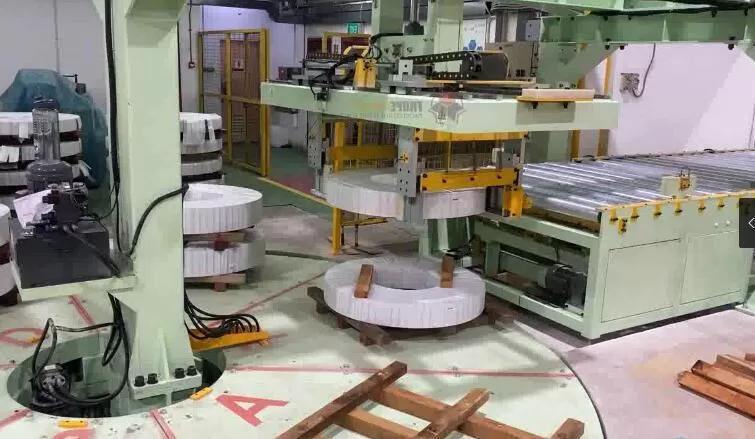
The ROI of Precision: Protecting Your Products, Protecting Your Profits
I’ve seen how even minor damage, like a dented coil edge, can turn a perfectly good product into a costly return or a discounted item. In the competitive world of heavy manufacturing, every bit of product integrity counts. Manual processes, by their nature, are less precise. The varying force applied by different workers, the occasional slip, or even improper stacking can lead to surface imperfections, dents, or deformations in sensitive products like steel coils and wires. This directly impacts your bottom line in multiple ways. First, there’s the cost of scrap or rework. Products that don’t meet quality standards cannot be sold at full price, or worse, must be entirely discarded. This is a direct loss of materials, labor, and production time. Second, customer complaints are a huge concern. Dissatisfied customers may take their business elsewhere, damaging your reputation and future sales. As a factory manager, maintaining customer trust is paramount, and consistent product quality is key to that trust. Investing in automated packing and handling equipment offers a clear return on investment (ROI) by systematically eliminating these sources of damage. Automated machines apply consistent pressure, handle materials with programmed precision, and ensure uniform packing. This means:
- Consistent Quality: Every product is packed identically, reducing variations that lead to damage.
- Gentle Handling: Robotic arms and conveyor systems are designed to move heavy items without impacts or abrasions.
- Optimized Packing: Machines can apply wraps and seals precisely, ensuring maximum protection against environmental factors and physical shocks.
- Reduced Waste: Fewer damaged products mean less scrap and less need for rework, directly saving material and labor costs.
When I was building my packing machine factory, I knew that reliability and precision were critical. We focused on engineering machines that not only performed the task but performed it flawlessly, protecting the valuable products our clients manufactured. This commitment to precision directly translates into increased profitability for our partners, a principle that FHOPEPACK upholds in every solution we offer. By choosing a reputable coil wrapping machine supplier, you are investing in protecting your inventory and enhancing your profitability.
📈 Automated Impact on Profitability:
- Reduced Rework/Scrap: 📉 Less waste means direct material and labor cost savings.
- Fewer Customer Complaints: ✅ Higher quality leads to better customer retention and positive word-of-mouth.
- Enhanced Brand Reputation: ⭐ Consistent delivery of undamaged products builds trust and market standing.
- Lower Insurance Claims: 🛡️ Fewer product damage claims mean lower operational costs.
- Optimized Material Usage: 📦 Machines can precisely apply packing materials, reducing overuse. (Return on investment in automation)
4. Why is Choosing the Right Packing Machine Partner Crucial for Long-Term Success?
Have you ever invested in new equipment only to find yourself struggling with poor after-sales support or a supplier who disappears once the sale is made? This common “supplier trust crisis” is a major concern for factory managers, particularly in Mexico, where reliable partnerships are key to sustained operations. It’s not enough to buy a machine; you need a partner who truly understands your business, your challenges, and your long-term goals. Making the right choice in a packing machine supplier is not just a procurement decision; it’s a strategic alliance that can define your operational success for years to come.
Choosing the right packing machine partner is crucial for long-term success because a reliable supplier provides not only high-quality, durable equipment but also essential after-sales support, expert insights, and a deep understanding of specific manufacturing challenges. A trustworthy partner helps integrate solutions seamlessly, offers ongoing maintenance, and acts as a consultant to address evolving production bottlenecks, directly impacting operational uptime, efficiency, and the overall return on investment for Mexican factories.
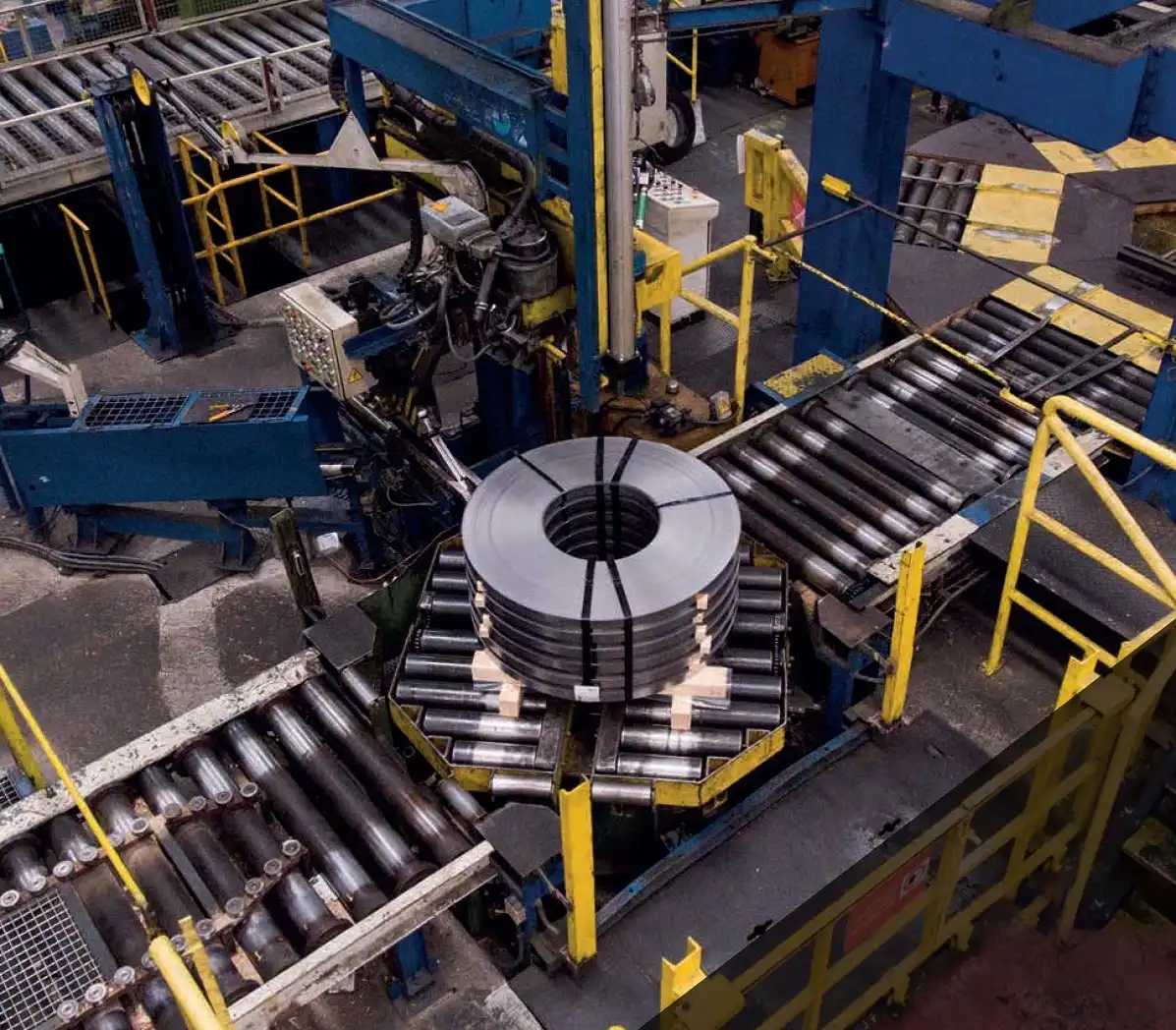
Building Trust: More Than Just a Transaction
My journey in the packing machine industry taught me that success is built on relationships, not just transactions. I started FHOPEPACK because I wanted to be the kind of partner I always wished I had when I was running my own factory. This means understanding that a factory manager like you isn’t just looking for a machine; you’re looking for solutions to real-world problems: production bottlenecks, safety hazards, and efficiency dilemmas. A good partner listens to these needs and provides professional insights and reliable solutions. Many suppliers focus solely on making a sale, and their engagement ends once the equipment is delivered. This leaves factories vulnerable when issues arise—whether it’s an unexpected breakdown, a need for spare parts, or a question about optimizing performance. Such experiences can lead to significant downtime, further financial losses, and a deep sense of distrust. A true partner, like FENGDING, for instance, or WUXI BUHUI, approaches the relationship differently. They invest time in understanding your specific operational environment, the types of materials you handle (like coil packing and wrapping needs), and your long-term production goals. This allows them to recommend not just a machine, but a complete solution tailored to your needs. This partnership extends far beyond the initial purchase, including:
- Consultation and Customization: Working with you to design systems that perfectly fit your factory layout and production requirements.
- Installation and Training: Ensuring your team is fully equipped to operate and maintain the new machinery safely and efficiently.
- Responsive After-Sales Service: Providing quick support, spare parts, and troubleshooting to minimize any potential downtime.
- Long-Term Support: Offering maintenance programs and upgrades to keep your equipment running optimally for years. When I helped many of my clients grow their businesses, it wasn’t just about selling them a machine. It was about providing ongoing support, sharing my expertise, and being there as a trusted advisor. This commitment ensures that your investment in automation genuinely solves your problems and drives business growth. For factories in Mexico, choosing a local partner or one with a strong presence and dedicated support in the region can be particularly beneficial, guaranteeing timely assistance and a deeper understanding of regional operational nuances. 🤝 What to Look for in a Packing Machine Partner:
- Industry Expertise: Does the supplier understand your specific challenges in steel or wire packing?
- Proven Track Record: Can they demonstrate successful implementations in similar factories?
- Comprehensive Support: What kind of after-sales service, parts availability, and training do they offer?
- Customization Capabilities: Can they tailor solutions to your unique production environment?
- Long-Term Vision: Are they committed to a partnership that supports your future growth? (Strategic supplier partnership)
Conclusion
Overcoming efficiency bottlenecks and safety risks in heavy material packing is crucial for Mexican manufacturers aiming for sustainable growth. By embracing automation, you can transform your operations, enhancing both productivity and safety while reducing product damage. Remember, the journey to a more efficient and safer factory is best undertaken with a knowledgeable partner who understands your challenges. Invest wisely in a reliable steel coil packing line and watch your factory thrive.








