
How Can Horizontal Orbital Wrappers Support Automation and Reduce Labor Dependence in Colombia’s Manufacturing Sector?
Is your factory in Colombia facing a tough fight with slow packing lines, rising labor costs, and the constant risk of damaged products? Are you worried about the safety of your workers who manually handle heavy, awkward items like steel coils or bundles of wire? I understand these challenges deeply. For years, I saw these exact problems firsthand on the factory floor. Many businesses, especially in heavy industries like metal processing or logistics, face immense pressure. Manual packing methods often create bottlenecks, push up your operating costs, and tragically, put your valuable team members at high risk every single day. This is a tough situation for any factory manager trying to balance output with safety.
Horizontal orbital wrappers offer a powerful solution to these widespread problems by automating the packing process, significantly cutting down on the need for manual labor, and boosting overall operational efficiency and safety in Colombian manufacturing facilities. These specialized machines wrap products like steel coils, wire bundles, or long extrusions with stretch film, creating a secure, weather-resistant package without extensive human intervention. They tackle the core issues of slow production, high labor expenses, and safety risks, directly addressing the common pain points faced by factory managers today.
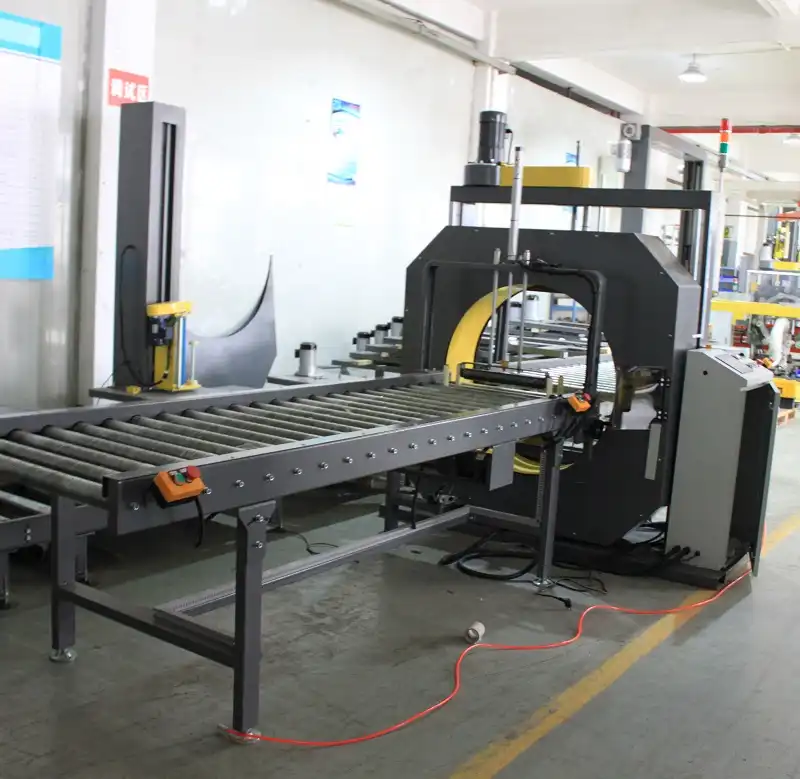
The journey I took, from a packing machine factory employee to establishing FHOPEPACK, taught me one crucial thing: the right machinery can change everything for a business. It can help you grow, reach financial independence, and solve major operational headaches. This is why I am sharing my knowledge. What if I told you that there is a proven way to overcome these packing challenges, leading to a more productive, safer, and more profitable operation? Let us dive into how these machines can redefine manufacturing in Colombia.
How Do Orbital Wrappers Boost Production Efficiency in Colombian Factories?
Is your current packing process a major bottleneck in your Colombian factory? Do you constantly push to meet delivery deadlines, only to find your final production stage held back by slow, manual operations? I have seen this scenario play out countless times in factories around the world.
Horizontal orbital wrappers dramatically boost production efficiency by automating the final packing stage, which often eliminates manual bottlenecks and allows for a faster, more consistent throughput of products like coils, pipes, and profiles. These machines can wrap items quickly and uniformly, handling high volumes that would be impossible with human labor alone, thus ensuring that products are ready for shipment without delay. They provide a predictable cycle time, making production planning much simpler and more reliable.
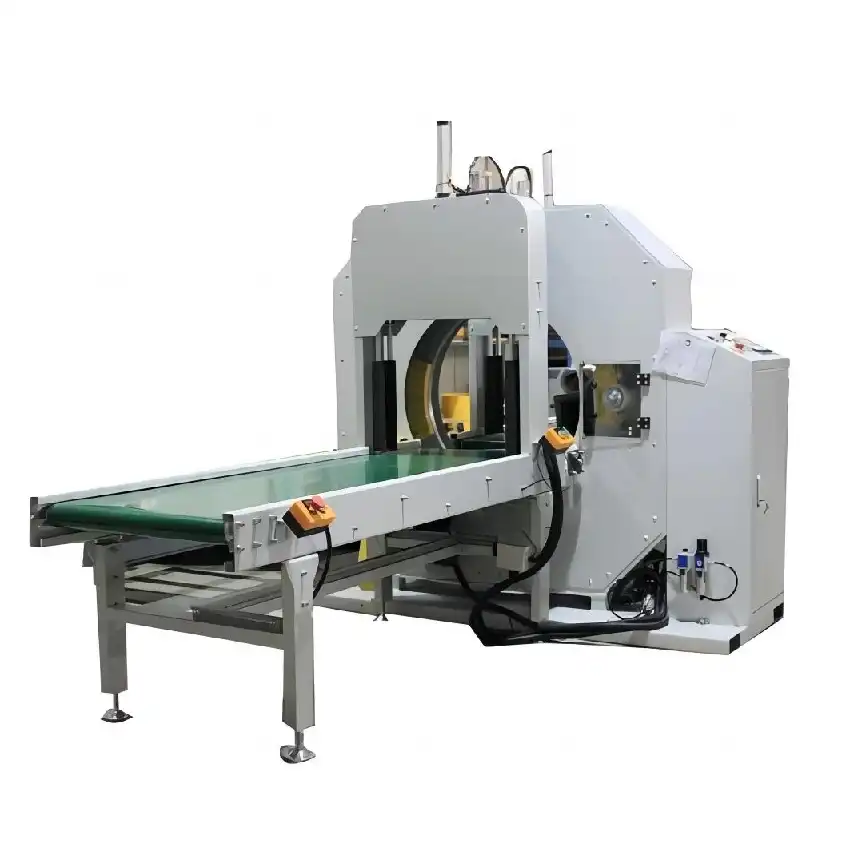
Manual packing, especially for large or heavy items common in Colombian metal processing or construction, is inherently slow and inconsistent. Workers need time to position products, apply film, and secure packages. This process is prone to errors, which leads to reworks and further delays. I remember a client who struggled with shipping deadlines because his manual team could only pack a limited number of steel coils each shift. This created a backlog that affected his entire supply chain. Installing an automated horizontal orbital wrapper changed his entire business model. His factory could now handle twice the volume with the same number of people, simply by reassigning them to higher-value tasks.
Let us look at how this automation changes a factory’s output and how it helps overall efficiency:
How Automation Changes a Factory’s Output
When you switch from manual to automated packing with a horizontal orbital wrapper, you introduce a consistent, high-speed element to your end-of-line process. This is not just about wrapping faster. It is about creating a predictable flow.
- Consistent Speed: Machines do not get tired. They maintain a steady wrapping speed throughout the shift, unlike human operators whose efficiency can drop over time. This consistency allows for better planning and scheduling of downstream logistics. For a factory manager like Michael, knowing exactly how many coils can be packed in an hour is invaluable for meeting production targets.
- Reduced Labor Dependency: Automation means fewer workers are needed for the repetitive, often strenuous task of packing. These valuable employees can then be moved to other areas where their skills are better used, like quality control, machine maintenance, or more complex assembly tasks. This also helps factories in Colombia deal with labor shortages or rising wage costs.
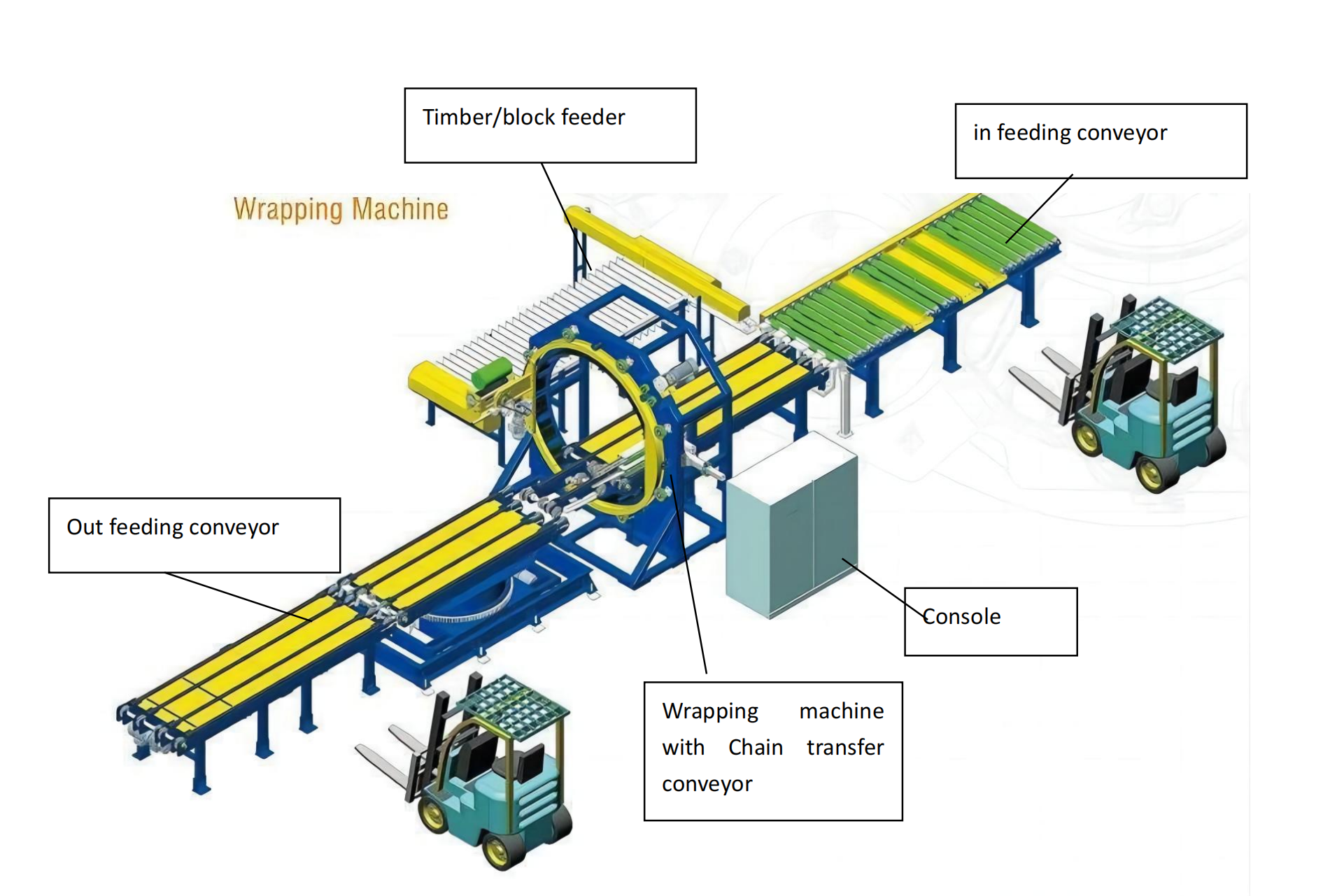
- Seamless Integration: Modern horizontal orbital wrappers can integrate with existing conveyor systems or material handling equipment. This creates a smooth flow from production to packing to shipping. This eliminates stops and starts that often characterize manual operations. This kind of integration is key to unlocking true end-to-end efficiency.
This shift does not just affect the packing department. It has a ripple effect across the entire factory. When the packing bottleneck is removed, upstream processes can operate at their optimal speed. This means raw materials move through the plant faster. It leads to reduced work-in-progress inventory and shorter lead times for customers. This ability to deliver products quickly and reliably becomes a major competitive advantage for businesses operating in Colombia’s dynamic market. I often tell my clients that efficiency is not just about working faster; it is about working smarter, and automation helps you achieve that.
Can Horizontal Wrappers Truly Enhance Worker Safety in Heavy Manufacturing?
Are you constantly worried about workplace injuries in your Colombian metal processing plant? Do you see your team struggling with the heavy, awkward movements involved in manually packing large coils or long profiles, knowing that each lift and twist carries a risk? This is a serious concern for any responsible factory manager.
Yes, horizontal orbital wrappers significantly enhance worker safety in heavy manufacturing by greatly reducing or eliminating the need for manual handling of large, heavy, or cumbersome products during the packing process. These machines take over the dangerous tasks of lifting, rotating, and wrapping, which minimizes the risk of back injuries, crush accidents, strains, and other common workplace incidents associated with manual labor. By automating these hazardous steps, factories create a much safer environment for their employees.
In heavy manufacturing, the weight and size of products like steel coils, wire bundles, or long pipes pose significant safety challenges. Workers often use overhead cranes, forklifts, or even sheer physical strength to move these items. This manual handling carries a high risk of injury, from strains and sprains to severe crush injuries. I recall visiting a factory where a worker slipped while manually wrapping a heavy coil. The incident led to a serious back injury and a significant increase in the company’s insurance premiums. This kind of incident is not uncommon. It affects employee morale, leads to high turnover rates, and creates unplanned costs. Horizontal orbital wrappers offer a fundamental shift in how these items are handled.
Let us look at the direct ways these machines improve workplace safety:
How Automation Reduces Physical Risks
Automating the packing process with horizontal orbital wrappers moves workers away from the most dangerous parts of the operation. This is not just about preventing accidents. It is also about improving the long-term health and well-being of your workforce.
- Eliminates Manual Lifting and Positioning: The primary benefit is the removal of manual lifting, pushing, or pulling of heavy items. Products are often delivered to the wrapper by conveyor or forklift, and the machine handles the wrapping. This directly prevents musculoskeletal injuries, which are common in manual packing.
- Reduces Repetitive Strain Injuries (RSIs): Manual wrapping involves repetitive motions of the arms, back, and shoulders. Over time, these motions can lead to chronic RSIs. Automation takes over these repetitive tasks, protecting workers from long-term health issues.
- Minimizes Exposure to Moving Parts: While machines have their own safety considerations, modern orbital wrappers come with safety features like emergency stops, light curtains, and guarded enclosures. This design limits human interaction with dangerous moving parts during operation. Workers are mostly involved in monitoring the process or loading materials, not physically interacting with heavy, moving products.
- Improved Workplace Environment: A safer environment means fewer accidents, lower insurance costs, and less downtime due to injury. It also leads to happier, more engaged employees who feel valued and protected by their employer. This can significantly reduce employee turnover, which is a big win for any factory, especially in a competitive labor market like Colombia’s.
By investing in these machines, Colombian factories are not just buying equipment. They are investing in the health and future of their workforce. As Randal, I have always believed that a safe workplace is a productive workplace. It is about creating an environment where your team can thrive, knowing that their well-being is a top priority.
How Do These Machines Prevent Product Damage During Transit and Storage?
Does your factory regularly face customer complaints about damaged products, such as scratched coil edges or scuffed wire bundles, that occur during internal transfers or shipping? Are these damages leading to costly reworks, returns, and lost profits for your Colombian business? This is a problem that erodes your reputation and directly impacts your bottom line.
Horizontal orbital wrappers provide superior product protection by creating tight, uniform, and secure packages that shield items like steel coils, wire spools, and long profiles from damage during handling, transit, and storage. The consistent application of stretch film forms a protective barrier against moisture, dust, and physical impact, significantly reducing product spoilage and ensuring products arrive at the customer in perfect condition. This directly tackles issues of product loss and customer dissatisfaction.

Product damage is a silent killer of profits. Even minor scuffs or dents can lead to rejection by customers, especially for high-value items like those produced in metal processing or construction industries. I remember one client who was constantly dealing with complaints about the surface quality of his finished steel sheets. Despite careful production, damage was happening during manual packing and stacking. The inconsistent wrapping left parts exposed, leading to rust spots or scratches from handling. These issues were not just about lost money. They also hurt his company’s image and made it harder to retain clients. A proper packing solution is not just about getting the product out the door. It is about protecting your investment and your reputation.
Let us explore how horizontal orbital wrappers provide this critical layer of protection:
How Automated Wrapping Ensures Product Integrity
The precision and consistency of automated wrapping are key to preventing product damage. Unlike manual methods, machines ensure every part of the product is covered and secured.
- Uniform Tension and Coverage: Manual wrapping often leads to inconsistent film tension and coverage. Some areas might be too loose, others too tight, leaving parts of the product exposed or crushing delicate edges. Orbital wrappers apply film with consistent tension around the entire product. This creates a uniform, snug package that holds everything securely and prevents shifting. This is crucial for irregular shapes or long items that might otherwise bend or break.
- Protection from Environmental Factors: A tightly wrapped package provides an excellent barrier against environmental elements. This includes moisture, dust, and UV light, which can degrade products over time. For metal products, this means preventing rust and corrosion. For other materials, it protects against dirt or fading. This is especially important for products that might be stored outdoors or shipped long distances to varied climates.
- Reduced Handling Damage: When products are wrapped securely, they are less likely to be damaged during forklift transport, truck vibrations, or storage. The outer layer of film absorbs minor impacts and prevents abrasion between products. This means fewer scratches, dents, or tears, which translates directly into fewer customer returns and higher customer satisfaction.
- Improved Stacking Stability: A well-wrapped package is also a more stable package. This allows for safer and more efficient stacking in warehouses or during transport. Stable loads reduce the risk of items shifting or falling, which could damage the product itself or injure personnel. This also helps optimize storage space, making the warehouse more efficient.
For Michael and other factory managers in Colombia, reducing product damage is a clear path to improving profitability and maintaining strong customer relationships. Investing in automated wrapping equipment is not just an expense. It is an investment in product quality, customer trust, and long-term business success. My experience has shown me that protecting your product is protecting your profit.
What Return on Investment Can Colombian Manufacturers Expect from Automation?
Are you a factory manager in Colombia considering a big investment in automation, but you are not sure if the numbers will add up? Do you need a clear understanding of the financial returns before committing to new packing equipment? This is a smart approach. Any major capital expenditure needs to show a tangible benefit to your company’s bottom line.
Colombian manufacturers can expect a significant return on investment (ROI) from horizontal orbital wrappers through various cost savings, including reduced labor expenses, decreased product damage, lower material waste, and improved overall operational efficiency. The upfront cost is quickly offset by these ongoing savings, alongside increased production capacity and enhanced safety, making these machines a financially sound strategic investment for long-term growth and competitiveness.
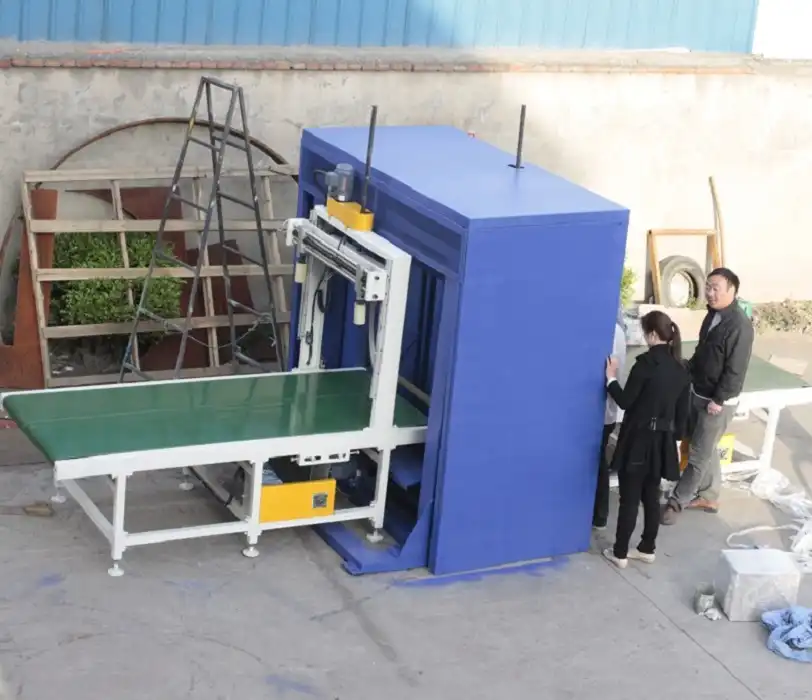
The decision to invest in new machinery often comes down to the numbers. I have seen many managers hesitate, fearing the initial cost. But I also know from my own journey of building a successful packing machine factory that smart investments pay off. When I started my factory, every equipment purchase was carefully calculated. I knew that short-term costs could lead to long-term gains if the equipment truly solved a problem and added value. For Michael, who values ROI, it is crucial to look beyond the sticker price and understand the full picture of the benefits.
Let us break down the specific ways horizontal orbital wrappers generate a positive ROI:
How Automated Solutions Pay for Themselves
The ROI from horizontal orbital wrappers is not just about one saving. It comes from a combination of factors that reduce costs and increase output.
- Reduced Labor Costs: This is often the most direct and impactful saving. By automating the packing process, companies can reassign workers from repetitive, manual packing tasks to more skilled, value-added roles within the factory. This does not always mean layoffs. It can mean optimizing your existing workforce. Over time, the savings on wages, benefits, and training for packing staff can be substantial. For example, if a company typically needs three workers for manual packing, an orbital wrapper might reduce that to one operator overseeing the machine, freeing up two employees for other productive work.
- Lower Product Damage and Returns: As discussed, preventing damage means fewer customer complaints, fewer returns, and less scrap. Each damaged product costs money in terms of materials, labor for reworks, and shipping. By reducing this waste, factories can directly improve their profit margins. This also protects your brand reputation, which is invaluable.
- Optimized Material Usage: Orbital wrappers are designed to apply stretch film efficiently, often with pre-stretch capabilities that maximize film yield. This means you use less film per package compared to manual wrapping, where inconsistencies can lead to waste. Over thousands of packages, these small savings add up to significant material cost reductions.
- Increased Throughput and Revenue: By removing packing bottlenecks, factories can produce and ship more products. This increased capacity directly translates to higher sales volumes and revenue. If your factory can process 20% more steel coils per day, that is a direct increase in your earning potential.
- Reduced Insurance and Safety Costs: Fewer workplace injuries mean lower workers’ compensation claims, reduced insurance premiums, and less downtime due to accidents. A safer environment also contributes to better employee morale and lower turnover, which reduces recruitment and training costs.
- Long-Term Reliability and Durability: Quality orbital wrappers are built for harsh industrial environments, offering long operational lifespans with minimal maintenance. This means your investment continues to pay dividends for many years, providing a stable, reliable asset for your production line.
Calculating ROI requires looking at all these factors. For Michael, considering the long-term operational efficiency and safety benefits alongside the direct cost savings will show a compelling financial case for investing in horizontal orbital wrappers. It is not just about spending money; it is about strategically deploying capital to make your business more competitive and profitable in the Colombian manufacturing landscape. I believe that understanding the true value of an investment is the first step towards achieving financial independence and business growth.
My Insights
From my years in the packing machine industry, from the factory floor to leading my own successful business, I have seen firsthand the transformation that the right equipment can bring. It is more than just machines; it is about solving real-world problems for real people, like Michael, who are under constant pressure to deliver.
One memory stands out. When I was just starting out, I encountered a small factory struggling with damaged goods and worker injuries. They were hesitant to invest in automation. It seemed like too big a leap. I worked with them to show them the numbers. We calculated not just the immediate cost, but the long-term savings from reduced waste, fewer injuries, and increased output. It was a partnership, not just a sale. When their first horizontal orbital wrapper was installed, the change was almost immediate. Their workers were safer, their product quality improved, and their production capacity soared. That experience reinforced my belief: the best solutions come from truly understanding a client’s challenges.
For businesses in Colombia, the decision to automate with horizontal orbital wrappers is a strategic one. It is about embracing a future where your factory operates more efficiently, your employees are safer, and your products consistently reach your customers in perfect condition. It is about moving beyond daily struggles to achieve sustained growth and profitability. This is the expertise I want to share with you at FHOPEPACK. We are not just selling machines; we are sharing knowledge and solutions gained from decades in the industry, helping you make the most informed choices for your business’s success.
Conclusion
Horizontal orbital wrappers empower Colombian manufacturers to automate packing, drastically cut labor dependence, and boost safety and product quality, delivering clear ROI.








