
How Can a Horizontal Orbital Wrapper Improve Dust and Moisture Protection for Canadian Wood Panels and Boards?
Are you tired of seeing your valuable Canadian wood panels arrive damaged by dust or moisture? This kind of damage is not just an annoyance; it hurts your reputation and eats into your profits. Every damaged shipment means lost revenue and unhappy customers. What if there was a way to consistently protect your products, ensuring they reach their destination in perfect condition?
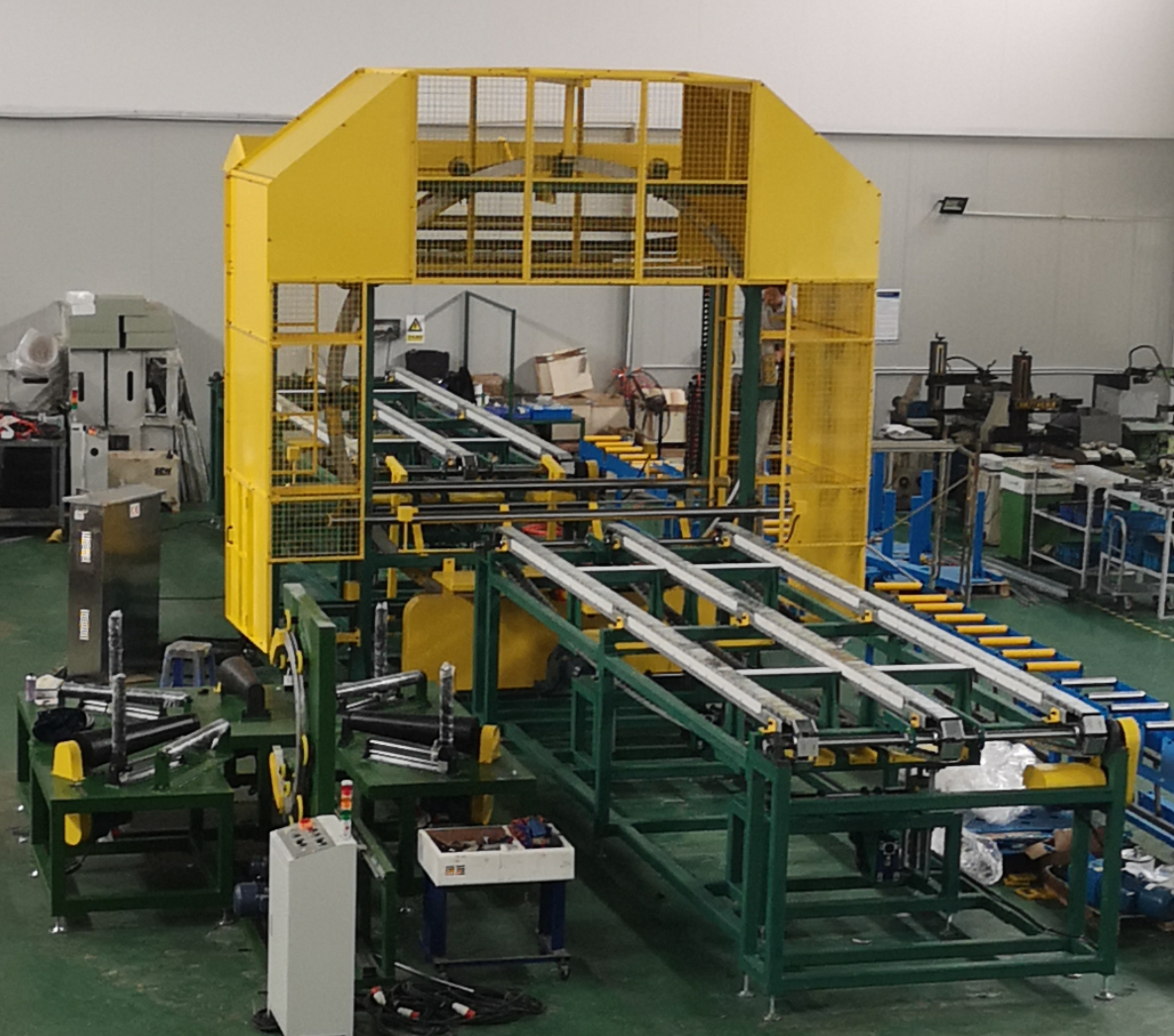
A horizontal orbital wrapper offers superior protection for Canadian wood panels and boards by creating a secure, multi-layered seal around the product. This method completely encloses the panel, guarding it from airborne dust particles and preventing moisture ingress during storage and transit. This ensures products remain clean, dry, and ready for use upon arrival.
I have spent years in the packing machine industry. I started on the factory floor. Then I built my own successful factory. I know the challenges you face. This knowledge helps me understand how the right equipment can change everything. Let us look deeper into how this technology can help your business.
How Do Manual Packing Methods Leave Your Wood Panels Vulnerable?
Do you rely on manual methods to pack your wood panels? This approach often leads to slow work and mistakes. Workers might get hurt lifting heavy items. Panels can get damaged. All these issues slow down your whole production line. This costs you money and time. It is time to think about a better way.
Manual packing for wood panels often involves hand-wrapping or simple bundling. These methods create weak seals, leaving panels exposed to dust, humidity, and physical damage. Human error can lead to inconsistent wrapping quality, further compromising protection. This makes panels vulnerable to environmental factors and handling risks.

When I first started in the packing business, I saw many factories using old ways. They often used people to do jobs that machines do better. For wood panels, this is a big problem. People lift heavy boards. This is dangerous. Workers can get back injuries. They can drop the panels. This causes damage. Think about a stack of large wood boards. Each one is heavy. Moving them by hand takes many workers. It takes a long time. The wrapping quality is not always good. One day, a worker might wrap it tight. The next day, someone else might wrap it loose. This means inconsistent protection.
Manual wrapping often uses simple film rolls. Workers pull the film around the panel. They try to cover everything. But gaps can happen. Dust gets in through these gaps. Moisture also finds its way in. If wood panels get wet, they can warp. They can grow mold. This makes them useless. If they are dusty, clients might complain. They expect clean products. In a busy factory, speed is key. Manual packing is slow. It creates a bottleneck at the end of the line. This slows down everything else. Production stops flowing smoothly. This wastes valuable time. It also ties up many workers in a low-value task. Their skills could be used better elsewhere. I remember one client who made steel coils. They used to wrap them by hand. Coils were getting scratched. Workers were getting tired. It was clear that manual work was holding them back. The same is true for wood panels. The factory needs a faster, safer, and more reliable way to pack.
The Hidden Costs of Manual Packing
Manual packing has costs that are not always clear.
- Labor Costs: You pay for many people to do repetitive work. This adds up fast.
- Injury Costs: If a worker gets hurt, there are medical bills. There are insurance claims. There is lost work time. This makes insurance rates go up.
- Product Damage Costs: Damaged panels cannot be sold. You lose the money you spent making them. You also lose customer trust.
- Inefficiency Costs: Slow packing means fewer products go out the door. This limits your sales. It delays deliveries.
| Problem Area | Impact on Business | Why it Matters for Wood Panels |
|---|---|---|
| Slow Packing | Reduces overall production output, delays shipments | Large panels take time; impacts delivery schedules |
| Safety Risks | High worker injury rates, increased insurance costs | Heavy panels lead to back strains, drops, cuts |
| Inconsistent Wrap | Poor protection from dust/moisture, product damage | Gaps allow moisture in, dust mars surfaces |
| High Labor Cost | Higher operational expenses, lower profit margins | Many hands needed for wrapping and handling |
These issues stack up. They stop you from growing. A better system is needed to make things run smoothly. It is about protecting your product and your people. It is about making your factory work smarter.
Can an Orbital Wrapper Really Protect Wood Panels from Dust and Moisture During Transit?
You need to send wood panels to different places. But shipping can be rough. Panels face dust, rain, and bumps. How can you be sure they stay perfect? An orbital wrapper is a strong answer.
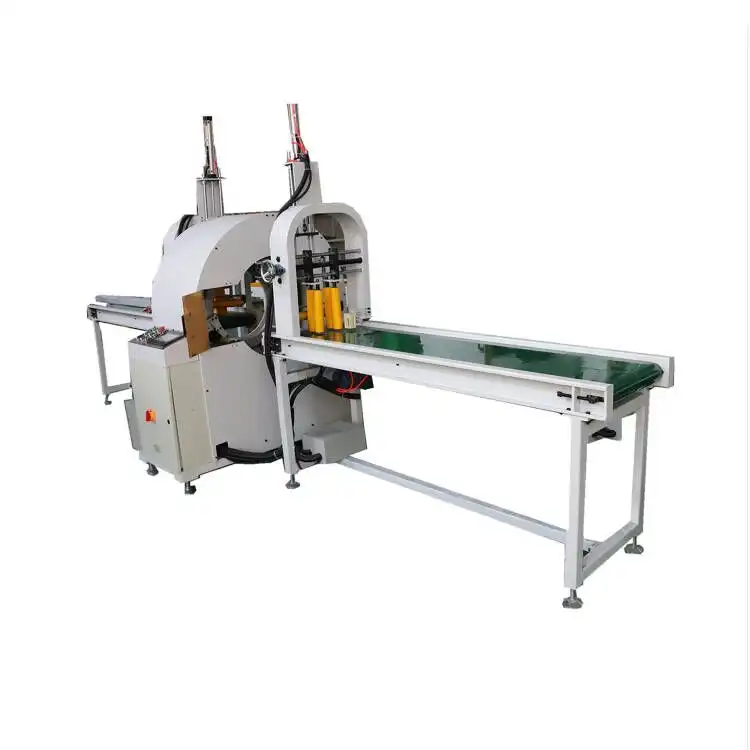
Yes, a horizontal orbital wrapper excels at protecting wood panels from dust and moisture during transit. It uses stretch film to create a tight, multi-layer cocoon around the entire perimeter of the panel. This strong, overlapping film barrier effectively seals out environmental contaminants, ensuring the wood remains dry and clean from your factory to the customer’s site, even in varying weather conditions.

I have seen many types of packing. For items like wood panels, simple shrink wrap or banding often falls short. These methods leave parts of the product exposed. Dust can still settle on surfaces. Water can still get underneath. An orbital wrapper works differently. Imagine a large ring that spins around the panel. As the panel moves through this ring, a roll of stretch film unwinds. It wraps the film tightly around the panel’s entire length and width. Each layer of film overlaps the last one. This creates a strong, continuous seal. It is like putting a tight, waterproof skin on your product. This full enclosure is key for wood panels. Wood is porous. It absorbs moisture easily. If a panel gets wet, it swells. It can warp. It can grow mold. This is a big problem, especially for Canadian wood panels shipped across different climates. They might go from a dry factory to a humid port. They might sit in storage in varying temperatures.
The stretch film used is also important. It is usually tough and puncture-resistant. This adds another layer of protection. It stops minor bumps and scrapes from reaching the wood. Dust particles cannot get through the tight film layers. Moisture cannot penetrate this barrier. This means your panels arrive looking new. They are clean and dry. This saves you money on returns. It keeps your customers happy. Think about the peace of mind. You know your product is safe. For a factory manager like Michael, this means fewer headaches. It means better quality control. It means happier clients. I learned early on that protecting the product means protecting the business. A machine that does this reliably is a true asset. It is not just about wrapping. It is about ensuring product integrity. This is vital for any business that ships goods long distances. It is especially true for materials sensitive to environmental changes, like wood. The machine does not get tired. It does not make mistakes. It applies the same tension every time. This gives you consistent, high-quality protection.
How Orbital Wrapping Works for Maximum Protection
An orbital wrapper uses a specific design to achieve its superior seal.
- 360-Degree Wrap: The film wraps around all four sides and the top/bottom edges of the product. This creates a complete seal.
- Stretch Film Tension: The machine pulls the film tight. This holds the product firmly. It also adds strength to the package.
- Overlap: Each new layer of film overlaps the previous one. This multi-layer approach makes the barrier stronger and more waterproof.
- Speed and Consistency: The machine wraps much faster than humans. It also applies the film the same way every time. This ensures consistent quality.
| Feature of Orbital Wrapper | Benefit for Wood Panels |
|---|---|
| Complete Encapsulation | No exposed surfaces for dust or moisture |
| High Tension Stretch Film | Secure hold, prevents shifting, adds strength |
| Multi-Layer Overlap | Enhanced water resistance, puncture protection |
| Automated Process | Consistent quality, faster throughput |
This method gives panels the best chance to survive shipping intact. It helps maintain product value. It ensures customer satisfaction.
What ROI Can You Expect from Automating Wood Panel Wrapping Operations?
Every business owner looks at the bottom line. Investing in new machines costs money. You might wonder if it is worth it. Will it really pay off? Let me show you how a horizontal orbital wrapper can give you a clear return on your investment.
Automating wood panel wrapping with a horizontal orbital wrapper can deliver a strong return on investment (ROI) through several key areas. It drastically reduces labor costs by minimizing manual involvement, decreases product damage and associated losses, and boosts overall production efficiency. These savings and gains often lead to the machine paying for itself within a short period, typically through lower operational expenses and improved product quality.
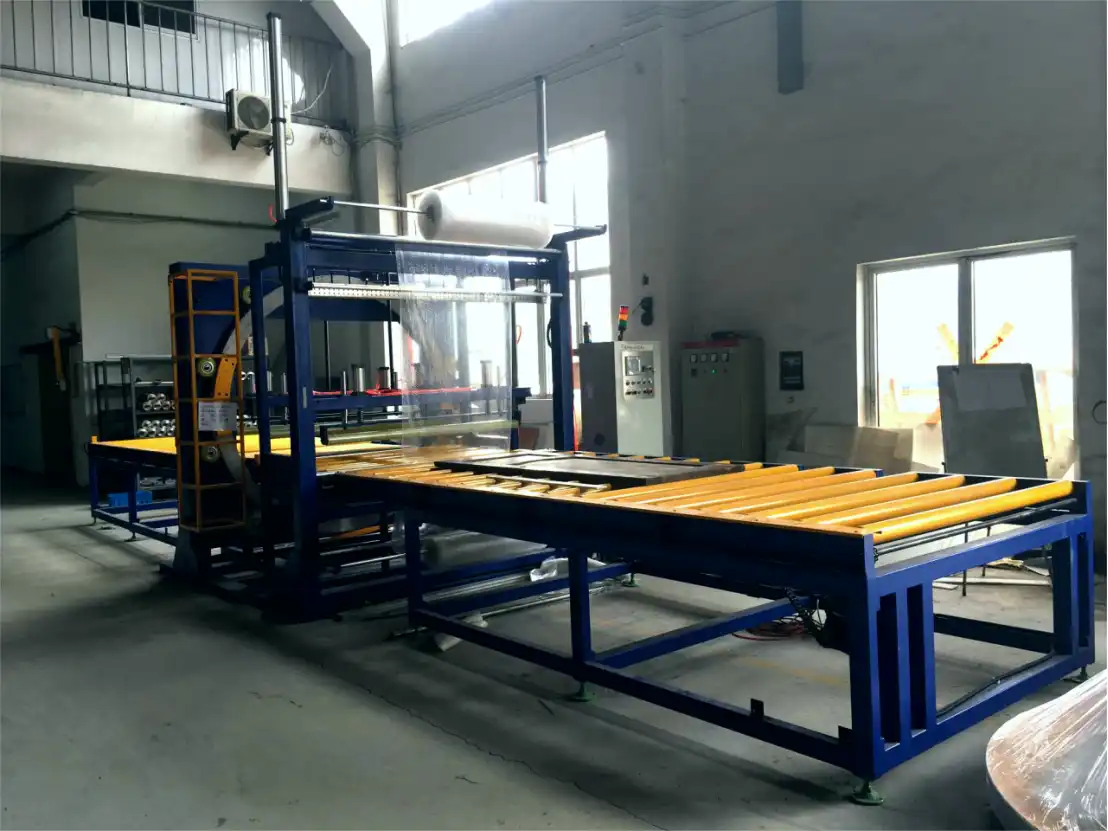
When I started my own packing machine factory, every dollar counted. I learned quickly that smart investments pay for themselves. An orbital wrapper is a good example. The upfront cost might seem big. But you need to look at the long-term gains. First, think about labor. If you are using people to hand-wrap wood panels, you are paying wages, benefits, and potentially overtime. A machine can do the work of several people. This means you can reassign those workers to more valuable tasks. Or you can reduce your labor costs over time. This is a direct saving.
Next, consider product damage. As I said before, manual handling and poor wrapping lead to damaged panels. Each damaged panel is a loss. You cannot sell it. You might even have to pay for shipping it back. With an orbital wrapper, panels are wrapped securely and consistently. This drastically cuts down on damage. Fewer damaged goods mean more saleable products. This directly impacts your profit margin. For a manager like Michael, this is crucial. He wants to control costs and increase output.
Third, look at efficiency. A horizontal orbital wrapper works fast. It can wrap many panels in an hour. This speeds up your end-of-line process. It removes the bottleneck. Faster packing means faster shipping. Faster shipping means happier customers. It also means you can produce more in the same amount of time. This increases your capacity without adding more floor space or shifts. This is a huge gain in productivity. I have seen this firsthand in my own operations and with my clients. When we automated coil packing, the increase in speed was incredible. It allowed us to take on more orders. It reduced our lead times. The same benefits apply to wrapping wood panels. The machine runs with minimal supervision. It uses less energy than you might think. It requires less material than you might expect due to optimal film stretching. All these factors add up. They show a clear path to getting your money back. Then, the savings become pure profit.
Calculating Your Return on Investment
To figure out your ROI, consider these points:
- Labor Savings: How many hours of manual labor will the machine replace? Multiply by hourly wage.
- Damage Reduction: What is the average value of damaged products you currently experience? Estimate the percentage reduction.
- Increased Throughput: How many more panels can you pack per hour/day? This means more sales potential.
- Insurance/Safety: Lower injury rates can lead to reduced insurance premiums.
| Cost Area | Manual Packing (Current) | Automated Packing (Projected) | Potential Savings/Gains |
|---|---|---|---|
| Labor | High (multiple workers) | Low (one operator, less hands-on) | Significant reduction in payroll |
| Product Damage | High (due to handling/poor wrap) | Low (consistent, secure wrap) | Reduced waste, fewer returns |
| Packing Speed | Slow (bottleneck) | Fast (high throughput) | Increased daily output, faster shipping |
| Safety Incidents | High (manual lifting risks) | Low (machine handles heavy items) | Lower insurance, happier workforce |
| Consistency of Wrap | Variable (human error) | Consistent (machine precision) | Reliable product protection, better QA |
These factors combine to make a compelling case for automation. The investment in an orbital wrapper is an investment in your factory’s future. It is about building a stronger, more efficient, and safer business.
Why Is Choosing the Right Packing Machine Partner as Important as the Machine Itself?
You might have bought equipment before that did not work out. Some companies just want to sell you something. They do not care if it truly solves your problems. They offer bad service after the sale. This leaves you stuck. Finding a partner who understands your business is vital for success.
Choosing the right packing machine partner is as crucial as selecting the right machine because a true partner provides more than just equipment. They offer expert consultation, understand your specific production bottlenecks and challenges (like those faced by Michael Chen), and provide reliable after-sales support, maintenance, and parts. This ensures your investment continues to operate efficiently and adds long-term value to your operations, avoiding costly downtime and frustration.
My journey in the packing machine industry taught me a big lesson. It is not just about the machine. It is about the people behind the machine. I started as an employee. Then I built my own factory. I know what it takes to run a plant. I understand the daily pressures of meeting targets. I understand the frustration when a machine breaks down. This is why I stress the importance of a good partner. A true partner listens to your problems. They do not just push their products. They ask about your production line. They ask about your challenges with safety or product damage. For Michael, who has faced supplier trust issues, this is even more critical. He needs someone who ‘gets’ him. He needs someone who can look at his plant and say, “This is what you really need to fix that bottleneck.”
A good partner offers more than a sale. They offer insights. They offer solutions. They help you pick the right model. They make sure it fits into your existing setup. Then, after the sale, they are there for you. This means proper installation. This means training your staff. This means having spare parts ready. It means quick help when something goes wrong. Downtime is a killer in any factory. Every minute a machine is not running, you are losing money. A reliable partner reduces this risk. They help you keep your machines running. My own experience with building a factory taught me the value of this support. I saw how crucial it was to have reliable partners for my own equipment. I wanted to give that same level of support to my clients. It is about building a relationship based on trust. It is about sharing knowledge. It is about helping your business grow. This is what FHOPEPACK stands for. It is the core of our mission. We want to empower you with the right tools and the right knowledge. We want you to succeed, just like I did.
What to Look for in a Packing Machine Partner
When choosing a partner, consider these points carefully.
- Industry Expertise: Do they understand your specific industry and product (e.g., wood panels)? Do they know your challenges?
- Solution-Oriented: Do they offer custom solutions, or just off-the-shelf products? Do they ask about your problems before suggesting machines?
- After-Sales Support: What kind of warranty do they offer? How fast can they send parts or technicians? Is there training?
- Proven Track Record: Can they show you examples of other successful installations? Do they have good client testimonials?
- Partnership Mentality: Do they act like advisors, or just salespeople? Are they interested in your long-term success?
| Key Trait of Partner | Why It Matters for Your Business |
|---|---|
| Deep Industry Knowledge | They understand your specific pains and needs |
| Strong After-Sales Service | Minimizes downtime, ensures continuous operation |
| Solution-Based Approach | You get the right machine for your unique problems |
| Long-Term Relationship | Reliable support for future growth and upgrades |
| Transparency and Trust | Avoids hidden costs, builds confidence |
A good partner becomes an extension of your team. They are invested in your success. This type of relationship makes all the difference. It turns a purchase into a lasting solution.
我的见解 (My Insights)
You have seen the benefits of a horizontal orbital wrapper. But maybe you still feel overwhelmed. How do you make the right choice? How do you ensure this investment truly pays off? Let me share what I learned on my own journey.
From my journey starting as a factory employee to building a successful packing machine factory, I have learned that the best investments are those that empower growth and solve real-world problems. My insight is that automation, specifically with a horizontal orbital wrapper, is not just about buying a machine; it is about investing in your factory’s future, enhancing worker safety, and securing product quality, ultimately leading to greater financial independence and peace of mind for business leaders.
When I started FHOPEPACK, it was built on a simple idea: share what I know. My path in the packing machine industry was not always easy. I started on the factory floor, working with my hands. I saw the challenges. I saw the wasted effort. I saw the injuries. This taught me something very important: good packing is not just about putting film around a product. It is about efficiency. It is about safety. It is about protecting the value you create. For instance, in my early days, watching workers manually pack heavy steel coils, I often thought, “There has to be a better way.” The process was slow. It was dangerous. The coils would often get scratched. That experience fueled my desire to create better solutions.
Later, when I built my own factory, I lived these challenges every day. I had to make smart choices about equipment. I had to ensure my workers were safe. I had to deliver quality products to my clients. These experiences, the highs and the lows, gave me a deep understanding. They showed me that financial independence, both for me and for my clients, came from smart operations. It came from reducing waste. It came from making things flow better. This is why I truly believe in automation like the horizontal orbital wrapper for wood panels. It solves real problems. It helps workers. It protects your products. It boosts your profits. It is not just a piece of metal and wires. It is a tool for transformation. It changes your factory from a place of struggle to a place of smooth, profitable work.
My advice to any factory manager, like Michael, is this: look beyond the price tag. Look at the total impact. Will this machine make your workers safer? Will it stop product damage? Will it speed up your production? If the answer is yes, then it is an investment worth making. My own success came from identifying these kinds of opportunities. I was grateful for what the packing industry gave me. Now, I want to give back. I want to share this knowledge. I want to help others find the same success. This is the heart of FHOPEPACK. It is about making expert knowledge accessible. It is about empowering you to make the best decisions for your business. It is about helping you master packing, just like our slogan says.
Randal’s Philosophy on Smart Investment
My approach boils down to these core beliefs:
- Problem-First: Always identify the core problem before looking for a solution.
- Long-Term View: Do not just look at today’s cost. Look at tomorrow’s savings and growth.
- People and Product: A good solution protects both your workers and your products.
- Knowledge Sharing: The best way to grow is to share what you have learned.
- Trust and Partnership: Work with people who are truly invested in your success.
I have seen countless businesses grow because they made these smart shifts. A horizontal orbital wrapper is more than just a machine. It is a gateway to a more efficient, safer, and more profitable future for your wood panel operation. It is an investment that truly pays off, both in dollars and in peace of mind.
Conclusion
A horizontal orbital wrapper truly boosts protection for Canadian wood panels, cutting costs and risks. It is a smart investment for safer, more efficient operations and greater profits.








