

How Can Collaborative Robots Enhance Mold Upender Operations?
Struggling with the cumbersome, risky, and time-consuming process of manually handling heavy molds for upending? These operations often lead to worker strain, potential injuries, and costly production delays. Collaborative robots (cobots) present a powerful solution, automating these challenging tasks to enhance safety, efficiency, and consistency on your shop floor.

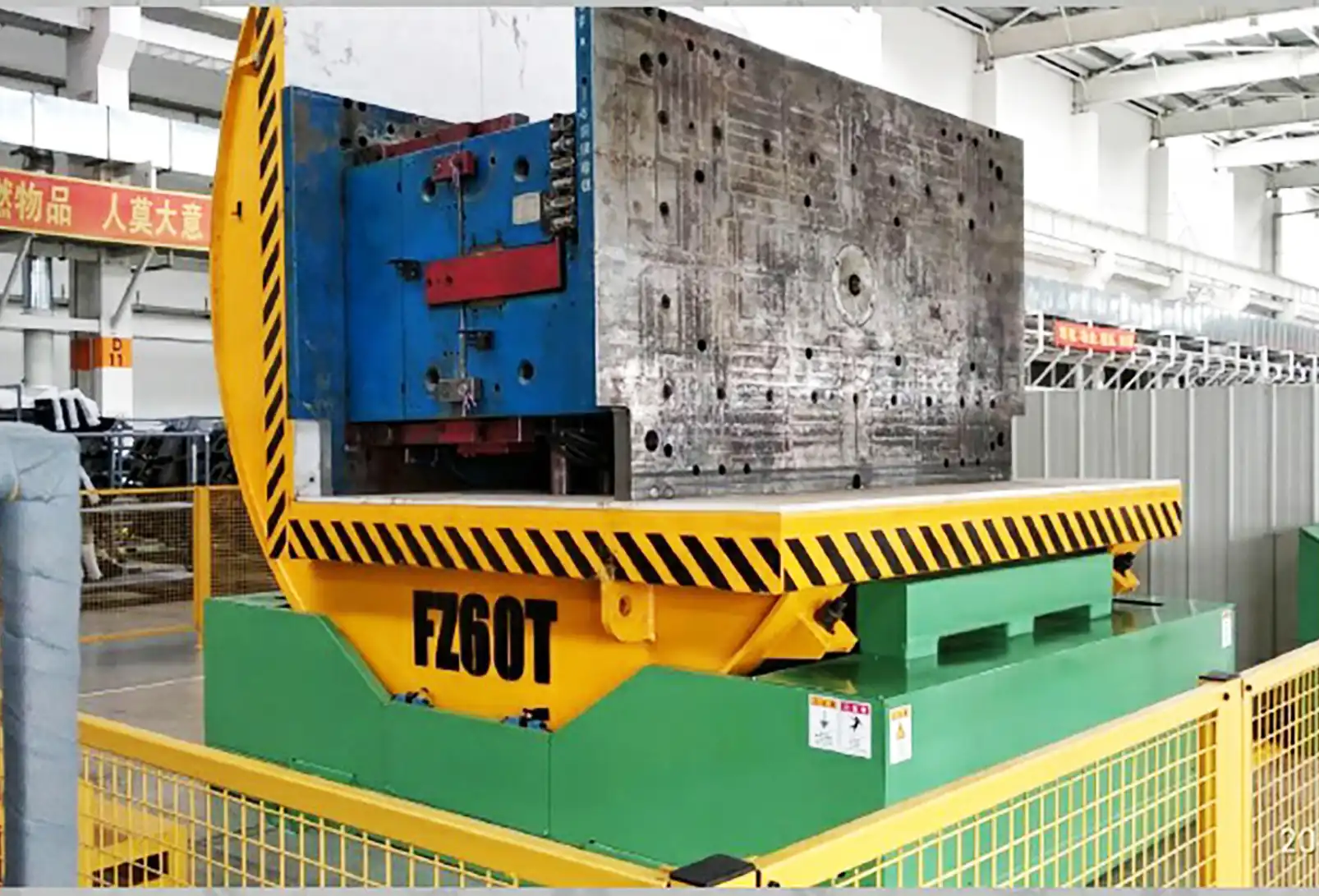
Collaborative robots enhance mold upender operations by significantly improving safety, precision, and efficiency. They automate the heavy lifting and precise positioning required, reducing worker strain and injury risk. Cobots ensure consistent handling, minimize mold damage, speed up cycle times, and can operate continuously, integrating seamlessly with existing upender equipment for optimized workflow and increased throughput in demanding manufacturing environments, offering significant automation benefits.
Integrating cobots into your mold handling workflow isn’t just about replacing manual labor; it’s about elevating your entire operation. Let’s explore how these advanced robotic solutions specifically address the unique challenges of mold upending and deliver tangible benefits.
Understanding Cobots: The Powerhouse Behind Modern Upending
The push towards smarter, safer, and more efficient manufacturing has brought collaborative robots, or cobots, into the spotlight. Unlike their traditional industrial robot counterparts, often caged for safety, cobots are engineered specifically to work alongside humans. This fundamental difference unlocks new potential for automation in tasks like mold upending, where human oversight or intervention might still be valuable, driving significant automation benefits.
Collaborative robots (cobots) are a distinct category of robots designed for direct human-robot interaction within a shared workspace. Equipped with advanced sensors, force-limiting technology, and intuitive programming interfaces, they contrast sharply with traditional industrial robots that typically require extensive safety fencing and operate in isolation. Key features like inherent safety mechanisms (stopping on contact), ease of programming (often via hand-guiding), flexibility in deployment, and smaller footprints make them ideal for integration into existing workflows like mold handling and upending, augmenting human capabilities rather than simply replacing them.

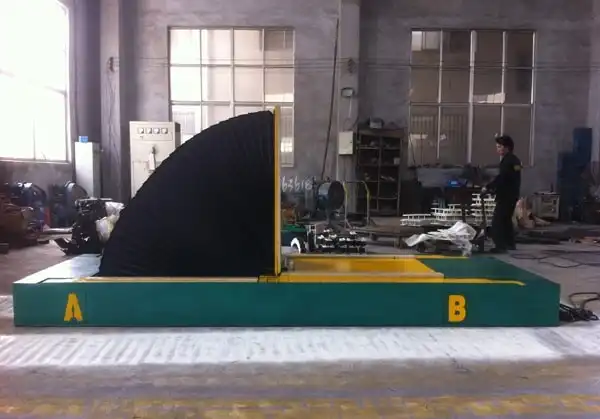
Diving Deeper into Cobot Capabilities for Upenders
To truly appreciate how cobots can revolutionize mold upender operations, it’s essential to understand the specific features that make them suitable for this demanding application. Mold handling involves heavy, often valuable, and sometimes awkwardly shaped items that require careful manipulation. Cobots bring a unique set of capabilities perfectly aligned with these needs.
Key Cobot Features Benefiting Mold Handling
- Safety-First Design: The core principle of cobots is safe collaboration. Features like power and force limiting (PFL) mean the cobot will stop if it encounters unexpected resistance, such as contact with a person or obstacle. Speed and separation monitoring systems can slow or halt the cobot when a human enters its working envelope. This inherent safety drastically reduces the need for bulky, space-consuming traditional safety fencing, allowing cobots to operate near human workers and existing machinery like mold upenders.
- Payload and Reach: Cobots come in various sizes with different payload capacities and reach capabilities. Selecting a cobot that can comfortably handle the weight range of your molds (from smaller injection molds to larger casting dies) and reach the necessary points on the upender and surrounding workspace is crucial. Models like the UR10e, UR16e, or UR20 from Universal Robots offer payload capacities suitable for many mold handling tasks.
- Ease of Programming and Reprogramming: Modern cobots feature intuitive programming interfaces, often using graphical tablets or even hand-guiding, where an operator physically moves the robot arm through the desired path. This simplifies initial setup and makes it easy to adjust paths or reprogram the cobot for different mold types or upending procedures without needing specialized robotics engineers for minor changes.
- Precision and Repeatability: Cobots offer high levels of precision and repeatability (often within fractions of a millimeter). This ensures that molds are consistently placed onto the upender in the correct orientation and location, minimizing the risk of misalignment, damage during tilting, or errors in subsequent processes.
- End Effector Versatility: Cobots can be equipped with a wide array of end-of-arm tooling (EOAT), including specialized grippers designed for securely handling molds of various shapes and sizes. Magnetic grippers, pneumatic grippers, or custom-designed fixtures can be used depending on the mold material, weight, and surface characteristics.
Comparing Cobot Types for Mold Upending Scenarios
The best type of cobot depends on the specific requirements of the mold upending task and the level of human interaction anticipated.
| Cobot Type | Key Feature | Suitability for Mold Upending | Considerations |
|---|---|---|---|
| Power & Force Limiting (PFL) | Stops on contact due to force limits | Highly suitable for direct loading/unloading where occasional incidental contact might occur; most common type. | Speed may be limited depending on risk assessment; payload capacity is key. |
| Safety Monitored Stop | Stops when human enters defined safety zone | Good for scenarios where the cobot works quickly but needs to halt completely if a person approaches closely. | Requires reliable sensing technology (e.g., laser scanners) defining the zone. |
| Speed & Separation Monitoring | Slows down/stops based on human proximity | Useful if operators need to work near the cobot but not necessarily interact directly; allows higher speeds when clear. | Requires advanced sensors and careful configuration of safety zones. |
| Hand Guiding | Allows manual guidance for teaching/positioning | Excellent for teaching complex paths or precise final positioning onto the upender, especially for varied mold types. | Primarily for teaching/setup, not typically the primary operational mode. |
Understanding these features and types allows manufacturers to select and implement the most effective cobot solution to enhance their specific mold upender operations, maximizing safety and efficiency.
Streamlining Mold Upending: Cobots in Action
Integrating collaborative robots directly into the mold upending process transforms it from a potentially hazardous manual task into a streamlined, automated workflow. Cobots act as tireless, precise assistants, handling the critical steps of loading, securing, and unloading molds from the upender mechanism, thereby boosting overall operational efficiency and enabling significant automation benefits.
Cobots streamline mold upending by precisely handling the loading and unloading phases. They can pick up heavy molds from storage or transport, accurately place them onto the mold upender, signal the upender to perform the tilt, and then carefully remove the reoriented mold. This eliminates manual lifting, ensures consistent positioning, reduces cycle times, and minimizes the risk of mold damage during handling.
Real-World Applications and Benefits
The theoretical advantages of using cobots translate into tangible benefits when applied to the specific task of mold upending in manufacturing environments. From die casting facilities to injection molding plants, cobots are making a measurable difference.
Enhancing Safety in Mold Handling
Mold upending traditionally involves significant manual handling risks. Molds can weigh hundreds or even thousands of pounds, requiring cranes, forklifts, or strenuous team lifts. Awkward postures, pinch points, and the potential for dropped loads are constant safety concerns. Cobots directly mitigate these risks:
- Eliminating Heavy Lifting: The cobot takes on the burden of lifting and maneuvering the mold, removing the primary source of musculoskeletal injury risk for workers.
- Reducing Pinch Point Exposure: Automated handling minimizes the need for workers to place hands near the mold and upender mechanism during loading and tilting.
- Consistent, Controlled Movements: Cobots move predictably and smoothly, reducing the chances of sudden shifts or drops associated with manual handling or less precise lifting equipment.
- Integrated Safety Features: As discussed earlier, built-in sensors and force limits provide an additional layer of protection should unexpected contact occur.
Boosting Efficiency and Throughput
Manual mold handling is often a bottleneck. Locating the mold, setting up lifting gear, carefully maneuvering it onto the upender, securing it, waiting for the tilt, and then reversing the process takes time and can vary significantly depending on the crew and the specific mold. Cobots introduce speed and consistency:
- Faster Cycle Times: Cobots can be programmed for optimal paths and speeds, performing the loading and unloading sequence faster than typical manual methods.
- Continuous Operation: Cobots can operate 24/7 with consistent performance, unlike human workers who require breaks and shift changes. This maximizes the utilization of the mold upender and downstream equipment.
- Reduced Downtime: Consistent handling reduces the likelihood of errors that could lead to mold damage or misalignment, minimizing associated downtime for repairs or adjustments. Automating the mold upender process ensures a smoother flow.
Improving Precision and Quality Control
Incorrect positioning on the upender can lead to improper tilting or even damage to the mold or the machine. Delicate molds require gentle handling to avoid surface damage or misalignment of components.
- Precise Placement: Cobots position molds onto the upender with high accuracy and repeatability, ensuring proper alignment for the tilting operation every time.
- Gentle Handling: Cobot movements can be programmed to be smooth and controlled, minimizing shock and vibration, crucial for delicate or complex molds.
- Integration with Inspection: Cobots can potentially be integrated with vision systems or sensors to perform a quick quality check (e.g., verifying mold cleanliness or checking for damage) before or after the upending process, adding value beyond simple handling.
By taking over the physically demanding, risky, and repetitive aspects of mold upending, cobots free up skilled human workers to focus on more complex tasks like mold maintenance, quality assurance, and process optimization, leading to a safer, more efficient, and higher-quality manufacturing operation.
Key Advantages of Cobot Integration in Mold Upending Operations
Facing limitations with traditional mold handling methods that impact safety, speed, and consistency? Manual or semi-automated processes often result in bottlenecks, potential worker injuries, and variability in handling quality. Integrating collaborative robots specifically for mold upending operations provides a robust solution, overcoming these challenges and delivering significant operational advantages.
The key advantages of integrating cobots into mold upender operations include dramatically enhanced worker safety by eliminating heavy manual lifting, increased productivity through faster and more consistent cycle times, improved precision in mold placement reducing damage risk, greater operational flexibility to handle various mold sizes, and reduced physical strain on the workforce. These factors collectively contribute to higher efficiency and lower operating costs.


Quantifiable Gains and Strategic Value
The decision to integrate cobots isn’t just about technological advancement; it’s a strategic investment with measurable returns and long-term value for manufacturing operations involving mold upenders.
Return on Investment (ROI) Factors
While there’s an initial investment in the cobot, end effector, integration, and training, the ROI is often compelling and realized through multiple avenues:
- Reduced Labor Costs: Automating the manual handling aspect frees up workers for higher-value tasks or reduces the need for dedicated personnel solely for mold movement. In multi-shift operations, the savings multiply quickly.
- Injury Prevention Savings: Workplace injuries associated with heavy lifting are costly, involving medical expenses, lost workdays, insurance premium increases, and potential regulatory fines. Cobots drastically reduce this risk, leading to significant cost avoidance.
- Increased Throughput & Productivity: Faster, consistent cycle times mean more molds can be processed per shift, directly impacting overall production output and revenue potential.
- Reduced Mold Damage: Precise handling minimizes accidental damage to expensive molds, saving on repair costs and avoiding production delays.
- Improved Quality: Consistent positioning can lead to better quality in subsequent processes that rely on the correctly oriented mold.
Flexibility and Scalability
Manufacturing environments are rarely static. Production demands fluctuate, and new mold designs are introduced. Cobots offer inherent flexibility:
- Handling Variability: A single cobot can often be programmed to handle multiple mold types and sizes (within its payload/reach limits) with quick changeovers, unlike fixed automation that might be dedicated to one specific task.
- Easy Redeployment: If production needs change, a cobot assisting a mold upender can potentially be redeployed to other tasks like machine tending, palletizing, or assembly with relative ease compared to traditional industrial robots.
- Scalable Automation: Businesses can start by automating one mold upender and scale the solution across other lines or cells as needed and as budget allows. The ease of integration facilitates incremental automation adoption.
Comparing Manual vs. Cobot-Assisted Upending
The advantages become clearer when directly comparing the approaches across key performance indicators:
| Metric | Manual / Semi-Automated Upending | Cobot-Assisted Upending | Impact |
|---|---|---|---|
| Safety Incidents | Higher risk (strains, drops, pinch points) | Significantly lower risk (automated handling) | Reduced injuries, lower insurance/compensation costs |
| Cycle Time | Variable, often slower | Consistent, typically faster | Increased throughput, better production planning |
| Handling Consistency | Operator dependent, potential variability | High repeatability, consistent placement | Reduced errors, less mold/machine damage risk |
| Flexibility (New Molds) | May require new procedures/tooling/training | Easier reprogramming, potential EOAT change | Faster adaptation to changing production needs |
| Labor Requirement | Requires direct operator involvement | Operator oversees/performs higher-level tasks | More efficient use of skilled labor |
By leveraging cobot technology, manufacturers can transform their mold upender operations from a potential liability and bottleneck into a safe, efficient, and flexible component of their production system, delivering both immediate operational gains and long-term strategic value through robust robotic solutions.
Implementing Cobots for Mold Upenders: Best Practices
Successfully integrating collaborative robots into mold upender operations requires more than just purchasing the hardware. Careful planning, thorough assessment, and adherence to best practices are crucial to ensure a smooth transition, maximize benefits, and maintain a safe working environment for seamless human-machine collaboration.
Best practices for implementing cobots with mold upenders involve conducting a detailed needs assessment and process analysis, selecting the appropriate cobot based on payload, reach, and safety requirements, performing a thorough safety risk assessment (ISO 10218, ISO/TS 15066), designing suitable end-of-arm tooling, ensuring proper software integration with the upender controls, and providing comprehensive training for operators and maintenance staff.

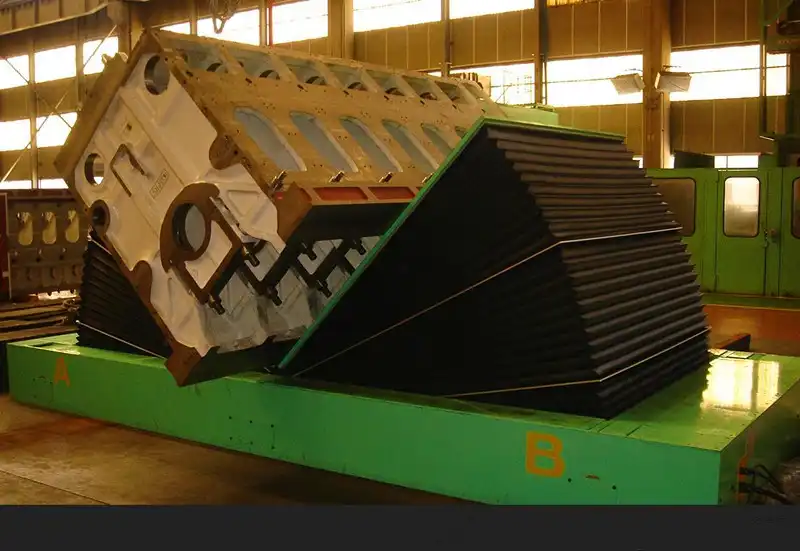
Ensuring a Smooth Transition
A well-managed implementation process is key to unlocking the full potential of cobot-assisted mold upending and gaining workforce acceptance.
Needs Assessment and Process Analysis
Before selecting any hardware, conduct a thorough analysis of your current mold upending process:
- Map the Workflow: Document every step, from mold transport to the upender, the loading process, the tilting cycle, unloading, and transport away.
- Identify Bottlenecks and Risks: Pinpoint where delays occur and where safety hazards are most prominent (e.g., heavy lifting, awkward reaching, pinch points).
- Quantify Key Metrics: Measure current cycle times, typical mold weights and dimensions, frequency of upending operations, and any existing error or injury rates.
- Define Objectives: Clearly state what you aim to achieve with automation (e.g., reduce cycle time by X%, eliminate lifting injuries, handle molds up to Y weight).
Selecting the Right Cobot and End Effector
Based on the needs assessment:
- Payload and Reach: Choose a cobot model whose specifications comfortably exceed the heaviest mold and furthest reach required, allowing for a safety margin. Consider future needs as well.
- Safety Features: Prioritize cobots with robust, certified safety features (like PFL or speed/separation monitoring) appropriate for your intended level of human interaction.
- End-of-Arm Tooling (EOAT): Design or select a gripper specifically suited for your molds. Consider factors like mold material (magnetic vs. non-magnetic), surface fragility, weight distribution, and required grip points. The EOAT is critical for secure and damage-free handling.
- Environmental Considerations: Ensure the cobot is rated for the operating environment (e.g., temperature, dust, potential contaminants).
Safety Risk Assessment and Mitigation
This is a non-negotiable step:
- Follow Standards: Adhere to relevant safety standards like ISO 10218-1/-2 and ISO/TS 15066, which provide guidelines for collaborative robot applications.
- Identify Hazards: Systematically identify all potential hazards in the combined cobot-upender cell, considering different operational modes (normal operation, maintenance, error recovery).
- Implement Mitigation: Based on the risk assessment, implement necessary safety measures. This might include setting appropriate speed limits for the cobot, defining safety zones (using scanners if necessary), ensuring proper integration with the upender’s safety circuit (e.g., emergency stops), and potentially adding minimal physical guarding for specific high-risk areas if PFL alone is insufficient.
Training and Workforce Acceptance
- Operator Training: Train operators on how to safely interact with the cobot, start/stop procedures, basic troubleshooting, and how to initiate different programs for various molds.
- Maintenance Training: Provide maintenance staff with training on routine checks, diagnostics, and repair procedures.
- Communicate Benefits: Clearly communicate the reasons for implementing the cobot, emphasizing safety improvements and how it frees up workers from strenuous tasks, addressing potential concerns about job displacement early on. Involve workers in the implementation process where possible to foster ownership and acceptance.
By following these best practices, manufacturers can ensure their cobot integration project for mold upenders is not only technically sound but also safe, efficient, and well-received by the workforce, maximizing the return on their automation investment.
Conclusion
Integrating collaborative robots into mold upender operations represents a significant leap forward in manufacturing safety and efficiency. By taking over the demanding, repetitive, and often hazardous task of manually handling heavy molds, cobots mitigate injury risks, ensure consistent and precise placement, and accelerate cycle times. The flexibility, ease of programming, and inherent safety features of modern cobots make them ideal partners for working alongside human operators and existing machinery. Successful Cobot integration, achieved through careful planning, risk assessment, and appropriate technology selection, transforms mold handling from a potential bottleneck into a streamlined, reliable, and productive process, ultimately contributing to a leaner, safer, and more competitive manufacturing environment.












