
How Can Coil Wrapping Machines Protect Steel and Aluminum Coils in Thailand?
Imagine your factory floor in Thailand. You see high-quality steel and aluminum coils ready for their next step. But then, you spot it. A dented edge, a scratch, or even some moisture damage. This is a common problem. It leads to wasted materials, unhappy customers, and lost money. Many factories struggle with how to protect these valuable products.
Coil wrapping machines protect steel and aluminum coils in Thailand by applying a tight, multi-layered film barrier. This barrier shields coils from physical damage, dust, moisture, and corrosion during storage and transport. It ensures products stay in top condition, reducing waste and improving customer satisfaction for manufacturers in the region.
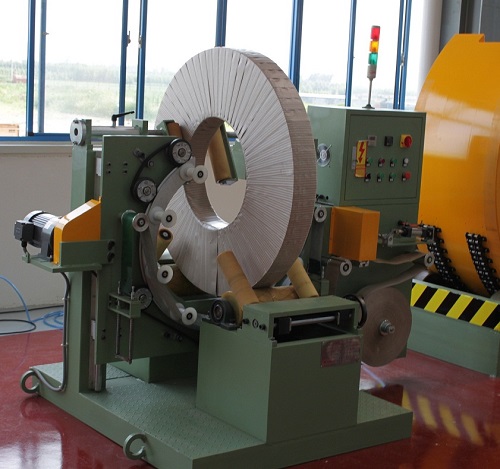
I have spent many years in the packing machine industry. I understand these challenges deeply. Protecting your product is not just about avoiding damage. It is about keeping your reputation and growing your business. Let us explore how modern coil wrapping technology can transform your operations. We will look at specific benefits for your factory in Thailand.
1. Why is Effective Coil Protection So Important for Factories in Thailand?
Are you seeing valuable products damaged before they reach your customers? This problem can hurt your business greatly. It erodes profits and trust. In a competitive market like Thailand, every detail matters. Poor protection can set you back.
Effective coil protection is crucial for factories in Thailand because it directly impacts product quality, reduces costly losses, and maintains customer trust. Without it, companies risk financial setbacks from damaged goods and a tarnished reputation in the regional and global market.
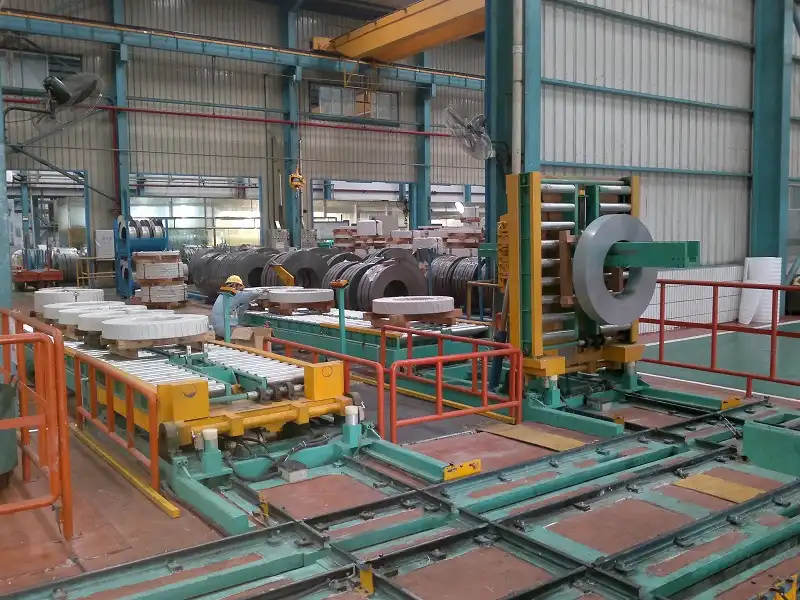
When I started my first packing machine factory, I quickly learned a key lesson. Quality packaging is as important as the quality of the product itself. Customers do not care if the coil was perfect when it left your production line. They only care about its condition when it arrives at their door. For businesses in Thailand, dealing with raw materials like steel and aluminum, this is even more true. These materials are heavy, sensitive, and expensive. Any damage is a direct hit to your bottom line. I have seen how a single damaged coil can cause delays. It can lead to disputes and even lost contracts. This is why investing in proper protection is not just an expense. It is a critical investment in your future. It secures your products, your customers, and your market position.
Factories in Thailand face unique pressures. They must meet high export standards. They must also compete with local and international players. The hot and humid climate can also make things harder. It increases the risk of corrosion and moisture damage. Without proper protection, your coils are vulnerable from the moment they are made. They stay vulnerable through storage, handling, and shipping. This exposes your business to several risks.
The True Cost of Poor Coil Protection
| Factor | Impact on Thai Factories |
|---|---|
| Product Damage | Scrap rates increase, leading to material waste and higher production costs. |
| Customer Complaints | Leads to dissatisfaction, potential order cancellations, and harm to brand loyalty. |
| Logistics Issues | Requires return shipments, re-packaging, and claims processing, adding to operational overhead. |
| Reputation Loss | Makes it harder to attract new clients and retain existing ones in a competitive market. |
| Increased Insurance Costs | Higher claims due to damage can lead to increased premiums and more paperwork. |
| Financial Losses | Direct costs from replacing damaged goods and indirect costs from lost business opportunities. |
I always tell my clients, “Think about the total cost.” It is easy to look at the price of a wrapping machine. But you must also look at the money you save. You save on fewer damaged products. You save on happier customers. And you save on a stronger brand. In Thailand, where supply chains can be long and complex, robust packaging is your best defense. It ensures that your hard work arrives safely. It also helps your business thrive.
2. What Common Risks Threaten Your Steel and Aluminum Coils?
Do you know what dangers your valuable coils face every day? Many factory managers overlook the subtle threats that can turn perfect products into costly scrap. Ignoring these risks means you are losing money. It also means you are risking your reputation.
Steel and aluminum coils face common risks such as physical impact, surface scratches, moisture, dust, and corrosion during handling, storage, and transit. Manual processes increase these risks significantly. These threats can degrade product quality and lead to substantial financial losses for manufacturers.

When I was first starting out in a packing machine factory, I saw these problems first-hand. I watched workers manually moving heavy coils. I saw coils bumping against each other. Sometimes, they even dropped. Each incident caused damage. This damage led to arguments about who was responsible. It also led to delays in shipping. I realized then that human error and manual handling were big problems. These problems were causing major product loss. For factories in Thailand, where operations run fast, these risks are even higher. The goal is always to deliver perfect products. But without proper protection, many things can go wrong along the way.
Main Threats to Coil Integrity
Your steel and aluminum coils are vulnerable from the moment they are produced until they reach their final destination. Understanding these specific threats is the first step in solving the problem.
-
Physical Damage:
- Impact and Dents: This happens during loading, unloading, and internal transport. Coils are heavy. If they hit other objects or surfaces, they can easily get dented. These dents often affect the coil edges. This makes the product unusable.
- Scratches and Abrasions: Sharp objects, rough surfaces, or even other coils can scratch the surface. Aluminum coils are particularly sensitive to this. Even minor scratches can make a product unacceptable for many industrial uses.
- Deformation: Improper stacking or securing can lead to coils losing their perfect round shape. This deformation makes them hard to process further down the line.
-
Environmental Factors:
- Moisture and Humidity: Thailand’s climate is humid. This makes coils susceptible to moisture damage. Water can lead to rust on steel. It can also cause white spots on aluminum. Even small amounts of moisture trapped under inadequate packaging can cause big problems over time.
- Dust and Dirt: Factory environments often have dust and debris. If coils are not properly covered, this dust settles on their surface. This contaminates the product. It can affect later processing steps, like painting or welding.
- Corrosion: This is a major concern for steel. Exposure to air, moisture, and certain chemicals can cause rust. Rust degrades the metal. It compromises its strength and appearance. Aluminum, while not rusting, can corrode in other ways if exposed to harsh elements.
-
Handling and Storage Issues:
- Friction Damage: When coils move against each other or against their support structure, friction can cause wear. This is especially true during transport.
- Improper Packaging: Many factories still use basic, manual wrapping methods. These methods do not offer enough protection. They often leave gaps or weak spots. This makes the coils vulnerable to all the risks mentioned above. I have seen rolls of film applied by hand. They look okay at first. But they fail when put to the test of real-world logistics.
- Long-Term Storage: Coils often sit in warehouses for weeks or months. During this time, they are exposed to changing temperatures and humidity. If not sealed properly, this exposure can lead to degradation.
I learned that preventing these issues needs more than just careful handling. It needs a robust, consistent, and automated solution. This is where modern coil wrapping machines truly shine. They address these threats head-on. They provide a protective layer that manual methods simply cannot match. This approach significantly reduces the chance of damage. It gives factory managers, like those in Thailand, peace of mind.
3. How Do Coil Wrapping Machines Offer Superior Protection?
Are your current packaging methods leaving your coils exposed to damage? This vulnerability can be a constant source of worry. It makes you question if your products will reach customers in perfect condition. There is a better way to protect your investment.
Coil wrapping machines offer superior protection by creating a tight, uniform, and multi-layered film barrier around steel and aluminum coils. They use stretch film or other specialized materials. This protects against physical impacts, surface scratches, moisture, dust, and corrosion. This automated process ensures consistent, high-quality packaging that manual methods cannot achieve.
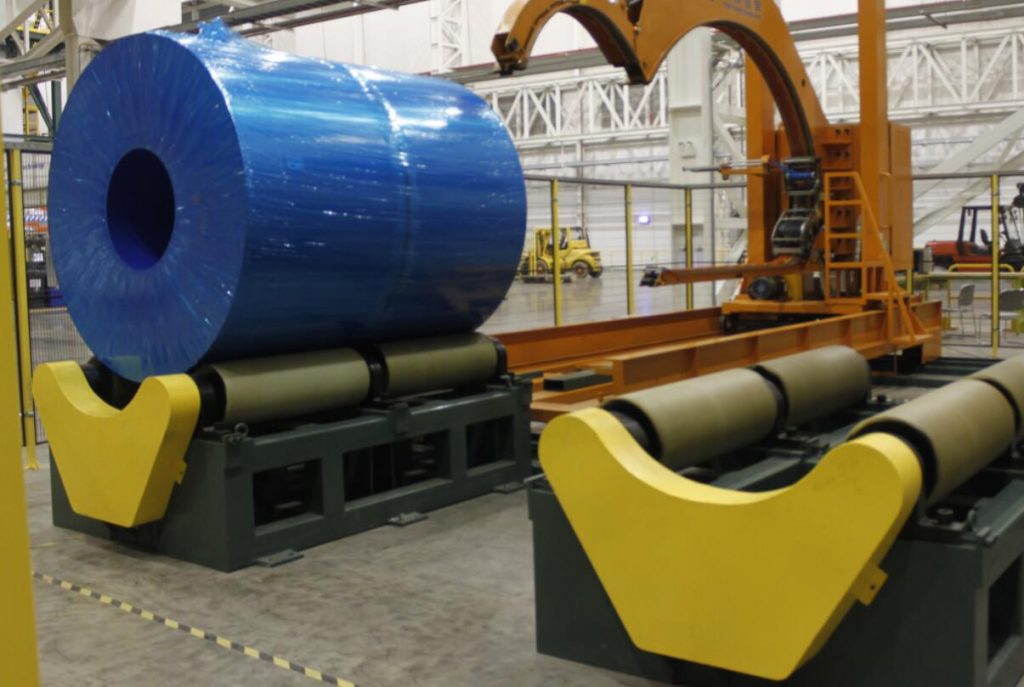
During my time building FHOPEPACK, I focused heavily on how to make packaging truly protective. I saw many manual wrapping operations fail. They failed because they were inconsistent. They also lacked the tension needed for a secure wrap. Coil wrapping machines change this entirely. They bring precision and power to the packing process. Instead of relying on human strength or judgment, these machines use controlled tension. They apply multiple layers of film smoothly. This creates a strong barrier. This barrier withstands the bumps of transport. It also keeps out the elements. This is especially vital in places like Thailand, where environmental factors are tough. This technology prevents the damage that manual methods often allow.
The Mechanics of Advanced Coil Protection
Coil wrapping machines are engineered to provide comprehensive protection. They achieve this through several key features and processes:
-
Consistent Tension Application:
- Uniform Wrapping: The machine applies stretch film at a constant tension. This ensures every part of the coil receives the same protective coverage. This prevents loose spots where moisture or dust could enter.
- Tight Film Adhesion: The film clings tightly to the coil’s surface. This minimizes movement of the packaging material itself. It also holds the coil securely. This reduces the risk of scratches or abrasions from loose film.
-
Multi-Layered Barrier:
- Layered Defense: Coil wrappers apply several overlapping layers of film. Each layer adds to the overall strength. This creates a robust barrier. This barrier is resistant to punctures and tears.
- Environmental Shield: This multi-layered wrap acts as a strong barrier against external elements. It keeps out moisture, dust, dirt, and other contaminants. This is crucial for preventing rust on steel and surface degradation on aluminum.
-
Customizable Wrapping Patterns:
- Full Surface Coverage: Machines can be programmed to wrap the entire surface of the coil. This includes the inner and outer diameters, and the sides. This ensures complete encapsulation.
- Edge Protection: Special attention can be given to vulnerable coil edges. These are often the first parts to get damaged. Machines can apply extra film or reinforcement to these areas. This significantly reduces edge damage during handling.
-
Types of Coil Wrapping Machines:
- Horizontal Coil Wrappers: These machines are ideal for coils that are transported horizontally. They wrap around the outer diameter, creating a strong protective band. They are common for larger, heavy coils.
- Vertical Coil Wrappers: These machines are designed for coils that are stored or transported vertically. They wrap around the flat face and inner/outer diameters. This protects the entire surface from the top down.
- Orbital Wrappers: These machines feature a wrapping ring that moves around the coil. This allows for continuous wrapping in a spiraling pattern. They are versatile and provide excellent coverage for various coil sizes.
-
Automation and Safety:
- Reduced Manual Handling: By automating the wrapping process, the need for workers to physically handle heavy coils during packaging is greatly reduced. This lowers the risk of worker injury. It also prevents damage from accidental drops or impacts.
- Increased Throughput: Machines work faster and more consistently than manual labor. This boosts packaging speed. It helps eliminate bottlenecks at the end of the production line.
I have seen countless factories switch to automated coil wrapping. The difference is clear. Their products arrive intact. Their customers are happier. And their balance sheets look better. It is about more than just wrapping a coil. It is about building a system that consistently protects your hard work. This makes your operation in Thailand more reliable and profitable.
4. What Real-World Gains Can Thai Manufacturers Expect from Automation?
Are you still relying on old, slow, and risky manual processes in your Thai factory? If so, you are likely missing out on significant benefits. These benefits can change your entire operation. Ignoring automation means falling behind competitors and losing potential profits.
Thai manufacturers can expect significant real-world gains from coil wrapping automation. These include reduced labor costs, enhanced worker safety, drastically decreased product damage, faster throughput, and improved customer satisfaction. These benefits lead to a clear return on investment (ROI) and stronger market competitiveness.
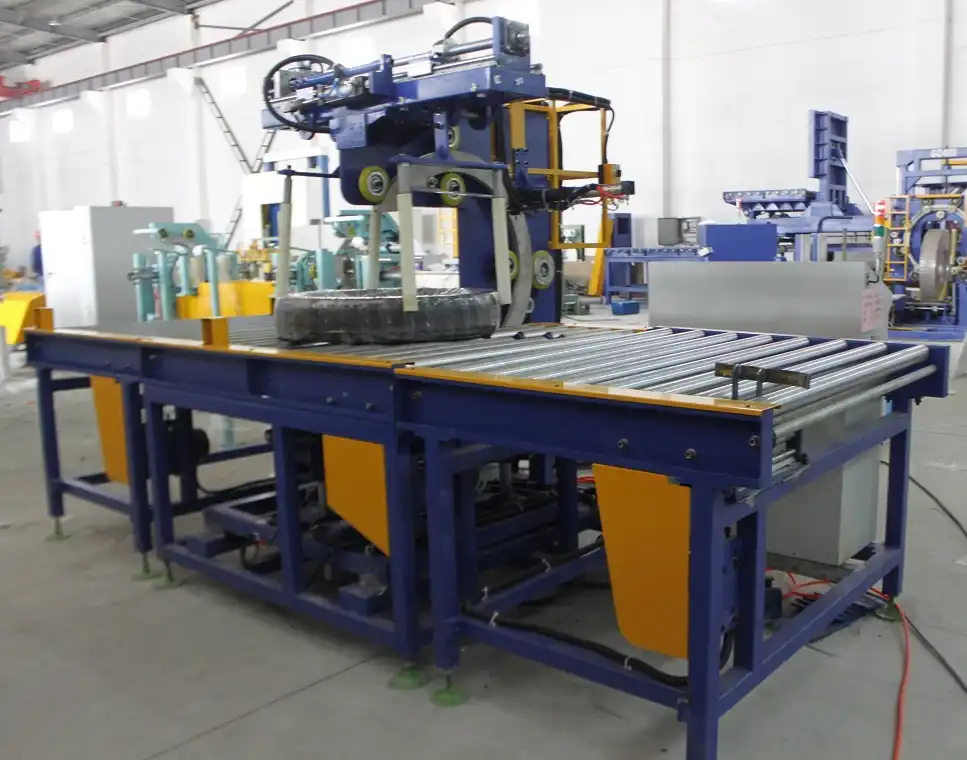
When I built my packing machine factory, automation was key. I saw how manual processes created bottlenecks. They increased safety risks. They also led to inconsistent quality. I learned that investing in the right machines pays off quickly. It pays off not just in speed, but in overall efficiency and safety. For factory managers in Thailand, facing rising labor costs and strict safety standards, automation is not just an option. It is a necessity. It is the path to sustainable growth. My experience showed me that automation frees up your skilled workers. It lets them focus on higher-value tasks. It also gives you consistent, high-quality output every time.
Implementing automated coil wrapping machines brings a range of tangible benefits that directly address the challenges faced by many manufacturers in Thailand. These gains translate into a healthier bottom line and a more efficient, safer workplace.
Key Benefits of Coil Wrapping Automation for Thai Factories
Automation changes how you operate. It moves you from reactive problem-solving to proactive efficiency.
-
Significant Labor Cost Reduction:
- Fewer Workers Needed: Automated systems need fewer operators than manual wrapping lines. This directly reduces your payroll expenses.
- Reduced Overtime: With faster and more efficient packing, you can meet production targets without costly overtime shifts.
- Reallocation of Labor: Workers can be moved to other areas where human skill is irreplaceable. This optimizes your workforce.
-
Dramatic Improvement in Worker Safety:
- Minimized Manual Handling: Workers no longer lift or maneuver heavy coils for wrapping. This eliminates a primary cause of back injuries, strains, and crushed limbs.
- Reduced Repetitive Strain: Automated tasks remove the repetitive movements that can lead to long-term injuries.
- Safer Work Environment: A cleaner, more organized packing area means fewer trip hazards and overall safer conditions. This also lowers insurance costs and employee turnover, a common challenge for factories like those in Thailand.
-
Reduced Product Damage and Waste:
- Consistent Protection: Machines apply film with precision and consistent tension. This creates a superior, uniform barrier against damage.
- Fewer Rejects: The strong, protective wrap significantly reduces the chance of scratches, dents, and environmental damage. This means fewer coils are rejected by customers or sent to scrap.
- Better Product Presentation: A professionally wrapped coil looks better. It also enhances your brand image. This helps with customer satisfaction.
-
Increased Production Throughput:
- Faster Wrapping Cycles: Automated machines complete wrapping tasks much faster than manual labor. This speeds up the end-of-line process.
- Elimination of Bottlenecks: Manual packaging often slows down the entire production line. Automation removes this bottleneck, allowing for continuous flow.
- Higher Output Capacity: Your factory can process more coils in the same amount of time. This helps you meet growing market demands in Thailand and beyond.
-
Positive Return on Investment (ROI):
- Cost Savings Accumulate: The savings from reduced labor, less waste, and fewer customer complaints add up quickly.
- Improved Efficiency Drives Profit: A more efficient operation can take on more orders. It can also operate at a lower cost per unit. This directly boosts profitability.
- Long-Term Value: A reliable and safe packaging process builds a stronger, more resilient business for years to come.
I have seen factory managers, just like Michael Chen, initially hesitate about the investment. But once they see the numbers, they understand. The benefits far outweigh the initial cost. From my experience helping clients in the packing machine industry, I know that these machines are not just about wrapping. They are about building a more efficient, safer, and profitable future for your factory in Thailand.
Conclusion
Coil wrapping machines are vital for Thai factories. They protect steel and aluminum coils from damage, cut costs, and boost safety. This investment ensures product integrity and business growth.








