
Coil Wrapping Machine in Singapore: How Can It Enhance Export Packaging?
When I started my journey in the packing machine industry, I saw many factories struggling. They worked hard, but inefficient processes often held them back. Is your factory in Singapore feeling this pinch, especially with your valuable coils destined for export? Are you finding that old packing methods are slowing you down, costing you more, and even risking your team’s safety?
A coil wrapping machine significantly enhances export packaging in Singapore by automating a traditionally manual, labor-intensive process, leading to faster throughput, superior product protection against transit damage, and improved worker safety, all crucial for maintaining competitiveness and meeting strict international shipping standards. This automation directly addresses common export challenges like efficiency bottlenecks and product damage, ensuring your coils arrive at their destination in perfect condition.

I have seen firsthand how the right equipment can transform an entire operation. So, if you are looking to streamline your export packaging in Singapore and beyond, let me share some insights I have gained over the years. We will explore how modern coil wrapping solutions can solve your biggest export challenges.
1. Why is Manual Coil Packing a Bottleneck for Singapore’s Exports?
Have you ever watched your production line moving smoothly, only to see everything slow down at the very end, right at the packing station? This is a common problem I saw in many factories, and it truly hurts export readiness. Relying on manual labor for packing heavy coils, especially when they are meant for international customers, creates serious delays.
Manual coil packing becomes a significant bottleneck for Singapore’s exports because it is inherently slow, labor-intensive, and prone to inconsistencies, directly impacting a factory’s ability to meet tight shipping schedules and increasing overall operational costs through overtime and inefficient resource allocation. This traditional method struggles to keep up with high production volumes, leading to backlogs that delay goods reaching their export vessels.
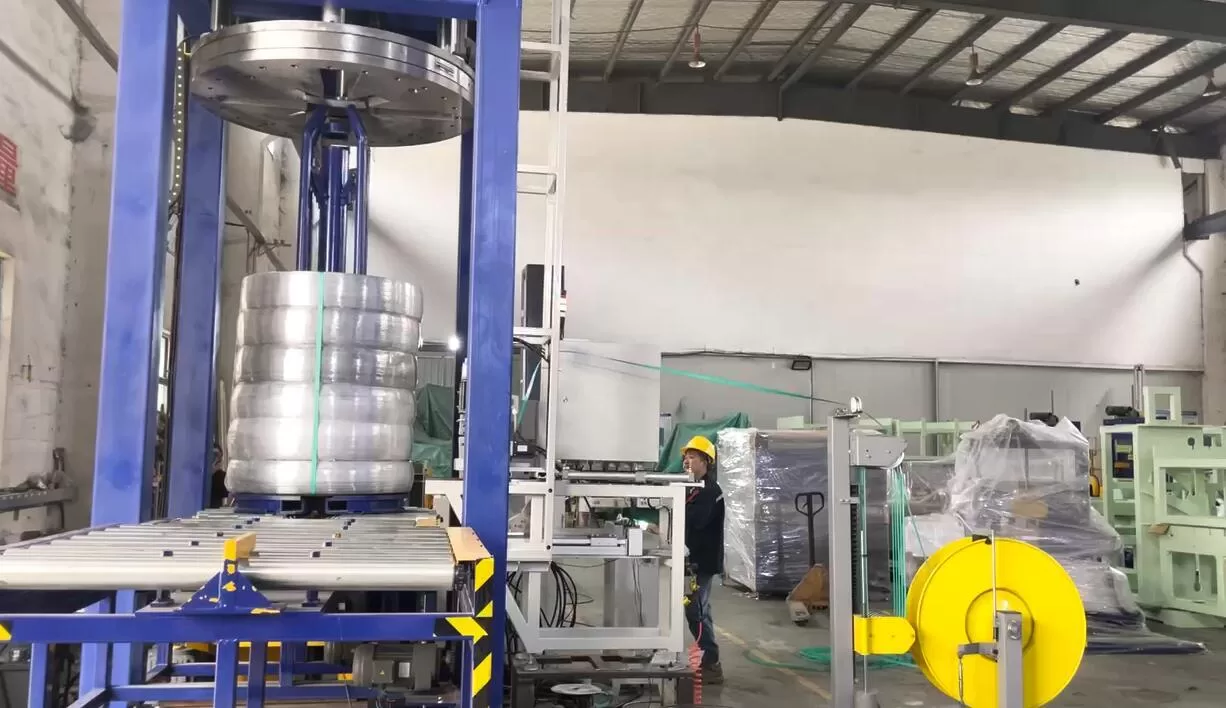
When I was first starting out, even in my own factory, we sometimes faced these bottlenecks. I know the pressure to get orders out on time. Manual processes might seem cheaper upfront, but they carry many hidden costs that add up quickly, especially when you are preparing goods for export from a busy port like Singapore.
The Hidden Costs of Manual Export Packing
Many factory managers, like my friend Michael Chen from Mexico, often tell me about the challenges they face with manual processes. They understand the need for change. Let us break down the real costs beyond just wages.
A. Efficiency and Throughput Loss
Manual packing means people physically move around, wrap, and secure each coil. This takes time. For high-volume export operations, this time quickly translates into lost production capacity.
- Slow Speeds: Human hands simply cannot match the speed of a machine designed for repetitive tasks. This creates a backlog.
- Inconsistent Output: One worker might be faster or more skilled than another. This leads to varied packing times and quality.
- Increased Overtime: To meet export deadlines, factories often resort to costly overtime pay, eating into profit margins.
- Delayed Shipments: Missed deadlines can mean missing vessel departure times. This results in storage fees, rebooking costs, and unhappy customers. For Singapore, a key logistics hub, such delays are particularly damaging to reputation and reliability.
B. Labor Dependence and Costs
The reliance on a large workforce for packing heavy coils brings its own set of problems.
- High Labor Costs: Singapore has a competitive labor market. High manual labor demand in packing contributes to increased operational expenses.
- Staffing Challenges: Finding and retaining enough skilled labor for physically demanding packing jobs is difficult. Employee turnover can be high. This means constant training and lower productivity.
- Training Time: New employees need time to learn packing methods, which further slows down initial output.
C. Quality and Consistency Issues
Manual packing, by its nature, is less consistent than machine packing. This becomes a big issue for export.
- Varying Wrap Quality: Some coils might be wrapped tightly, others loosely. This impacts protection during transit.
- Material Wastage: Human error can lead to using too much wrapping film or incorrect application, increasing material costs.
- Poor Presentation: For export, the product’s first impression matters. Neatly packed coils reflect professionalism. Inconsistent manual packing can look unprofessional.
Consider this table, comparing manual versus automated coil packing:
| Feature | Manual Coil Packing | Automated Coil Packing |
|---|---|---|
| Speed | Slow and variable, dependent on human effort | Fast and consistent, high throughput |
| Consistency | Prone to human error, varying quality of wrap | Uniform and precise, ensures consistent protection |
| Labor Cost | High, includes wages, benefits, overtime | Lower per unit, primarily maintenance and supervision |
| Safety Risk | High, involves heavy lifting and repetitive strain | Low, minimal human interaction with heavy machinery |
| Material Use | Potentially high waste due to inconsistent application | Optimized film usage, less waste |
| Throughput | Limited by human speed and endurance | High, designed for continuous operation |
| Downtime Impact | High, absence or injury of key personnel can halt packing | Predictable, scheduled maintenance, quick fault recovery |
My own experience taught me that investing in automation is not just about buying a machine; it is about investing in your factory’s future capability. It makes your operations predictable and reliable, which is what international clients expect.
2. How Can Coil Wrapping Machines Protect Your Products for International Shipping?
You have put a lot of effort into making quality coils. The last thing you want is for them to get damaged on their long journey from Singapore to an overseas client. Manual packing often falls short here. It is simply not designed to offer the robust protection needed for rough handling during international transit.
Coil wrapping machines offer superior product protection for international shipping by applying a consistent, tight, and multi-layered wrap that shields coils from moisture, dust, scratches, and impact damage, significantly reducing the risk of product loss and customer complaints during long-distance transportation. This advanced wrapping capability ensures that valuable metal products, like steel or wire coils, arrive in pristine condition, preserving their quality and value upon delivery.
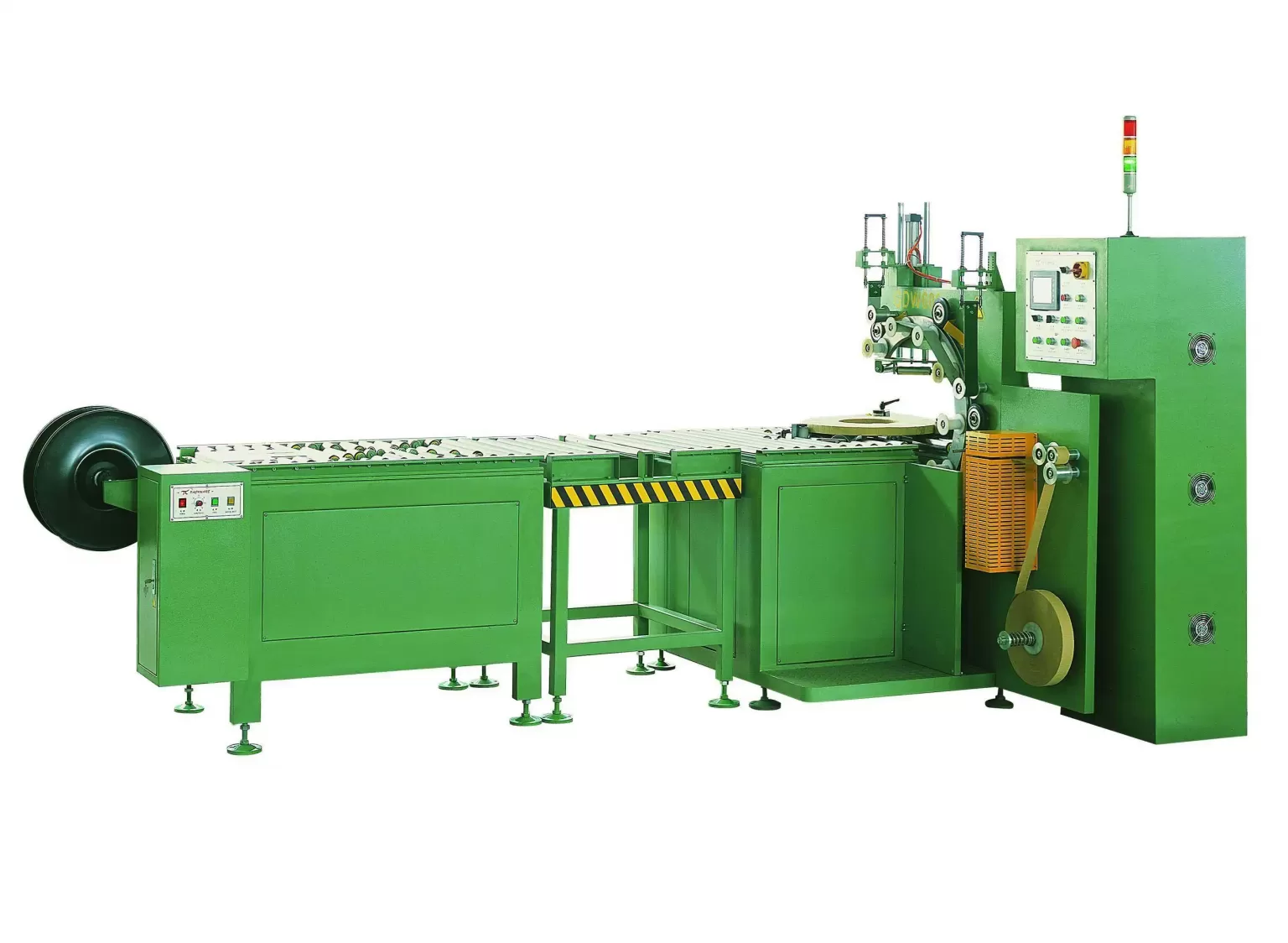
I remember one client who was constantly dealing with complaints about damaged coil edges. They thought they were doing enough, but their manual process just could not handle the stress of export logistics. We worked with them to implement a machine, and the results were clear: fewer complaints and happier customers. This is crucial for any business, especially one looking to build a strong export reputation from Singapore.
The Science of Superior Coil Protection
When a coil leaves your factory in Singapore, it faces many potential hazards before it reaches its destination. These hazards include changes in humidity, exposure to dust, impacts during loading and unloading, and general wear and tear from movement. A well-designed coil wrapping machine tackles these challenges head-on.
A. Comprehensive Barrier Against Elements
- Moisture and Rust Prevention: This is critical for metal coils. Automated wrapping machines apply stretch film or other protective layers that seal the coil. This creates an effective barrier against humidity and rain, preventing rust formation which can devalue the product.
- Dust and Dirt Shield: During transit, coils can accumulate dust and dirt, especially in open storage or during port transfers. The tight, continuous wrap keeps these contaminants out, ensuring the coil remains clean.
- UV Protection (Optional Films): For coils stored outdoors, specialized films can offer UV resistance, preventing degradation of surface treatments or the coil itself over extended periods.
B. Physical Damage Mitigation
The journey across oceans and continents is not always gentle. Coils can experience bumps, scrapes, and abrasions.
- Scratch and Scuff Resistance: The outer layers of film absorb minor impacts and friction, protecting the coil’s surface from scratches and scuffs that occur from shifting cargo or handling equipment.
- Edge Protection: Coil edges are particularly vulnerable. A good coil wrapping machine can apply wraps that specifically reinforce these delicate areas, preventing costly edge damage, which was a big issue for Michael Chen.
- Load Stability: A tightly wrapped coil is more stable. This reduces the chances of the coil unraveling or shifting during transport, which could lead to damage not just to the coil itself, but also to other cargo.
C. Consistent and Optimal Wrapping Tension
This is where automation truly shines over manual methods.
- Uniform Application: Machines apply film with consistent tension and overlap. This means every part of the coil receives the same level of protection. Manual wrapping often leads to uneven tension, with some areas being too loose (less protected) and others too tight (potential for film tearing).
- Optimized Material Use: While providing superior protection, machines can also be calibrated to use the optimal amount of film, reducing waste. This balance of protection and efficiency is vital for controlling costs in export operations.
The difference in protection between a manually wrapped coil and a machine-wrapped coil is stark. For a product destined for export from Singapore, where a perfect arrival condition is expected, this level of protection is not just a luxury; it is a necessity. It protects your product, your reputation, and your bottom line.
3. Does Automation Really Make Export Packaging Safer in Singapore?
I have spent many years on factory floors. I have seen firsthand the risks workers face, especially when handling heavy items like coils. Safety is not just a buzzword; it is about protecting lives and preventing injuries. Many factory managers, like Michael, are constantly worried about the safety of their teams. Manual coil packing is one of the riskiest jobs in any factory.
Yes, automation significantly enhances safety in export packaging in Singapore by removing workers from direct contact with heavy coils during the wrapping process, drastically reducing the risk of musculoskeletal injuries, crushing accidents, and repetitive strain injuries associated with manual handling. By integrating coil wrapping machines, factories create a safer work environment, lower insurance costs, and improve employee morale, which is critical for sustainable operations.
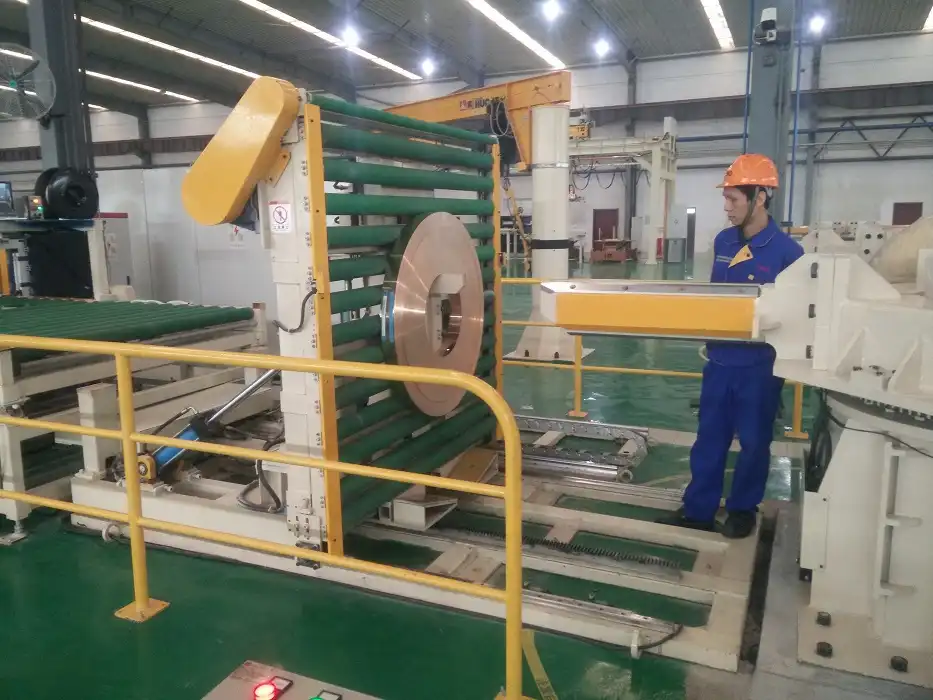
I know the feeling of responsibility for a team. When I established my own factory, ensuring the safety of my employees was always a top priority. Manual handling of heavy and awkward items like coils is a recipe for disaster. Investing in automation is not just good for business; it is good for your people. It allows them to focus on safer, more skilled tasks.
Mitigating Risks with Automated Solutions
Let us look at the specific ways an automated coil wrapping machine improves safety. It goes beyond just reducing physical strain; it transforms the entire safety culture of a packing operation.
A. Eliminating Heavy Lifting and Awkward Movements
The primary safety benefit of automation is removing the need for workers to physically lift, turn, or manipulate heavy coils.
- Reduced Musculoskeletal Injuries: Manual packing of coils involves repetitive bending, twisting, and lifting. These actions are a leading cause of back injuries, shoulder strain, and other musculoskeletal disorders. Machines perform these tasks.
- Prevention of Crushing Accidents: Moving heavy coils manually always carries the risk of a coil rolling or falling, leading to severe crushing injuries. Automated systems use conveyors, turntables, and robotic arms to handle coils, keeping human operators at a safe distance.
- Lowered Repetitive Strain Injuries (RSIs): Constant repetitive motions involved in manual wrapping can lead to carpal tunnel syndrome and other RSIs. Automation eliminates these repetitive manual tasks.
B. Creating a Controlled and Predictable Environment
Automated machines operate within defined safety parameters and have built-in safety features.
- Guardings and Interlocks: Modern coil wrapping machines come with safety guardings, light curtains, and interlocks. These features prevent access to moving parts during operation. They ensure the machine stops if an operator gets too close or if a safety door is opened.
- Emergency Stop Buttons: Readily accessible emergency stop buttons allow for immediate shutdown in case of any unexpected situation.
- Reduced Human Error: Many accidents stem from human error due to fatigue, distraction, or misjudgment. Automation removes these variables from the core packing process.
C. Impact on Workforce and Business
The positive effects of improved safety extend beyond individual workers.
- Decreased Insurance Premiums: Fewer workplace injuries mean fewer claims. This can lead to lower workers’ compensation insurance costs for your factory in Singapore.
- Improved Employee Morale: When workers feel safe, they are happier and more productive. This reduces staff turnover, a problem Michael Chen faced, and fosters a more positive work environment.
- Compliance with Safety Regulations: Singapore, like other developed nations, has strict occupational safety and health (OSH) regulations. Automated systems help factories comply with these standards, avoiding penalties and legal issues.
Here is a quick look at the safety comparison:
| Safety Aspect | Manual Coil Packing Risks | Automated Coil Packing Benefits |
|---|---|---|
| Physical Strain | High risk of back, shoulder injuries; RSIs | Virtually eliminates physical strain from packing |
| Crushing Hazards | Significant risk from moving/falling heavy coils | Coils handled mechanically, human interaction minimal |
| Accident Potential | High due to human error, fatigue, proximity to coils | Reduced by safety features, controlled environment |
| Worker Morale | Can be low due to dangerous, strenuous work | Improved due to safer, less physically demanding roles |
| Insurance Costs | Potentially higher due to injury claims | Potentially lower due to reduced accident rates |
For me, helping a factory manager like Michael understand that automation is not just about speed, but about truly caring for his team, is very important. It builds a more sustainable and ethical business.
4. How Do You Choose the Best Coil Packing Partner in Singapore for Long-Term Growth?
After understanding the benefits of automated coil wrapping, the next big question for factory managers in Singapore is: how do I pick the right supplier? This is not just about buying a machine; it is about finding a long-term partner who truly understands your needs. I have seen many businesses struggle because they chose a supplier focused only on making a quick sale, without offering real support.
Choosing the best coil packing partner in Singapore for long-term growth means looking beyond just the machine’s price tag and focusing on a supplier’s deep industry knowledge, proven track record, robust after-sales support, and a genuine commitment to understanding and solving your specific operational challenges. A true partner, like FHOPEPACK, provides not only reliable equipment but also expert consultation and continuous service, ensuring your investment truly drives efficiency and growth.
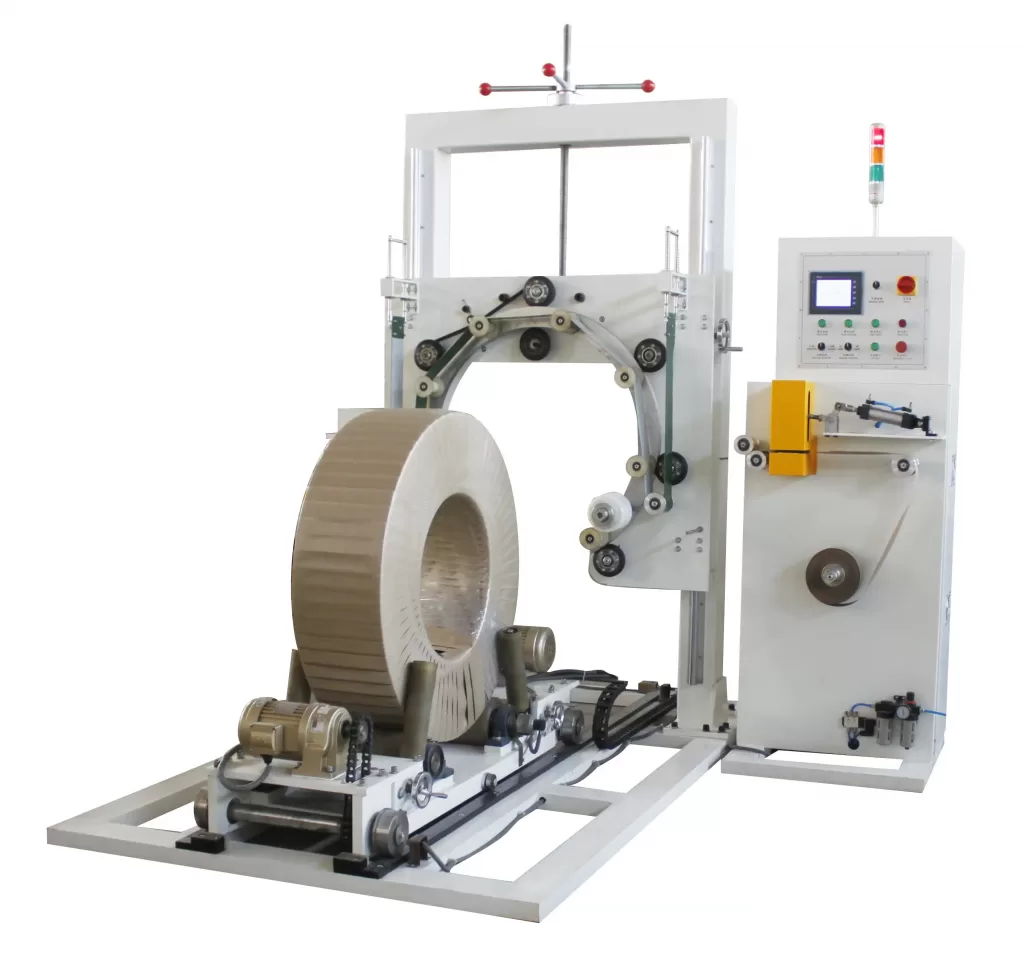
When I built my own packing machine factory, I learned that trust and expertise are everything. Michael Chen shared his past frustrations with suppliers who offered poor after-sales service. I understand this deeply. My goal for FHOPEPACK is to be that reliable, knowledgeable partner that helps you grow, just as my own journey helped me. You need someone who has walked in your shoes.
Key Criteria for Vetting Your Packing Machine Partner
Selecting a supplier for such a critical investment requires careful consideration. It is not just about the machine itself, but the entire support system that comes with it. Here are the crucial aspects I always advise businesses to look at:
A. Deep Industry Expertise and Understanding
This is perhaps the most important factor. Does your potential partner truly understand the coil packing industry, its nuances, and the specific challenges of exporting from Singapore?
- Proven Experience: Look for a company with a long history in packing machines, especially for heavy industries like steel or wire. My own background, starting as an engineer and then building a factory, means I understand the entire lifecycle of a packing operation.
- Solution-Oriented Approach: A good partner does not just sell machines. They listen to your problems (like Michael’s efficiency bottlenecks or safety concerns) and propose tailored solutions, not just generic products. They should be able to offer insights into how their machines integrate into your existing production line.
- Knowledge of Export Requirements: For Singapore, understanding international shipping standards, packaging regulations, and transit challenges is vital. Your partner should be able to guide you on how their machines meet these demands.
B. Robust After-Sales Service and Support
A machine is only as good as the support behind it. This covers installation, training, maintenance, and spare parts.
- Installation and Commissioning: Ensure the supplier provides professional installation and thorough commissioning services to get your machine running optimally.
- Operator Training: Comprehensive training for your staff is essential. Your team needs to understand how to operate and perform basic maintenance on the machine safely and efficiently.
- Availability of Spare Parts: What is the lead time for critical spare parts? Long waits can lead to costly downtime. A reliable partner will have readily available parts or a clear plan for sourcing them quickly.
- Technical Support: Is there a dedicated support team? Can they offer remote diagnostics or on-site visits when needed? This is critical for minimizing disruptions.
C. Quality and Reliability of Equipment
This might seem obvious, but it is worth emphasizing. The machine itself must be durable and reliable.
- Construction Quality: Inspect the machine’s build. Is it made from robust materials designed for industrial environments? My machines at FHOPEPACK are built to withstand the rigorous conditions that Michael Chen mentioned in his factory.
- Performance Guarantees: Does the supplier offer performance guarantees or warranties? This shows their confidence in their product.
- Customization Options: Can the machine be customized to fit your specific coil sizes, weights, or production line layout? A good partner offers flexibility.
D. Transparent Communication and Trust
Building a long-term relationship requires open and honest communication.
- Clear Pricing: Understand all costs upfront, including installation, training, and maintenance contracts.
- Realistic Expectations: A reliable partner will set realistic expectations about machine capabilities, installation timelines, and ROI.
- References and Case Studies: Ask for references or case studies from other clients, especially those in Singapore or similar export-focused industries. This helps verify their claims.
My promise with FHOPEPACK is to be a partner who understands your challenges because I have faced them myself. I am here to share my knowledge and help you make smart investments that truly propel your business forward, especially in a competitive export market like Singapore.
My Insights!
When I reflect on my journey from a factory employee to building a successful packing machine business, one thing stands out: true success comes from understanding the core problems and offering real solutions. For factories in Singapore looking to enhance export packaging, this means looking beyond just a “coil wrapping machine” and seeing it as a strategic investment in efficiency, safety, and product integrity. My experience has taught me that these machines are not just about wrapping; they are about securing your business’s future in the global market, ensuring your commitment to quality is evident from the moment your product is packed until it reaches your customer’s door. This long-term vision, combined with reliable technology and expert partnership, is the key to unlocking your full export potential.
Conclusion
Embracing coil wrapping machines in Singapore fundamentally boosts export packaging by enhancing efficiency, ensuring product safety, and significantly improving worker safety, securing your market position.








