
How Can an Orbital Wrapping Machine Improve Packaging Protection for Steel Pipes and Tubes in the UK?
You manage a busy factory. You know the drill. Daily operations bring constant pressure. You aim to boost output and keep costs low. You also must meet strict safety rules. Manual tasks slow things down. They put your team at risk. And they often damage valuable products. These issues hit hard. They affect your bottom line and your reputation. In the demanding UK market, these problems are even bigger. They make it hard to stay competitive.
An orbital wrapping machine can significantly improve packaging protection for steel pipes and tubes. It wraps products securely and efficiently. This reduces manual handling. It lowers the risk of worker injury. It also prevents damage to materials during transport and storage. For UK steel manufacturers, this means higher safety, lower costs, and better product quality.

You are looking for solutions. You want equipment that works well. You need it to be reliable. You also need a partner who understands your challenges. I know these problems well. I have spent years in this industry. I built my own factory. I saw firsthand what works and what does not. Let me share how orbital wrapping can change your operations for the better.
How Do Manual Packaging Methods Hurt UK Steel Pipe and Tube Operations?
Imagine your packing line. Workers handle heavy steel pipes and tubes. They wrap them by hand. This takes a lot of time. It ties up many people. It also creates a bottleneck at the end of your production line. This slows down everything. It makes it hard to deliver on time. This leads to unhappy customers. It also means lost business opportunities.
Manual packaging methods hurt UK steel pipe and tube operations in several key ways. They cause slow efficiency, high labor costs, significant safety risks, and frequent product damage. These issues directly impact profitability and a factory’s ability to compete in the market.

When I worked on the factory floor, I saw this daily. The pressure to move products faster was always there. But manual methods just could not keep up. This created more than just slow speeds. It led to bigger problems that impacted the whole business. Let us look deeper into these issues.
The True Cost of Manual Labor in Packaging
Manual labor seems cheap at first. But the full picture shows a different story. For steel pipe and tube operations, the hidden costs add up quickly.
- High Labor Costs: In the UK, labor costs are significant. You need many workers to pack heavy items by hand. This increases your payroll. It also means more benefits and overheads. These costs are ongoing. They eat into your profit margins. Automation reduces the number of people needed for this task. This frees up your skilled workers for more complex jobs.
- Reduced Efficiency and Throughput: Human speed has limits. Manual wrapping cannot match a machine. When your packing line is slow, your entire production line slows down. This creates a bottleneck. You cannot ship products fast enough. This leads to delays. It means you miss delivery deadlines. This hurts your reputation. It also affects your ability to take on new orders. I once had a client in the Midlands. They could only pack 10 tons of steel coils per shift. After we helped them automate, they packed 30 tons. This was a game-changer for their business.
- Inconsistent Quality: Manual wrapping is never perfect. Some packages are tight. Others are loose. This leads to inconsistent protection. A poorly wrapped product is more likely to get damaged. This results in customer complaints. It means you have to replace products. This costs you money and time. Machines provide a consistent wrap every time. They ensure uniform protection.
- Safety Hazards: This is a big one. Moving heavy steel pipes and tubes by hand is dangerous. Workers face risks of back injuries, strains, and cuts. These injuries lead to lost workdays. They raise your insurance costs. They also cause high employee turnover. No manager wants their team to get hurt. Ensuring worker safety is a top priority. My own journey taught me that a safe workplace is a productive workplace. I invested heavily in safety when I built my factory. It paid off.
- Product Damage: During manual handling and wrapping, products can get damaged. Steel pipe ends can get dented. Surfaces can get scratched. Even small damage can make a product unusable. This leads to scrap. It means financial losses. It also makes customers unhappy. They expect perfect products. These issues are not just about money. They are about maintaining high standards in a competitive market like the UK. Investing in better packaging is an investment in your product’s quality and your customer’s trust.
What is an Orbital Wrapping Machine and How Does it Benefit Steel Products?
You may have heard the term “orbital wrapper.” But what exactly does it mean? And how can it help with steel pipes and tubes? Simply put, an orbital wrapping machine is a piece of equipment. It wraps a material (like stretch film) around a product. It does this while the product moves through a central ring. The ring rotates around the product. This creates a secure, continuous wrap.
An orbital wrapping machine is an automated system that wraps stretch film around long or bulky products as they pass through a rotating ring. For steel pipes and tubes, this means a consistent, tight, and protective layer of film. This method offers superior product stability, weather resistance, and damage prevention compared to manual wrapping.
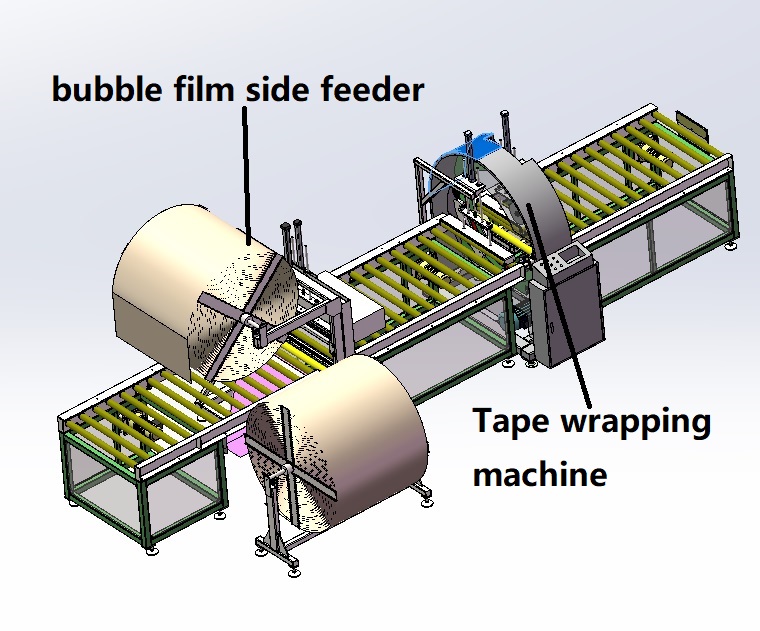
I have seen these machines transform factories. They bring a level of precision and speed that manual methods cannot touch. When I first designed packing lines, finding the right machine was key. The orbital wrapper stands out for certain products. Let us dig deeper into how this technology works and its direct benefits for your steel products.
The Mechanics and Advantages of Orbital Wrapping
An orbital wrapping machine works on a simple but effective principle. The product, such as a bundle of steel pipes, enters the machine. It passes through the center of a large, rotating ring. This ring holds a roll of stretch film. As the product moves, the ring spins around it. This wraps the film tightly. The process repeats. This builds multiple layers of film around the product.
- How it Works:
- Horizontal Feed: Most orbital wrappers for steel pipes are horizontal. The pipes or tubes are fed horizontally into the machine.
- Rotating Ring: A large ring, often vertical, spins around the product’s path.
- Film Dispensing: A carriage on the ring holds the stretch film. As the ring spins, the film is pulled from the roll and applied to the product.
- Overlap Control: The machine controls how much each layer of film overlaps the last. This ensures a consistent and secure wrap. You can adjust this for different protection levels.
- Tension Control: The machine also controls the film tension. This makes sure the wrap is tight. It holds the product securely together.
- Benefits for Steel Pipes and Tubes:
- Superior Protection: The multiple, overlapping layers of stretch film create a strong barrier. This protects steel pipes from dust, moisture, and minor impacts. This is vital for outdoor storage or long-distance shipping in the unpredictable UK weather.
- Product Stability: The tight wrap bundles the pipes firmly. This prevents them from shifting or moving during transport. Loose items can bang against each other. This causes damage. An orbital wrapper keeps everything secure.
- Corrosion Prevention: Steel is prone to rust. A good wrap keeps moisture out. You can even use specialized anti-corrosion films. This adds an extra layer of defense against rust and oxidation. This is crucial for maintaining product quality in a humid climate.
- Visual Appeal: A neatly wrapped package looks professional. It tells your customers you care about quality. This attention to detail builds trust. It makes your brand look better.
- Customization: Orbital wrappers are versatile. They can handle different lengths and diameters of pipes. You can adjust film tension, overlap, and wrapping speed. This allows you to tailor the wrap to your specific product needs. For example, thicker gauge pipes might need more layers of film.
- Reduced Material Waste: With precise control, these machines use film efficiently. They minimize waste compared to manual methods. This saves you money on packaging materials. This also aligns with sustainability goals, which are becoming more important for UK businesses.








