

How Can a Pallet Changer Reduce Forklift Dependency in Daily Operations?
Picture a busy warehouse, goods flowing in and out, constantly pushing against deadlines. You see forklifts moving everywhere, operators working long shifts. This scene is common, but it also highlights a big problem: heavy reliance on these machines and the manual labor that comes with them. This dependence brings high costs, safety risks, and slows down your entire process. (warehouse operational challenges)
A pallet changer significantly reduces forklift dependency by automating the process of transferring goods from one pallet type to another or replacing damaged pallets, minimizing the need for manual intervention and freeing up forklifts for other essential tasks. This shift boosts efficiency and makes your warehouse safer by cutting down on repetitive, risk-prone manual handling.

As someone who started on the factory floor and then built a successful packing machine business, I have seen firsthand how much impact small changes can make. We at FHOPEPACK want to share knowledge to help you improve your operations. Let’s explore how a pallet changer can transform your daily warehouse activities. (automated material handling benefits)
Why is Reducing Forklift Dependency a Critical Goal for Modern Warehouses?
Think about the daily grind in a busy distribution center. Every movement involves a forklift. This constant activity often leads to bottlenecks, higher costs, and increased risks. Is your warehouse truly optimized when so much hinges on manual equipment? (warehouse efficiency concerns)
Reducing forklift dependency is a critical goal for modern warehouses because it directly addresses escalating labor costs, mitigates accident risks, improves operational flow, and enables greater automation, leading to a more streamlined and cost-effective supply chain.
n

When I first started in the packing machine industry, I saw warehouses where forklifts were everywhere. People spent hours moving items, often in ways that were not safe. Today, with rising labor costs and demands for faster service, relying too much on forklifts is no longer sustainable. We need smarter ways to work. (modern logistics challenges)
Modern warehouses, especially those handling international logistics or high volumes like a food and beverage group in Europe, face immense pressure. The goal is to move thousands of pallets daily, ensuring compliance and cost-effectiveness. The traditional model of heavy forklift use, while necessary for some tasks, becomes a bottleneck when it comes to pallet changing. This is where the core problem lies.
Reducing this dependency is not just about cutting costs; it is about building a more resilient and efficient operational backbone.
Here are key reasons why this reduction is so important:
- 💰 Cost Reduction:
- Labor Expenses: Forklift operation requires skilled and often specialized labor. Reducing forklift dependency means fewer operators are needed for specific tasks, directly lowering wage bills and overtime costs. In places like Spain, where labor costs are significant, this can make a big difference.
- Maintenance & Fuel: Forklifts need regular maintenance, fuel (or electricity), and parts. Less time spent on redundant tasks translates into lower running costs for the machines themselves. This contributes to overall operational savings.
- Insurance Premiums: Fewer forklift movements and reduced manual handling directly lower the risk of accidents, which can lead to reductions in insurance premiums.
- 📉 Enhanced Safety:
- Fewer Accidents: Forklifts are powerful machines. Accidents involving forklifts are common and can result in serious injuries, product damage, or even fatalities. Minimizing their use, especially in repetitive pallet transfer tasks, inherently lowers these risks. I have seen too many incidents that could have been avoided with better automation.
- Reduced Strain Injuries: Manual pallet changing or repositioning often involves awkward lifting and maneuvering, leading to musculoskeletal injuries for workers. A pallet changer takes this strain away, creating a safer work environment for your team. This is a big win for employee well-being.
- ⚡ Improved Efficiency and Throughput:
- Faster Processes: Automated pallet changing systems operate much faster and more consistently than manual methods involving forklifts. This speeds up the entire handling process, allowing for quicker dispatch and receipt of goods. This is crucial for meeting tight delivery schedules from e-commerce and retail clients.
- Optimized Space Usage: Less forklift movement can lead to more organized floor space. It allows for better traffic flow and potentially denser storage arrangements, maximizing the use of your existing warehouse footprint.
- Consistent Quality: Machines perform tasks with higher precision and fewer errors than human operators, ensuring pallets are handled correctly every time. This reduces rework and product damage.
- 🔄 Greater Flexibility and Focus:
- Resource Reallocation: By automating pallet changes, forklifts and their operators can be redirected to other critical, value-adding tasks that still require manual dexterity or heavy lifting. This optimizes the use of your existing fleet.
- Adaptability: A system that can quickly switch between different pallet types (Euro, US, plastic) without extensive manual intervention gives a warehouse significant flexibility to adapt to diverse customer and regulatory requirements. This is vital for international groups. (warehouse operational optimization)
How Do Pallet Changers Directly Address Manual Handling and Forklift Use?
Are you tired of seeing forklifts tied up for simple pallet transfers? Does manual labor slow down your warehouse flow? Many managers feel this frustration, knowing there must be a better way to move goods without heavy lifting and constant machine use. (manual material handling issues)
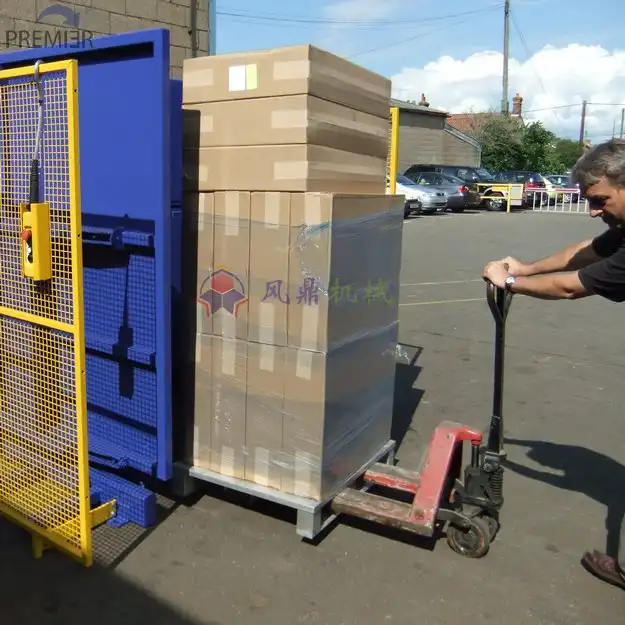
Pallet changers directly address manual handling and forklift use by providing a mechanical solution for load transfer, eliminating the need for operators to physically move goods between different pallet types or exchange damaged pallets using forklifts. This automation streamlines the process, reduces labor, and frees up valuable equipment.
n


In my journey of building FHOPEPACK, I have spoken with countless warehouse and logistics managers. A common story I hear is about the inefficiencies and risks tied to traditional pallet handling. A pallet changer fundamentally changes this story. It shifts a highly labor-intensive, machine-dependent task into a fast, automated process. (warehouse automation solutions)
A pallet changer is a specialized piece of equipment designed to transfer a load from one pallet to another. This is particularly important for businesses like Carlos’s, where different countries demand different pallet specifications (e.g., Euro vs. US pallets for exports). Traditionally, this task involved multiple steps, significant manual effort, and prolonged forklift engagement.
Here is how pallet changers directly impact manual handling and forklift use:
- Eliminating Manual Transfer Operations:
- No Hand-Stacking: Without a pallet changer, switching a load from a wooden pallet to a plastic one, or from a Euro pallet to a US pallet, often means manually unstacking and restacking the goods. This is labor-intensive, time-consuming, and puts workers at risk of injury. A pallet changer bypasses this entirely, holding the product securely while the pallets are swapped. This avoids the need for human hands to touch each item.
- Reduced Physical Strain: The mechanical operation handles all the heavy lifting and repositioning. This means warehouse personnel are no longer required to perform strenuous activities like manually flipping loads or lifting heavy cartons from one pallet to another. It significantly improves ergonomics and reduces the risk of injuries.
- Minimizing Forklift Engagement in Pallet Swaps:
- Dedicated Task Automation: Instead of a forklift spending valuable time lifting, lowering, and maneuvering pallets for a manual exchange, a pallet changer performs this specific task automatically or semi-automatically. The forklift’s role is reduced to simply bringing the loaded pallet to the changer and then picking up the newly palleted load. This is a much faster and more efficient use of the forklift.
- Freeing Up Forklifts: With a pallet changer handling the exchange, forklifts are freed to perform their primary duties: moving goods to and from storage, loading trucks, or other transportation tasks. This increases the overall availability of your forklift fleet and optimizes their utilization across the warehouse. It means you might need fewer forklifts running continuously for these specific tasks.
- Less Congestion: Fewer forklifts involved in a specific area means less traffic, less congestion, and a smoother flow of goods through the warehouse. This makes the workspace safer and more efficient for everyone.
- Standardizing and Expediting the Process:
- Consistent Operation: Pallet changers perform the exchange process consistently, every time. This reduces errors and ensures that loads are transferred safely and correctly. Manual forklift operations can vary in speed and precision depending on the operator.
- Increased Speed: The speed of a mechanical pallet changer far surpasses any manual method. This rapid exchange ensures that goods can be processed quickly, meeting tight delivery schedules. For a logistics manager like Carlos, who handles thousands of pallets daily, this speed is crucial for maintaining throughput.
- Compliance Assurance: Automated systems can be programmed to handle specific pallet types and loads according to compliance requirements, ensuring that the correct pallets are always used for export or internal transfers without manual oversight errors. (automated pallet transfer systems)
Can Pallet Changers Truly Enhance Safety and Cut Operational Costs?
Are your warehouse safety records a constant worry? Do rising labor expenses eat into your profit margins? Many businesses struggle with the twin pressures of ensuring worker safety and keeping costs down. Is there a single solution that can address both? (warehouse safety improvements)
Pallet changers truly enhance safety by eliminating hazardous manual handling, reducing forklift-pedestrian interactions, and minimizing product damage, while simultaneously cutting operational costs through decreased labor dependency, reduced injury claims, and optimized equipment utilization.
n
From my own experience, establishing a successful factory and seeing many clients grow their businesses, I have learned that safety and cost efficiency are two sides of the same coin. An unsafe operation eventually becomes a costly one. A pallet changer offers a clear path to improvement on both fronts. (cost-effective safety solutions)
For a warehousing and logistics manager like Carlos Rodríguez, ensuring safety is not just a moral obligation; it is a critical business imperative. Accidents lead to downtime, investigations, insurance claims, and potential regulatory fines. Similarly, operational costs, especially labor, are under constant scrutiny. Pallet changers provide a direct and measurable impact on both.
Let’s break down how pallet changers achieve these dual benefits:
- 🚧 Enhancing Safety Measures:
- Eliminating Manual Flipping/Turning: One of the most dangerous tasks in a warehouse is manually flipping or turning heavy loads on pallets. This often involves using forklifts in unsafe ways or workers struggling with cumbersome goods. Pallet changers, particularly inverter models, mechanically rotate or invert loads without any manual human intervention in the danger zone. This completely removes the risk of goods tipping over or workers being crushed. Carlos specifically mentioned accidents from manual flipping.
- Reducing Forklift-Pedestrian Interaction: Less reliance on forklifts for pallet exchange means fewer forklift movements in specific areas. This naturally reduces the chances of forklifts colliding with pedestrians, other equipment, or racking systems. A clearer floor means a safer environment for everyone.
- Preventing Product Damage: Manual handling and clumsy forklift maneuvers often result in damaged goods. A pallet changer holds the load securely throughout the transfer process, significantly reducing the risk of items falling, shifting, or being crushed. This protects your inventory and reduces costly write-offs.
- Improved Ergonomics: Workers are no longer subjected to repetitive strain injuries from bending, lifting, or awkward twisting motions associated with manual pallet transfers. This improves their long-term health and reduces sick days.
- 💲 Cutting Operational Costs:
- Reduced Labor Dependency: This is perhaps the most significant cost saving. By automating the pallet change process, you can reduce the number of employees required for this specific task. This addresses the challenge of rising labor costs and the difficulty in finding workers for demanding physical jobs. The labor savings can be substantial over time.
- Lower Insurance and Compensation Costs: Fewer accidents mean fewer worker’s compensation claims, lower insurance premiums, and reduced legal costs associated with workplace injuries. This directly impacts your bottom line. My clients have seen tangible reductions in these areas.
- Optimized Equipment Utilization: Forklifts are expensive assets. When they are not tied up performing pallet exchanges, they are available for other core functions. This improves their overall utilization, potentially reducing the need for additional forklift purchases or rentals, and extending the life of your current fleet.
- Faster Throughput, Fewer Penalties: Quicker pallet changes mean faster order fulfillment. This helps avoid late delivery penalties and maintains customer satisfaction, which indirectly saves costs by preventing business loss. Carlos knows that slow processes can lead to contract penalties and lost clients.
- Reduced Product Loss: By minimizing product damage during transfer, you save money on replacement costs and waste disposal. This also maintains product integrity, which is vital for food and beverage products. (warehouse cost reduction strategies)
What Pallet Changer Solutions Exist for Diverse Pallet Specifications?
Does your warehouse constantly switch between Euro, US, and plastic pallets? Are you struggling to find a single system that handles all these variations efficiently and without errors? Many logistics managers face this complex challenge, trying to meet varied international demands. (multi-pallet handling challenges)
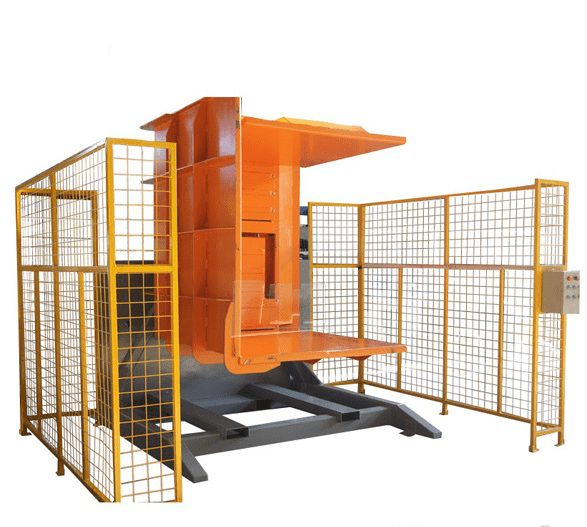
Various pallet changer solutions exist for diverse pallet specifications, including 90-degree tippers, 180-degree inverters, and side press models, each designed to accommodate different load types and pallet sizes like Euro, US, and plastic pallets, ensuring seamless transitions while maintaining load integrity.
n

When I founded FHOPEPACK, one of the biggest needs I saw was flexibility. Businesses rarely use just one type of pallet. From my years in the packing machine industry, I learned that a good solution must adapt to many needs, not just a few. This adaptability is key for multinational operations. (flexible material handling equipment)
Carlos Rodríguez, operating a regional distribution center for a multinational food and beverage group, perfectly exemplifies the challenge of diverse pallet specifications. His daily operations demand frequent switching between Euro pallets, US pallets, and even plastic pallets. A versatile pallet changing solution is not just an advantage; it is a necessity for compliance, efficiency, and customer satisfaction.
Here are the primary pallet changer solutions that address these diverse needs:
- 🔄 180-Degree Pallet Inverters:
- Function: These machines clamp the load and then rotate it 180 degrees, allowing for the easy removal of the original pallet and replacement with a new one. Some models can even pick up and transfer the load without fully inverting it.
- Best For:
- Damaged pallet replacement.
- Switching from internal production pallets (e.g., wooden) to shipping pallets (e.g., plastic or hygiene pallets).
- Freezing or tempering products, where rotating the load allows for more even temperature distribution.
- Switching between different sized pallets where the top of the load becomes the bottom.
- Versatility: Most 180-degree inverters can handle a wide range of load weights and sizes. They are highly adaptable to various pallet types (Euro, US, plastic, slave boards) as long as the dimensions fit within the machine’s parameters.
- ↩️ 90-Degree Pallet Tippers (or Upenders):
- Function: These machines tip the load 90 degrees, often used when the product needs to be handled on its side, or when access to the side of the pallet is required for replacement.
- Best For:
- Changing pallets for unstable loads that are better handled when tilted.
- Switching between different pallet standards where a side-access approach is preferred.
- Inverting rolls of paper or wire.
- Versatility: While less common for direct pallet-to-pallet transfers compared to inverters, 90-degree tippers can still accommodate different pallet sizes. Their primary strength is in managing specific product orientations.
- 압 Side Press Pallet Changers (or Grippers/Clamps):
- Function: These systems use side clamps to grip the product, lifting it slightly while the original pallet is removed and a new one is inserted underneath. The product itself remains upright.
- Best For:
- Handling delicate or unstable products that cannot be inverted or tilted.
- Rapid pallet changes where speed and maintaining load orientation are critical.
- Operations where the load height is significant, and inversion might be impractical.
- Versatility: Side press changers are excellent for accommodating a variety of pallet sizes and types without disturbing the product stack. They are particularly effective for food and beverage products that need to remain stable. Some models offer adjustable clamping pressure for different product fragility.
- 🤖 Automatic Pallet Dispenser/Stacker Integration:
- Function: Many pallet changers can be integrated with automatic pallet dispensers and stackers. This means the system can automatically feed new pallets and stack old ones, making the entire process fully automated.
- Best For: High-volume operations seeking maximum automation and minimal human interaction.
- Versatility: This integration enhances the efficiency of any pallet changer type, making it suitable for managing diverse pallet flows in a complex logistical environment.
When considering solutions for diverse pallet specifications, it is vital to assess the specific needs of the product (stability, fragility), the volume of changes, and the existing workflow. A reputable supplier like FHOPEPACK will work with you to understand these nuances and recommend the most suitable machine, whether it’s an inverter, tipper, or side press. (versatile pallet changing equipment)
How Does Pallet Changer Automation Accelerate Warehouse Throughput?
Are your manual pallet transfer processes causing bottlenecks, delaying shipments, and impacting customer satisfaction? Do you feel constant pressure to speed up operations without compromising quality? Many warehouses struggle to meet the demand for faster delivery cycles with traditional methods. (warehouse bottlenecks elimination)
Pallet changer automation accelerates warehouse throughput by significantly reducing the time required for pallet transfers, minimizing manual intervention, eliminating process bottlenecks, and ensuring a continuous, high-speed flow of goods, thereby improving overall operational efficiency and meeting tighter delivery schedules.
n
Throughout my career, I’ve seen how even a few seconds saved per process can add up to huge gains over a day or a week. At FHOPEPACK, our mission is to make these efficiencies accessible. Automation in pallet changing is not just a luxury; it is a necessity for keeping pace in today’s demanding supply chain world. (automated warehouse solutions)
In today’s fast-paced logistics environment, especially with the rise of e-commerce and strict retail client demands, shorter delivery cycles are the norm. Carlos Rodríguez’s challenge of accelerating warehouse processes to meet customer pressure is universal. Pallet changer automation is a powerful tool to achieve this by fundamentally transforming the speed and consistency of pallet handling.
Here is how pallet changer automation dramatically accelerates warehouse throughput:
- ⏱️ Reduced Cycle Times:
- Instant Swaps: Manual pallet changes, often involving forklifts and human labor, can take several minutes per pallet. An automated pallet changer can complete a full cycle (from receiving the loaded pallet to dispatching the new one) in a matter of seconds. This speed difference is critical when you are processing thousands of pallets daily.
- Consistent Performance: Unlike human operators whose speed and efficiency can vary due to fatigue or other factors, an automated system performs at a consistent, optimized speed throughout the entire shift. This predictability is vital for planning and scheduling.
- 🔄 Elimination of Bottlenecks:
- Smooth Flow: Pallet changes are often a choke point in operations, particularly in facilities with diverse pallet requirements. By automating this task, the pallet changer ensures that goods flow smoothly from one stage of the process to the next without waiting for manual intervention. This prevents backlogs from forming.
- Continuous Operation: Many automated pallet changers can operate continuously for extended periods with minimal supervision, unlike manual processes that require breaks. This constant operation capability means higher overall processing volume within a given timeframe.
- 📈 Increased Pallet Handling Capacity:
- Higher Volume: With faster cycle times and consistent performance, a single automated pallet changer can process significantly more pallets per hour than manual methods. This directly translates into higher overall warehouse throughput and increased capacity for handling incoming and outgoing goods.
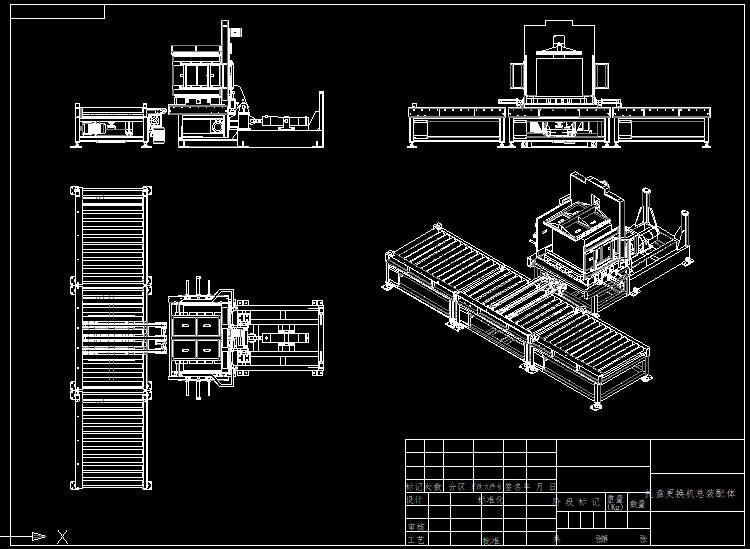
- Scalability: As demand grows, adding more automated pallet changers or integrating them into a larger automated line (like an automatic wooden pallet exchanging line) allows the warehouse to scale its operations without needing a proportionate increase in labor.
- 🎯 Improved Accuracy and Reliability:
- Fewer Errors: Automated systems perform tasks with precision, reducing errors like incorrect pallet placement or product damage, which can lead to costly rework and delays.
- Predictable Downtime: Well-maintained automated systems offer predictable operational cycles and maintenance schedules. This allows for better planning and minimizes unexpected breakdowns that can halt operations and reduce throughput.
- ⚙️ Integration into Automated Lines:
- Seamless Workflow: Pallet changers can be integrated into existing conveyor systems or fully automated production and packaging lines. This creates a seamless workflow from end-of-line packaging through palletizing and pallet changing, eliminating manual transfer points and maximizing efficiency. This is a game-changer for large-scale distribution centers. (automated warehouse throughput)
Why is FHOPEPACK the Right Partner for Your Pallet Changing Needs?
Are you searching for a supplier who truly understands your warehouse challenges and offers flexible, reliable solutions, not just another machine? Have you been disappointed by companies that sell equipment but disappear when you need support? Finding a long-term partner is hard, especially when your operations depend on their expertise. (reliable pallet changer supplier)
FHOPEPACK is the right partner for your pallet changing needs because we bring deep industry expertise from a founder who built a successful packing machine factory, offering reliable, adaptable pallet changer solutions tailored to specific warehouse challenges like diverse pallet specifications and safety concerns, backed by a commitment to long-term support and partnership.
n
My journey from an employee to owning a successful packing machine factory, FHOPEPACK, taught me the true value of understanding client needs. I didn’t just sell machines; I helped clients grow their businesses. Now, through FHOPEPACK, I am dedicated to sharing this knowledge and expertise, ensuring our partners get the best solutions and support. (FHOPEPACK expertise and support)
Carlos Rodríguez’s search for a “long-term partner” who “truly understands warehousing pain points” and provides “flexible solutions” perfectly aligns with what FHOPEPACK offers. We are not just a vendor; we are an extension of your operational team, bringing a wealth of practical experience and a commitment to your success.
Here’s why FHOPEPACK stands out as the ideal partner:
- 🛠️ Deep Industry Expertise and Practical Understanding:
- Founder’s Journey: I, Randal Liu, started on the factory floor and then built a successful packing machine factory. This hands-on experience means I understand the day-to-day challenges of warehouse operations, not just the theoretical aspects. My journey in the packing machine industry, including coil packing, handling machines, and pallet changing machines, gives FHOPEPACK a unique practical perspective.
- Problem-Solving Focus: We do not just sell machines. We listen to your specific problems, like Carlos’s need for diverse pallet handling (Euro, US, plastic) and labor shortages, and then engineer solutions that directly address those pain points. Our goal is to solve your problems, not just move inventory.
- ⚙️ Reliable and Adaptable Pallet Changer Solutions:
- Robust Engineering: Our machines are designed for high-intensity warehouse environments. We focus on reliability, ensuring long-term stable operation, which is critical for demanding food and beverage logistics. We know downtime is costly.
- Versatile Systems: We offer a range of pallet changer models (inverters, side presses, tippers) that can be customized to handle various pallet sizes and load types. This adaptability ensures that your investment meets all your current and future needs, including compliance with different regional standards. Our solutions reduce errors and enhance efficiency.
- Safety Integrated Design: We prioritize human-machine safety in our designs, aiming to replace risky manual operations with secure mechanical processes. This reduces worker injuries and lowers your insurance and compensation risks, a key goal for Carlos.
- 🤝 Commitment to Long-Term Partnership and After-Sales Support:
- Beyond the Sale: Unlike companies that “only sell machines and ignore after-sales,” FHOPEPACK believes in building lasting relationships. We provide comprehensive after-sales support, including installation, training, maintenance, and readily available spare parts. We want to be your go-to resource.
- Client Growth Focus: My personal story includes helping many clients grow their businesses. This philosophy is embedded in FHOPEPACK’s mission. Your success is our success. We want to see your automation levels increase, your costs decrease, and your customer satisfaction soar.
- Knowledge-Sharing Platform: FHOPEPACK is a knowledge-sharing platform. We are dedicated to educating our clients and the industry, ensuring you have the information needed to make informed decisions and optimize your operations. (FHOPEPACK customer success)
Conclusion
Pallet changers are transformative for reducing forklift dependency. They automate critical transfers, improving safety, cutting costs, and speeding up throughput in busy warehouses like Carlos’s. By choosing the right pallet inverter and a committed partner like FHOPEPACK, businesses can achieve significant operational efficiencies and secure a competitive edge.












