
How Automatic Steel Coil Packing Machines Are Transforming Steel Plants Across Southeast Asia?
From my journey in the packing machine industry, I have seen firsthand the pressures factory managers face every day. The constant push for higher output, the relentless focus on cost control, and the critical need to ensure worker safety – these are not just targets, they are the heartbeat of a successful operation. In the dynamic manufacturing landscape of Southeast Asia, these challenges are even more pronounced. Businesses there are looking for every edge to stay competitive and grow.
Across Vietnam, Thailand, Malaysia, and Indonesia, steel plants are experiencing a significant shift. Automatic steel coil packing machines are no longer just an option; they are becoming essential for boosting efficiency, enhancing safety, and ensuring product quality. This automation is fundamentally changing how steel products move from the production line to the customer, making processes faster, safer, and more cost-effective for the entire region.
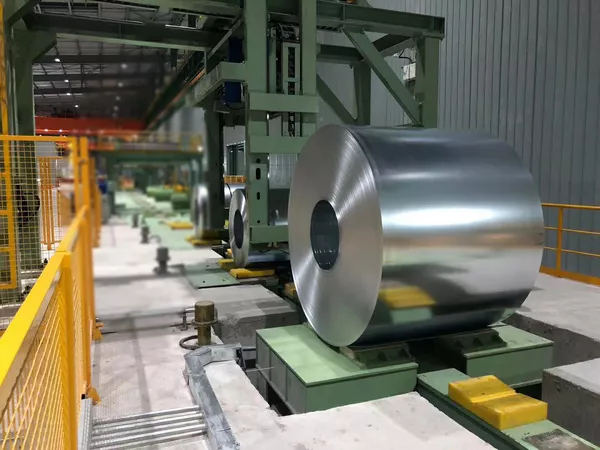
This transformation is not just about adopting new machinery. It is about rethinking entire operational workflows and embracing a future where smart solutions drive growth. Let us dive deeper into how these advanced systems are making a real difference and what it means for your plant.
1. Why are traditional steel coil packing methods failing in Southeast Asia?
For many years, steel plants in Southeast Asia relied on manual labor for packing steel coils. This method often seemed cost-effective at first glance. However, as the region’s industrial sector grew, the limitations of these traditional approaches became clear. The old ways created more problems than solutions in the long run.
Traditional packing methods, heavily dependent on human workers, are creating bottlenecks in production lines across Southeast Asia. They lead to slow processing times, inconsistent packing quality, and significant safety risks when handling heavy steel coils. These issues directly impact a plant’s ability to meet market demands and maintain profitability, especially with increasing production volumes and stricter safety regulations.

The Hidden Costs of Manual Packing
Manual packing might seem like a way to save on equipment costs. But from my experience, the true expenses add up quickly. I have seen many factories struggle with these unseen burdens. It is not just about the hourly wage; it is about the entire operational ecosystem.
- Slow Production Speed:
- Problem: Human speed has limits. Packing large, heavy steel coils takes time, especially when multiple steps are involved. This creates a backlog at the end of the production line.
- Impact: Finished products wait to be packed, causing delays in shipping. This directly affects delivery schedules and customer satisfaction. It means a plant cannot maximize its output, even if its production machinery is running fast.
- Example: A plant producing 100 coils a day might only pack 70 due to manual bottlenecks, losing 30% potential output. (steel coil handling, production bottleneck)
- High Labor Costs and Turnover:
- Problem: Manual packing of heavy steel coils is physically demanding and repetitive. Workers face fatigue and potential injuries daily.
- Impact: This leads to high employee turnover rates. Plants spend more on recruitment, training, and overtime pay. Insurance costs also increase due to workplace accidents. Finding skilled labor willing to do this difficult job is also getting harder.
- Data Insight: Studies show that jobs involving heavy lifting have significantly higher rates of musculoskeletal injuries. (manual labor costs, worker retention challenges)
- Inconsistent Packing Quality:
- Problem: Human error is unavoidable. One worker might pack a coil differently from another. The tension of the strap or the placement of wrapping materials can vary.
- Impact: Inconsistent packing quality leads to product damage during transport or storage. This results in customer complaints, returns, and lost revenue. A uniform, high-quality pack protects the product better.
- Quality Metrics:
- Manual Packing: 📉 Variable strap tension (±20%), 📉 Uneven wrap coverage.
- Automated Packing: 📈 Consistent strap tension (±2%), 📈 Uniform wrap coverage. (packing quality issues, product protection reliability)
- Significant Safety Hazards:
- Problem: Workers frequently lift, move, and secure heavy steel coils. This involves risks like crushing injuries, sprains, and falls.
- Impact: Workplace accidents are costly. They lead to medical expenses, lost workdays, and potential legal issues. Most importantly, they harm workers. A safe working environment is a basic right and a smart business choice.
-
Safety Risk Table: Hazard Type Manual Packing Risk Automated Packing Risk Crushing Injuries High 🔴 Low 🟢 Sprains/Strains High 🔴 Very Low 🟢 Falls/Trips Medium 🟠 Low 🟢 Repetitive Strain Injury High 🔴 None 🟢 (workplace safety, industrial accident prevention)








