
How Are American Steelmakers Using IoT Sensors to Optimize Their Slit Coil Packing Lines?
Factories today face big challenges. Are you tired of slow packing lines? Do you worry about worker safety when moving heavy steel coils? Is product damage eating into your profits? Many steel processors struggle with these exact problems. It is tough to keep up when old ways hold you back. But there is a new way. It helps you work smarter.
American steelmakers are now using IoT sensors to make their packing lines better. These sensors collect real-time data from every step. They watch machine health, track coil movement, and even check packaging quality. This data helps automate processes, predict problems, and make smarter choices. It means less downtime, fewer errors, and safer operations.
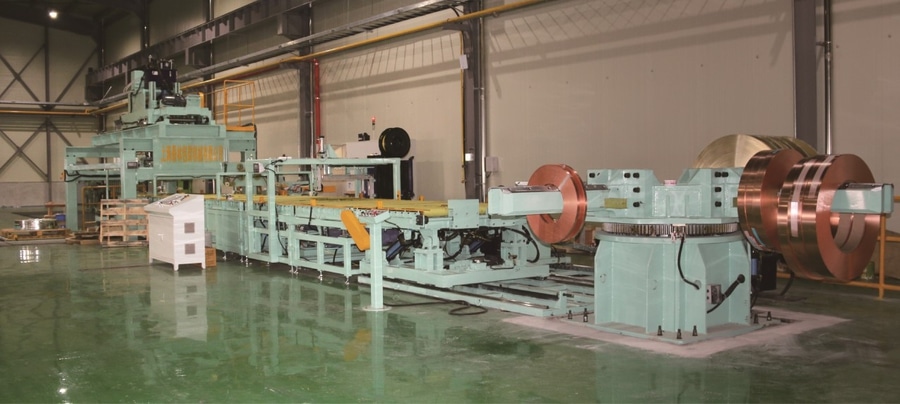
You might wonder if this new technology really works for heavy industry. You might ask how it fits into your existing factory. Stay with me. We will explore how these smart tools can change your packing operations. We will see how they improve safety and save you money.
What are IoT Sensors, and Why Do They Matter for Steel Packing Lines?
Do you hear about “IoT” and feel confused? Many people do. It sounds like a complex tech term. Maybe you think it is just for fancy office buildings or consumer gadgets. But this is not true. Not understanding it means missing out on big chances for your factory. It can make a real difference in how you pack steel.
IoT sensors are small devices. They attach to machines and equipment. These sensors collect data. They send this data over the internet. This lets you see what is happening on your packing line in real time. For steel packing, this means getting information about speed, weight, tension, and more. It helps you know the exact status of your machines and products.
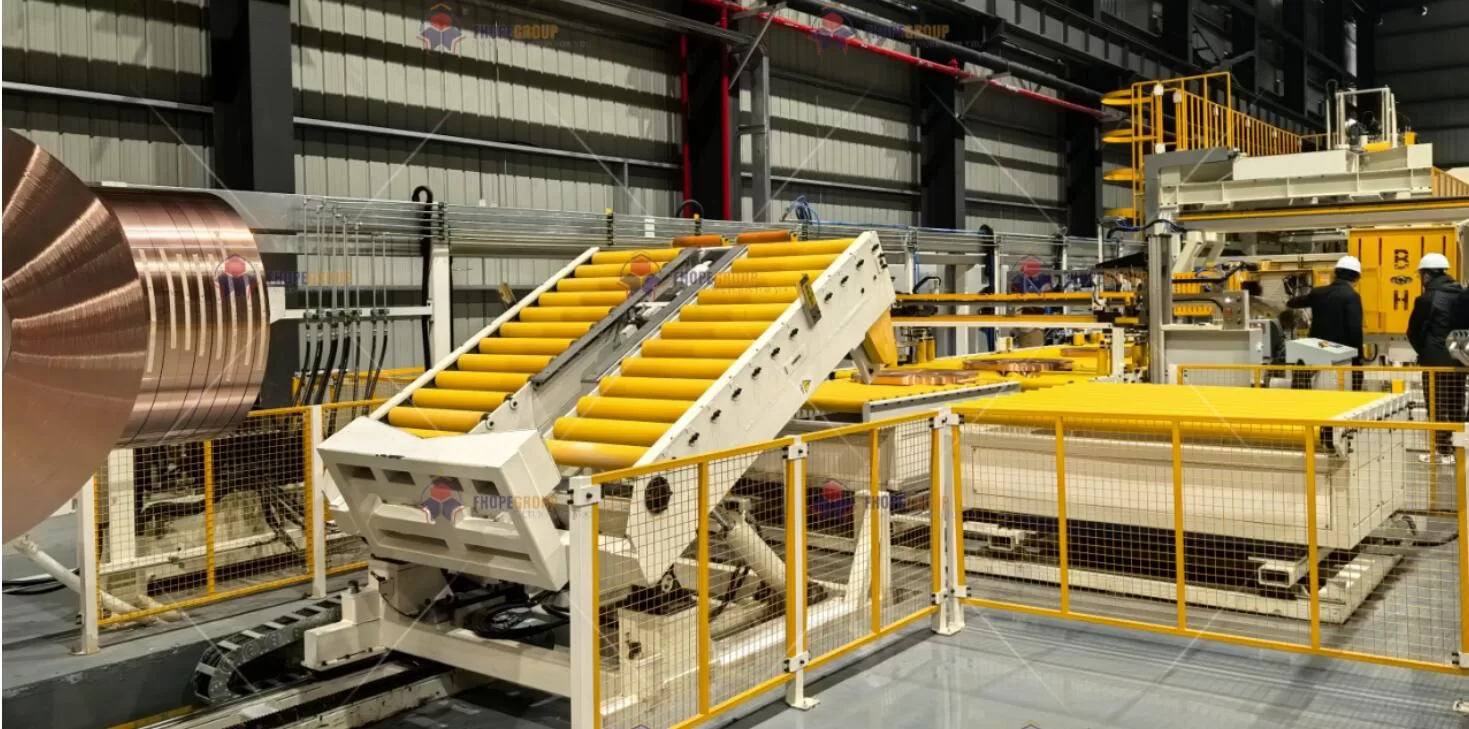
Let me explain this more deeply. IoT stands for the “Internet of Things.” Think of it as your machines talking to each other. They talk to you, too. These sensors are like eyes and ears on your packing line. They gather information constantly.
There are many kinds of sensors. Each one does a special job.
- Proximity sensors: These check if a coil is in the right place. They can also tell if a machine part is too close to another.
- Load cells: These measure the weight of the steel coil. They ensure it is loaded correctly. They also prevent overloading.
- Vision sensors (cameras): These inspect the packing material. They check the coil surface for damage. They can spot errors early.
- Vibration sensors: These monitor machine health. High vibration can mean a part is wearing out. You can fix it before it breaks.
- Temperature sensors: These check motor temperatures. They ensure machines do not overheat.
These sensors connect to a central system. Sometimes, they use Wi-Fi. Other times, they use cellular data. They send all the collected information to a computer or cloud server. This data then gets analyzed. You can see dashboards with live updates. You can get alerts on your phone or computer.
Why does this matter for steel packing? Steel coils are heavy. They need precise handling. The factory environment is often harsh. It has dust, vibration, and temperature changes. Normal sensors might not last. But industrial IoT sensors are tough. They are built for these conditions.
The data they collect is powerful. Imagine knowing the exact wrapping tension on every coil. You can ensure consistent quality. Imagine getting an alert when a motor starts to fail. You can schedule maintenance before the machine stops working. This prevents big, costly breakdowns. It also keeps your production line moving. It helps you avoid surprises. This kind of knowledge is what makes IoT important for your packing line.
How Do IoT Sensors Make Steel Coil Packing Safer and More Efficient?
Do your workers still handle heavy coils by hand? Do you worry about accidents happening every day? Manual work with big steel products carries huge risks. It leads to injuries. It also slows everything down. You want your people to be safe. You want your factory to run fast. But how can you do both at the same time? It seems like a hard balance.
IoT sensors directly address these problems. They reduce the need for workers to be near heavy moving parts. They automate dangerous tasks. This makes the workplace much safer. At the same time, they streamline the whole packing process. They help machines work faster and smarter. This boosts your overall efficiency.
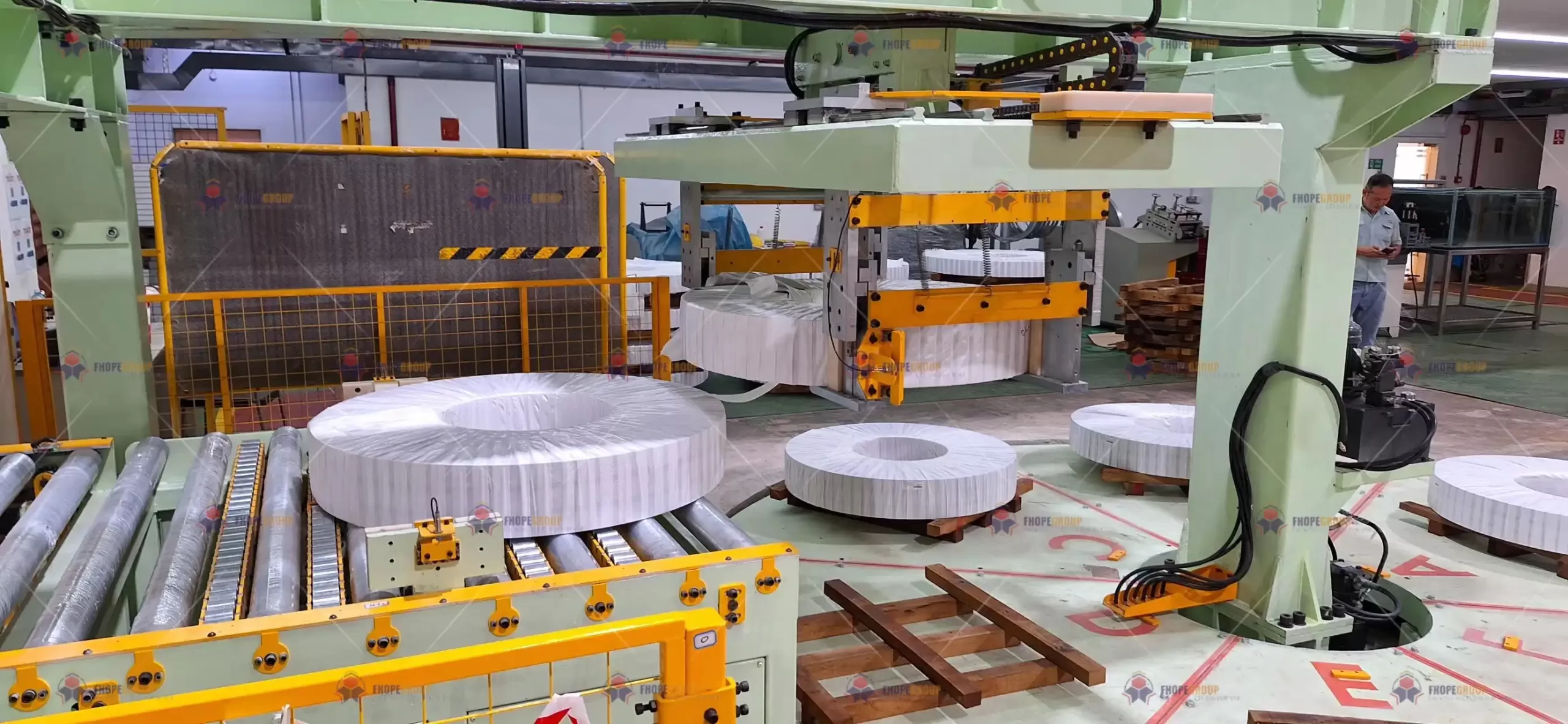
Let me break down how this works for you.
Safety Benefits
Safety is always the number one priority. In a steel factory, heavy coils move constantly. Workers are at risk of crushing injuries. They also face risks from repetitive movements. This leads to back problems or strains. IoT sensors change this picture entirely.
- Remote Monitoring: Workers do not need to be physically close to the machines all the time. Sensors provide data from a distance. An operator can watch the whole line from a control room. They only go to the machine if there is a real problem. This removes them from hazardous zones.
- Collision Avoidance: Some sensors can detect if a human or another object is too close to a moving part. They can stop the machine automatically. This prevents accidents before they happen. Imagine a forklift getting too close to a packing machine. The sensor sends an alert. The machine slows down or stops. This saves lives.
- Predictive Maintenance: As I mentioned, sensors spot worn-out parts. You can fix a loose chain or a failing bearing before it breaks. A sudden machine failure can cause a coil to drop or a part to fly off. Predictive maintenance prevents these dangerous events. It keeps workers safe from unexpected breakdowns.
- Ergonomic Improvements: By automating heavy lifting and repetitive tasks, IoT reduces strain on workers. They do not have to manually apply strapping or adjust heavy rolls. This lowers the risk of muscle injuries and long-term health issues. It creates a healthier work environment.
Efficiency Gains
Safety and efficiency go hand-in-hand. A safer line runs better. An efficient line means faster output.
- Optimized Packing Process: Sensors measure things like wrapping tension and film usage. They ensure the machine uses the right amount of material. This avoids waste. It also makes sure the coil is packed perfectly every time. This consistency speeds up the process. You get uniform packages quickly.
- Reduced Downtime: Machines break down. This stops production. IoT sensors tell you before a machine breaks. You can schedule maintenance for planned stops. You do not have to react to sudden failures. This means less unplanned downtime. Your line runs almost continuously.
- Faster Throughput: With real-time data, you can see bottlenecks. Is one part of the line moving slower? The sensors tell you. You can adjust settings or reallocate resources immediately. This keeps the whole line moving at its best speed. You pack more coils in less time.
- Automated Quality Checks: Vision sensors can quickly check the final packed product. They look for tears in the wrap. They check for exposed edges. They do this much faster and more consistently than a human eye. This means fewer bad packages go out. You save time on reworks.
By making your packing line safer and more efficient, IoT sensors do more than just collect data. They create a better, faster, and more reliable factory floor.
Can IoT Data Really Drive Down Costs and Boost Profitability for Processors?
Are you feeling the squeeze on your factory’s budget? High operating costs can really hurt your bottom line. Manual labor is expensive. Product damage costs you money. Machine breakdowns mean lost production. You need solutions that directly impact your wallet. You want clear returns on any investment. But how can technology truly help you make more profit? It can feel like a big promise.
IoT data is not just about fancy technology. It is about saving money and making more money. It helps you cut down on labor costs. It reduces wasted materials. It prevents costly product damage. It also extends the life of your machines. All these things add up. They lead to a clear return on your investment (ROI). They boost your factory’s overall profitability.

Let’s look at the numbers.
Cost Reduction Areas
When you implement IoT sensors, you start seeing savings in many places.
- Labor Costs: As mentioned, automation reduces the need for constant human supervision. You can redeploy workers to other tasks. They can do more complex jobs. They do not need to do dangerous, repetitive work. This means you get more value from your workforce. It also reduces the cost of injuries. Fewer injuries mean lower insurance premiums. It also means less worker turnover.
- Material Optimization: Sensors precisely control how much packing material (like film or strapping) is used. They ensure no excess is wasted. Imagine saving just a small percentage on every coil’s wrapping material. Over thousands of coils, this adds up to big savings each year. This is direct money back into your pocket.
- Reduced Product Loss: Product damage during packing or internal transfer is a huge hidden cost. A dented coil edge means a customer complaint. It means a possible return. It means lost revenue. Vision sensors can spot these problems. Automated handling systems reduce human error. This greatly minimizes damage. Fewer damaged products mean higher customer satisfaction. It also means less scrap.
- Lower Maintenance Costs: Predictive maintenance changes everything. Instead of fixing machines when they break (which is expensive and often requires emergency parts), you fix them before they break. You can order parts ahead of time. You can schedule repairs when it is convenient. This saves money on emergency repairs. It also extends the life of your valuable packing machinery.
Profitability Drivers
Beyond just cutting costs, IoT actively helps you make more money.
- Increased Uptime: The more your packing line runs, the more products you can ship. Fewer breakdowns mean more operational hours. More operational hours mean more output. This directly boosts your capacity.
- Higher Throughput: By optimizing speeds and preventing bottlenecks, IoT helps your line run faster. You can produce more finished goods in the same amount of time. This increases your sales potential without needing to expand your physical factory space.
- Better Customer Satisfaction: When you ship perfectly packed, undamaged coils consistently, your customers are happier. Happy customers come back. They also tell others about your reliability. This builds your reputation. It leads to more business. This is priceless.
- Data-Driven Decisions: With real data, you stop guessing. You know exactly what is happening. You can identify trends. You can make smart decisions about production schedules. You can plan for peak demand. This leads to better resource allocation. It makes your whole operation more agile and responsive. This means better profit margins.
The investment in IoT sensors for your packing line is an investment in your factory’s future. It delivers clear, measurable financial benefits. It makes your business stronger.
My Insights: What I Learned Building a Packing Machine Business
I started out just like many of your engineers. I was an employee at a packing machine factory. I saw how things worked. I also saw where problems happened. Over time, I built my own packing machine factory. It was a journey of hard work. It was also a journey of learning. I learned about building good machines. More importantly, I learned about helping customers succeed.
My business allowed me to become financially independent. But it also showed me the real value of what I do. It is not just about selling a machine. It is about understanding your problems. It is about finding a solution that truly fits your needs. I have helped many clients grow their businesses. I saw how a good packing solution could transform their operations. This is why I created FHOPEPACK. I want to share this knowledge.
You, like Michael, are looking for a true partner. You do not just want a vendor. You want someone who understands the pressure you face. You want someone who knows about efficiency bottlenecks. You want someone who knows about safety risks. You want someone who knows about product damage. My journey in the coil packing and steel wire packing industry taught me these things firsthand. I have been in the factories. I have seen the challenges.
I believe in giving back. My experience is not just theoretical. I have lived it. I have built the machines. I have helped factories implement them. This hands-on knowledge is what I offer. When you consider investing in IoT for your packing line, think about the long game. Think about having an expert guide you. It is about making sure your investment truly solves your problems. It is about driving your business forward. I am here to help you do that.
Conclusion
IoT sensors transform steel coil packing. They improve safety, boost efficiency, and cut costs. This leads to clear ROI and better profits for your factory.








