
How an Automatic Coil Packing Machine Improves Safety and Productivity in Coil Handling?
Manual coil handling in a busy factory environment is not just slow; it is a constant source of stress. You might be facing daily battles with inefficient processes, worrying about worker safety, and seeing your profits shrink due to damaged products. This reality can weigh heavily on any factory manager, especially when you are under pressure to boost output and cut costs. But what if there was a way to tackle these challenges head-on, transforming your coil handling operations for the better?
An automatic coil packing machine completely changes the game by significantly reducing workplace hazards and dramatically increasing production throughput. It ensures your operations are safer, faster, and more cost-effective, helping you avoid injuries, minimize product damage, and ultimately achieve higher profitability in heavy industries.
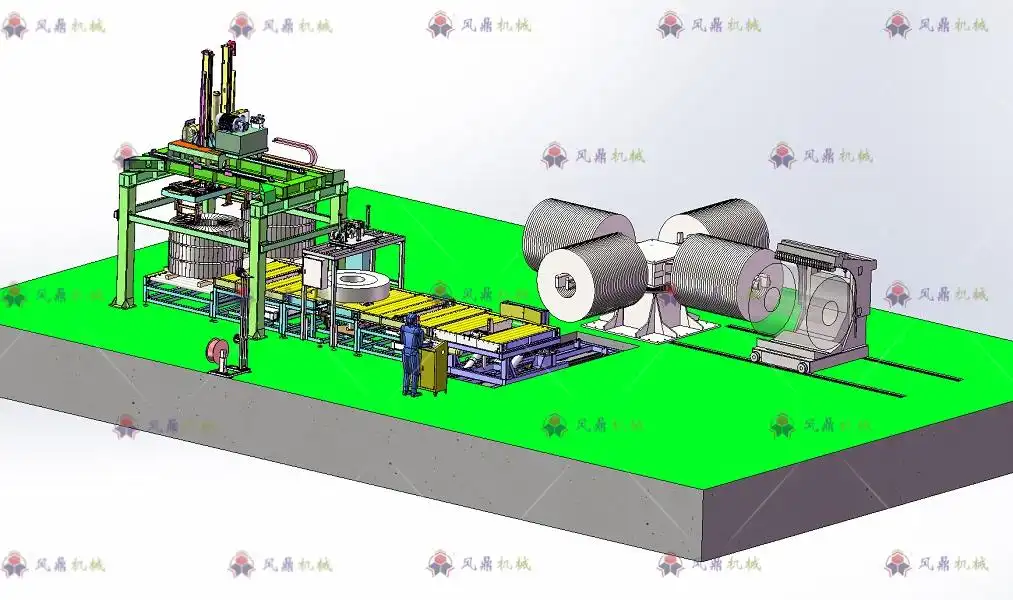
This article will break down how this powerful automation solution delivers on its promise. We will explore the specific ways these machines enhance safety, supercharge efficiency, and protect your bottom line. We will also discuss why choosing the right partner for this critical investment matters so much. Keep reading to discover how automatic coil packing can revolutionize your factory floor.
1. How Does Automation Eliminate Safety Risks in Coil Packing?
Think about the daily risks your team faces when handling heavy coils. Manual lifting, strapping, and moving these massive items are incredibly dangerous, leading to potential injuries, lost workdays, and high insurance costs. Are you tired of constantly worrying about workplace accidents? The good news is that automation offers a powerful solution, designed to take these dangers out of human hands.
Automatic coil packing machines fundamentally eliminate many safety risks by removing direct human interaction with heavy, moving steel or wire coils. They perform repetitive, high-risk tasks with precision, creating a much safer work environment for your employees and drastically reducing the potential for severe injuries.

When I started my journey in the packing machine industry, I saw firsthand the dangers workers faced. From lifting heavy coils to maneuvering them into position, the risks were constant. This personal experience fueled my desire to create safer, more efficient systems. Automatic coil packing is not just about making things faster; it is about protecting your most valuable asset: your people. It uses advanced technology to manage the physical demands of coil handling, ensuring that tasks like lifting, turning, and wrapping are performed by machines, not by vulnerable workers. This shift means fewer accidents, lower insurance premiums, and a more stable, motivated workforce. Investing in such machinery is a clear commitment to your team’s well-being and a smart move for your business in regions like Mexico, where industrial safety is paramount.
Reduced Manual Labor 👷
Automatic systems remove the need for workers to manually lift, rotate, or secure heavy coils. Instead, robots and conveyors manage these tasks. This change means less strain on employees and fewer accidents caused by fatigue or improper lifting techniques. For instance, heavy steel coils, which can weigh several tons, are moved by powered conveyors and coil cars, not by human effort. This directly reduces the risk of back injuries, crush injuries, and other severe accidents common in manual heavy lifting operations. Manual operations also often require workers to operate in close proximity to heavy machinery, but automation creates clear physical barriers. It helps maintain a safe distance between operators and moving parts. This design principle greatly reduces the chance of accidental contact or entanglement. Therefore, the core benefit here is a direct reduction in the number of hazardous manual tasks. (automatic heavy lifting, industrial safety solutions, workplace injury prevention, ergonomic benefits in manufacturing)
Enhanced Ergonomics 🧘
Automation improves the ergonomics of the entire packing process. Workers are no longer performing repetitive, strenuous motions that can lead to musculoskeletal disorders. Instead, they monitor machines or perform lighter, supervisory roles. This shift reduces the incidence of common industrial injuries like carpal tunnel syndrome, tendonitis, and chronic back pain. These conditions are often silent but costly, leading to long-term health issues and absenteeism. By reassigning physically demanding tasks to machines, factories can create workstations that are designed for human comfort and safety. This helps to retain experienced staff and also attracts new talent who prioritize a healthy work environment. The focus moves from brute force to skilled oversight, which is a much healthier professional pathway for employees. (ergonomic packing solutions, industrial health and safety, reducing manual strain, automated material handling)
Controlled Environment 🔒
Automatic coil packing lines operate within a controlled and predictable environment. Sensors, safety gates, and emergency stop buttons are standard features, designed to prevent accidents. If a worker accidentally enters a restricted area, the system immediately pauses. This level of control is impossible to achieve with manual operations, where human error or unforeseen circumstances can quickly lead to dangerous situations. The consistent operation of automated systems means fewer unexpected movements or dropped coils. Each step of the packing process, from banding to wrapping and weighing, is precisely choreographed. This consistency dramatically lowers the risk of objects falling or shifting unexpectedly, which is a major concern with heavy items like steel or wire coils. The system also often includes advanced diagnostics that can flag potential issues before they become critical, adding another layer of preventative safety. (controlled packing processes, automated safety features, industrial accident prevention, precision coil handling systems)
| Safety Aspect | Manual Packing | Automatic Packing |
|---|---|---|
| Heavy Lifting | High risk of strain, injury | Machine handles all heavy lifting |
| Repetitive Tasks | Causes fatigue, MSDs | Machines perform repetitive tasks |
| Proximity to Coils | Close proximity, high risk | Safe distance, guarded zones |
| Consistency | Varies, prone to error | Consistent, predictable operation |
| Emergency Stops | Slower human reaction | Immediate system response |
2. How Do Automatic Systems Boost Production Speed and Efficiency?
Is your current coil packing process a bottleneck, holding back your entire production line? Many factories struggle with slow, labor-intensive packing that cannot keep pace with upstream manufacturing. If you are constantly trying to meet demanding delivery schedules while battling inefficient manual operations, you understand this challenge well. Automation holds the key to unlocking your factory’s full production potential.
Automatic coil packing systems dramatically boost production speed and overall efficiency by ensuring continuous operation, consistent output, and reduced processing times. They eliminate human limitations, leading to higher throughput, optimized resource use, and a much smoother flow of goods through your facility, from raw material entry to finished product shipment.

During my time establishing my own packing machine factory, I learned that efficiency is not just about speed; it is about consistency and reliability. I saw how even small delays in the packing stage could ripple through an entire operation, affecting delivery times and customer satisfaction. This is especially true for heavy industries like steel processing in Mexico, where large volumes are the norm. Automatic systems solve this by working tirelessly, without breaks, ensuring every coil is packed to the same high standard, every time. This translates directly into more output per shift, faster turnaround for orders, and a stronger competitive edge for your business. It transforms the packing area from a choke point into a seamless, high-performance segment of your overall production.
Consistent Throughput ⚡
Unlike manual operations, automatic coil packing machines work continuously and at a consistent speed. They do not get tired, take breaks, or experience fluctuations in performance due to human factors. This leads to a steady, predictable output, which is crucial for managing inventory and meeting customer deadlines. For example, a machine can apply a protective wrap and strapping to a steel coil in minutes, a task that might take a team of workers much longer and with varying quality. This predictable cycle time allows factory managers, like Michael, to plan production schedules with greater accuracy and confidence. The machine’s ability to handle high volumes without a drop in pace directly translates to higher daily, weekly, and monthly production figures. This consistent throughput is key for factories looking to maximize their operational capacity and secure larger orders. (high-speed coil wrapping, consistent production output, automated throughput solutions, industrial packaging efficiency)
Optimized Resource Use ⚙️
Automating the packing process optimizes the use of both labor and materials. Fewer workers are needed for the packing line, allowing valuable human resources to be reallocated to other skilled tasks within the factory, where their expertise can be better utilized. This shift can lead to significant labor cost savings. Furthermore, automatic machines are precise in their use of packing materials. They apply the exact amount of stretch film, strapping, or other protective layers needed, reducing waste and material costs. In contrast, manual packing can often result in over-usage or inconsistent application of materials, leading to waste. This precision is not just environmentally friendly but also directly contributes to cost savings over time. The system can be programmed to use the optimal packing pattern, minimizing material consumption while maximizing protection. (labor cost reduction, material optimization, efficient resource allocation, automatic packaging material savings)
Seamless Integration 🔗
Modern automatic coil packing lines are designed to integrate seamlessly with existing production systems, such as conveyors, weighing scales, and enterprise resource planning (ERP) software. This integration creates a connected and smart factory environment. Data from the packing line, such as coil weight, dimensions, and packing status, can be automatically fed into your central management system. This real-time data flow provides valuable insights into production performance, inventory levels, and order fulfillment. It allows for better decision-making and quicker responses to any issues that arise. For instance, if an order is large, the system can automatically adjust packing parameters to ensure speed and quality. This level of connectivity not only speeds up the packing process itself but also improves the overall operational transparency and control of your factory, supporting a truly smart manufacturing setup. (integrated packing solutions, smart factory automation, real-time production data, ERP system integration for packaging)
3. How Can Automated Coil Packing Reduce Product Damage and Operational Costs?
Product damage during internal transfer and packing is a silent drain on your profits. Every dented edge or scratched surface on a steel coil means customer complaints, returns, and ultimately, lost revenue. On top of that, the high operational costs associated with manual processes, from labor expenses to insurance, can make it hard to stay competitive. Are you searching for a solution that directly addresses these issues, improving both product quality and your bottom line?
Automated coil packing solutions significantly reduce product damage through precise, consistent handling and also cut down operational costs by minimizing labor needs, optimizing material use, and lowering injury-related expenses. This dual benefit protects your products and directly boosts your factory’s overall profitability through a clear return on investment.

When I built FHOPEPACK, I aimed to provide solutions that truly made a difference for businesses like Michael’s. A key part of that was understanding that every damaged product represents not just a material loss, but a blow to a company’s reputation. I have seen clients transform their operations, moving from frequent damage complaints to consistent, high-quality output after implementing our automatic systems. This investment is not just about buying a machine; it is about securing your product quality, streamlining your expenses, and ensuring a healthy return on your capital. It is about building customer trust and growing your business with reliability.
Precision Handling 🎯
Manual handling of heavy and delicate materials like steel or wire coils is inherently prone to errors. Dropped coils, bumps, or improper stacking can lead to surface scratches, edge damage, or deformation. Automatic coil packing machines, however, operate with extreme precision. They use controlled movements, often guided by sensors and programmed pathways, to handle each coil gently and consistently. This eliminates the human element of variability and potential mishandling. The machines ensure coils are picked up, moved, and placed with the exact force and angle required, preventing any undue stress or impact. For instance, an automatic wrapper applies film uniformly, preventing loose spots that could lead to damage during transit. This precision guarantees that your products leave the factory in pristine condition, reducing customer complaints and costly returns. (precise coil handling, damage reduction in packaging, automated material protection, consistent product quality)
Material Waste Reduction ♻️
As mentioned earlier, automatic systems are very efficient with packing materials. They are programmed to apply the optimal amount of stretch film, strapping, or other protective layers. This precision prevents both under-packaging, which can lead to damage, and over-packaging, which wastes expensive materials. Consider the cumulative savings over thousands of coils: a small reduction in material use per coil translates into substantial cost savings annually. Beyond the materials themselves, automation reduces the waste associated with damaged products. If fewer coils are damaged, fewer need to be reprocessed, re-packed, or scrapped. This significantly cuts down on raw material waste, energy consumption for rework, and disposal costs, making your operations more sustainable and economical. This focused optimization contributes directly to a healthier profit margin. (packaging material savings, waste reduction strategies, optimized packing film usage, sustainable industrial packaging)
Long-term ROI Calculation 💰
Investing in an automatic coil packing machine represents a significant upfront cost. However, the long-term return on investment (ROI) is substantial. The savings come from multiple areas: reduced labor costs due to fewer personnel needed, lower material costs through optimized usage, decreased insurance premiums from fewer workplace injuries, and fewer financial losses from damaged products and customer returns. For Michael, a factory manager in Mexico, such an investment means a stronger financial position for the company. These machines often have a long operational lifespan and low maintenance requirements compared to the constant management required for manual processes. Calculating the ROI involves factoring in these direct and indirect savings, typically showing a payback period that makes the investment highly attractive. It allows businesses to allocate capital effectively to other growth initiatives. (ROI of packaging automation, cost-benefit analysis, long-term savings in manufacturing, operational cost reduction strategies)
| Cost Factor | Manual Packing | Automatic Packing | Potential Savings |
|---|---|---|---|
| Labor | High, multiple workers | Low, fewer operators | Significant |
| Materials | Variable, potential waste | Optimized, precise use | Moderate to High |
| Damage | Higher risk, rework | Lower risk, consistent | Moderate to High |
| Safety | High injury risk, insurance | Low injury risk, lower insurance | Moderate |
| Throughput | Limited, inconsistent | High, continuous | High |
4. Why is Choosing the Right Partner Crucial for Your Automation Journey?
You have heard the promises of automation, but perhaps you have also had bad experiences with equipment suppliers in the past. It is common to encounter vendors who are excellent at sales but fall short on after-sales support, leaving you stranded when issues arise. For a significant investment like an automatic coil packing machine, choosing the right partner is not just important; it is absolutely critical for your project’s success. Are you looking for a partner who truly understands your challenges and can deliver reliable, long-term solutions?
Choosing the right partner for your automatic coil packing machine is crucial because it ensures you receive not only high-quality equipment but also expert guidance, tailored solutions, and reliable after-sales support. A true partner, like FHOPEPACK, understands your specific factory needs, helps you overcome production bottlenecks, and safeguards your investment, ensuring sustained operational excellence.
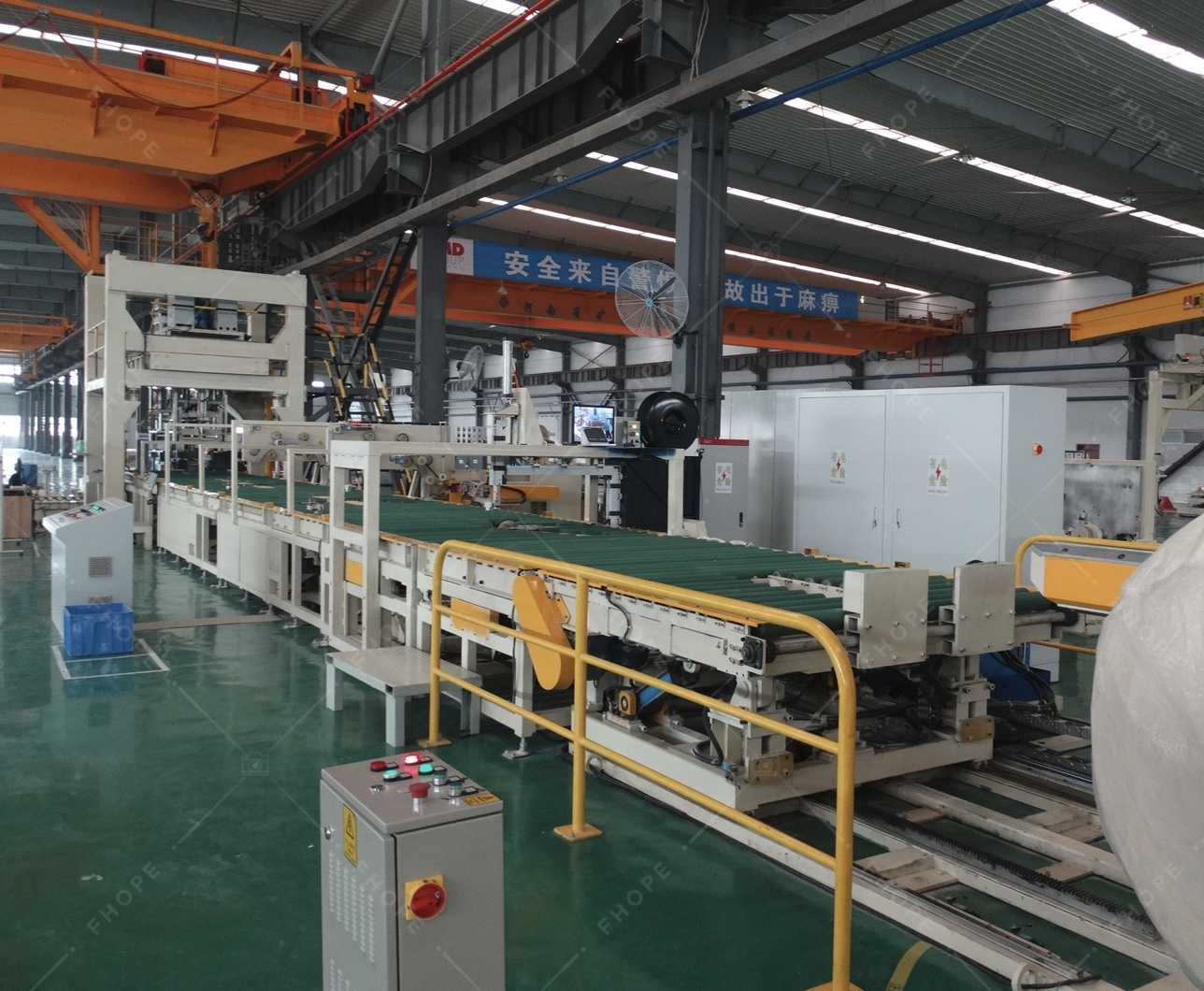
My journey from a packing machine engineer to founding FHOPEPACK taught me the immense value of trust and expertise. I have seen countless factories, from startups to large enterprises in places like Mexico, struggle because they picked the wrong supplier. They might get a machine, but without the right support, integration, and a deep understanding of their specific challenges—whether it is coil packing or steel wire packing—the investment falls short. This is why I built FHOPEPACK on a foundation of sharing knowledge and providing genuine solutions. We are not just selling machines; we are building partnerships, offering insights that only someone with decades of hands-on experience in coil packing can provide. We aim to be the partner who helps you navigate the complexities of automation and achieve real growth.
Deep Industry Knowledge 🧠
A partner with deep industry knowledge understands the specific challenges faced by a metal processing plant. They know about the unique properties of steel coils, wire coils, and other heavy materials, including their handling requirements, potential for damage, and the environmental conditions they face. This expertise allows them to recommend the most suitable automatic packing machine, rather than a generic solution. They can foresee potential integration issues with your existing production line and proactively suggest solutions. For example, a knowledgeable partner will ask about your coil dimensions, weights, daily throughput, and your specific safety regulations, tailoring their recommendations accordingly. This level of understanding ensures that the equipment you receive is not just a machine, but a perfectly integrated solution designed for your specific operational context, maximizing its effectiveness and lifespan. (packing machine expert, industry-specific solutions, heavy industry automation, knowledgeable equipment supplier)
Tailored Solutions 🛠️
Every factory has unique needs, constraints, and goals. A good partner does not offer a one-size-fits-all product. Instead, they work with you to understand your current setup, identify your pain points, and design a custom automatic coil packing solution that directly addresses them. This might involve modifying machine specifications, designing custom conveyor systems, or integrating with specific software platforms. For instance, if your factory handles a wide range of coil sizes, the partner should offer a flexible system that can easily adapt to different product dimensions without extensive manual reconfigurations. This personalized approach ensures that the investment you make truly solves your specific problems, like Michael’s need to reduce manual handling and improve efficiency. It prevents you from buying a system that only partially meets your requirements or creates new inefficiencies, which is a common pitfall with less reputable suppliers. (custom packing machine, tailored automation solutions, bespoke industrial equipment, flexible packing systems)
Reliable After-Sales Support ✅
The true test of a partner often comes after the sale. Reliable after-sales support is critical for the long-term success of your automated packing line. This includes prompt technical assistance, availability of spare parts, and regular maintenance services. A reputable partner ensures that their technicians are available for troubleshooting, repairs, and training your staff. This commitment to support minimizes downtime, extends the life of your equipment, and ensures that your investment continues to deliver value. Imagine having a critical machine break down and being unable to get quick support; the resulting production loss could be devastating. A strong after-sales service agreement gives you peace of mind, knowing that you have a dedicated team ready to assist you, whether it is for routine checks or unexpected issues. This ongoing partnership helps you keep your operations running smoothly and efficiently for years to come. (packing machine after-sales, reliable technical support, machinery maintenance services, long-term supplier partnership)
Conclusion
Embracing an automatic coil packing machine is a powerful step towards transforming your factory’s operations. It directly addresses critical challenges like safety hazards and production bottlenecks, while simultaneously reducing product damage and operational costs. By leveraging automation, you can ensure a safer workplace, boost your overall output, and achieve a robust ROI. Remember, partnering with an expert like FHOPEPACK, who brings deep industry knowledge and unwavering support, is key to maximizing these benefits and ensuring a smooth transition to an optimized steel coil packing line.








