
Case Study | How Automatic Coil Packing Machines Revolutionize Modern Steel Plants?
Have you ever walked through a bustling steel plant and felt the immense pressure of keeping everything running smoothly? You are not alone. Many factory managers, like Jose in Mexico, face daily challenges. They need to boost output, control costs, and keep workers safe. I have been there myself. I started as an employee in a packing machine factory. Later, I built my own successful factory. I understand these pressures firsthand. (managing manufacturing challenges)
Automatic coil packing machines are not just an upgrade; they are a complete transformation for modern steel plants. They directly address critical issues like slow manual processes, high safety risks, and frequent product damage. By integrating these advanced systems, plants can achieve higher efficiency, ensure worker safety, and protect their valuable products. This leads to significant cost savings and improved profitability across the entire operation. (automated steel plant solutions, industrial efficiency improvement)
It is easy to get caught up in the daily grind. You might think small changes are enough. But to truly thrive, we must look for real innovation. Let us explore how automated coil packing machines are redefining what is possible for steel plants today. I want to share insights that can help you make informed decisions for your business. (innovative industrial machinery, strategic plant upgrades)
1. How Do Traditional Packing Methods Create Bottlenecks and Risks in Steel Plants?
Are you still relying on manual labor for your coil and wire packing? Many plants do, and they face constant uphill battles. This outdated approach creates major headaches. It slows down your entire production line. It also puts your workers at serious risk every single day. (manual packing inefficiencies, outdated manufacturing processes)
Traditional coil packing methods, which heavily depend on human labor, are major contributors to operational bottlenecks and safety hazards in steel plants. The slow pace of manual wrapping and handling directly impacts overall production speed and timely delivery. Furthermore, physically moving heavy coils or turning pallets exposes workers to a high risk of injury, leading to increased insurance costs and employee turnover rates. These methods also often result in product damage during internal transport, causing customer complaints and profit losses. (industrial operational challenges, manual material handling risks)
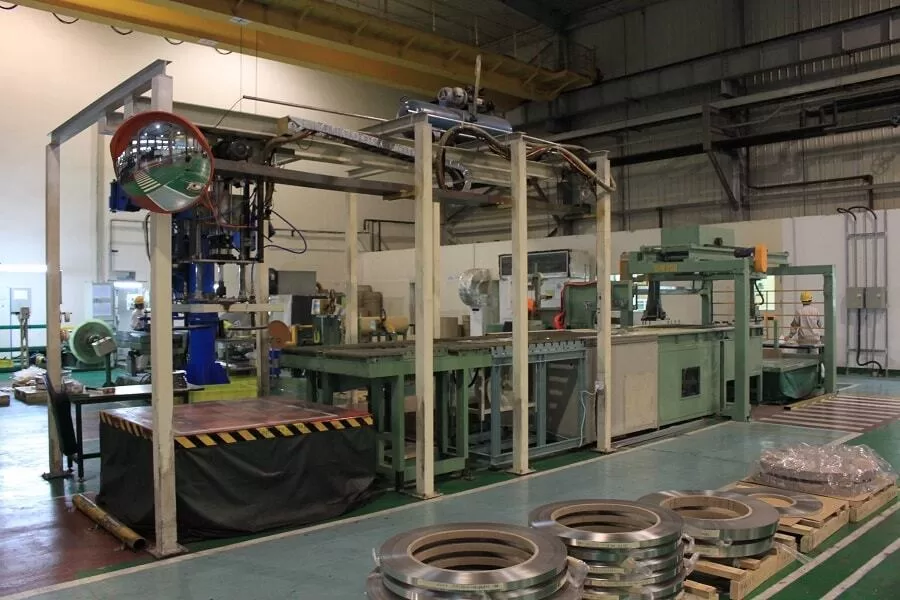
Let me give you a clearer picture. Think about Jose. He manages a medium-to-large metal processing factory. He oversees everything from raw material intake to finished product shipment. Jose feels constant pressure to increase output and cut costs. He also has to ensure strict safety compliance. He knows that any downtime on the production line means huge losses. His current packing process relies on many people. It is slow and not efficient. This severely impacts his production and delivery times. I have seen this many times during my years in the industry. The human element, while valuable, introduces variability and physical limitations that automation overcomes. When I was building my own factory, I quickly learned that manual bottlenecks were a major threat to growth. My mission with FHOPEPACK is to share knowledge. I want to help others avoid these very same pitfalls.
Here are some specific problems linked to traditional packing:
⚠️ Common Issues with Manual Coil Packing
| Challenge | Description | Impact on Plant |
|---|---|---|
| Slow Processing | Workers manually wrap coils, requiring multiple steps and significant time. | Reduces overall throughput, delays customer orders, creates production bottlenecks. |
| High Labor Costs | A large workforce is needed for packing, handling, and quality checks. | Increases operational expenses, especially with rising wages and benefits. |
| Safety Hazards | Heavy lifting, awkward movements, and repetitive tasks lead to strains, crushes, and other injuries. | High worker compensation claims, increased insurance premiums, potential legal issues. |
| Product Damage | Coils are prone to scratches, dents, or edge damage during manual handling and transfer. | Leads to customer rejections, warranty claims, lost profits, and a damaged brand reputation. |
| Inconsistent Quality | Packing quality varies based on worker skill, fatigue, and attention to detail. | Unreliable packaging protection, potential for goods to shift or be exposed during transit. |
| Lack of Data | Manual processes offer limited data for performance tracking, optimization, or predictive maintenance. | Prevents data-driven decision-making, hinders continuous improvement efforts. |
| High Turnover | The physically demanding and repetitive nature of manual packing jobs often leads to employee dissatisfaction and high turnover rates. | Increases training costs, impacts team morale, and creates skill gaps. |
Jose’s situation is common. His team manually handles heavy molds or flips pallets. This is not only inefficient, but it also carries an extremely high risk of industrial accidents. This pushes up his insurance costs and increases employee turnover. I have seen these exact problems in many factories. Product damage is another big issue. Coils, especially their edges, often get damaged during internal transfers and packing. This results in client complaints and lost profits. These challenges are not just minor inconveniences. They are significant barriers to a factory’s growth and profitability. They show a clear need for a more robust and reliable packing solution. (identifying production bottlenecks, mitigating industrial accident risks, analyzing product loss factors)
2. How Can Automation in Coil Packing Significantly Boost Plant Efficiency and Output?
Are you constantly looking for ways to get more done with less? Every plant manager dreams of higher output and smoother operations. Automation is the key to unlocking this potential. It transforms your packing line from a bottleneck into a powerhouse of efficiency. (maximizing factory output, streamlining production lines)
Automation in coil packing profoundly boosts plant efficiency and output by replacing slow, labor-intensive manual processes with rapid, consistent machine operations. Automated systems reduce packing time per coil, eliminate human error, and ensure a continuous workflow. This leads to a substantial increase in overall production throughput, allowing steel plants to meet higher demand and shorten lead times. The investment in these machines often shows a clear and quick return on investment (ROI) through reduced labor costs and increased productivity. (coil packing line automation, enhancing manufacturing productivity)

When Jose talks about his goals, elevating automation is at the top of his list. He wants to introduce automated packing and handling equipment. His aim is to solve the bottleneck at the end of his production line. This is a very smart approach. Automation does not just speed things up. It creates a domino effect of benefits throughout the entire plant. My own journey from factory employee to owner taught me this. I saw how even small improvements in automation could drastically change a factory’s bottom line. At FHOPEPACK, we believe in sharing this practical knowledge. We want to show you how automation can drive real growth.
Think about the impact of a fully integrated coil packing line.
✅ Benefits of Automated Coil Packing Systems
| Aspect | Before Automation (Manual) | After Automation (Automated) | Gain/Improvement |
|---|---|---|---|
| Speed & Throughput | Slow, varying rates; dependent on operator speed and fatigue. | Fast, consistent cycles; often multiple coils per minute. | ⬆️ Up to 3-5x faster packing, significantly higher daily output. |
| Labor Needs | High number of workers for wrapping, strapping, labeling, and handling. | Reduced to 1-2 operators for supervision and material loading. | ⬇️ 70-80% reduction in direct labor for packing, freeing up staff for other tasks. |
| Consistency | Inconsistent wrap tension, overlap, and overall package quality. | Uniform, precise, and repeatable packing every time. | 💯 Perfect package quality, enhanced product presentation, reduced risk of transport damage. |
| Cost Savings | High labor costs, increased insurance, frequent product damage, slower inventory turnover. | Lower labor costs, fewer injuries, less product damage, faster inventory movement. | 💰 Significant ROI from reduced operational costs and increased sales capacity. |
| Data & Control | Limited visibility into packing performance and issues. | Real-time data on packing speed, material usage, fault diagnostics, and inventory. | 📈 Better decision-making, predictive maintenance, and process optimization. |
| Space Use | Can require large areas for manual operations, staging, and movement. | Compact, integrated lines maximize floor space utility. | 📏 Optimized footprint, allowing for better plant layout and potential expansion. |
| Integration | Standalone operation, often disconnected from upstream/downstream processes. | Seamlessly integrates with slitting lines, weigh scales, and ERP systems. | 🔗 Holistic production flow, reducing bottlenecks and improving overall plant synchronization. |
Automated machines work tirelessly. They do not get tired, and they do not make mistakes from fatigue. This means your plant can run longer and produce more consistently. This capability is vital for factories operating in demanding environments. I have personally seen businesses struggle to meet deadlines because of manual packing. Shifting to automation is a strategic investment. It directly translates to lower operational costs. It also makes your business more competitive. Jose knows this. He wants equipment that can withstand his factory’s high-intensity, demanding work environment. Automated systems are built for that kind of durability. (industrial automation benefits, production bottleneck solutions, optimizing manufacturing efficiency, cost-effective packing solutions)
3. What Role Do Automatic Packing Machines Play in Enhancing Worker Safety and Reducing Product Damage?
Is worker safety a top priority for you? It should be for every factory manager. How about minimizing costly product damage? These two areas are where automatic packing machines shine. They protect both your people and your products. (workplace safety improvements, product integrity protection)
Automatic packing machines fundamentally enhance worker safety by drastically reducing the need for manual handling of heavy and awkward steel coils. This eliminates common industrial hazards such as strains, crushing injuries, and repetitive stress disorders. Simultaneously, these machines minimize product damage during packing and internal transport. They provide precise, consistent wrapping and secure handling, which protects products like steel coil edges from dents or scratches. This twin benefit leads to fewer accidents, lower insurance costs, and reduced financial losses from damaged goods. (industrial safety solutions, automated damage prevention, heavy material handling safety)
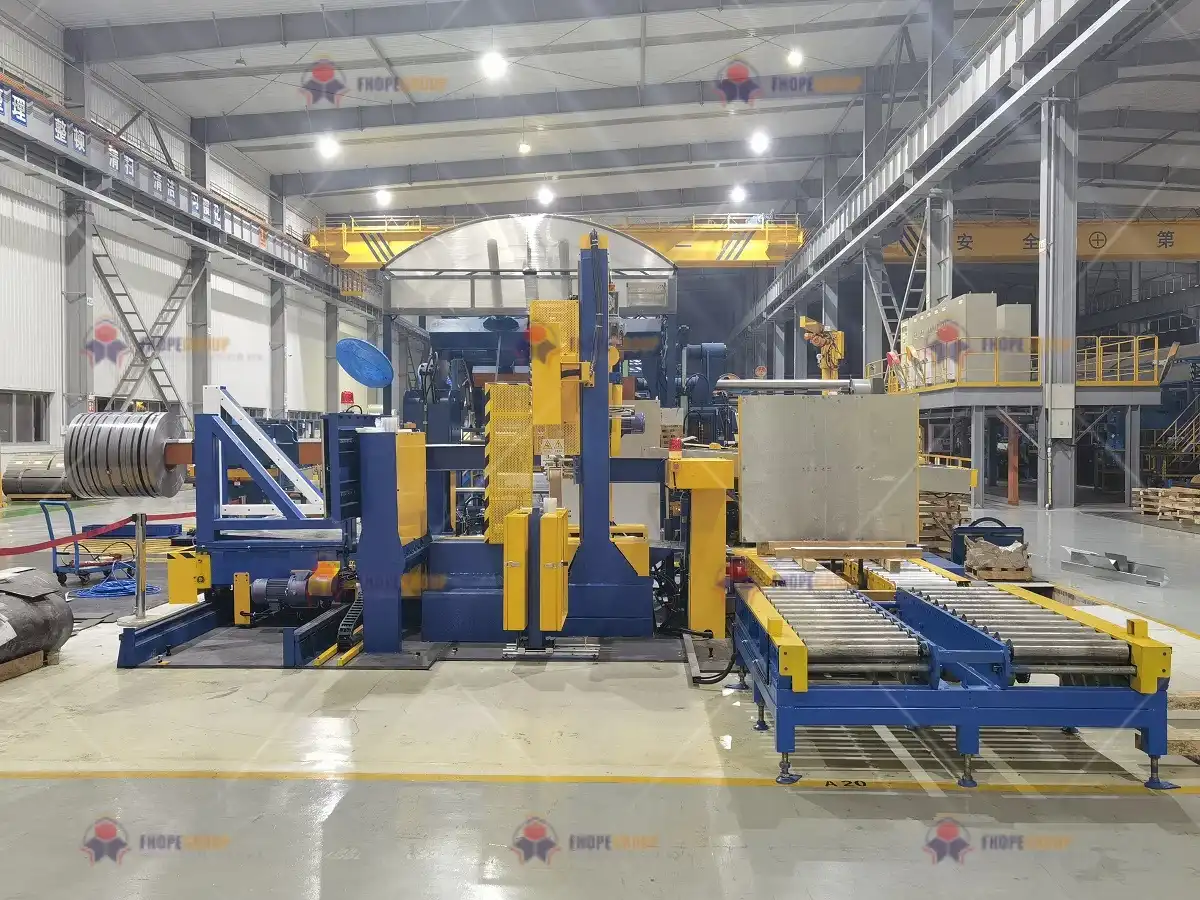
Jose is deeply concerned about safety. He wants solutions that drastically cut down the need for manual handling of heavy items. His goal is to improve worker safety from the ground up. This is a goal I share and actively promote through FHOPEPACK. My experience in building and running factories taught me that safety is not just a cost. It is an investment in your people and your business’s long-term health. Automated systems are designed with safety as a core feature. They take the human element out of hazardous tasks. This creates a much safer working environment.
Consider how these machines achieve both safety and damage reduction:
🛡️ Safety and Damage Control with Automation
| Feature | How it Enhances Safety | How it Reduces Product Damage |
|---|---|---|
| Automated Coil Handling | Machines use conveyors, manipulators, and robotic arms to move coils. Eliminates manual lifting and pushing of heavy objects. Prevents back injuries, strains, and crushes. | Gentle and precise handling. Avoids impacts or drops that can dent or scratch coils. Ensures coils are securely positioned during wrapping. |
| Consistent Wrapping Tension | Eliminates manual stretching and pulling of packing materials by workers. Reduces repetitive strain injuries. | Applies uniform tension across the entire coil surface. Prevents loose wraps that could allow movement and damage. |
| Integrated Safety Sensors | Machines are equipped with safety light curtains, emergency stops, and interlocks. Stops operation if a worker enters a danger zone. Protects operators from moving parts. | Monitors coil position and machine operation. Prevents packing errors that could compromise package integrity. |
| Controlled Packaging Process | Workers supervise from a safe distance. Reduces exposure to fast-moving machinery parts. | Ensures precise material application (stretch film, steel strip, paper). Avoids uneven wrapping that leaves parts exposed. |
| Reduced Human Error | Automation removes the fatigue and distraction factors that can lead to accidents. | Eliminates mistakes in wrapping or strapping due to human oversight. Provides a consistent, protective package. |
| Ergonomic Design | Machine interfaces are designed for easy and safe operation. Less physical exertion for operators. | Supports careful placement of packing materials without needing to contort the product. |
| Quality Control Integration | Automated systems can integrate with vision systems to detect flaws, reducing manual inspection risks. | Early detection of issues before full packing. Ensures only perfect products are packed, preventing customer returns. |
| Material Usage Optimization | Fewer manual adjustments. Less need for workers to handle sharp cutting tools for packing materials. | Uses optimal amount of packing material. Prevents over-tightening or insufficient wrapping that could damage the product. |
My team and I have spent years developing solutions that truly protect both the product and the people handling it. We have seen the numbers. Fewer accidents mean lower workers’ compensation costs. Less product damage means fewer returns and higher customer satisfaction. For Jose, this means a better bottom line. It also means a happier, safer workforce. This creates a more stable and productive factory environment. Investing in these machines is an investment in your company’s future and its most valuable assets. (safe industrial practices, protecting manufacturing assets, automated damage control systems, coil edge protection solutions)
4. Why is Partnering with an Experienced Packing Machine Expert Crucial for Long-Term Success?
Have you ever bought equipment only to feel abandoned by the supplier afterward? This is a common and frustrating experience. It is why choosing the right partner is just as important as choosing the right machine. You need someone who truly understands your business. (reliable industrial equipment suppliers, building strong business partnerships)
Partnering with an experienced packing machine expert, especially one with a deep industry background and successful factory establishment experience like mine at FHOPEPACK, is crucial for long-term success. Such a partner offers more than just equipment; they provide invaluable insights, tailored solutions, and reliable post-sales support. This expertise helps factory managers like Jose navigate complex production challenges, ensures the chosen equipment truly addresses specific bottlenecks, and provides a clear path to achieving a strong return on investment for their automation initiatives. (expert packing machine guidance, long-term industrial solutions, reliable equipment support, customized automation advice)
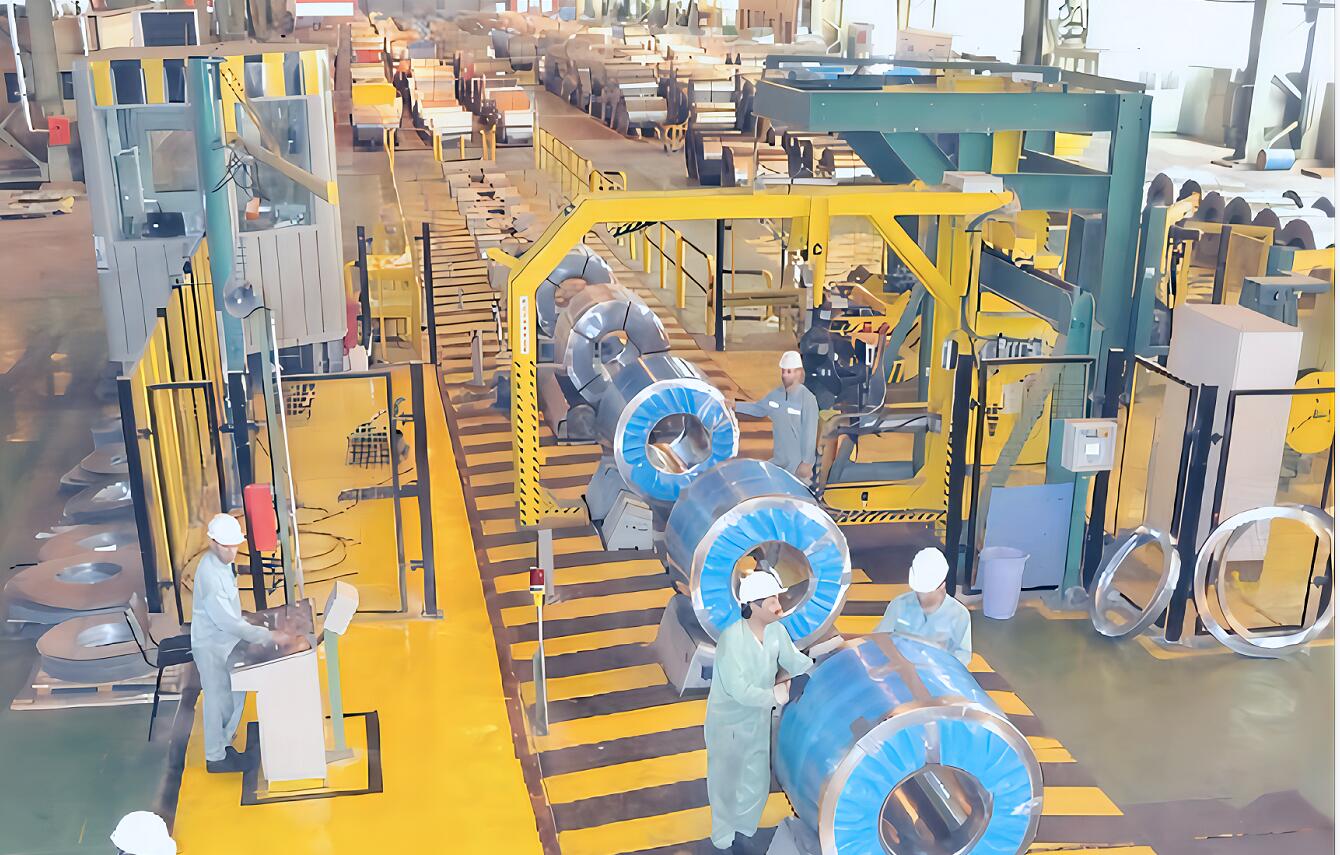
Jose has faced a vendor trust crisis before. He has dealt with equipment suppliers who only focused on sales and offered poor after-sales service. This experience makes him very cautious about finding new partners. I completely understand this. This is precisely why I founded FHOPEPACK. After years of working in and building my own packing machine factory, I saw a gap. Many suppliers sell machines but do not truly understand the day-to-day realities of a factory manager. I achieved financial independence thanks to the packing machine industry. Now, I want to give back. My goal is to share my expertise and insights. I want to help others succeed. This is not just about selling machines. It is about building trust and solving real problems.
Working with an expert means you get more than just a product. You get a strategic advisor.
🤝 The Value of an Expert Partnership
| Aspect | Transactional Supplier (Sales-Focused) | Expert Partner (FHOPEPACK) | Benefit to Your Business |
|---|---|---|---|
| Understanding Needs | Focuses on pushing standard products; minimal deep understanding of your specific operational challenges. | Takes time to understand your unique production bottlenecks, safety concerns, and efficiency goals. | ✅ Tailored solutions that precisely fit your factory’s needs, avoiding mismatched equipment. |
| Problem Solving | Offers generic solutions; may not address root causes of your issues. | Provides professional insights and reliable solutions based on real-world experience. | 🛠️ Effective issue resolution, leading to genuine improvements in productivity and safety. |
| Reliability | May prioritize quick sales over long-term equipment performance and support. | Values equipment reliability and efficiency, ensuring the machine performs under demanding conditions. | 💪 Durable and dependable equipment, minimizing downtime and maximizing operational uptime. |
| ROI Focus | May provide vague promises of savings; less focus on measurable return. | Helps you identify clear ROI with detailed analysis, showing how equipment reduces labor and product loss. | 💰 Clear financial benefits, justifying your investment with tangible cost reductions and profit growth. |
| After-Sales Support | Often limited or slow responses; challenges with spare parts and technical assistance. | Offers dedicated, responsive after-sales service; ensuring smooth operation and prompt issue resolution. | ⏱️ Minimized downtime, expert assistance readily available, extending the lifespan and efficiency of your machinery. |
| Long-Term Growth | Short-term transactional view. | Acts as a true partner, dedicated to helping your business grow and adapt to future challenges. | 🚀 Sustainable growth and innovation, leveraging expert guidance for continuous improvement and market advantage. |
| Trust & Confidence | May contribute to supplier trust crisis due to past negative experiences. | Builds trust through proven expertise, transparent communication, and a commitment to your success. | 🤝 Peace of mind, knowing you have a dependable partner invested in your factory’s future. |
Jose’s goal is to partner with experts like me, Randal, who have deep industry knowledge and successful factory-building experience. He wants to ensure his equipment investment truly solves his problems and drives business growth. This is exactly what FHOPEPACK offers. My team and I are dedicated to sharing our insights. We provide solutions that are not just machines. They are pathways to greater efficiency, enhanced safety, and sustainable profitability for your factory. (choosing industrial partners, expert manufacturing consultation, bespoke packing solutions, fostering client trust)
Conclusion
Automated coil packing machines are essential for modern steel plants. They offer clear benefits, from solving efficiency bottlenecks to boosting worker safety and preventing costly product damage. My journey with FHOPEPACK is all about sharing knowledge. I want to help you make smart choices. By investing in a high-quality steel coil packing line and partnering with experts, you can revolutionize your operations and ensure long-term success.








