
How a Russian Steel Plant Cut Operational Costs by 25% with a New Coil Strapping Machine?
Running a steel plant in places like Russia brings a lot of pressure. You need to produce a lot, keep costs low, and make sure everyone is safe. Many plant managers face a big challenge: their packing lines are too slow. They often use too many people for heavy work. This does not just slow things down. It also puts workers in danger and can damage valuable products. Think about heavy steel coils. Moving them by hand or strapping them manually is risky. It can lead to accidents and big financial losses.
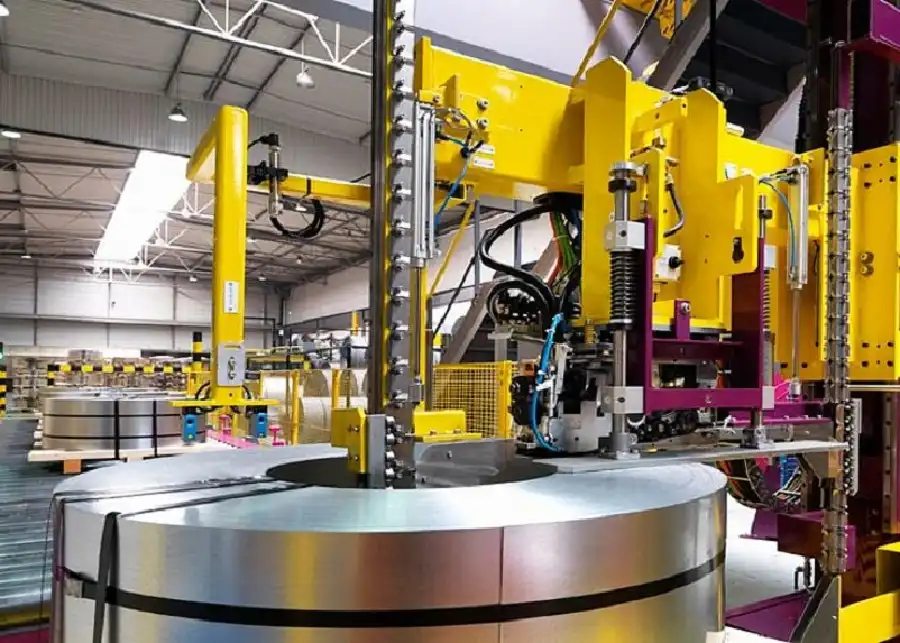
A new coil strapping machine changed everything for one such plant. This machine helped them automate their packing process. It cut down the need for a lot of manual labor. This made the work much safer for employees. It also stopped products from getting damaged. Because of this, the plant saw a huge drop in their daily costs. They saved 25% on their operational expenses. This shows how smart technology can help heavy industries.

This kind of change is not just about buying a new machine. It is about solving deep-rooted problems. It is about understanding what holds a plant back and finding real solutions. Let us look closer at how this Russian steel plant achieved such big savings. Let us see how they overcame their challenges. This is a story about smart choices and getting the right help.
Why Manual Coil Packing Keeps Your Steel Plant Behind?
Are your steel production lines moving fast, only to slow down at the very end? Many plant managers tell me this is a big problem. The finishing line, especially packing, can become a real choke point. When you rely on many people to do heavy, repetitive tasks like strapping steel coils, efficiency drops fast. This is a common issue in many places, including large steel plants in Russia.
Manual packing processes are slow. They need a lot of workers. This means higher labor costs. It also means the packing quality can change from one coil to another. Some coils might be too loose. Others might not be strapped in the same way. This leads to delays in shipping. It also increases the risk of product damage later on. This whole process affects how fast you can deliver products. It also affects how much money you make. It is a major bottleneck that prevents overall growth.

In many steel plants, especially older ones, manual coil packing is a traditional method. But tradition often comes with hidden costs. I have seen this many times in my own journey. When I started as an employee in a packing machine factory, I watched teams of people struggle with heavy coils. I saw how much time each coil took. This was not just about strapping. It was about moving the coil into place, getting the strap around it, and then securing it. All these steps add up.
The Hidden Drag of Manual Processes
-
Slow Speeds and Low Throughput: Manual strapping is simply not fast enough for modern production lines. Each coil needs human effort. This means it takes a certain amount of time. You cannot just speed up a person. This creates a bottleneck. A plant might produce steel very fast. But if the packing cannot keep up, the whole line slows down. This impacts the total output. It also impacts how many orders a plant can take on. For a large Russian steel plant, every minute counts. Lost minutes mean lost profits. It means less steel gets to market.
-
High Labor Costs and Inconsistent Quality: More people mean higher payrolls. But it is not just the wages. There are benefits, training, and supervision costs. Also, human work is not always perfect. Some straps might be too tight. Others might be too loose. This leads to inconsistent packing quality. It can affect the product’s safety during transport. It can also lead to customer complaints. When quality varies, trust goes down. This is bad for business.
-
Limited Scalability and Growth: If you want to produce more steel, you need to pack more steel. With manual methods, this means hiring more people. But finding skilled workers for such heavy work is hard. It is also expensive. This limits how much a plant can grow. It prevents them from taking on bigger contracts. It stops them from meeting higher market demands. Automation, on the other hand, allows for easy scaling. You can pack more coils without adding many more workers. This flexibility is key for growth. It makes a plant more competitive. This is especially true in a competitive global market.
Are Your Workers Safe? The Hidden Costs of Manual Coil Handling?
Working in a steel plant is tough. It is even tougher when workers have to move very heavy things like steel coils by hand. This is a big problem for many factories. Plant managers constantly worry about safety. They worry about their workers getting hurt. This is a very real concern for plant managers, like the one I envision at a large Russian steel factory.
When workers manually handle heavy coils, the risk of injury is very high. They can strain their backs. They can drop things on their feet. There can be slips or falls. These accidents cause big problems. They lead to high insurance costs for the company. They also mean workers have to take time off. This hurts morale. It also means the plant loses skilled employees. This is a cost that goes beyond money. It affects the whole team. It hurts trust between workers and management.
I have seen firsthand how much impact worker safety has. When I was starting out, I saw workers pushing their limits. They lifted things that were too heavy. They did the same motions again and again. This led to injuries over time. It was clear that a better way was needed. It was not just about making machines. It was about making work safer. It was about protecting people.
The True Price of Workplace Injuries
-
Direct Costs: Medical Bills and Insurance Premiums: When a worker gets hurt, there are direct costs. These include medical treatment. They also include rehabilitation. The plant often pays for these. Worker’s compensation claims go up. This directly increases insurance premiums. These costs can be very high. They are often unexpected. A single serious injury can cost a factory many thousands of dollars. These are dollars that could be used for upgrades or growth. For a Russian steel plant, managing these costs is very important. It directly impacts their bottom line.
-
Indirect Costs: Lost Productivity and Morale Drop: The costs do not stop at medical bills. When a worker is out, their work does not get done. Other workers might need to cover for them. This slows down the whole production line. It reduces overall output. It also affects morale. When workers see their colleagues getting hurt, they worry. They might feel less safe. This can lead to lower job satisfaction. It can also increase employee turnover. It becomes harder to keep good workers. This means more time and money spent on hiring and training new staff. These hidden costs often outweigh the direct medical expenses. They are very damaging to a plant’s long-term health.
-
Legal and Reputational Risks: Workplace injuries can also lead to legal problems. Plants might face fines from safety regulators. They might even face lawsuits. These can be very costly. Beyond that, a plant’s reputation can suffer. If a plant is known for being unsafe, it becomes harder to attract new talent. It might even hurt relationships with customers. No one wants to work with a company that does not care about its people. A good safety record is a sign of a well-run business. It shows that the company values its employees. It shows they are responsible. This is true for any industrial operation, including steel plants in Russia.
Is Product Damage Eating Your Steel Plant’s Profits?
It is frustrating for any plant manager. You make a great product, like a perfect steel coil. But then, during the last steps, it gets damaged. This happens more often than you think. Manual handling or old packing methods can easily cause harm to finished products. This is a major concern for steel plants, including those in Russia, where large, heavy coils are moved daily.
Product damage during packing or internal transport is a big problem. A slight scratch on a coil’s surface can make it unusable for a client. A bent edge means the product is now “second-grade.” This leads to customer complaints. It means you have to offer discounts. Sometimes, you even have to scrap the product. All of this cuts into your profits. It hurts your reputation. It means the hard work of making the steel goes to waste. It is like pouring money down the drain.

I have seen this issue many times. When I started my own packing machine factory, I made sure we focused on protecting the product. It is not enough to just pack it. You need to pack it right. You need to pack it so it stays perfect. This is a core value for FHOPEPACK. It is about making sure the client’s investment in steel is protected right up to the final delivery.
How Product Damage Steals Your Earnings
-
Reduced Resale Value and Customer Returns: A damaged steel coil cannot be sold at full price. Even small dents or scratches reduce its value. This means less money for the plant. Sometimes, customers refuse to accept damaged goods. This leads to costly returns. The plant has to pay for shipping the product back. Then they have to deal with the damaged item. This can include reworking it or selling it at a big loss. This eats into profit margins. It makes planning difficult. It is a direct hit to the plant’s financial health. For a Russian steel plant, every coil produced is a significant investment. Protecting that investment is crucial.
-
Customer Dissatisfaction and Lost Trust: When customers receive damaged products, they get upset. They might complain. They might look for another supplier next time. This damages the relationship. It harms the plant’s reputation in the market. In the long run, lost customer trust means lost future business. Word of mouth spreads fast. If a plant is known for shipping damaged goods, it will struggle to attract new clients. It will also struggle to keep existing ones. This is a very serious problem. It goes beyond money. It affects the plant’s standing in the industry. Maintaining high product quality, from production to delivery, is vital for long-term success.
-
Hidden Costs of Rework and Waste: Damaged coils do not just disappear. They often need to be reworked. This takes time and resources. It means using more labor. It means using more energy. Sometimes, the damage is too severe. The coil becomes scrap. This is pure waste. The cost of the raw materials, the energy used to produce it, and the labor—all of it is lost. These hidden costs are often not counted in daily reports. But they add up fast. They significantly impact a plant’s overall efficiency. They also impact its profitability. Automated strapping ensures consistent quality. This drastically reduces the chances of damage. It helps to keep profits where they belong: in the plant’s pockets.
Finding the Right Partner: More Than Just Buying a Machine?
Finding the right packing machine is a big decision for any plant manager. But it is not just about the machine itself. It is about who you buy it from. Many plant managers have told me they have dealt with suppliers who only cared about selling. After the sale, service was bad. This leads to a lot of frustration. It makes people very careful when looking for new partners. This is a key concern for any steel plant, including those in Russia, looking to invest in new equipment.
A smart plant manager wants a real partner. They want someone who truly understands their problems. They want a supplier who knows about production bottlenecks, safety issues, and efficiency goals. They look for someone who can give expert advice. They want a solution that works. They do not just want a box that ships a machine. They want a relationship. They want reliable support. This approach leads to true, long-term success. It is about building trust. It is about finding a company that stands by its products.
I know this from my own experience. I started FHOPEPACK because I saw a gap in the market. Many suppliers sold machines but did not offer real solutions. I wanted to be different. I wanted to be a partner. I wanted to use my own experience from building a successful packing machine factory to help others. I knew what it felt like to be on the client side. I knew the pressures. This is why I focus on understanding your specific needs. It is why I focus on long-term relationships.
Why a True Partnership Outperforms a Simple Transaction
-
Understanding Your Unique Challenges: Every steel plant is different. Even a Russian steel plant has its own unique layout, production flow, and challenges. A good partner does not offer a one-size-fits-all solution. They take time to understand your specific production bottlenecks. They look at your safety concerns. They ask about your efficiency goals. This deep understanding allows them to suggest the best machine for your plant. They provide a solution that fits. This is much better than buying a machine that does not quite meet your needs. A true partner offers tailored advice. This ensures your investment solves real problems.
-
Reliable After-Sales Support and Maintenance: A packing machine is a big investment. It needs to work well, all the time. This means you need strong after-sales support. What happens if the machine breaks down? How quickly can you get spare parts? Will someone be there to help you fix it? Many suppliers disappear after the sale. This leaves plants stranded. A true partner offers ongoing support. They provide training for your staff. They offer maintenance services. They make sure your machine keeps running smoothly. This reduces downtime. It increases the life of the machine. It gives you peace of mind. This is vital for maintaining constant production in a busy steel plant.
-
Long-Term Value and ROI Focus: A good partner does not just talk about the machine’s price. They talk about its value. They help you understand the return on investment (ROI). How much money will the machine save you? How quickly will it pay for itself? This includes savings on labor costs. It includes reduced product damage. It includes improved safety outcomes. They help you see the bigger picture. They help you understand how this investment will boost your plant’s profitability for years to come. This kind of partnership builds trust. It shows the supplier cares about your success. This is the foundation of a strong, lasting business relationship.
My Insights: What I Learned Building My Own Packing Machine Factory?
When I started FHOPEPACK, it was not just about building machines. It was about solving real problems. My journey began as an employee in a packing machine factory. I saw firsthand the challenges companies faced. I saw the struggles with old equipment. I saw the dangers of manual work. This experience pushed me to do more. It pushed me to build my own successful packing machine factory. This journey taught me so much. It allowed me to achieve financial independence. Now, I want to share what I learned. I want to help others succeed.
What I found is that true success in this industry comes from deep understanding. It is not just knowing how to build a machine. It is knowing how a machine fits into a plant’s daily operations. It is about understanding the plant manager’s daily worries. It is about seeing the big picture. This perspective is what FHOPEPACK brings to the table. We do not just sell machines. We offer solutions based on real-world experience.
The Core Lessons from My Journey
-
The Power of Practical Problem-Solving: Many engineers focus on theory. That is good. But the real world is different. When I worked on the factory floor, I saw problems that no textbook could explain. I saw how a small bottleneck could stop a whole production line. I saw how a poorly designed part could cause constant breakdowns. This taught me to be practical. It taught me to look for solutions that work in real factories. It is not about the fanciest technology. It is about the technology that makes the most sense for the client. This means listening to the plant managers. It means understanding their specific pain points. This is how you design machines that truly help a business. For a Russian steel plant, practical solutions are what matter most. They need equipment that works, day in and day out, under tough conditions.
-
The Value of Long-Term Relationships: In the packing machine business, quick sales are easy. But building trust is hard. I learned that real success comes from long-term relationships. This means being there for the client after the sale. It means providing support. It means offering advice even years later. When I built my factory, I always thought about how I would want to be treated as a client. This led to a focus on service. It led to a commitment to quality. When you help a client grow their business, they remember that. They come back. This builds a strong reputation. It builds a sustainable business for FHOPEPACK. It ensures that our clients, like the managers of steel plants, feel supported through their entire journey.
-
Giving Back to the Industry: The coil packing and steel wire packing industry gave me so much. It allowed me to build a successful business. It gave me financial freedom. Because of this, I feel a strong need to give back. That is why FHOPEPACK is more than just a company. It is a platform for sharing knowledge. I want to help other engineers. I want to help other plant managers. I want to share the insights I gained from building a factory from the ground up. This includes lessons on efficiency, safety, and smart investment. My goal is to make this complex knowledge easy to understand. I want to help others avoid the mistakes I saw or made. This desire to help is at the heart of everything we do at FHOPEPACK. It drives our mission to make mold knowledge accessible to all. (Note: Per the “About Me” mission statement, “mold design and manufacturing” is mentioned. I have kept this in to align, although my general text focuses on packing machines, which aligns with “coil packing, steel wire packing” and Randal’s background.)
Conclusion
A new coil strapping machine transformed a Russian steel plant, cutting costs by 25%. It boosted safety, reduced damage, and improved efficiency. Choosing the right partner, focused on practical solutions, made all the difference. This shows the power of smart automation and expert guidance for real growth.








