

Horizontal Orbital Wrapper Ring Sizing: Which Diameter Fits 800–2,000 mm OD Coils Best?
You run a busy metal processing plant. You know the drill. Daily, you face the same issues. Manual coil packing slows everything down. Your team works hard, but heavy lifting causes safety risks. Products get damaged during handling. This impacts your bottom line. You need a better way.
For coils with an Outer Diameter (OD) ranging from 800 mm to 2,000 mm, a horizontal orbital wrapper typically requires a ring diameter between 1,200 mm and 2,500 mm. The exact size depends on the coil’s width and the specific wrapping requirements, ensuring enough clearance for smooth operation and proper film application.


You are not alone in facing these challenges. Many factory managers, like my friend Michael in Mexico, deal with similar issues every day. They want solutions that work. This guide will walk you through ring sizing for your coils. It will also help you understand how to choose the right equipment. This choice impacts your safety, efficiency, and profits.
Why is the Right Ring Diameter Crucial for Coil Packing?
Do you ever feel like your packing line holds back your whole factory? Manual packing is slow. It takes too much time. This slows down your delivery times. You lose money when things move slowly.
Choosing the correct ring diameter for your horizontal orbital wrapper is vital. It directly impacts your packing speed, the quality of your wrapped product, and the safety of your operation. A wrong size leads to bottlenecks, damaged coils, and potential hazards.


When I started my own packing machine factory, after years as an engineer, I learned this first-hand. Every millimeter counts in engineering. The ring diameter of an orbital wrapper is no exception. It defines the maximum size of the product it can wrap. For large, heavy items like steel coils, this is not just about fit. It is about performance and safety. An undersized ring will simply not accommodate your coils. An oversized one can lead to inefficient wrapping, wasted material, and even instability during operation. My goal has always been to make packing efficient and safe. That comes from getting the basics right. The ring size is one of those basic, critical elements. It impacts everything from how fast your coils move through the machine to how well the film adheres. It also affects how much film you use. Ultimately, this choice affects your factory’s ability to deliver products on time and without damage. This is important for customer satisfaction and your profit margins.
Impact on Efficiency
Choosing the right ring size makes your packing process smooth. A correctly sized ring allows the wrapper to move around the coil without issues. It wraps the coil quickly and evenly. This speed helps reduce bottlenecks at the end of your production line. It means more coils packed per hour. It means faster delivery to your customers. On the other hand, an ill-fitting ring can cause jams or require manual adjustments. This wastes time.
Impact on Product Quality
The right ring diameter ensures the film applies evenly. It creates a tight, protective wrap. This protects your coils from dust, moisture, and damage during transport. If the ring is too small, the film might tear. It might not cover the coil properly. If it is too big, the wrap might be loose. A loose wrap offers poor protection. This can lead to costly product damage and customer complaints. I have seen many cases where poorly wrapped coils led to rejections. That costs money and trust.
Impact on Safety
Safety is always number one. Manual handling of heavy coils is risky. An automated orbital wrapper significantly reduces this risk. But a wrong ring size can still create hazards. An undersized ring might force operators to use unsafe methods to load coils. An oversized ring might allow coils to shift inside the machine. This can cause instability or accidents. My experience taught me that safety improves productivity. A safe operation runs smoothly.
How Does Coil Outer Diameter Impact Wrapper Selection?
Are you tired of manually packing heavy coils? Does it feel like a constant struggle? Your current methods are slow. They put your workers at risk. They also damage your valuable products.
The coil’s Outer Diameter (OD) is the primary factor in selecting the ring size of a horizontal orbital wrapper. The ring must be large enough to comfortably pass over the largest coil OD you need to wrap, with sufficient clearance for both the coil’s material and any internal components of the wrapper.
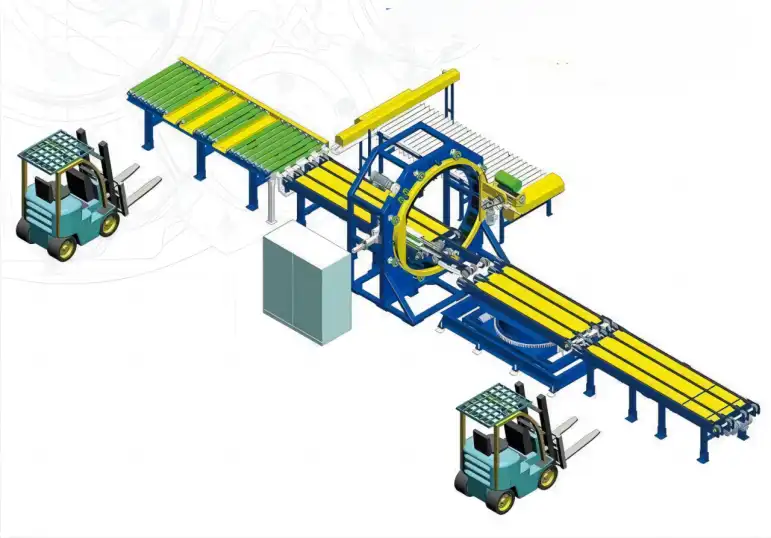

When I first started designing packing solutions, the coil’s OD was always the first number I asked for. It sets the baseline. Imagine trying to put a square peg in a round hole. Or, in our case, a large coil through a small ring. It simply does not work. But it is not just about the maximum OD. It is about the range of ODs you handle. If you wrap coils from 800 mm to 2,000 mm, your wrapper must accommodate the 2,000 mm coil. Then, it must wrap the 800 mm coil efficiently too. This means considering adjustable features or specific models that handle a wide range. I learned this when I was helping clients. They often had varied product lines. A single machine needed to be versatile. This ensures a good return on investment. The wrapper must have enough internal space. This space allows the wrapping arm to move freely around the coil. It also lets the film apply correctly. Without enough clearance, the film might snag or tear. This leads to wasted film and incomplete wraps. It also means production stops.
Clearance Requirements
When you choose a ring size, think about clearance. You need at least 200 mm to 500 mm extra space. This space is between the coil’s outer edge and the inner edge of the wrapper ring. This clearance allows the wrapping material to pass around the coil without touching the ring. It prevents friction. It also prevents damage to the coil or the wrapper. This extra space also accounts for slight variations in coil shape. It allows for the thickness of the wrapping material itself. Without enough clearance, the machine cannot operate smoothly. It might even damage the coil.
Coil Width and Inner Diameter (ID)
While OD is key, coil width and ID also play a role. The machine must hold the coil securely while it wraps. This often means using a specific conveyor system or support rollers. These supports must match your coil’s inner diameter. They must also handle its weight. The wrapper’s design must accommodate the coil’s width as it passes through the ring. For very wide coils, you might need a larger ring diameter. This provides enough space for the coil to move through horizontally.
Wrapper Frame and Support
The entire wrapper frame must be robust. It must support the weight of the largest coils you wrap. For coils up to 2,000 mm OD, these are heavy items. My factory specialized in heavy-duty machines. We knew that a weak frame leads to instability. It leads to breakdowns. The wrapper’s structure must handle the dynamic forces of the wrapping process. It also needs to deal with the weight of the coils moving on and off the machine. Always ask about the machine’s construction materials. Ask about its load capacity. This is key for long-term reliability.
What Are the Risks of Using an Undersized or Oversized Wrapper Ring?
Are you worried about making the wrong investment? Have you bought equipment before that did not live up to its promises? You need to be sure this time. You cannot afford costly mistakes.
Using an incorrectly sized orbital wrapper ring presents significant risks. An undersized ring can cause coil damage, machine jams, and safety hazards, while an oversized ring leads to material waste, inefficient wrapping, and a lower return on investment due to higher operating costs.
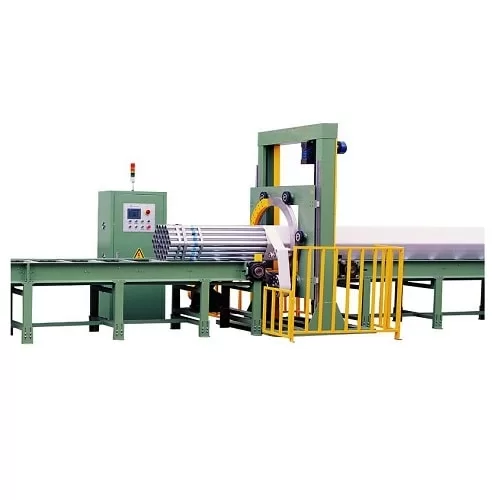

I have seen it all, from factories struggling with ancient, inefficient machines to those that bought the wrong new equipment. The frustration is real. When it comes to coil packing, the ring size is not just a specification. It is a critical operational parameter. Getting it wrong means more than just a minor inconvenience. It means real problems for your production line. It affects your profitability. I always advise my clients to measure twice and cut once, so to speak. This is especially true for equipment purchases. A misjudgment here can lead to constant headaches. It can also lead to significant financial losses over time. It is like buying shoes that are too small or too big. They might work for a moment. But they cause pain and problems in the long run. My own journey from an employee to a factory owner taught me the importance of precise engineering. It also taught me the value of practical application. These principles guide every decision I make. This includes helping others understand the risks.
Risks of an Undersized Wrapper Ring
An undersized ring creates many problems.
- Coil Damage: The most immediate risk is damage to your coils. If the ring is too small, the coil might scrape against the machine. This can scratch the surface or deform the edges. This leads to product rejections. It also leads to customer complaints.
- Machine Jams: A tight fit can cause coils to get stuck in the wrapping tunnel. This stops your production line. It requires manual intervention. This wastes time and labor. It also puts your workers at risk.
- Safety Hazards: Forcing large coils through a small opening is dangerous. It can cause coils to shift unpredictably. It can lead to accidents or worker injuries. This drives up insurance costs and increases employee turnover.
- Increased Maintenance: When coils scrape the machine, it causes wear and tear. This means more frequent repairs. It also means higher maintenance costs. It shortens the lifespan of your equipment.
Risks of an Oversized Wrapper Ring
While less dramatic, an oversized ring also carries risks.
- Material Waste: An oversized ring means the wrapping film travels a longer path. This uses more film than necessary. Over time, this wasted material adds up. It significantly increases your operating costs.
- Inefficient Wrapping: The film might not apply tightly. This leads to a loose, ineffective wrap. The coils are less protected. They are more prone to damage.
- Reduced Stability: A very large ring for a small coil can cause instability. The wrapping process might not be smooth. This can affect machine performance.
- Higher Initial Cost: Larger machines usually cost more. If you buy a wrapper that is much larger than you need, you pay more upfront. You also pay more for installation and power. This hurts your ROI.
Summary of Risks
Here is a quick look at the impact of wrong sizing:
| Risk Category | Undersized Ring | Oversized Ring |
|---|---|---|
| Product Quality | Scratches, dents, deformation, inadequate wrap | Loose wrap, poor protection, potential shifting |
| Operational Efficiency | Jams, production stops, slow wrapping | Material waste, slower wrapping (relative to potential) |
| Safety | Injury risk from forced loading, coil shifts | Less immediate, but potential for instability |
| Cost | Repairs, downtime, rejections, higher labor | Higher initial investment, increased film cost |
| Machine Lifespan | Premature wear, frequent breakdowns | Less efficient use of machine, higher running cost |
Beyond Ring Size: What Other Features Matter for Heavy Coils?
You are looking for more than just a machine. You want a partner. Someone who understands your factory. Someone who can help you solve real problems. You need equipment that is tough. It must handle your demanding environment.
While ring diameter is critical, a robust horizontal orbital wrapper for 800-2,000 mm OD coils also needs heavy-duty construction, advanced automation features, reliable coil handling systems, and comprehensive safety interlocks to ensure durability, efficiency, and worker protection.


When I built my factory, I did not just focus on making machines. I focused on making solutions. This meant thinking beyond the core function. For heavy coils, you need a machine that can take a beating. It needs to work day in and day out without fail. Many suppliers focus only on sales. They do not understand the daily grind of a busy factory like yours. They do not know about the constant pressure to increase output and control costs. I have lived that life. I know what it means to have equipment that just works. This is why I always emphasize the total package. It is not just the ring that matters. It is the entire system. It is how it integrates. It is how it holds up under pressure. My success came from understanding these details. It came from building machines that deliver. I want to share that knowledge. I want to help you make smart choices.
Heavy-Duty Construction
For coils up to 2,000 mm OD, you are dealing with significant weight. Your wrapper needs a strong frame. It needs durable components. Look for machines built with high-grade steel. They should have robust bearings and motors. These parts handle the continuous stress of wrapping heavy objects. My factory always used oversized components. This was to ensure longevity. It also minimized breakdowns. A machine that breaks down often costs you more than its purchase price.
Advanced Automation Features
Automation is key to solving your efficiency bottlenecks. Look for features like:
- Automatic Coil Centering: This ensures the coil is perfectly aligned before wrapping. It reduces manual intervention. It also prevents uneven wraps.
- Automatic Film Cut and Clamp: After wrapping, the machine cuts the film. It then clamps it for the next coil. This removes the need for an operator to do this task. It speeds up the process.
- PLC Control with HMI: A programmable logic controller (PLC) offers precise control. A Human-Machine Interface (HMI) screen makes it easy to operate. It also allows for custom wrapping programs. This means you can save settings for different coil sizes.
- Variable Speed Control: This lets you adjust the wrapping speed. You can optimize it for different coil types or film materials.
Reliable Coil Handling Systems
How coils enter and exit the wrapper is important. Consider these:
- Powered Roller Conveyors: These move coils smoothly to and from the wrapping area. They must be strong enough for your heaviest coils.
- Coil Lifting/Lowering Devices: For very large coils, a lift table or integrated hoist can make loading safer and easier. This reduces the risk of injury from manual handling.
- Edge Protection Applicators: Some wrappers can integrate with systems that apply edge protection. This guards the delicate edges of your coils. It prevents damage during transport.
Comprehensive Safety Interlocks
Safety cannot be an afterthought. Your wrapper must have strong safety features.
- Safety Fencing and Light Curtains: These create a safe zone around the machine. They stop operation if someone enters the area during wrapping.
- Emergency Stop Buttons: These buttons must be easily accessible. They should be located at multiple points around the machine.
- Fault Detection Systems: The machine should alert operators to problems. This includes film breaks or jams. It prevents minor issues from becoming major safety problems.
Can Automation with Orbital Wrappers Truly Boost Your Factory’s ROI?
Are you tired of high labor costs? Does product damage eat into your profits? You need an investment that pays for itself. You need clear returns.
Investing in an automated horizontal orbital wrapper for coils delivers a strong Return on Investment (ROI) by significantly reducing labor costs, minimizing product damage, increasing packing speed, and improving worker safety, leading to overall higher profitability for your metal processing factory.
My journey began as an employee. I saw first-hand the inefficiencies of manual processes. Then I built my own factory. I saw how automation transformed businesses. It allowed me to achieve financial independence. I helped many clients grow their businesses too. They achieved this by embracing smart technology. This is not just about buying a machine. It is about strategic investment. It is about solving critical operational problems with technology. For Michael, who runs a metal processing plant, every penny saved and every efficiency gained directly impacts the bottom line. It is not just theory. I have seen the numbers. Automated wrapping machines are not an expense. They are a profit-driving asset. They address the very core of Michael’s challenges: efficiency, safety, and cost control.
Reducing Labor Costs
One of the biggest drains on your budget is manual labor for repetitive tasks.
- Fewer Workers Needed: An automated wrapper can do the work of several people. This allows you to reassign workers to more skilled tasks. It can also reduce your overall labor needs.
- Reduced Overtime: Faster packing means less overtime for your crew. This saves money on wages.
- Lower Training Costs: Once the machine is set up, it requires less ongoing training compared to a constantly rotating manual workforce.
Minimizing Product Damage
Damaged products are lost money.
- Consistent Wrap Quality: Automated machines apply film evenly and consistently. This provides superior protection against scratches, dents, and moisture.
- Less Human Error: Machines do not get tired or make mistakes. This reduces instances of poor wrapping that could lead to damage during transit.
- Reduced Rework: Fewer damaged products mean less need for costly re-wrapping or repairs.
Increasing Packing Speed
Time is money in manufacturing.
- Faster Throughput: Orbital wrappers can wrap coils much faster than manual methods. This directly increases your factory’s overall output.
- Eliminate Bottlenecks: Manual packing often creates a bottleneck at the end of the production line. Automation removes this. It keeps your products moving.
- Improved Delivery Times: Faster packing means you can ship products sooner. This improves customer satisfaction. It also helps you take on more orders.
Enhancing Worker Safety
Safety improvements directly impact your finances.
- Fewer Injuries: Automation removes the need for manual lifting and handling of heavy coils. This drastically cuts down on workplace injuries. It means fewer sick days and fewer workers’ compensation claims.
- Lower Insurance Premiums: A safer workplace can lead to lower insurance costs.
- Higher Morale: Workers feel safer and more valued. This can reduce employee turnover. It also improves overall productivity.
Calculating ROI
To see the real value, you need to calculate your ROI.
- Identify Initial Investment: This includes the machine cost, installation, and training.
- Quantify Annual Savings:
- Labor savings (wages, benefits, overtime).
- Savings from reduced product damage (fewer rejections, less rework).
- Increased revenue from higher throughput.
- Savings from lower injury-related costs.
- Calculate Payback Period: Divide the initial investment by your annual savings. This shows how quickly the machine pays for itself.












