

Horizontal Orbital Wrapper Control: Can Variable Tension and Ring Speed Stop Telescoping on BR Roads?
In my years helping factories, I have seen too many stories end with damaged products arriving at client sites. Especially when those products have to travel over long, bumpy roads, like some of the ones in Brazil. You work hard to produce top-quality steel coils and wire, only to have them arrive looking like they were in a wrestling match. This is frustrating for you and for your clients.
Yes, precise control over variable tension and ring speed in a horizontal orbital wrapper can significantly reduce or eliminate telescoping, even when products travel over challenging roads like those in Brazil. These advanced controls ensure the packaging holds securely, keeping your products stable from your factory floor to the customer’s dock.


This is not just about buying a machine. It is about investing in a solution that solves real problems. It prevents product loss and keeps your clients happy. Let us look at how specialized wrapper controls make a real difference for factories like yours.
Why Do Current Manual Coil and Wire Packing Processes Fail on Safety and Speed?
Think about your packing area right now. Are your workers struggling to move heavy coils and wire bundles? Are they using old methods to wrap products? This scene is common in many factories. It slows everything down. It also puts your team at risk every single day.
Current manual coil and wire packing inherently limits production speed and creates severe safety risks for workers. Relying on people to handle heavy, awkward items leads to slow processes, frequent injuries, and high operating costs.
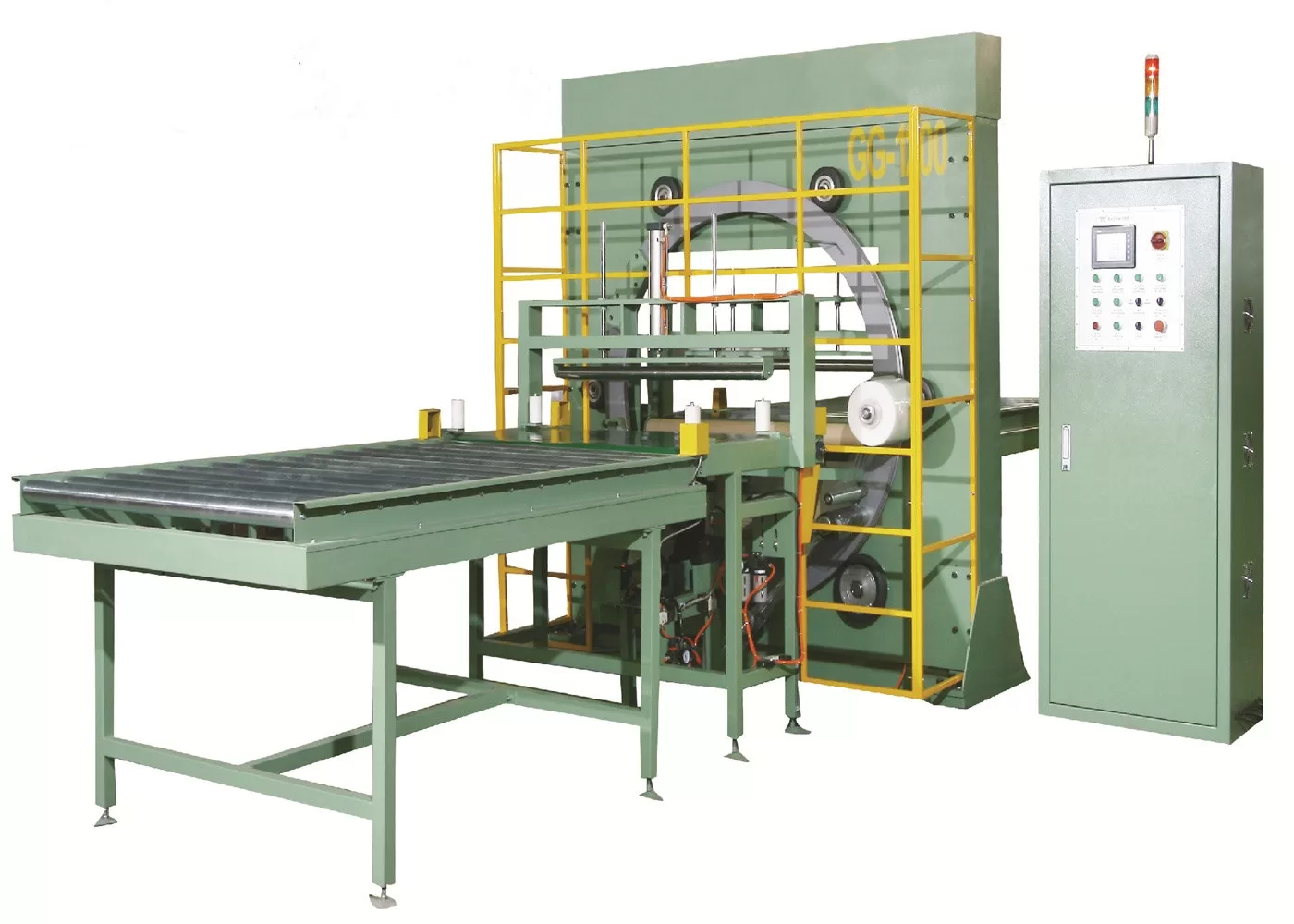

Manual packing might seem cheaper at first glance. But it creates hidden costs that add up fast. As someone who started on the factory floor and then built a successful packing machine business, I have seen this first-hand. I saw how much time and money companies lost due to these issues.
Hidden Costs and Real Dangers of Manual Packing
Manual packing puts workers in dangerous situations every day. They lift heavy objects. They bend in awkward ways. They repeat the same motions over and over. This leads to injuries like strained backs, joint problems, and even crushed limbs. These injuries mean higher insurance costs for your factory. They also lead to lost workdays. Sometimes, good workers leave because the job is too hard on their bodies. This makes it tough to keep a skilled team.
Beyond safety, manual packing is just not efficient enough for today’s production demands. Here are some key points:
- Slow Speed: People work much slower than machines. A manual packing process creates a bottleneck at the end of your production line. This means your whole factory cannot produce at its full potential. Orders take longer to get out. Deliveries get delayed.
- Inconsistent Quality: When people wrap products by hand, the quality often changes. Some packages are tight. Others are loose. This lack of consistency makes your products less secure for shipping. It can also lead to more product damage.
- High Labor Costs: You need many workers to do a job that one machine can handle. This adds up to high labor costs over time. These costs do not just include wages. They also include benefits, training, and the cost of managing a large team.
- Increased Product Damage: Manual handling of heavy and delicate items like steel coil edges often causes damage. A small dent or scratch might seem minor. But it can lead to customer complaints. It can also lead to returns. Both of these hurt your profits and your reputation.
- Limited Scalability: If you want to increase your production, you need more workers for manual packing. This is not easy to do quickly. It means hiring and training more people. It is a slow and expensive process. Machines, however, can handle much larger volumes with ease.
Here is a quick look at the differences:
| Feature | Manual Packing | Automated Packing (Horizontal Wrapper) |
|---|---|---|
| Speed | Very Slow, bottleneck | Very Fast, handles high volume |
| Safety | High risk of injuries | Minimal human contact, very safe |
| Consistency | Varies widely, prone to human error | Highly consistent, uniform wraps |
| Labor Cost | High, requires many workers | Low, requires minimal supervision |
| Product Damage | High risk of dents, scratches | Very low risk, secure handling |
| Scalability | Difficult to scale up quickly | Easy to handle increased production |
| ROI | Negative impact due to hidden costs | Positive, quick return on investment |
Looking at this, it becomes clear. Sticking with manual packing holds your factory back. It creates a cycle of inefficiencies and risks. It is a problem that needs a real solution.
How Does Variable Tension Prevent Product Damage on Rough Roads?
Imagine you just finished a big order. Your steel coils look perfect. They leave your factory. Then, a few days later, you get a call. The client tells you some coils arrived damaged. Their edges are bent. The packaging is loose. This is a common story. It happens because the packaging failed to protect the product during transit, especially on long, rough roads.
Variable tension control dynamically adjusts the film stretch during the wrapping process. This ensures consistent, optimal pressure that holds coils securely in place. It effectively prevents products from shifting, unwrapping, or experiencing edge damage, even when transported over very rough terrains.
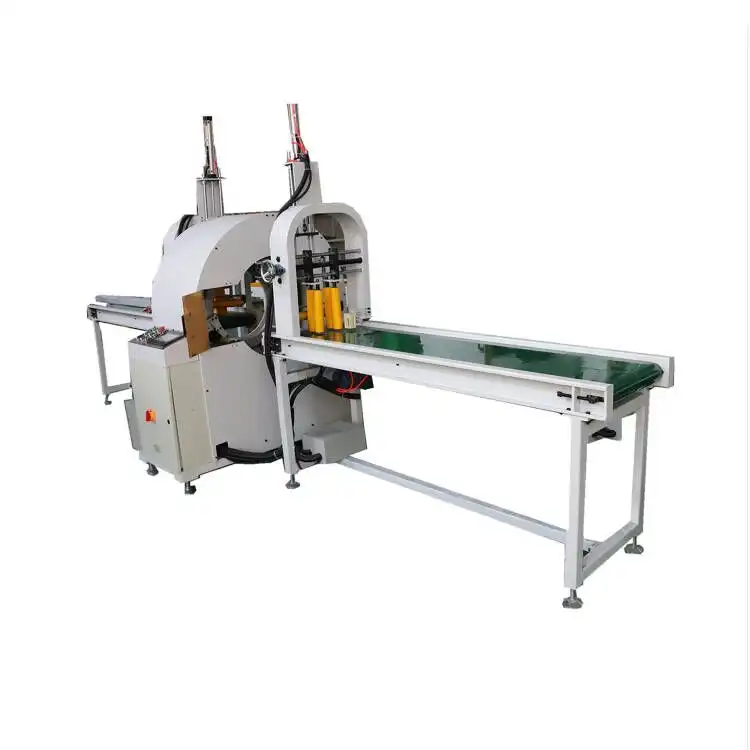

Tension is very important. It determines how tightly the film wraps around your product. If the tension is wrong, the packaging fails. This is especially true when products are vibrating and shaking inside a truck for many hours. I have seen how much difference the right tension makes in keeping a product stable.
The Science Behind Stable Shipments
Telescoping happens when the layers of a coiled product, like a steel coil, slide out of alignment. This looks like a telescope extending. It ruins the product’s shape. It makes it harder for your customer to use. It also makes your product look unprofessional. Rough roads, like many in Brazil, make telescoping worse. The constant shaking and bumping cause the coil layers to shift unless the packaging holds them very tightly.
Here is how variable tension helps:
- Dynamic Adjustment: A good horizontal orbital wrapper with variable tension control does not just apply one level of tension. It constantly senses the film and the product. It adjusts the tension as it wraps. This means it applies more tension where needed, like over a sharp edge, and less where the product is softer. This prevents damage from too much pressure. It also prevents looseness from too little pressure.
- Consistent Pressure: This dynamic adjustment results in consistent pressure across the entire package. Imagine wrapping a rubber band around something. If you pull it too tight, it snaps. If you pull it too loose, it falls off. Variable tension finds that perfect balance. It ensures the film is always just right. This uniform pressure keeps the coil layers from moving. It “locks” them in place.
- Adaptability to Product Types: Different products need different tension levels. A light wire bundle needs less tension than a heavy steel coil. Advanced machines can save different tension settings for different product “recipes.” This means you select the product on the control panel. The machine automatically applies the correct tension. This reduces errors and makes setup fast.
- Film Optimization: When tension is controlled well, you use less film. This is because you are not over-stretching it in some places and under-stretching it in others. You get the most out of every roll of film. This saves you money on materials over time.
- Vibration Resistance: The primary benefit for long-distance transport is how variable tension helps the package resist vibrations. On rough roads, constant shaking can loosen poor packaging. But with well-controlled tension, the film acts like a strong, elastic net. It absorbs the shock and keeps the product tightly bound. This means your coils arrive in the same perfect condition they left your factory.
Investing in a machine with variable tension control is not just about a feature. It is about a guarantee. It guarantees your product will stay intact, no matter how long or bumpy the journey is. It is a smart way to protect your investment and keep your customers happy.
Is Optimized Ring Speed the Key to Consistent and Secure Wrapping?
You want your products wrapped fast. You also want them wrapped well. Sometimes, these two goals seem to fight each other. If you make the machine go too fast, does the quality drop? If you slow it down for quality, do you lose production time? It is a balancing act that every factory manager thinks about.
Optimizing the ring speed in a horizontal orbital wrapper is vital for achieving uniform film overlap and strong, stable packages. This precise control over wrapping speed directly contributes to preventing product shifting and telescoping during transit, ensuring consistent product integrity and maximizing throughput.


Ring speed matters a lot. It is not just about how fast the film roll spins around the product. It is about making sure each layer of film lays down perfectly, overlapping the previous one in just the right way. This creates a strong, protective shield for your product. I have found that finding the “sweet spot” for ring speed can transform a packing line.
Balancing Speed and Stability for Peak Performance
Ring speed refers to how fast the wrapping ring rotates around the product. This speed, combined with the conveyor speed (how fast the product moves through the ring), determines the film overlap. Overlap is how much each new layer of film covers the previous layer. This overlap is critical for package strength and stability.
Here is why optimized ring speed is a game-changer:
- Uniform Overlap: If the ring spins too fast or too slow relative to the product’s movement, the film overlap becomes inconsistent. Too little overlap leaves gaps and weak spots. Too much overlap wastes film. Optimized ring speed ensures every part of the product receives the exact same number of film layers. This creates a strong, consistent wrap around the entire item. This uniform coverage is what prevents telescoping. It keeps the coil layers from shifting.
- Package Stability: A consistent, tightly wrapped package is a stable package. When the film is applied with proper overlap and tension, it forms a cohesive unit around the product. This unit resists external forces, like vibrations from a bumpy road. It keeps the product from moving inside the package. This is especially important for heavy or oddly shaped items like steel coils or wire bundles.
- Throughput Optimization: Speed is important for efficiency. But uncontrolled speed can cause problems. An optimized ring speed means the machine works at its fastest possible rate while maintaining perfect wrap quality. This helps you get more products out the door, faster. It increases your factory’s overall output without sacrificing protection.
- Reduced Film Consumption: When you have optimal overlap, you use the right amount of film. You do not use too much. This saves on material costs. It also reduces waste. Over time, these small savings add up to a lot of money.
- Adaptability for Different Products: Just like with tension, different products benefit from different ring speeds. A lightweight product might need a faster ring speed to achieve the desired overlap. A very heavy or fragile product might need a slightly slower speed for a more careful wrap. A good machine lets you program these different speeds for different product types. This makes your packing line flexible.
In my experience, factories that master ring speed control see a big difference in their shipping success rates. They get fewer calls about damaged goods. Their clients are happier. It is a clear example of how smart engineering leads to better business outcomes.
Can Automation Truly Solve Your Factory’s Efficiency and Safety Puzzles?
You are a factory manager. You deal with daily pressures to boost output, control costs, and keep your team safe. You have seen the struggles of manual processes. You also hear about automation. But can machines truly solve all your big problems? Is it really worth the investment?
Automation, particularly with well-designed horizontal orbital wrappers, fundamentally transforms factory operations by eliminating manual handling risks, dramatically increasing packing speed, and ensuring consistent product quality. It provides clear, measurable returns on investment by cutting costs and reducing product damage.


This is where my experience can help. I have not only worked in packing machine factories, but I also built one from the ground up. I have seen how automation changes a business. It is not just about replacing people with machines. It is about creating a smarter, safer, and more profitable way to operate.
Unlocking the Full Potential of Your Production Line
Automation is more than just speed. It is about precision, consistency, and safety. For a metal processing plant like yours, dealing with heavy coils and wire, automation addresses your biggest challenges head-on.
Here is how automation tackles your factory’s puzzles:
- Solving the Efficiency Bottleneck: Manual packing is often the slowest part of a production line. Automation eliminates this bottleneck. A horizontal orbital wrapper can wrap products much faster than any human. This means products move smoothly from production to shipping. Your overall output increases significantly. You can meet tighter deadlines. You can take on more orders.
- Radically Improving Safety: This is one of the biggest gains. With automated wrapping, workers no longer need to manually lift, move, or manipulate heavy coils. The machine does the dangerous work. This drastically reduces the risk of back injuries, crushed limbs, and repetitive strain injuries. A safer workplace means happier employees. It means lower insurance costs. It means less time lost to accidents.
- Eliminating Product Loss: As discussed, machines with variable tension and optimized ring speed wrap products securely. This prevents damage during internal transport and external shipping. Fewer damaged products mean fewer customer complaints. It means less money lost to reworks or returns. This directly impacts your profit margins.
- Building Supplier Trust: You have had bad experiences with suppliers who only care about sales. This is a common problem. When you look for automation, you need a partner. You need someone who understands your factory’s unique needs. This is where my background comes in. I know what it takes to run a factory. I know what problems you face. My goal is not just to sell a machine. It is to provide a solution that truly works for you. I offer insight and support that comes from years of hands-on experience in the industry.
- Clear Return on Investment (ROI): Many factory managers ask about the cost. An automated system is an investment. But the ROI is clear. You save money on labor. You save money on insurance. You save money from reduced product damage. You also gain money from increased output. These savings and gains often mean the machine pays for itself very quickly. After that, it is pure profit. I help my clients calculate this ROI. I show them how automation leads to long-term financial health.
Automating your packing process is not just an upgrade. It is a strategic move. It helps you build a more competitive, more profitable, and safer factory. It is about making your business ready for the future.
Conclusion
Controlling variable tension and ring speed in horizontal orbital wrappers solves the problem of telescoping on challenging roads like those in Brazil. This automation boosts safety, efficiency, and profits, offering clear returns for factory managers like Michael Chen.












