
Horizontal Orbital Wrapper Power: Can 380/440 V, 60 Hz Drives Drop Into Your Existing MCC?
Many factory managers I know face a common challenge. They want to upgrade their packing lines. They look at new machines like horizontal orbital wrappers. These machines promise higher speed and better safety. But then they think about the power. They wonder if a new machine, designed for 380/440V, 60 Hz, will just fit into their old Motor Control Center (MCC). This question can cause real headaches. Mismatched power can lead to broken equipment, safety risks, and lost production. It stops your factory from moving forward.
Yes, new 380/440V, 60 Hz horizontal wrapper drives can often work with your existing MCC. But it is not a simple “drop-in” task. You must carefully check your current electrical system. You need to confirm the voltage, the frequency, and how well your motors will run. Ignoring these details can cause big problems and cost a lot of money in the long run.

This is a question I hear a lot. Many factory owners and managers, just like Michael Chen from Mexico, want to improve their operations. They need reliable machines that fit their existing setup. Let’s dig deeper into the actual steps and checks you need to make. We will look at what matters when you bring new packing machine power into your factory.
Is Your Existing MCC Ready for a New 60 Hz Wrapper Drive?
You want a new horizontal wrapper. You know it will boost your factory’s output. But is your electrical system actually ready for it? I have seen many companies overlook this first, important step. They assume their current setup can handle anything. This can be a huge mistake. Mismatched power, old wiring, or insufficient capacity can stop your new wrapper from even starting. It can lead to expensive damage to both the new machine and your existing electrical system. It also creates a safety hazard for your workers.
Your MCC must precisely match the new horizontal wrapper’s voltage and frequency requirements. It also needs enough electrical capacity to handle the new motor loads without problems. Failing to check these points can lead to serious operational issues and safety risks.

Your Motor Control Center, or MCC, is like the heart of your factory’s electrical system. It controls and distributes power to many machines. When you add a new horizontal orbital wrapper, it needs stable power from your MCC. This is especially true for a powerful machine working with steel coils or wire bundles. The first step is to carefully check your current MCC. You need to look at its nameplate data. This data tells you the MCC’s voltage, amperage, and short-circuit ratings. Your new wrapper’s power needs must fit within these numbers. If your wrapper needs 440V, 60 Hz, your MCC must reliably provide that. Sometimes, an MCC might be rated for 480V. But if your actual factory voltage is closer to 440V, you might be fine. You need to confirm the exact voltage coming into your MCC.
You also need to check the capacity of your circuit breakers. Each motor in your new wrapper will draw a certain amount of current. Your MCC’s circuit breakers must be able to handle this load safely. If they are too small, they will trip often. This causes unwanted downtime. If they are too large, they might not protect the equipment properly during a fault. This can lead to equipment damage or even fires. The wiring inside your MCC and leading to the new wrapper is also important. Older factories, like Michael Chen’s metal processing plant, might have older wiring. This wiring might not be rated for the higher currents of modern equipment. It could be damaged or worn. Upgrading wiring might be necessary. Sometimes, an existing transformer needs an upgrade if it cannot supply enough stable power for the new machine. Voltage drops can happen if the wiring is too long or too thin. This affects machine performance. It can also harm the motor.
Here is a simple checklist to start with:
| MCC Check Point | What to Look For | Why It Matters |
|---|---|---|
| Nameplate Data | Voltage (e.g., 380V, 440V), Amperage, Frequency (60 Hz) | Ensures basic compatibility with new machine. |
| Breaker Capacity | Sufficient amperage for new wrapper motors | Prevents tripping, protects equipment from faults. |
| Wiring Size | Correct wire gauge for expected current load | Prevents overheating, ensures stable power delivery. |
| Grounding System | Proper and intact grounding for safety | Protects personnel from electrical shocks. |
| Transformer Load | Enough power from main transformer for new machine | Prevents voltage drops, ensures stable operation. |
| Physical Space | Room in MCC for new breakers or starter buckets | Necessary for physical installation. |
Taking the time to do these checks can save you from big problems later. It is about making a smart investment.
How Do 380/440V, 60 Hz Drives Actually Work with Your Motors?
You have checked your MCC. It looks like it can handle the new power. Now, you need to think about the motors themselves. Your new horizontal wrapper will have specific motors. These motors are designed to run on 380V or 440V at 60 Hz. They also often come with Variable Frequency Drives (VFDs). Will these motors truly run well and efficiently with your factory’s power? This is not just about voltage. It is about how the whole system talks to each other. If the motors and drives do not match your power source, your wrapper will not perform its best. It might even break down often.
Horizontal wrapper motors and their drives, made for 380V or 440V at 60 Hz, are built for specific power inputs. Matching them to your existing power source means checking for proper operation, maximum efficiency, and avoiding premature wear or failure of components.
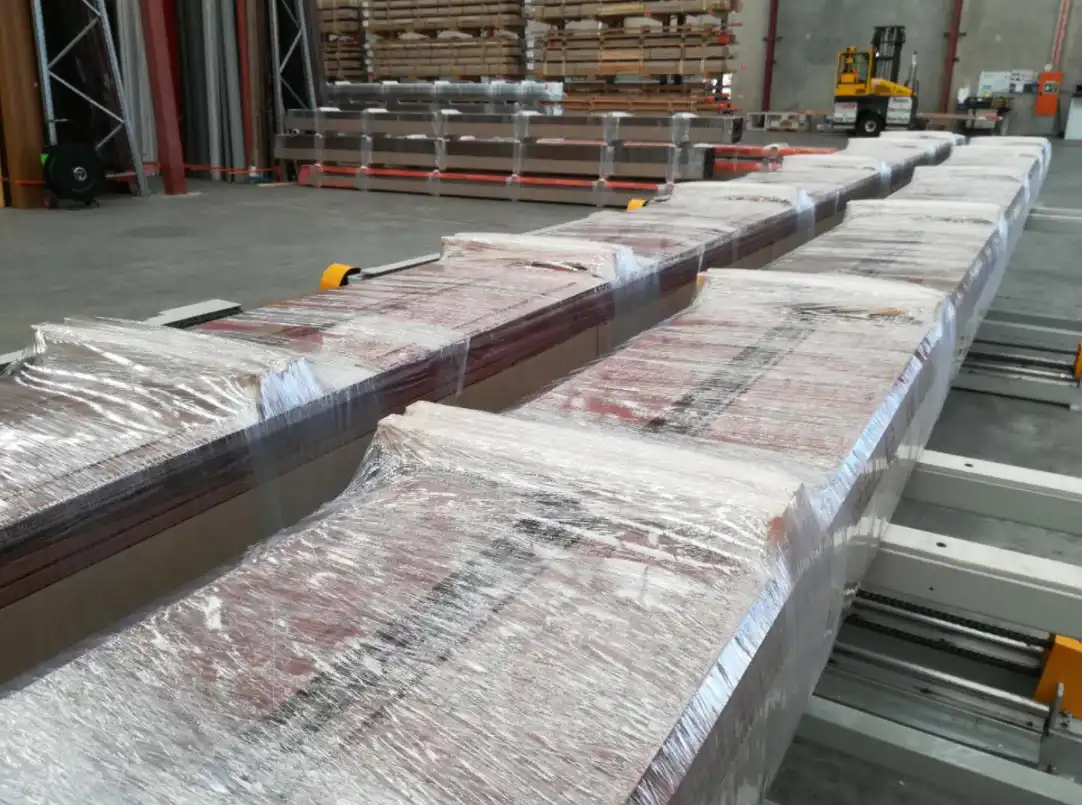
Modern horizontal orbital wrappers usually use VFDs. A VFD controls the speed and torque of an AC motor. It does this by changing the frequency and voltage of the electrical power supplied to the motor. For example, if your new wrapper has a motor designed for 440V, 60 Hz, the VFD makes sure the motor gets exactly that. The VFD takes the power from your MCC and adjusts it perfectly for the motor. This is why VFDs are so important for efficiency and precise control in packing machines.
However, you must make sure that the VFD itself is compatible with your MCC’s output. If your MCC delivers stable 440V, 60 Hz, and the VFD is rated for that, then it is usually fine. But problems can arise if the input power to the VFD is unstable. For example, if your factory’s power supply has common voltage fluctuations, this can stress the VFD. It can also affect the motor. Checking the motor’s nameplate data is critical. This plate tells you its exact voltage, current (amperage), RPM, and insulation class. The insulation class is important. It tells you how much heat the motor windings can handle. When a motor does not get the correct voltage or frequency, it can overheat. Overheating shortens the motor’s life. It makes the motor less efficient. This leads to higher electricity bills. Michael Chen, a factory manager, needs machines that are reliable and efficient. He cares about long-term costs.
Another point is harmonic distortion. When VFDs operate, they can sometimes create “harmonics” in your electrical system. Harmonics are unwanted frequencies. They can interfere with other equipment in your factory. They can cause fuses to blow or circuit breakers to trip. In some cases, you might need special filters for your VFDs to reduce these harmonics. An experienced packing machine engineer like me knows these things. We consider the whole electrical environment. We do not just look at the plug. We make sure the new wrapper fits into your entire factory power system smoothly. This ensures the wrapper runs reliably day in and day out, without causing problems for other vital machines. It protects your investment and keeps your production line moving.
What Hidden Costs Can Trip Up Your Horizontal Wrapper Installation?
You have done your research. You found a great horizontal orbital wrapper. The machine price seems good. You feel ready to buy. But stop for a moment. Have you thought about all the other costs? I have seen many companies get surprised by these “hidden costs.” These are the expenses that are not on the machine’s price tag. They can quickly add up. They can make your entire project much more expensive than you planned. This is especially true for heavy-duty machines used for coil packing or steel wire packing. Not planning for these costs can ruin your budget. It can also make your investment look less attractive.
Hidden costs for a horizontal wrapper installation often include significant electrical upgrades, unforeseen installation labor, unexpected downtime during setup, and essential staff training. These costs, if not properly accounted for, can quickly inflate your total project budget and delay production.
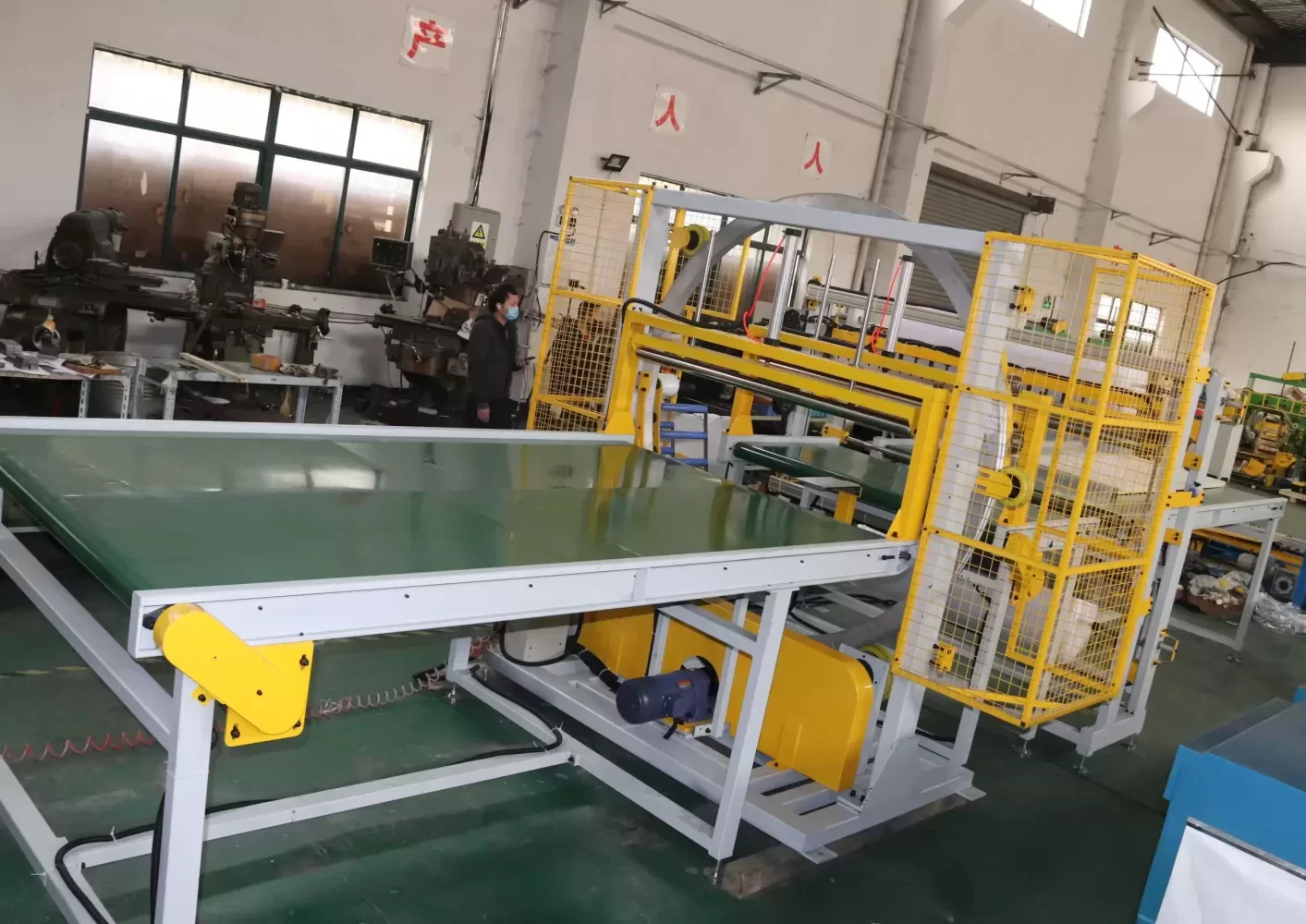
Beyond the purchase price of the wrapper, you must consider shipping and customs fees. If the machine comes from overseas, these can be substantial. Then there is the cost of rigging and foundation work. A heavy-duty horizontal wrapper needs a strong, level foundation. This often means breaking concrete and pouring new slabs. You also need special equipment to move the machine into place inside your factory. These are not small costs. Electrical installation is another big one. Even if your MCC is mostly ready, you might need new conduits. You might need new wiring runs from the MCC to the machine. You might need dedicated disconnects or safety switches. Sometimes, the existing transformer on your property cannot handle the new load. Then you need to buy and install a new, larger transformer. This is a very big expense.
Safety upgrades are also critical. Modern machines have specific safety requirements. This might include new safety fencing, light curtains, or updated emergency stop buttons. These are not always part of the machine’s base price. But they are absolutely necessary to protect your workers. Michael Chen, the factory manager, worries a lot about safety. This is a cost he would prioritize. You also need to train your staff. Your operators, maintenance team, and supervisors all need to learn how to use and maintain the new wrapper. This takes time and resources. It might mean paying for external trainers or sending your team for special courses. During installation, your production line will likely stop or slow down. This means lost production hours. This downtime is a direct cost to your business. It is vital to plan for it and minimize it.
Finally, do not forget spare parts. When you buy a new machine, you should also invest in a basic set of spare parts. These include things like motors, sensors, belts, and specific electrical components. Having these parts on hand prevents long delays if something breaks down. You cannot afford to wait weeks for a spare part when your production is stopped. Michael Chen has dealt with suppliers who only focused on selling, not after-sales service. This includes spare parts availability. A trusted partner will help you identify what spare parts you need. They will also provide clear pricing for them. This helps avoid surprises later. These hidden costs can turn a good deal into a bad one if you are not prepared. Always ask your supplier for a full breakdown of all potential costs.
Can a New Horizontal Wrapper Really Improve Your Factory’s Bottom Line?
You are thinking about buying a new horizontal orbital wrapper. It is a big investment. You need to know if it will truly help your factory make more money. Factory managers like Michael Chen are under pressure to boost output and cut costs. They need clear evidence that a new machine will deliver a strong return on investment (ROI). It is not enough for a machine to just look good. It must solve real problems and add value. So, can this new packing machine really improve your factory’s profit? The answer is a clear “yes,” but let me show you how.
A new horizontal wrapper can significantly cut labor costs, reduce product damage, and speed up your packing process. This leads to higher profits, fewer customer complaints, and better overall factory efficiency. It makes your investment worthwhile and helps your business grow.

First, let’s talk about labor costs. Many factories, especially those dealing with heavy items like steel coils or wire, still rely on manual packing. This needs many workers. These workers spend hours wrapping products by hand. A horizontal orbital wrapper automates this. It can do the work of several people. This allows you to reassign workers to other parts of the factory. Or, it can reduce the need for overtime. This directly cuts your labor expenses. It also reduces the high risks of injury from manual handling of heavy goods. Michael Chen faces high injury risks and insurance costs. An automated wrapper directly addresses this. Fewer injuries mean lower insurance premiums and better employee morale.
Next, product damage. Michael’s factory loses profit due to damaged steel coil edges during transit and packing. Manual handling can easily lead to scratches, dents, or deformed products. This means customer complaints, returned goods, and lost sales. A horizontal wrapper wraps products tightly and consistently. It uses stretch film to protect the product’s surface and edges. This reduces damage during internal transport and shipping. When products arrive in perfect condition, customers are happier. This improves your reputation and reduces financial losses from rejected goods. The savings from reduced damage can be very significant over time.
Then, there is efficiency. Michael’s current packing process is slow. It creates bottlenecks at the end of the production line. A horizontal wrapper is much faster than manual packing. It can wrap products in minutes, not hours. This speed-up means your entire production line can move faster. You can produce more output in the same amount of time. This helps you meet delivery deadlines. It also allows you to take on more orders. More output with fewer delays directly impacts your bottom line. It helps your factory grow.
Finally, think about the long-term benefits. Investing in reliable, automated equipment shows you are serious about modernizing your factory. It can attract better talent. It can also impress potential clients. The Return on Investment (ROI) for a horizontal wrapper often comes from these combined savings: labor, materials, and increased output. As a packing machine engineer who built a factory, I know these numbers matter. For example, if you save $X in labor per day and $Y in damaged goods per day, you can quickly see when the machine will pay for itself. Michael Chen wants clear ROI. A good wrapper provides it by addressing his core challenges: efficiency, safety, and product loss.
Conclusion
Investing in a horizontal orbital wrapper requires careful planning, especially for electrical compatibility. Partnering with experts ensures a smooth installation, addresses hidden costs, and delivers clear ROI, boosting your factory’s efficiency and profit.








