
What Performance Can You Really Expect from a Horizontal Orbital Wrapper: Speed, Film Usage, and Durability?
Are you a factory manager facing constant pressure to boost output, cut costs, and keep your team safe? Maybe your current coil and wire packing process involves too much manual work. This often means slow speeds and high risks. You see products getting damaged during handling. You might also struggle to trust equipment suppliers after bad experiences. If this sounds like your daily struggle, you are not alone. Many businesses, especially in heavy industries like metal processing, deal with these exact issues.
Horizontal orbital wrappers offer a clear solution to these problems. They boost packing speed, cut film waste, and stand up to tough industrial use. These machines automate what was once a slow, risky manual task. They wrap long products like steel coils, pipes, or wire bundles tightly. This keeps products safe and improves flow. Many users report significant gains in efficiency and big drops in material damage after they add these machines to their lines.

You know the true cost of downtime. You know that even small stops mean big losses. So, investing in new equipment is a big decision. You want to know what you get. You need to be sure the machine will solve your problems. Let us dive into the key performance areas. We will look at speed, film use, and durability. I will share insights from my years building packing machines and helping factories grow.
How Fast Can a Horizontal Orbital Wrapper Really Pack Coils and Wires?
Does your current packing line slow down your whole factory? Are you tired of bottlenecks at the end of your production? Manual packing of heavy items like steel coils or wire bundles is slow. It takes many people. This directly hurts your ability to deliver products on time. It also limits how much you can produce each day.
Horizontal orbital wrappers dramatically increase packing speed compared to manual methods. A typical machine can wrap 20 to 60 products per hour. This depends on the product size and desired wrap layers. This high speed greatly reduces bottlenecks at the end of the line. It ensures a steady flow of finished goods. This lets you meet higher production demands without adding more labor.

When I started FHOPEPACK, I knew speed was a major pain point for many factories. I saw it often. Factories would invest in fast production machines, but then packing would hold everything up. It was like putting a sports car engine in a truck. The key is to match the packing speed to your production output. If your factory makes 40 coils an hour, your wrapper must keep up. Anything less will create a pile-up. This problem costs time and money. It also increases stress for your team.
Factors Affecting Wrapping Speed
Many things change how fast a horizontal orbital wrapper works. It is not just one number. Understanding these factors helps you pick the right machine. It also helps you set up your line for best performance.
-
Product Size and Weight: Smaller, lighter items generally wrap faster. A machine might handle a small wire coil very quickly. But a large, heavy steel coil needs more time. The machine must move more slowly and carefully. This ensures a safe and secure wrap. For example, a wrapper might handle small wire bundles at 60 pieces per hour. However, it might only wrap large steel coils at 20 pieces per hour. This is due to the need for more turns and stronger film tension.
-
Wrap Layers Required: More wrap layers mean more machine rotations. This takes more time. Some products need only a few layers for dust protection. Others, like steel for export, need many layers for full weather protection. Each extra layer adds seconds to the cycle time. For example, a machine wrapping with 3 layers will be much faster than one wrapping with 10 layers. You must balance protection needs with speed goals.
-
Film Type and Tension: The type of film used also matters. Thinner films might break if pulled too tight at high speeds. Thicker films can handle more tension. This allows for faster wrapping. Proper film tension is key. Too loose, and the wrap is not secure. Too tight, and the film might snap. This causes downtime. Modern machines have good tension control. This lets them use a wide range of films. It also helps keep speed high.
-
Automation Level: Fully automated systems are faster than semi-automated ones. In a semi-automated setup, an operator might load products or cut film. This adds human time to each cycle. A fully automated system integrates into the production line. It takes products directly. It wraps them. Then it sends them to the next step. This removes human delays. This is what factories in Mexico need. They want to cut manual work. They want to boost output.
-
Machine Maintenance: A well-maintained machine runs faster and more reliably. Poor maintenance leads to breakdowns. This means unexpected stops. A machine needs regular checks. It needs good parts. This ensures it keeps its top speed. I always tell my clients that maintenance is not a cost. It is an investment. It protects your output.
As a packing machine engineer, I have seen first-hand how these elements combine. I remember one client who was frustrated with their wrapping speed. They thought their machine was too slow. We looked at their process. We found they were using the wrong film for their speed setting. We also saw their operators had to manually adjust the product before each wrap. By fixing these small issues, we got their machine to run much faster. This showed that understanding the full picture is important.
Is Your Horizontal Orbital Wrapper Saving You Money on Film Usage?
Are you losing money because of damaged products during internal transfers or shipping? Does your current packing method use too much film? Or worse, does it not protect your products well enough? Product damage, like bent steel coil edges, leads to customer complaints. This hurts your reputation. It also cuts into your profits. Wasteful film use also adds up to big costs over time.
Horizontal orbital wrappers are designed to optimize film usage. They apply stretch film efficiently, reducing waste. They use a pre-stretch system that can stretch a single meter of film into three or four meters. This cuts down on how much film you buy. This also means fewer film roll changes. It saves material costs and labor time. This efficient use of film also makes sure your products are wrapped tightly. This protects them better during shipping and handling. It prevents damage and reduces customer complaints.
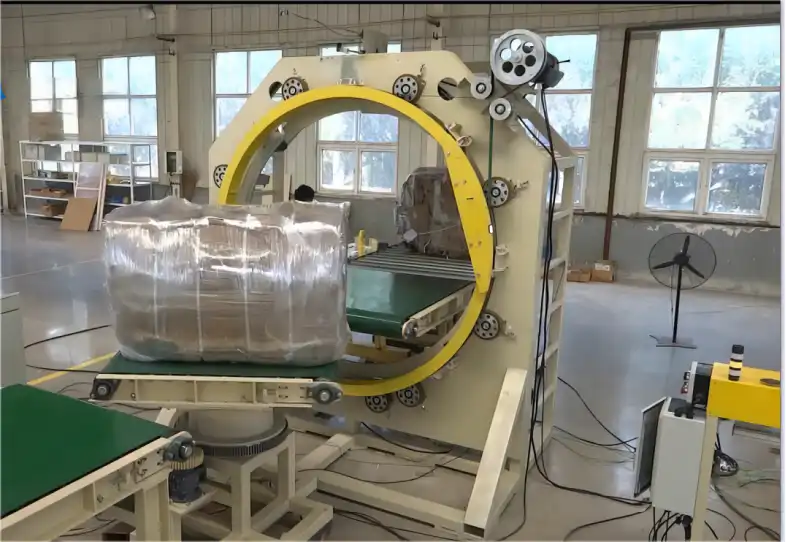
When I helped set up my own packing machine factory, every cost mattered. Film was a big one. I saw many factories just buying more film. They did not think about how they used it. They just focused on wrapping. But smart film use is key to profit. It is not just about less waste. It is about better protection. It is about fewer returns. This is especially true for products like steel coils that must arrive perfect.
Strategies for Optimal Film Usage
Getting the most out of your film means more than just using a wrapper. It means understanding how the machine works. It means setting it up right. It means picking the best film.
-
Pre-Stretch Capabilities: This is the most important feature for film saving. A good pre-stretch system can stretch film by 200%, 250%, or even 300%. This means 1 meter of film becomes 3 meters. This means you buy much less film for the same amount of wrapping. Older machines might not have this. Or their pre-stretch might not be as good. Always check the pre-stretch ratio. It directly impacts your bottom line. For example, if you use 100 meters of film without pre-stretch, a 250% pre-stretch system could do the same job with only 28.5 meters of film. This is a huge saving.
-
Film Gauge and Quality: Using the right film thickness matters. Thinner films are cheaper per roll. But they might break more often. This causes downtime. Thicker films cost more. But they can give better protection with fewer layers. They also break less. High-quality film holds tension better. It resists punctures. This means you can often use a thinner, high-quality film instead of a thicker, lower-quality one. This saves money. It also gives better results.
-
Wrap Pattern and Layers: Not all products need the same wrap pattern. You can adjust how much overlap there is between film layers. You can also adjust how many layers are applied. For a product that just needs dust protection, fewer layers and less overlap are fine. For something heavy, like a steel coil, you need more layers and a good overlap. This balances film use with protection. Too many layers waste film. Too few layers mean damaged products. You need to find the sweet spot.
-
Automatic Film Cut and Clamp: These features cut film waste. They also save labor time. Without automatic cut and clamp, an operator has to manually cut the film. They also have to attach it to the next product. This leaves a small tail of wasted film each time. It also takes time. Automated systems do this precisely. They do it quickly. This cuts down on waste. It also makes the process smoother.
-
Operator Training and Machine Calibration: A well-trained operator knows how to set up the machine for best film use. They know how to adjust tension. They know how to pick the right wrap program. Regular machine calibration ensures the pre-stretch system works right. It also ensures the tension stays even. This keeps film use consistent. It stops wasteful stretching or breaking. I have seen factories save thousands of dollars a year just by training their operators better. They also made sure their machines were calibrated.
Think about the metal processing factory in Mexico. They struggle with product damage and supplier trust. Showing them how a wrapper saves film and protects coils directly answers their problems. It also builds trust. My experience taught me that real value comes from practical solutions that cut costs and improve quality.
How Durable Are Horizontal Orbital Wrappers in Tough Factory Environments?
Are you looking for equipment that can truly withstand your factory’s harsh conditions? Do you worry about machines breaking down? In industries like steel or heavy manufacturing, equipment needs to be tough. Any machine failure means production stops. This costs a lot of money. You need equipment that will keep working. You need it to last for years.
Horizontal orbital wrappers built for industrial use are designed for extreme durability. They feature heavy-duty steel frames, industrial-grade components, and robust motors. These machines can handle continuous operation in dusty, hot, or humid environments. They can also manage heavy product loads, like large steel coils or metal bars. This rugged construction minimizes breakdowns. It ensures a long operational life. This provides peace of mind for factory managers who need reliable performance in tough conditions.
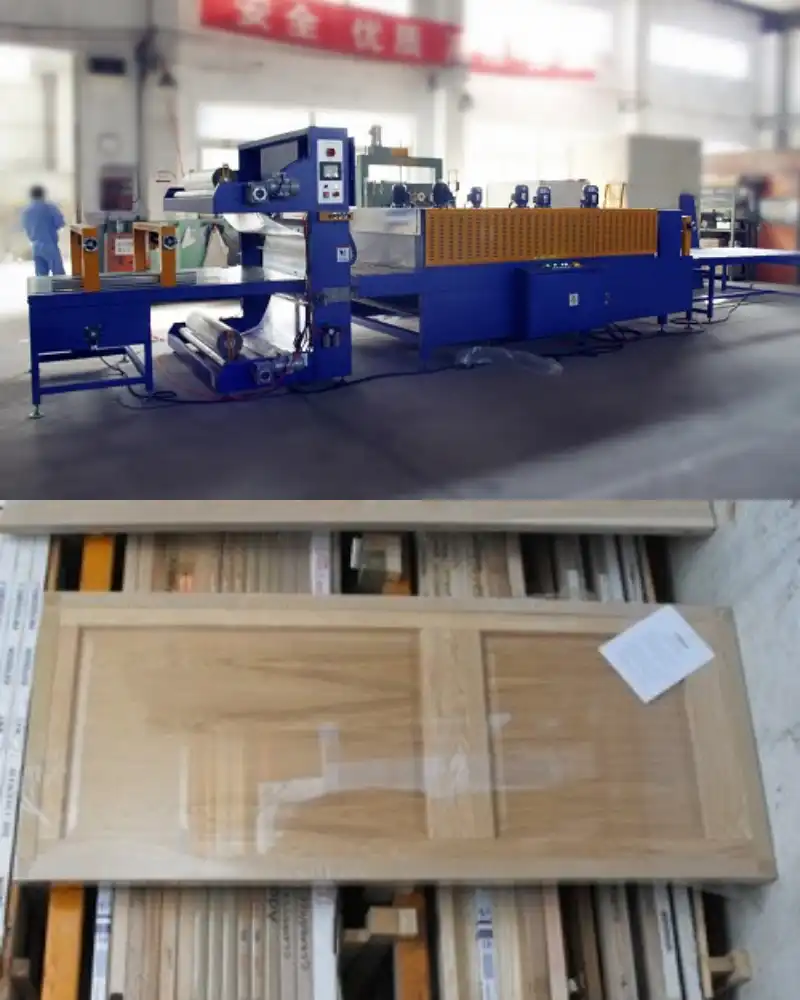
My journey in the packing machine industry started on the factory floor. I saw first-hand what breaks and why. I saw machines that looked good but fell apart under real stress. When I built FHOPEPACK, I put durability first. I knew that in places like a metal processing factory, a machine is not just a tool. It is a critical part of the production line. It must work every day, all day. It must handle heavy, rough products. It must stand up to dust and vibration.
Key Factors for Industrial Durability
When you choose a horizontal orbital wrapper, look beyond the sales pitch. Look at the real build quality. Look at the materials. These things tell you if a machine will last.
-
Frame Construction Materials: The core of a durable machine is its frame. Look for heavy-gauge steel. It should be welded robustly. Thicker steel and strong welds mean the machine can resist twisting and bending under stress. It also handles impacts better. This is especially important when dealing with heavy products like steel coils that can shift. Light, thin frames will not last in a demanding factory. I always chose the thickest steel for my machines.
-
Component Quality (Motors, Bearings, Electricals): A machine is only as strong as its weakest part. High-quality motors, like those from trusted brands, last longer. They also perform better under constant load. Good bearings mean smooth operation and less wear. Industrial-grade electrical components resist dust, moisture, and power surges. Using cheap components saves money upfront. But it costs much more in repairs and downtime later. For example, if a wrapper uses a low-grade motor, it might overheat after a few months of continuous use. This means expensive repairs and lost production.
-
Dust and Moisture Protection: Factory environments are often dusty or damp. Dust can get into motors and electrical panels. This causes short circuits or overheating. Moisture can lead to rust and corrosion. A durable wrapper has sealed electrical enclosures. It has protective covers over moving parts. This keeps out harmful elements. This extends the machine’s life. This is vital in metal factories where metal dust is common.
-
Wear Parts and Ease of Replacement: Some parts will wear out over time. These include rollers, belts, or cutter blades. A well-designed durable machine makes these parts easy to access. It also makes them easy to replace. This reduces maintenance time. It also reduces costs. If you need special tools or complex procedures to change a common wear part, it means more downtime. It also means more frustration.
-
Vibration Resistance: Machines that handle heavy items can experience a lot of vibration. This vibration can loosen bolts. It can damage electrical connections. A durable machine is designed to absorb or resist these vibrations. It uses strong mounting points. It uses vibration-dampening materials. This keeps all parts secure. It ensures stable operation over many years. When I was building my factory, I learned that small details in construction could make a huge difference in long-term performance.
For a factory manager like Michael in Mexico, who has seen machines fail, durability is not just a feature. It is a promise. It is the core reason to trust a supplier. My experience taught me that building trust means delivering machines that truly last. It is about understanding the real challenges on the factory floor. It is not just about selling a product. It is about selling a solution that endures.
Why Partnering with a Real Expert Like Me Changes Everything for Your Packing Operations?
Have you dealt with equipment suppliers who only care about the sale? Do they disappear once the machine is delivered? This creates a big trust problem. You need a partner who truly understands your factory’s specific problems. You want someone who can offer real solutions. You do not just need a machine. You need expert guidance. This ensures your investment genuinely solves your bottlenecks. It must also boost your business growth.
Choosing FHOPEPACK means partnering with me, Randal Liu, and my deep packing machine industry experience. I started as an employee, then built my own successful factory. This journey taught me the exact pain points factories face: efficiency, safety, product loss, and the need for reliable equipment. I understand your production bottlenecks, safety risks, and efficiency challenges. I offer practical insights and proven solutions for coil and steel wire packing. This partnership gives you the confidence that your investment will truly deliver clear ROI and drive your business forward.
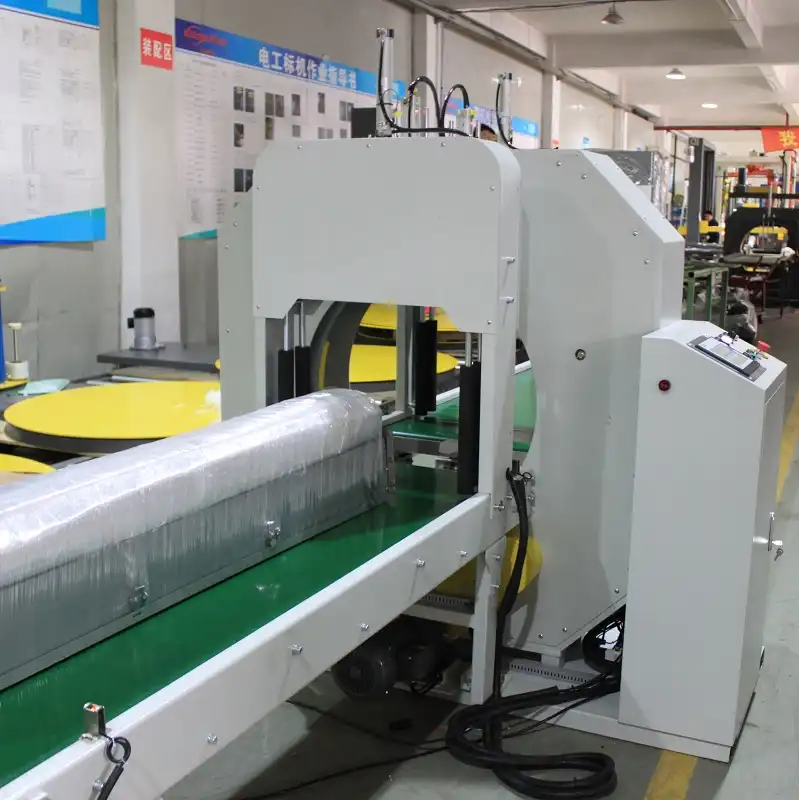
My personal journey in the packing machine industry shaped FHOPEPACK’s mission. I started with nothing. I worked hard on the factory floor. I learned every part of the business. Then, I built my own factory. I know what it takes to make a business work. I achieved financial independence thanks to the packing industry. Now, I want to give back. I share my knowledge. I help others succeed. My goal is to make mold knowledge accessible. My goal is to help you understand the craft. This is not just about selling machines. It is about sharing wisdom. It is about building real partnerships.
The Value of a True Industry Partner
Working with a knowledgeable partner goes beyond buying equipment. It means gaining a trusted advisor. It means getting solutions tailored to your unique needs.
-
Understanding Your Specific Challenges: Many suppliers only know their products. They do not know your factory. I understand the pressures of a factory manager in heavy industry. I know about manual handling risks. I know about the costs of product damage. I know about slow production. I have lived these problems. So, when you tell me about your challenges with steel coil packing or wire bundling, I truly get it. I can see the issue from your side. This helps me suggest the best machine and solution.
-
Tailored Solutions, Not Just Sales: A good partner does not just push the most expensive machine. They listen. They look at your current setup. They figure out what you really need. Sometimes, a smaller, simpler machine is best. Sometimes, a custom solution is required. I focus on finding the right fit for your factory, your budget, and your specific products. This means a solution that truly solves your bottlenecks and delivers clear ROI. For example, for a metal factory in Mexico, I would consider their hot climate. I would consider the type of coils they pack. I would consider the skills of their operators.
-
Proactive Problem Solving: My experience helps me foresee problems. I can spot potential issues during installation. I can see issues during operation. This means fewer surprises for you. It means smoother integration. It means less downtime. I can offer advice on line layout. I can offer tips on maintenance. I can help you train your staff. This proactive approach saves you time and money in the long run. It is much better than waiting for something to break.
-
Long-Term Support and Trust: My goal is to build long-term relationships. I want to be your partner for years, not just for one sale. This means reliable after-sales service. It means quick responses to your questions. It means honest advice. I know Michael Chen has faced supplier trust crises. I want to change that. I believe trust comes from delivering consistent value and being there when you are needed. When I established my own factory, I prioritized building lasting relationships with my clients. This approach allowed me to help many of them grow their businesses.
-
Financial Independence and Giving Back: My success in the packing machine industry allowed me to achieve financial independence. Now, I am grateful for that opportunity. I am dedicated to giving back. I share my expertise. This means you benefit from years of hard-won knowledge. You get insights that are not just theoretical. They are based on real-world success and overcoming challenges. This commitment to sharing knowledge is at the core of FHOPEPACK. It is why I am so passionate about helping others succeed in this field.
This goes beyond just selling a machine. It means providing a roadmap to better efficiency, higher safety, and increased profits. It means giving you a true partner in your business growth.
Conclusion
Horizontal orbital wrappers are essential for modern factories, boosting speed, optimizing film use, and offering great durability. Partnering with FHOPEPACK and my real-world experience ensures you get the right solution for lasting success.








