
Are Side-by-Side Horizontal Stretch Wrapper Tests the Key for Board and Panel Manufacturers?
Are you a factory manager facing constant pressure to boost output, control costs, and keep your workers safe? Do you see your current packaging process as a major bottleneck? Many plant managers feel this way. Manual wrapping is slow. It creates safety risks. It can even damage your products. These issues hurt your bottom line. They slow down your entire operation.
Side-by-side horizontal stretch wrapper tests are crucial for board and panel manufacturers. They provide direct, real-world proof of a machine’s efficiency, safety features, and ability to protect products. These tests help managers like Michael Chen make smart investment decisions. They show how a new machine can solve current production problems. They also build trust with the equipment supplier.
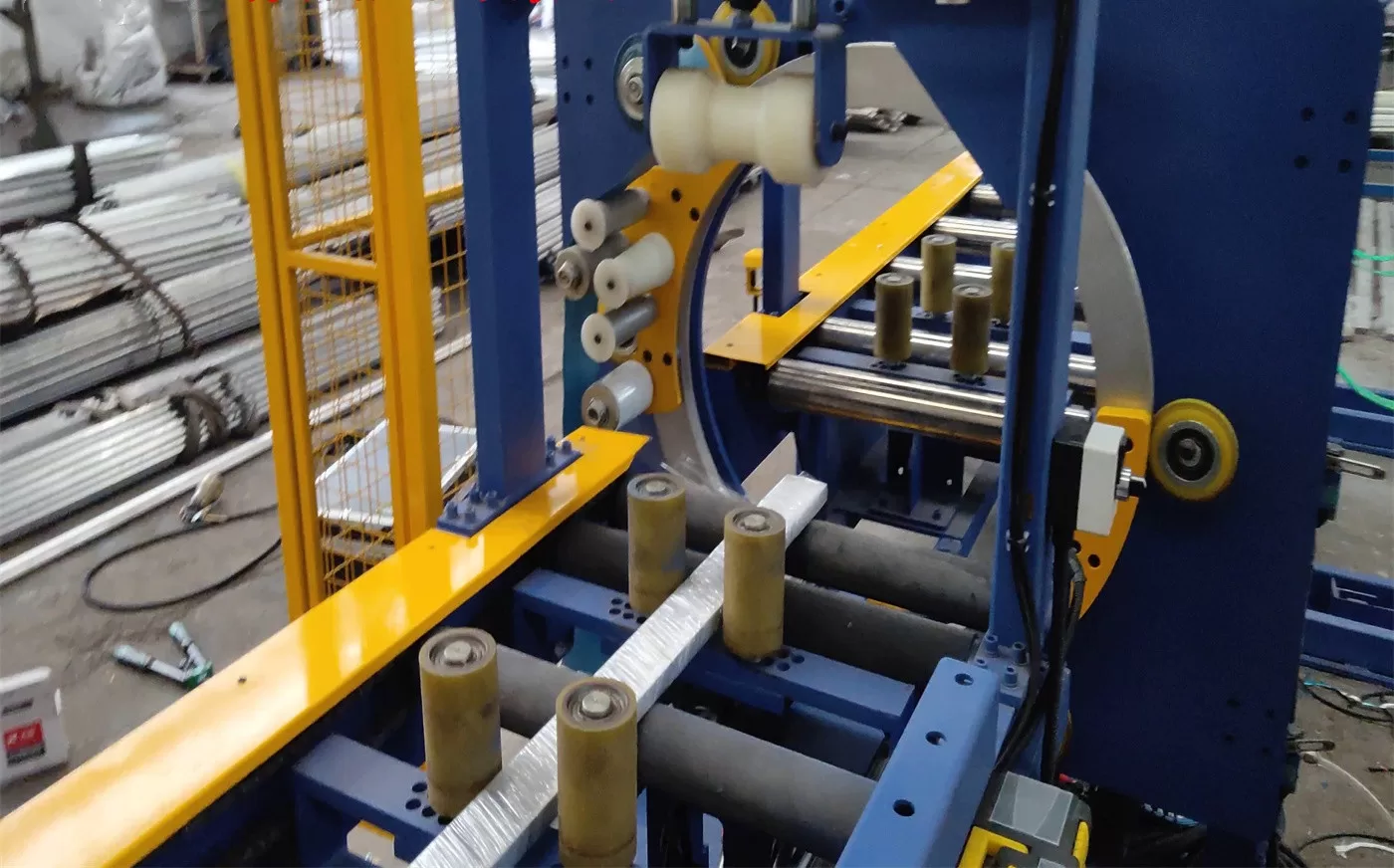
You might be wondering if such tests are really worth your time and effort. I built my career from the factory floor. I know the challenges you face. I understand that investing in new equipment is a big decision. This is why I believe in showing what our machines can do. Let us explore why a side-by-side test is not just an option, but a critical step to solving your factory’s biggest problems.
Why Are Side-by-Side Tests Important for Efficiency?
Do your current steel coil or wire packaging lines rely on many people? Is the process slow? Does it reduce your overall production speed? This is a common problem. Many factories struggle with slow manual packaging. It becomes a bottleneck at the end of the line. This slows down delivery times. It also affects overall production targets.
Side-by-side tests directly show how much faster an automated horizontal stretch wrapper can be compared to manual methods. These tests demonstrate the machine’s throughput speed. They prove how quickly it can wrap different product sizes. This helps manufacturers see the real impact on production efficiency. It removes the guesswork from equipment investment.

The manual packaging of heavy items like steel coils or various panel products is very labor-intensive. It uses a lot of time. It takes many workers. Each coil or panel needs careful handling. Workers must position the material. They must apply the wrapping film by hand. This process is slow. It is also inconsistent. An automated horizontal stretch wrapper does this work much faster. It does it with great consistency. A side-by-side test lets you see this difference clearly.
How Manual Wrapping Slows You Down
- High Labor Requirements: Manual wrapping needs many people. These workers could do other tasks.
- Inconsistent Speed: Human speed varies. Some days are faster than others. This makes planning hard.
- Worker Fatigue: Handling heavy film and moving around large products tires workers. This leads to slower speeds later in the day.
- Training Needs: New workers need training. This takes time. It also costs money.
- Limited Throughput: Manual methods can only handle a certain number of packages per hour. This limits your factory’s total output.
How Automated Wrappers Boost Speed
- Consistent Cycle Times: Machines wrap products at a steady speed. This makes production planning easier.
- Reduced Labor: One operator can manage several machines. This frees up other workers.
- Faster Wrapping: Machines are much quicker at applying film. They can wrap large coils or panels in minutes, not tens of minutes.
- 24/7 Operation: Machines can run almost non-stop. They only need breaks for maintenance.
- Increased Production Capacity: By removing the packaging bottleneck, your factory can produce more goods. This helps meet customer demand faster.
During my time on the factory floor, I saw how much time was wasted at the end of the line. Packaging often became the bottleneck. It did not matter how fast production was upstream. If packaging was slow, everything backed up. When I started my own factory, I knew automation was the key to solving this. A side-by-side test truly shows this. It takes the numbers out of a brochure and puts them into your real-world view. You can see how the machine impacts your actual production flow. You can compare it directly to your old methods. This helps you calculate how much time and money you will save.
Can Horizontal Wrappers Make Your Factory Safer?
Do your workers handle heavy coils or panels by hand? Do they flip heavy pallets? This can be very dangerous. It causes many injuries. High injury rates lead to higher insurance costs. They also cause workers to leave the job. Managers like Michael worry about these risks every day.
Side-by-side horizontal stretch wrapper tests clearly show how these machines reduce the need for manual handling of heavy items. They demonstrate the machine’s safety features in action. This includes automatic loading and wrapping. The tests prove how automation keeps workers away from dangerous parts and heavy loads. This significantly lowers the risk of workplace injuries and improves overall factory safety.

Worker safety is a top concern for any factory manager. Moving heavy steel coils or large, bulky panels carries a high risk of injury. Workers can get crushed. They can strain their backs. They can suffer cuts or falls. These accidents are costly. They cost in terms of human suffering. They also cost in terms of medical bills, insurance claims, and lost workdays. An automated horizontal stretch wrapper removes most of these risks. The machine does the heavy lifting. It does the wrapping. Workers simply monitor the process.
Risks of Manual Handling in Packaging
- Back Injuries: Lifting and twisting with heavy loads puts great strain on the back.
- Crush Injuries: Heavy items can fall or shift. This can crush limbs or other body parts.
- Cuts and Abrasions: Sharp edges on products or packaging materials can cause cuts.
- Falls: Workers might trip over uneven loads or packaging materials.
- Repetitive Strain Injuries: Doing the same motions over and over can hurt joints and muscles.
How Automated Wrappers Boost Safety
- Reduced Manual Contact: Workers do not need to touch heavy products during wrapping. This keeps them safe.
- Automated Loading/Unloading: Many horizontal wrappers have automatic loading and unloading systems. This removes the need for human hands.
- Safety Guards and Sensors: Modern machines come with safety guards. They also have sensors. These stop the machine if a person gets too close.
- Consistent Process: Machines perform tasks in a predictable way. This removes human error, which often causes accidents.
- Better Ergonomics: The overall workstation design is safer. It reduces awkward movements for workers.
I have seen firsthand the severe impact of workplace injuries. They affect the worker, their family, and the entire factory morale. When I built my own factory, safety was always a top priority. It is not just about rules. It is about investing in equipment that protects people. A side-by-side test is powerful. It allows you to see the safety features in action. You can watch how the machine handles the product safely. You can observe how your workers interact with the machine. This directly shows how the new wrapper can make your factory a much safer place. It gives you peace of mind.
Do Horizontal Wrappers Really Reduce Product Damage?
Does your product get damaged during internal transport? Does it get damaged during the packaging process? This happens to many products. Steel coil edges can get dinged. Panels can get scratched. This leads to customer complaints. It also means lost profits. Protecting your product until it reaches the customer is vital.
Side-by-side horizontal stretch wrapper tests demonstrate the machine’s ability to provide consistent, protective wrapping. These tests show how the wrapper handles various product shapes without causing damage. They prove how a machine can apply film tightly and evenly. This prevents common types of product damage during handling, storage, and shipping. It reduces customer complaints and saves money.

Product damage is a silent killer of profits. Even small nicks or scratches can lead to a customer rejecting a shipment. This means costly returns. It means re-shipping. It hurts your company’s reputation. Manual packaging often causes damage. Workers might drop a coil. They might drag a panel. The film application might be uneven. This leaves parts of the product exposed. An automated horizontal stretch wrapper provides a consistent, protective wrap. It does this every time.
Causes of Product Damage in Packaging
- Impact During Handling: Dropping or bumping products during manual movement.
- Abrasion: Rubbing against other surfaces during transport or storage.
- Exposure to Elements: Parts left unwrapped can be affected by moisture or dust.
- Improper Wrapping: Film applied too loosely or unevenly does not protect well.
- Edge Damage: Corners and edges of panels or coils are very prone to damage.
How Automated Wrappers Protect Products
- Consistent Film Tension: Machines apply film with steady tension. This gives a tight, secure wrap.
- Full Coverage: The wrapper ensures every part of the product is covered. This protects against dust, moisture, and impact.
- Gentle Handling: Automated systems handle products smoothly. This reduces the risk of drops or bumps.
- Customizable Wrap Patterns: Machines can be set to apply more layers to vulnerable areas like edges.
- Reduced Human Error: Humans make mistakes. Machines do not. This leads to fewer damaged products.
In my years in the packaging industry, I learned that a good machine does not just pack fast. It packs well. It protects the product. I have seen clients lose big deals because of damaged goods. It breaks trust. When I started FHOPEPACK, I knew our machines had to deliver flawless protection. A side-by-side test is your chance to see this. You can bring your actual products. You can watch them go through the machine. You can inspect the wrapped product immediately. You can see how the machine prevents the very damages that cost you money and customer trust. This makes the investment very clear.
How Do You Find a Reliable Horizontal Wrapper Supplier?
Have you worked with equipment suppliers who only care about the sale? Did their after-sales service disappear? This causes a lot of worry. It makes you cautious about choosing new partners. A machine is a long-term investment. You need a partner you can trust.
Side-by-side horizontal stretch wrapper tests are an excellent way to evaluate a supplier’s commitment and expertise. These tests allow you to see the supplier’s technical support in action. You can judge their willingness to understand your specific problems. They demonstrate the supplier’s professionalism beyond just selling a machine. This helps build the trust needed for a successful, long-term partnership.
Finding the right supplier is as important as choosing the right machine. Many companies promise a lot. But when problems happen, they are nowhere to be found. A good supplier offers more than just a product. They offer solutions. They offer support. They understand your industry. They understand your unique challenges. This is what I aimed to build with FHOPEPACK. I wanted to be a partner, not just a seller.
Signs of an Unreliable Supplier
- Pushy Sales: They focus only on closing the deal. They do not listen to your needs.
- Poor Communication: They are hard to reach after the initial contact.
- Lack of Technical Knowledge: Salespeople cannot answer detailed technical questions.
- No After-Sales Support: They offer no clear plan for installation, training, or maintenance.
- Generic Solutions: They try to sell you a standard machine without understanding your specific production issues.
What a Side-by-Side Test Reveals About a Supplier
- Expertise in Action: Do they understand your product? Do they know your current process? A good supplier will prepare for the test based on your needs.
- Problem-Solving Approach: Do they identify your bottlenecks? Do they suggest solutions? Michael needs a partner who understands his pain points like efficiency, safety, and damage.
- Technical Support Quality: How do their technicians set up the machine? How do they answer your questions? This shows their service quality.
- Commitment to Partnership: Are they willing to spend time with you? Do they provide clear data from the test? This shows they value a long-term relationship.
- Transparency: Do they explain the machine’s features clearly? Do they discuss its limitations openly? Honesty builds trust.
When I started FHOPEPACK, I made a promise to myself. I would always prioritize sharing knowledge. I would always focus on helping clients grow. My own journey in the packing machine industry taught me that success comes from solving real problems. It comes from building trust. A side-by-side test is a perfect example of this philosophy. We do not just show you a machine. We invite you to test it. We invite you to see if it truly solves your problems. We want you to see that we understand your factory. We want you to see that we can be the reliable partner you need. This direct experience helps you make a confident decision. It builds a foundation of trust before you even make a purchase.
Conclusion
Side-by-side horizontal stretch wrapper tests offer clear benefits. They boost efficiency, improve safety, and reduce product damage. These tests also help you find a trustworthy supplier. Investing time in these tests ensures a smart choice for your factory.








