
Horizontal Orbital Wrapper Maintenance: What Daily Tasks Keep Uptime Near 99% in Dusty Mills?
Are you a factory manager in a heavy industry setting? Do you constantly worry about your production lines stopping? I know the feeling. Lost time means lost money. In places like metal processing plants, where dust and harsh conditions are common, equipment uptime is critical. A breakdown of your horizontal orbital wrapper can stop your whole shipping process. This leads to missed deliveries and unhappy customers.
Keeping your horizontal orbital wrapper running almost all the time means doing simple, daily tasks. These tasks fight dust, check for problems, and keep parts moving well. This prevents big breakdowns. It makes sure your wrapping machine stays reliable, even in a dusty factory environment.

I started my journey in a packing machine factory. Then, I built my own successful factory. I learned that small daily actions keep machines running and businesses growing. This is especially true for equipment like your orbital wrapper. It works hard every day. Let me share what I know about keeping your machines working for you.
Why Is Daily Cleaning Your First Line of Defense in Dusty Mills?
Does your factory have a lot of dust? This is a big problem for machines. Dust gets into everything. It can make parts stick and wear out fast. Not cleaning your horizontal orbital wrapper every day is like letting money burn. It causes breakdowns. It makes your production slow.
Daily cleaning is the most important step for high uptime in dusty mills. Dust, metal particles, and debris get everywhere. They build up on moving parts, sensors, and electrical components. This causes friction, errors, and overheating. Regular cleaning stops this buildup. It helps the machine work smoothly. It makes parts last longer.

Cleaning might seem like a small thing. But it is very important. I have seen many factories struggle with machines that fail because they were not kept clean. In a dusty place, cleanliness is key. It protects your investment. It keeps your workers safe. It also saves you from big repair bills.
Keeping Your Wrapper Clean: A Detailed Look
Daily cleaning is not just wiping dust. It is a planned action. It needs to be part of your daily routine. This stops dust from causing problems. Dust makes parts wear out. It makes sensors read wrong. It can even cause fires.
Key Areas to Clean Daily
- Wrapper Ring and Tracks: Dust and debris get on the ring and in the tracks. This makes the ring move roughly. It wears down the rollers. Use compressed air to blow out loose dust. Then, wipe surfaces clean. This keeps the ring rolling smooth. It makes the film wrap right.
- Film Carriage and Pre-stretch Unit: The film carriage holds the film roll. The pre-stretch unit stretches the film. Dust can get on the rollers and gears here. This can make the film stretch unevenly. It can even break the film. Clean these parts with a soft brush or cloth. Make sure there is no film residue.
- Sensors and Photo-eyes: Horizontal orbital wrappers use sensors. These sensors detect the product. They control the film cut. Dust on sensors makes them work wrong. This causes machine stops or bad wraps. Wipe all sensors gently with a clean cloth. Make sure they are clear.
- Electrical Cabinet Vents: Electrical parts need to stay cool. Vents allow air in and out of the cabinet. Dust blocks these vents. This makes electrical parts get hot. Hot parts can fail. Use compressed air to clear dust from all vents. Check air filters if your machine has them.
The Right Tools for Cleaning
- Compressed Air: Good for blowing away loose dust from hard-to-reach places. Always use safety goggles.
- Industrial Vacuum Cleaner: Best for sucking up heavy dust and debris. This keeps dust from spreading.
- Clean Cloths/Wipes: Use lint-free cloths for wiping surfaces and sensitive parts.
- Soft Brushes: Good for cleaning gears and small mechanisms without damage.
Impact on Safety and Product
Michael Chen, a factory manager I know, once told me about product damage. His old wrapping process caused issues with steel coil edges. Dust can contribute to this. If the machine is dirty, film might not apply right. This leaves products open to damage. A clean machine wraps better. This protects your product. It means fewer customer complaints. It also lowers your insurance risks. Because a clean machine is a safer machine. Less dust means less chance of electrical fires or slips.
How Do Simple Checks Prevent Big Breakdowns in Your Wrapper?
Do you wait for a machine to break down before you fix it? This costs a lot of money and time. It stops your production. It makes your workers stand around. There is a better way. Simple, daily checks can find problems early. They stop small issues from becoming big, expensive repairs.
Simple visual and audible checks every day can stop most major breakdowns. Operators should look for loose bolts, worn parts, and strange noises. They should check hoses and wires. Finding and fixing small problems early saves time and money. It keeps the machine running. This makes your factory more reliable. It prevents the big, sudden stops that ruin production schedules.

When I was building my factory, I learned fast. Trusting a machine to run without looking at it is a gamble. Good maintenance is not just fixing things when they break. It is about stopping them from breaking. This proactive approach saves businesses. It helps them grow.
Doing Daily Checks: A Systematic Method
Daily checks are quick. But they are very effective. They turn your machine operators into the first line of defense. They are the ones who use the machine all the time. They are the ones who will notice small changes first.
What to Check Daily
- Visual Inspection of Fasteners: Look at all bolts and nuts. Are any loose? Are any missing? Vibrations can loosen them in a busy factory. Loose parts can fall off. They can cause damage. Tighten any loose fasteners you find.
- Check for Wear and Tear: Look at rollers, belts, and bearings. Do they look worn out? Are there cracks or fraying? Even small signs of wear can mean a part is about to fail. Note down anything that looks worn. Plan to replace it soon.
- Listen for Unusual Noises: Does the machine sound different? A new squeak, grind, or clunk is a warning. It can mean a bearing is failing. It can mean parts are rubbing. Train your operators to listen carefully. They should report any new sounds right away.
- Inspect Hoses and Cables: Check all air hoses and electrical cables. Are there any cuts? Are there any pinches? Damaged hoses can leak air. Damaged cables can cause electrical problems. Make sure all connections are secure.
- Check Safety Features: Press the emergency stop button. Does it work? Make sure all safety guards are in place. Are they secure? Safety is always first. A machine must be safe to operate.
The Role of the Operator
Operators are key to these daily checks. They are on the floor. They use the machine every day. They know how it should feel and sound. They need good training. They need to know what to look for. And they need to know how to report problems. My own experience showed me that empowered operators make a big difference. They are not just users. They are caretakers of the machine.
Impact on Cost and Trust
Michael Chen faced a supplier trust crisis. He dealt with vendors who only cared about selling. They did not care about after-sales service. Good daily checks change this. They show that you care about your machine. They show you want it to last. This means fewer breakdowns. Fewer breakdowns mean less money spent on urgent repairs. This also means less money lost from production stops. It builds trust in your own team. It builds trust with your customers because you deliver on time.
What Lubrication Steps Keep Your Orbital Wrapper Moving Smoothly?
Do your machines squeak and grind? That is a sign they need help. Moving parts create friction. Friction causes heat and wear. This wears down your machine. It makes it slow. It makes it stop. Proper lubrication is like giving your machine a drink. It keeps everything moving without effort.
Keeping your horizontal orbital wrapper well-oiled is very important for its long life. Lubrication reduces friction between moving parts. This includes bearings, gears, and chains. It stops wear. It stops heat. It also helps prevent rust. Daily or regular checks of lubrication points and adding grease or oil as needed keeps parts working smoothly. It lowers the risk of parts seizing up. This ensures the machine stays operational and avoids costly breakdowns.
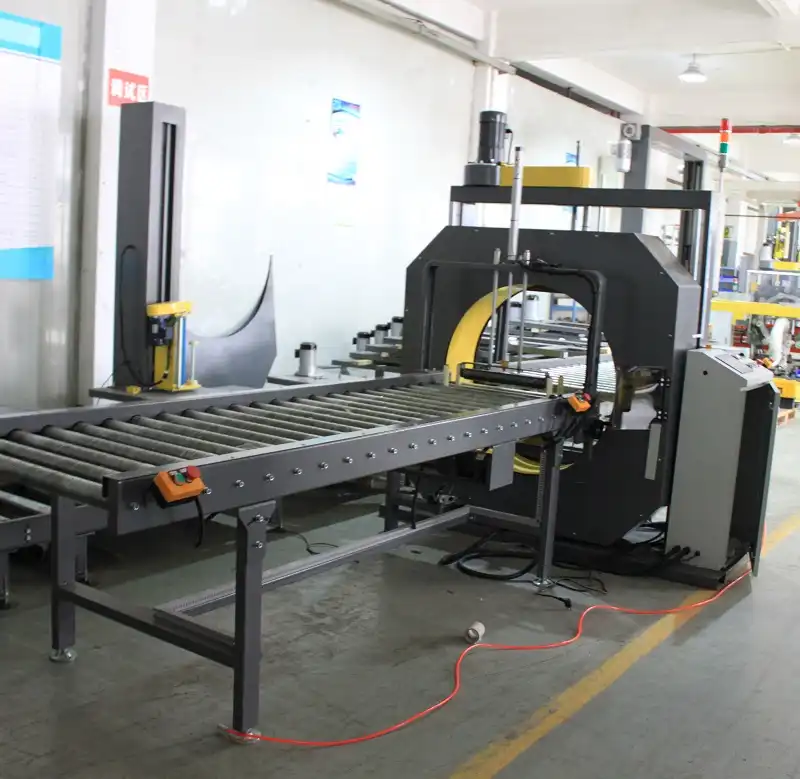
In my years in the packing machine industry, I learned a simple truth: if it moves, it needs to be greased. Many people overlook lubrication. They think it is a small thing. But it is not. It can be the difference between a machine that runs for years and one that breaks down often.
Understanding Lubrication for Your Wrapper
Lubrication is more than just applying grease. It is about applying the right type of lubricant in the right amount at the right time. Every machine part has a specific need.
Key Lubrication Points
- Main Ring Bearings: These bearings carry the weight of the wrapping ring. They spin fast. They need high-quality grease. Check daily for any signs of grease leakage or dryness. Grease them according to the machine manual.
- Film Carriage Bearings: These small bearings help the film carriage move along its track. They also need grease or oil. Too little lubrication here can make the film carriage jerky. This can lead to uneven film application.
- Tension Rollers: Some wrappers have tension rollers. These need to spin freely. They often have small bearings that need light oil or grease.
- Chain Drives (if applicable): If your machine uses chains, they need chain lubricant. This stops rust. It reduces wear. It keeps the chain moving smoothly.
- Gearboxes: Some machines have enclosed gearboxes. These usually need oil checks. They might only need service every few months. But it is still part of lubrication.
Types of Lubricants
- Grease: Used for bearings and points that need a thick, long-lasting layer of protection. Different greases work for different temperatures and loads. Use the grease recommended by the machine maker.
- Oil: Used for fast-moving parts, small bearings, and chains. Oils can be light or heavy. Again, follow the manufacturer’s advice.
The Right Schedule
The machine’s manual will tell you the best lubrication schedule. Some parts need grease every day. Some need it once a week. Some need it once a month. Make a chart. Stick to it.
| Part to Lubricate | Frequency (Example) | Lubricant Type (Example) | Notes |
|---|---|---|---|
| Main Ring Bearings | Daily / Every Shift | High-Temp Grease | Check for signs of leakage |
| Film Carriage Bearings | Weekly | Light Machine Oil | Apply a thin layer |
| Tension Rollers | Weekly | Light Machine Oil | Ensure free movement |
| Chain Drives | Weekly | Chain Lubricant | Clean chain before applying |
| Gearboxes | Monthly / Quarterly | Gear Oil | Check oil level, look for discoloration |
Impact on Efficiency and Product Loss
When parts are not lubricated, they run hot. They wear down. This wastes energy. The machine uses more power to do the same work. This raises your electricity bill. Michael Chen’s challenge was efficiency bottlenecks. Bad lubrication creates these bottlenecks. Worn parts can also cause vibrations. These vibrations can damage the product during wrapping. For steel coils, this means damaged edges. Good lubrication helps prevent this. It makes sure the wrap is tight and consistent. This protects the product. It reduces waste. It makes your factory more profitable.
Can Operator Training Really Boost Your Wrapper’s Uptime?
Do your machine operators fully understand their equipment? Or do they just push buttons? Untrained operators can cause more problems than they solve. They might not know how to spot issues. They might even use the machine wrong. This leads to breakdowns. It leads to injuries. It leads to lost production.
Yes, well-trained operators can greatly boost your horizontal orbital wrapper’s uptime. They are the first line of defense. They know how to run the machine correctly. They can spot small problems early. They know how to do simple daily maintenance tasks. They understand safety procedures. Good training makes them skilled problem-solvers. This prevents mistakes. It prevents accidents. It keeps the machine running longer and safer.

When I built my packing machine factory, I put a lot of effort into training my team. I saw it as an investment, not a cost. A skilled operator is worth more than gold. They make the difference between a struggling line and a thriving one. They are the true masters of the machine.
Empowering Operators: The Training Advantage
Training is not a one-time event. It is an ongoing process. It should cover how to use the machine, how to clean it, how to do basic checks, and what to do if something goes wrong.
What to Teach Your Operators
- Proper Machine Operation: How to load products. How to set film tension. How to start and stop the machine safely. Correct operation prevents damage.
- Daily Maintenance Tasks: How to clean the machine. How to check for loose parts. How to listen for unusual sounds. How to do daily lubrication. These are the daily habits that keep the machine healthy.
- Troubleshooting Basics: What do warning lights mean? What should they do if the film breaks? How to clear a jam safely. They do not need to be engineers. But they need to know basic fixes.
- Safety Procedures: Where are the emergency stops? How to lock out the machine before any work. How to handle film rolls safely. Safety is critical. It protects the worker. It protects the machine.
- Record Keeping: How to write down daily checks. How to report problems. Good records help track machine health. They help plan future maintenance.
The Benefits of a Trained Team
- Faster Problem Solving: An operator who knows the machine can often fix small issues fast. They do not need to wait for a technician. This saves precious minutes or hours of downtime.
- Reduced Product Damage: Operators who know how to set the machine correctly will wrap products better. This means less damage. It means fewer customer complaints.
- Increased Safety: Trained operators understand the risks. They follow safety rules. This lowers the chance of accidents. It lowers insurance costs. It keeps your valuable employees safe.
- Higher Morale: When workers feel skilled and capable, they are happier. They are more invested in their job. They take better care of the equipment.
My Insight: Beyond the Manual
Beyond just following the manual, I always encouraged my operators to understand why they were doing things. When they understood how dust affects sensors, they cleaned them better. When they knew how a loose bolt could cause a major breakdown, they checked them more carefully. This deeper understanding turns a task into a mission. It makes them feel like a real part of the factory’s success. This is how you build a team that makes 99% uptime a reality. Michael Chen wants a partner who understands his production bottlenecks and safety concerns. Training your team is a big step towards solving those. It creates a proactive culture. This makes your factory run smoother. It makes your business stronger.
Conclusion
Keeping your horizontal orbital wrapper running near 99% uptime in a dusty factory is possible. It needs daily cleaning, regular checks, correct lubrication, and trained operators. These simple actions stop big problems. They save money. They keep your factory productive and safe.








