
Horizontal Orbital Wrapper Cold-Weather Readiness: Will It Start Reliably at −20 °C Winters?
The chilling whisper of winter can bring more than just cold air. For many factory managers, it brings a shiver of dread. You might be asking if your critical equipment, like a horizontal orbital wrapper, will even start when the temperature drops to a brutal -20 °C. Machine failure in such cold weather means costly downtime. It means delayed shipments. It means lost production. This article gives you a deep dive into what makes a packing machine reliable in extreme cold.
Yes, a horizontal orbital wrapper can start reliably at −20 °C in winter. But it is not a given. This requires careful planning, specialized machine features, and specific maintenance protocols. A standard machine will likely struggle or fail, but one built or prepared for extreme cold can perform consistently even in freezing temperatures.
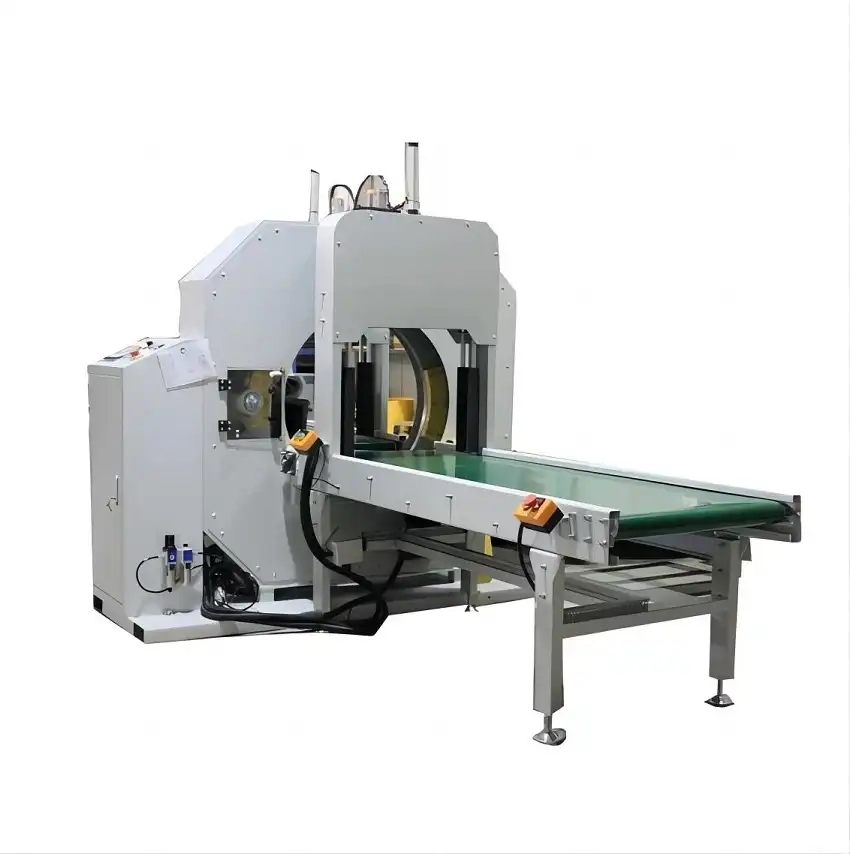
The thought of your entire production line grinding to a halt because of a frozen machine is a nightmare. It creates huge pressure. It can impact your bottom line. We will look at why cold weather affects packing machines so much. We will also explore what features make a machine truly winter-ready. Then, we will talk about how you can prepare your current equipment. We will even discuss the long-term benefits of making smart investments. Keep reading to make sure your operations stay smooth, no matter the outside temperature.
Why Does Extreme Cold Impact Packing Machines So Much?
Does cold weather really cause big problems for heavy machinery? You might think a machine is a machine, but freezing temperatures change things. Cold makes materials behave differently. It affects liquids. It also puts stress on components. Ignoring these impacts leads to unexpected breakdowns. These breakdowns cost time and money. They hurt your production schedule.
Extreme cold impacts packing machines by altering material properties, thickening lubricants, reducing battery efficiency, and stressing electrical and pneumatic systems. This leads to increased friction, slower operation, component failure, and overall reduced reliability.

When temperatures plummet to -20 °C, every part of a horizontal orbital wrapper faces a challenge. From my experience building and running packing machine factories, I have seen first-hand how much seemingly small changes in temperature can affect performance. It is not just about the machine turning on. It is about it working efficiently and safely. Michael, like many factory managers, values reliability and efficiency. Cold weather directly threatens both.
Material Brittleness and Contraction
Cold makes many materials brittle. Metals like steel can become less ductile. This means they are more likely to crack or break under stress. Plastic components, like those in the film carriage or control panels, also become fragile. They can shatter with impact or vibration. In a horizontal orbital wrapper, parts move constantly. They handle heavy products like steel coils or wire bundles. This constant motion combined with material brittleness creates a high risk of breakage. Also, materials contract in the cold. This can cause gaps or misalignments in machine parts. It can lead to increased wear or jamming.
Lubricant Viscosity and Flow
Lubricants are vital for any machine. They reduce friction. They ensure smooth operation. But standard lubricants thicken dramatically in cold weather. Think of honey in a refrigerator. It moves much slower. This thick oil means more resistance for moving parts. Motors need to work harder to overcome this resistance. This uses more energy. It also puts more strain on the motor. Eventually, it can lead to motor burnout. Bearings, gears, and chains suffer without proper lubrication. They wear out faster. This leads to costly repairs. It also causes unexpected downtime. Michael needs his machines to be durable. Poor lubrication directly impacts durability.
Electrical and Electronic Systems
Cold also affects electrical parts. Wires can become less flexible. This makes them prone to cracking, especially with vibrations. Electrical connectors can lose their tight fit. This causes poor contact. It leads to electrical faults. Touchscreens and display panels can become sluggish. They might stop responding altogether. Batteries also lose power in the cold. If your machine uses any backup batteries or a starting battery, they will struggle. Sensors, which are crucial for automated operations, can also malfunction. This means incorrect readings. It can stop the machine. It can also cause safety issues.
Pneumatic and Hydraulic Systems
Many orbital wrappers use pneumatic systems for functions like film clamping or cutting. Air contains moisture. In cold, this moisture can freeze inside air lines. It can block valves. It can also damage cylinders. This stops the machine from working. Hydraulic systems face similar issues. Hydraulic fluids also thicken. They can even freeze if they are not designed for cold. Seals in these systems can also harden and crack. This leads to leaks. Leaks reduce system pressure. This makes the machine perform poorly. It can also damage components. Ensuring these systems work reliably is key for high-intensity operations like those in a metal processing plant.
| Component Group | Cold Weather Impact | Potential Consequence |
|---|---|---|
| Mechanical | Material brittleness, thermal contraction | Cracks, breakage, misalignment, increased wear |
| Lubrication | Increased viscosity, poor flow | Higher friction, increased motor load, bearing failure |
| Electrical | Wire hardening, connector issues, battery degradation | Electrical faults, sluggish displays, sensor malfunction |
| Pneumatic | Moisture freezing, seal hardening | Blocked lines, damaged valves, leaks, system failure |
| Human Factors | Discomfort, reduced dexterity, safety risks | Slower operation, increased errors, higher injury rates |
What Specific Features Make an Orbital Wrapper Winter-Ready for -20 °C?
Are all horizontal orbital wrappers the same when it comes to cold? Definitely not. A machine built for a warm warehouse will fail in a -20 °C winter environment. This is why choosing the right machine is critical. Michael seeks durable equipment. He also wants reliable solutions. Specific features are needed to meet these demands in cold climates. Without these, you are just waiting for a breakdown.
Specific features that make an orbital wrapper winter-ready for -20 °C include industrial-grade low-temperature components, specialized synthetic lubricants, integrated heating elements for critical parts, fully sealed electrical enclosures, robust control panels with cold-resistant screens, and heavy-duty, insulated cabling.

When I designed machines for my own factory, I always thought about the harshest conditions they might face. For operations dealing with heavy products like steel coils, consistent performance is key. Any stoppage means significant losses. This thinking led me to understand the true value of “winter-ready” design. It is more than just putting a heater on the machine. It is about rethinking every component choice.
Industrial-Grade Components and Materials
A truly winter-ready machine starts with its basic build. This means using materials that perform well in extreme cold. For example, specific grades of steel and alloys are less prone to brittleness. Plastic parts should be high-density polyethylene (HDPE) or other polymers designed for low temperatures. Bearings and moving parts need to be heavy-duty. They also need to have seals that can withstand cold without cracking. These seals keep moisture out. They also keep the special lubricants inside. All fasteners and structural elements must also be rated for the extreme temperature range.
Specialized Low-Temperature Lubricants and Fluids
This is perhaps one of the most critical aspects. Standard greases and oils turn into sludge. Winter-ready machines use synthetic lubricants. These lubricants maintain their viscosity even at very low temperatures. They ensure parts move freely. They reduce friction. This protects the motor and other moving components from overworking. For pneumatic systems, a specialized air line antifreeze fluid might be used. This prevents moisture from freezing in the lines. Hydraulic systems also need special cold-weather hydraulic fluid. This fluid keeps its flow properties. It prevents sluggish operation or system damage.
Integrated Heating Systems
Some critical parts need external heat to function in extreme cold. This includes motors, control cabinets, and sometimes even the film pre-stretch carriage. A winter-ready machine often comes with built-in heating elements. These can be electric heaters. They can be resistance heating pads. These elements keep the temperature of key components above freezing. This ensures they start up easily. It also ensures they operate efficiently. For pneumatic systems, air dryers and heated air lines are crucial. They remove moisture. They prevent ice formation.
Sealed Electrical Enclosures and Cabling
Electrical failures are common in cold. Moisture can condense and freeze. This causes short circuits. A winter-ready machine has fully sealed electrical cabinets. These enclosures keep out moisture and dust. They protect sensitive electronics. All wiring should also be cold-rated. This means the insulation stays flexible. It does not crack when it bends. Connectors must be waterproof and corrosion-resistant. They must maintain a strong connection in cold. This ensures reliable power and signal transmission.
Robust Control Panels and Sensors
Touchscreens and displays can become very slow or unresponsive in cold. Winter-ready machines feature industrial-grade control panels. These often use heated displays. They also have durable buttons instead of just touchscreens. Sensors, which are vital for machine operation, also need protection. They should be rated for low temperatures. They should be designed to resist moisture ingress. For instance, proximity sensors and encoders must function perfectly to ensure precise wrapping. Michael needs his machines to be efficient. Precise sensing is part of that efficiency.
| Feature Area | Standard Machine Design | Winter-Ready Design (-20 °C) |
|---|---|---|
| Materials | Standard metals, commodity plastics | Low-temperature alloys, HDPE/cold-rated polymers, robust seals |
| Lubricants | General-purpose oils/greases | Synthetic low-viscosity lubricants, specialized hydraulic/air fluids |
| Heating | None or minimal | Integrated heaters for motors, control cabinets, air lines |
| Electrics | Standard wiring, vented enclosures | Cold-rated, flexible cabling; fully sealed, insulated enclosures |
| Control Panels | Standard LCD/touchscreens | Heated industrial displays, durable buttons, robust sensors |
| Pneumatics/Hydraulics | Standard components | Moisture separators, heated lines, cold-rated fluids, durable seals |
How Can My Team Prepare Existing Orbital Wrappers for Harsh Winters?
What if you already own a horizontal orbital wrapper? Buying a new machine just for winter readiness might not be an option right now. But you are not helpless. There are many steps you can take. Your team can significantly improve an existing machine’s performance. They can also extend its life in cold conditions. This prevents costly downtime. It also keeps your production running smoothly.
Your team can prepare existing orbital wrappers for harsh winters by switching to low-temperature lubricants, inspecting and insulating critical electrical and pneumatic lines, implementing localized heating solutions for motors and controls, regularly draining air lines, and training operators on specific cold-weather machine behaviors.

During my years in the packing machine industry, I advised many clients who faced this exact challenge. They already had equipment. They needed it to work, even when the mercury dropped. The key is proactive maintenance and smart modifications. Michael, as an operations director, knows the value of preventing problems. These steps are all about prevention. They ensure safety. They also ensure efficiency.
Lubrication Overhaul
This is the first and most impactful step. Replace all standard greases and oils with synthetic, low-temperature alternatives. Consult your machine’s manual for specifications. If no cold-rated options are listed, contact the manufacturer. If they cannot help, consult a lubricant specialist. Ensure all bearings, gearboxes, and sliding surfaces get this new lubrication. For chains, use a low-temperature chain lubricant that resists thickening. This change alone will make starting easier. It will also reduce wear.
Electrical System Inspection and Protection
Carefully inspect all electrical wiring. Look for any cracks or brittle insulation. Replace damaged sections with cold-rated wire. Secure loose connections. Make sure all electrical cabinets are sealed properly. Use weatherstripping if needed. Consider adding small desiccant packs inside cabinets to absorb moisture. For extremely exposed components, a low-wattage resistance heater can be installed inside the cabinet. This keeps electronics warm. It prevents condensation.
Pneumatic System Winterization
This area needs special attention because of moisture. Install automatic drain valves on all air receivers and filters. These valves will release condensed water. Add an air dryer to your compressor system if you do not have one. This removes moisture before it enters the lines. Use pneumatic antifreeze injectors. These add a special fluid to the air. This fluid prevents ice formation in lines and valves. Inspect all air lines for leaks. Fix them immediately. Leaks cause pressure drops. They also introduce more cold air.
Localized Heating Solutions
Identify critical components that suffer most from cold. These often include the main motor, control panel, and film pre-stretch unit. You can add localized heating. This might involve adhesive heating pads. You can also use small enclosure heaters. These are often used for outdoor electrical boxes. Ensure any heating solution is safely installed. It must also be rated for industrial use. It should have proper temperature controls. This prevents overheating.
Operator Training and Cold-Start Procedures
Train your machine operators and maintenance staff specifically on cold-weather operations. They need to understand how machines behave differently. Teach them about longer warm-up times. Show them how to check fluid levels. Explain how to look for signs of freezing. Develop a clear cold-start procedure. This procedure might include running the machine slowly for a few minutes. This allows lubricants to circulate. It also warms up components gently. Michael values skilled staff. Empowering them with this knowledge makes them more effective.
| Preparation Step | Purpose | Key Action Items |
|---|---|---|
| Lubrication Overhaul | Reduce friction, prevent wear | Replace all standard lubricants with synthetic, low-temp alternatives |
| Electrical Protection | Prevent faults, ensure connectivity | Inspect wiring, seal cabinets, add desiccant/heating |
| Pneumatic Winterization | Prevent ice, ensure air flow | Install auto drains, air dryer, antifreeze injectors, fix leaks |
| Localized Heating | Ensure component warm-up | Install heating pads/enclosure heaters on critical parts |
| Operator Training | Improve performance, reduce errors | Develop cold-start procedures, teach cold-weather machine behavior |
What Are the Long-Term Benefits of Investing in Cold-Weather Ready Packing Solutions?
Investing in high-quality, cold-weather ready packing solutions can seem like a big upfront cost. You might wonder if it is truly worth it. But the benefits go far beyond just “starting reliably.” These investments deliver significant long-term value. They impact your entire operation. They affect your bottom line. They even improve your team’s safety. Michael, as a factory manager focused on ROI, needs to see these long-term gains clearly.
Investing in cold-weather ready packing solutions provides long-term benefits such as drastically reduced downtime, lower maintenance costs, enhanced operational safety, extended equipment lifespan, consistent product quality, and improved overall factory productivity, all leading to a higher return on investment and a competitive advantage.

When I started my own packing machine factory, I learned that cutting corners on equipment always costs more in the long run. Especially in environments with harsh winters, a robust solution is not just a luxury. It is a necessity. It is an investment in stability. It is an investment in growth. It helps companies like Michael’s grow their businesses. It reduces the stress of daily operations.
Consistent Uptime and Production Continuity
The most obvious benefit is avoiding costly downtime. Every minute your packing line is down, you are losing money. You are missing delivery targets. You are frustrating customers. A cold-weather ready machine starts when you need it to. It runs without freezing-related issues. This ensures continuous production flow. It also means you can meet your output goals, even in the depths of winter. This stability is invaluable for a manager like Michael who must oversee an entire operation.
Reduced Maintenance Costs and Equipment Lifespan
Machines designed for cold resist wear better. Their parts do not become brittle. Lubricants do not turn to sludge. This means less friction. It means fewer broken parts. It also means less strain on motors. Over time, this translates to significantly lower maintenance costs. You spend less on replacement parts. You spend less on emergency repairs. The machine also lasts much longer. This extends your initial investment. It delays the need for new equipment purchases.
Enhanced Operational Safety
Michael’s current challenges include high injury risks from manual handling. Cold weather exacerbates safety issues. Frozen parts can break suddenly. Sluggish machines can behave unpredictably. Investing in reliable, cold-weather ready automation directly addresses these safety concerns. When a machine works as expected, workers are less likely to improvise or put themselves at risk. Smooth machine operation reduces the need for manual intervention in dangerous conditions. This lowers insurance costs. It also improves employee morale.
Consistent Product Quality and Reduced Damage
Cold-related machine failures or inefficient operation can also damage products. For example, if a wrapper runs too slowly or film does not apply correctly, coils or wire bundles can be improperly wrapped. This leads to product damage during transit or storage. Michael has faced product loss issues. A reliable machine protects your valuable products. It ensures consistent, high-quality packaging. This leads to fewer customer complaints. It also protects your profit margins.
Stronger Supplier Relationship and Trust
Michael experienced supplier trust issues in the past. When you invest in a solution designed for your specific harsh conditions, it shows you are serious about long-term partnership. Working with experts like us, who understand these challenges, builds trust. We do not just sell machines. We provide solutions. This relationship ensures you get the right equipment. You also get the support needed for success. It gives you peace of mind.
Competitive Advantage
In industries like metal processing, efficiency and reliability are key differentiators. If your competitors struggle with winter downtime, but your operations continue seamlessly, you gain a significant edge. You can promise more reliable delivery times. You can maintain consistent product quality. This makes your business more attractive to clients. It allows you to grow. It also helps you secure more market share.
Conclusion
Horizontal orbital wrappers can thrive in −20 °C winters with specialized features and proper maintenance. Investing in cold-weather readiness ensures consistent uptime, boosts safety, cuts costs, and extends machine life, securing long-term operational success.








