
Horizontal Orbital Wrapper Bilingual Ops: Can HMI Screens and Labels Support EN/FR for Quebec?
The world of factory operations moves fast. As a factory manager, you know that efficiency and safety are not just buzzwords. They are the core of your daily challenges. Manual processes, like hand-wrapping heavy steel coils or wire bundles, slow things down. They also put your team at risk. You might see product damage, too, leading to unhappy customers and lost profits. You need better ways to pack your products.
Yes, modern horizontal orbital wrappers can fully support both English and French on HMI screens and labels. This is a vital feature for factories operating in Quebec, Canada, where official language requirements make bilingual machine interfaces a practical necessity for clear communication, operator safety, and smooth production flow.

Finding the right equipment is a big step. It must solve your current problems. It also needs to fit your specific needs, like language. This is especially true if you operate in places like Quebec. So, let us look at how these machines work and how they can help your factory.
Why Do Packing Machines Need Bilingual HMI in Quebec?
Imagine investing in a brand-new, high-tech horizontal orbital wrapper. This machine promises to solve your packing bottlenecks. It will make your operations safer. But what happens if your operators cannot understand the controls? What if the safety warnings are in a language they do not fully read? This is a real problem for factories in Quebec. The law there requires public facing information and many workplace instructions to be in French. Ignoring this can lead to many issues. It causes operational delays. It creates safety hazards. It can even lead to legal trouble. My journey in the packing machine industry taught me that every detail matters. When I was building my factory, I learned that smooth operations come from clear communication. If your team cannot easily use the machine, its value drops. It can lead to errors. It can slow down production. This is the opposite of what you want from automation. You want to speed up, not slow down.
Packing machines, especially those used in Quebec, need bilingual HMI to meet legal requirements, ensure operator safety, and maximize efficiency by allowing all staff to fully understand and operate the equipment, regardless of their primary language being English or French.
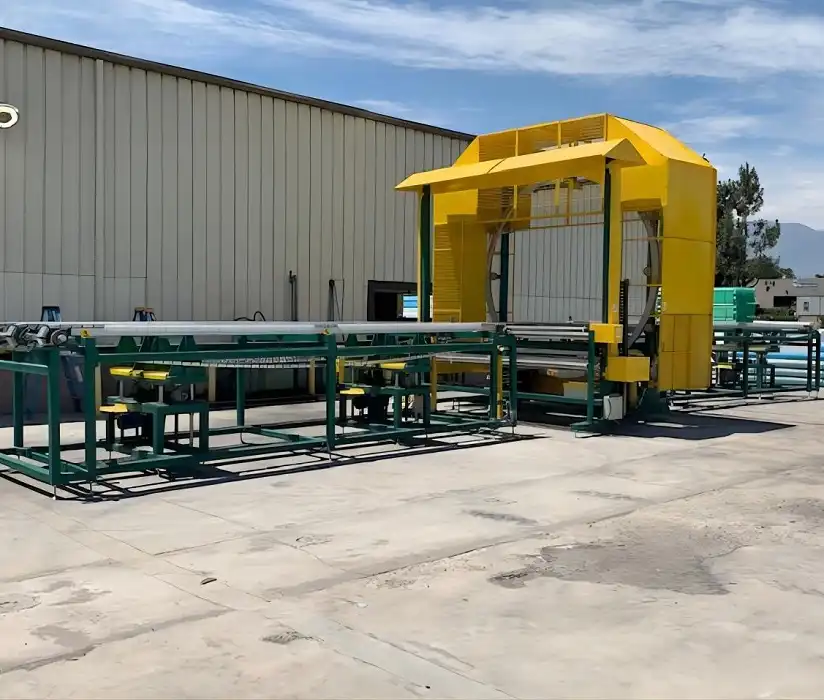
The Critical Need for Bilingual Interfaces
Having a machine that speaks both English and French is not just a nice extra. It is a must-have for Quebec. This affects the human-machine interface (HMI) screens. It also affects all labels. This is about legal compliance. Quebec has strict language laws. These laws make sure French is used in the workplace. But it is also about practical use. Your operators need to understand the machine. They need to understand it quickly and without confusion.
Consider the impacts of a non-bilingual HMI:
- Operator Errors: If instructions are unclear, mistakes happen. This can mean wasted materials. It can mean damaged products. It can also mean machine downtime. Downtime costs you money.
- Safety Risks: Safety warnings must be crystal clear. If an operator cannot read an emergency stop instruction, it is a huge risk. This can lead to serious injuries. It raises your insurance costs. My experience with heavy machinery taught me that safety is always first. You cannot cut corners here.
- Training Challenges: Training new staff becomes harder. You need to translate everything. This takes time. It takes resources. A bilingual interface cuts down on this extra work.
- Reduced Productivity: Operators will be slower. They might have to ask for help more often. This slows down the whole production line. You invested in automation to go faster. Not slower.
- Morale Issues: Workers feel more comfortable and respected when they can use equipment in their preferred language. This builds a better work environment. It reduces staff turnover.
As a factory owner, I learned that small details make a big difference. When you put in the effort to make machines user-friendly, your whole team benefits. It helps them feel valued. It helps them work better. This all adds up to a stronger, more productive factory.
How Can HMI Screens Support English and French?
You might wonder how a machine can switch between languages. It is simpler than you think. Modern horizontal orbital wrappers come with advanced HMI systems. These systems are like the smart screens on your phone. They have settings. You can choose your language. The best systems make this very easy for the operator. They can switch from English to French with a touch of a button. This is not just for the menu. It is for all information. It includes error messages. It includes operating instructions. It includes maintenance alerts.
HMI screens on modern horizontal orbital wrappers support English and French through integrated software, allowing operators to easily switch languages for menus, alerts, and instructions via a simple touch interface, ensuring clear communication and intuitive machine control for all users.

The Technology Behind Bilingual HMI
The technology for bilingual HMIs is mature. It is reliable. It works by having two language sets stored in the machine’s computer. When you select a language, the HMI pulls up the correct text. This means all the words you see on the screen change.
Here are key aspects of how HMI screens provide bilingual support:
- Software Design: The machine’s operating software is built with multilingual capabilities from the start. This is not an afterthought. It is a core part of the design.
- User Interface (UI) Customization: The screen layout can handle different text lengths. French words are often longer than English ones. Good UI design makes sure everything still fits. It stays readable.
- Translation Database: All text strings are stored in a database. This database holds both English and French versions. When the operator selects a language, the HMI quickly pulls from the correct column.
- Easy Language Switching: Most systems have a clear icon or button for language selection. This makes it simple for operators to switch back and forth. No complex menus are needed.
- Real-time Updates: If there is an error message, it shows up in the chosen language. If an instruction pops up, it is in that language too. This helps operators react fast. It reduces confusion.
From my years in the packing machine business, I learned the importance of intuitive design. When I was running my factory, I always looked for machines that were easy to use. This meant less training time. It meant fewer mistakes. A bilingual HMI is a big part of this. It makes sure that your team, no matter their first language, can operate the machine with confidence. This helps you get the most out of your investment. It also helps your team stay safe and productive.
What About Physical Labels and Safety Markings?
HMI screens are important. But they are not the only place for language. Physical labels and safety markings are also critical. Think about emergency stop buttons. Think about warning signs for moving parts. These must be clear. They must be understandable. And in Quebec, they need to be in both English and French. You cannot rely on just the screen for everything. Some labels are fixed to the machine. They are there even if the power is off.
Physical labels and safety markings on horizontal orbital wrappers for Quebec must be bilingual, displaying both English and French text for critical information, warning signs, and operational instructions, ensuring compliance with local laws and maximizing safety for all personnel.
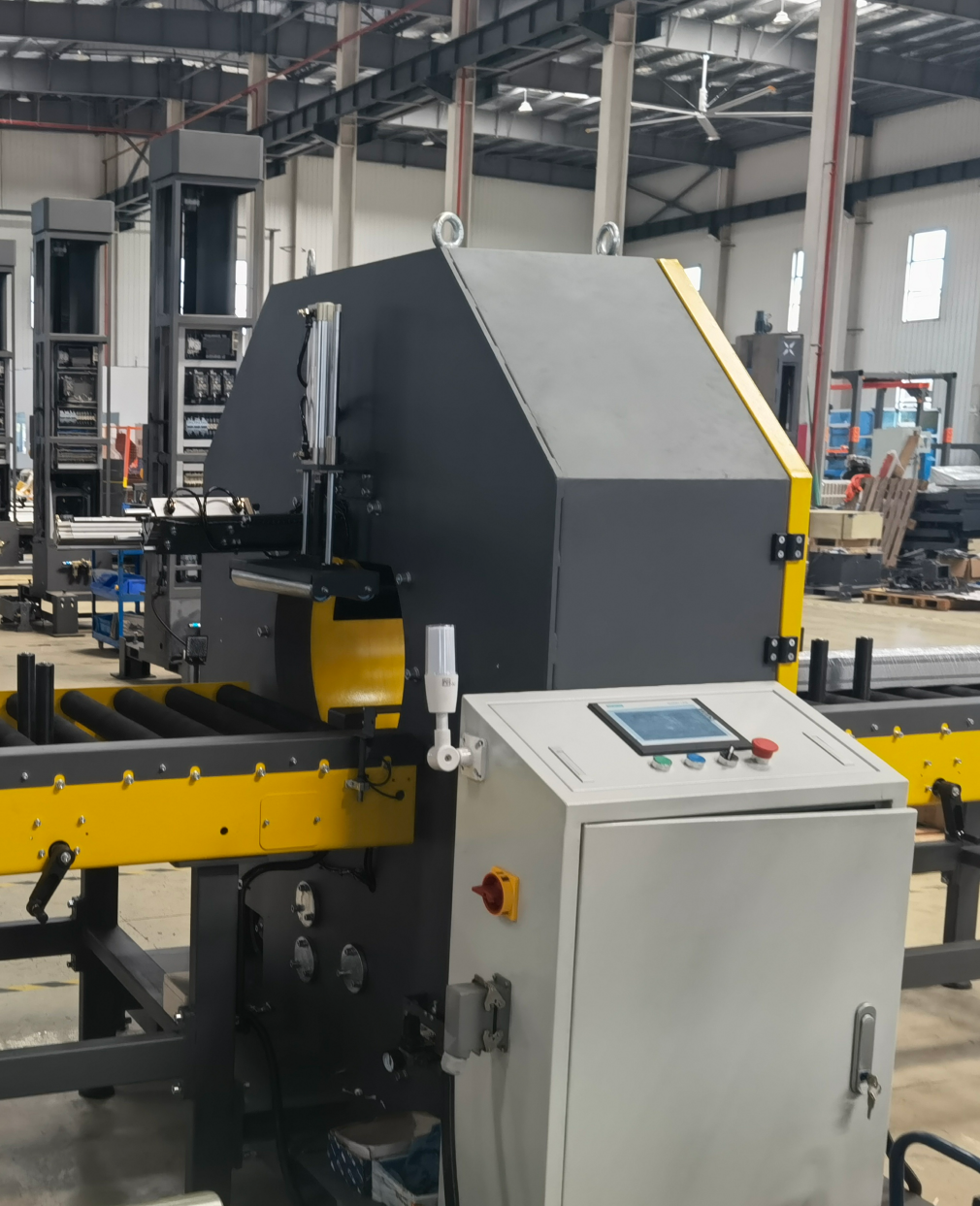
Ensuring Bilingual Physical Markings
Suppliers of quality packing machines understand this need. They design their machines with bilingual labeling in mind. This means every important label has both languages. They are clear. They are durable. They are easy to read.
Here is how suppliers handle bilingual physical labels and markings:
- Dual Language Printing: Labels are printed with both English and French text side-by-side or one above the other. This ensures both languages are present.
- Standardized Symbols: Universal symbols are often used with text. A red stop sign means stop everywhere. This helps, but text is still needed for details.
- Durability: These labels are not simple stickers. They are made to last in a factory environment. They resist oil. They resist grease. They resist wear and tear.
- Placement: Labels are placed in clear, logical spots. They are near the controls they describe. They are near the hazards they warn about.
- Compliance: Reputable suppliers know local regulations. They make sure their labeling meets all Quebec-specific requirements. This protects you from legal issues.
When I started my factory, I realized how much goes into a good machine. It is not just the moving parts. It is also the user interface. It is the safety features. And it is how clear these are to everyone. Having clear, bilingual physical labels is a sign of a well-thought-out machine. It shows the manufacturer cares about safety and usability. This gives you peace of mind. It also keeps your workers safer. Safety is an investment that always pays off.
Does Bilingual Support Really Improve Factory Operations?
You might think that language support is a minor detail. But it is not. It impacts everything. It affects your workers. It affects your production speed. It affects your bottom line. When your team can work easily with a machine, they are more effective. They make fewer mistakes. They are happier. This all leads to better factory operations. I have seen firsthand how a small investment in user experience can yield big returns in productivity. My goal with FHOPEPACK is to share what I learned. I want to help you make smart choices for your business.
Yes, bilingual HMI screens and labels on horizontal orbital wrappers significantly improve factory operations by reducing errors, enhancing safety, speeding up training, and increasing overall productivity and operator confidence, leading to a stronger return on investment.

The Tangible Benefits of Bilingual Machines
Let us look at the real ways bilingual support helps your factory. These are not just guesses. These are proven benefits from real-world factory settings.
Here is how bilingual support boosts your factory operations:
- Reduced Training Time: New hires can learn faster. They can read instructions in their preferred language. This means they become productive sooner. It saves you money on training costs.
- Fewer Human Errors: When instructions are clear, mistakes drop. This leads to less product damage. It means less rework. It means more consistent output.
- Enhanced Safety: Clear warnings in both languages prevent accidents. This lowers your injury rates. It can reduce your insurance premiums. It keeps your valuable team safe.
- Increased Operator Confidence: Workers feel more comfortable using the machine. They know they can handle any issue. This boosts morale. It makes them more engaged.
- Higher Production Throughput: When operators are confident and make fewer errors, the production line moves faster. There are fewer stops. You produce more product.
- Better Maintenance and Troubleshooting: Error messages in two languages help your maintenance team. They can diagnose problems faster. This means less downtime for the machine. Less downtime means more production time.
- Compliance with Local Regulations: For Quebec, it ensures your operations comply with language laws. This avoids fines and legal complications. It builds your company’s reputation.
When I started my own packing machine factory, I was always looking for ways to improve output. I wanted to cut costs. I wanted to make my team effective. Investing in equipment that truly supports your operators, like bilingual machines, is a smart business move. It is not just about a feature. It is about investing in your people. It is about investing in your factory’s future.
How Do You Choose a Supplier for Bilingual Wrapping Solutions?
Choosing the right supplier for a horizontal orbital wrapper is key. It is even more important when you need bilingual support. You need more than just a seller. You need a partner. You need someone who understands your challenges. You need someone who can give you real solutions. My own journey showed me that a good supplier is a true asset. They do not just sell a machine. They help you grow your business. This is why I focus on sharing knowledge now. I want you to avoid the pitfalls I have seen.
When choosing a supplier for bilingual horizontal orbital wrappers, look for one with proven expertise in packing machines, a clear track record of delivering compliant bilingual HMI and labels, robust after-sales support, and a genuine understanding of your operational needs and challenges.
Partnering for Success in Automation
Finding a reliable supplier is crucial. You want a company that stands by its products. You want one that provides ongoing support. And for bilingual needs, they must have specific experience.
Here are key points to consider when choosing your supplier:
- Industry Expertise: Does the supplier truly understand packing machines? Do they know about your specific products, like steel coils and wire? Look for a supplier with deep industry knowledge.
- Proven Bilingual Capabilities: Ask for proof. Can they show you examples of their HMI screens in both English and French? Do their physical labels meet Quebec standards? This is not something you guess about.
- After-Sales Support: What happens after you buy the machine? Do they offer strong technical support? Do they have spare parts? Can they help with troubleshooting in both languages if needed? A machine is only as good as its support.
- Customization Options: Can they tailor the machine to your exact needs? Every factory is a little different. A good supplier can adapt.
- References and Reputation: Talk to their other clients. See if they are happy. Check online reviews. A strong reputation means reliability.
- Clear ROI Focus: Does the supplier talk about how their machine will save you money? Do they show you the return on your investment? This is how you justify the cost.
My experience running a factory taught me that trust with suppliers is everything. I faced trust issues myself with some vendors. That is why I built FHOPEPACK on a foundation of honest knowledge sharing. You deserve a partner who helps you succeed. Look for a supplier who acts like a true partner. They will help you solve your current problems. They will help you prepare for the future.
What Is My Take on Bilingual Automation for Your Factory?
From my perspective, as someone who started on the factory floor and built a successful packing machine business, the answer is clear. Investing in horizontal orbital wrappers with full bilingual HMI and label support for regions like Quebec is not just a regulatory requirement. It is a strategic business decision. It solves real problems. It boosts your factory’s performance. It protects your most valuable asset: your people.
As a factory manager, you face constant pressure. You need to increase output. You need to control costs. You need to keep your team safe. Automation, when done right, tackles all these challenges. And “done right” means making sure the equipment truly fits your environment. This includes language. I have seen many companies struggle because they overlooked these details. I have also seen many thrive because they got it right.
I always aimed to make packing easier and safer. This meant building machines that were effective and easy to use. For a factory manager like you, Michael, facing efficiency bottlenecks and safety risks, a bilingual horizontal orbital wrapper is a powerful tool. It automates manual, dangerous tasks. It prevents product damage. It ensures your operators are safe and efficient. It speaks their language, literally. This is the kind of practical, problem-solving investment that brings true financial independence and growth, just like it did for me. It is about building a solid foundation for your operations. It is about setting your factory up for long-term success.
Conclusion
Yes, horizontal orbital wrappers can support bilingual operations in Quebec. This is crucial for safety, efficiency, and legal compliance. Invest in machines with clear, comprehensive English and French HMI and labels for a smarter factory.








