
Why Are High-Efficiency Automatic Coil Packing Machines Essential for Brazilian Industries?
Are you a factory manager in Brazil, constantly battling slow production, high labor costs, and serious safety risks in your coil packing operations? I know the pressure you face to boost output and cut expenses. Traditional, manual packing methods often create more problems than they solve. This impacts your bottom line and puts your valuable team at risk every day.
High-efficiency automatic coil packing machines are essential for Brazilian industries because they directly tackle critical operational challenges like slow manual processes, high safety risks, and product damage. These advanced systems provide faster packing cycles, consistent quality, significant labor cost savings, and a much safer working environment. They help manufacturers achieve higher production throughput and improve overall profitability, which is key for a competitive market like Brazil.
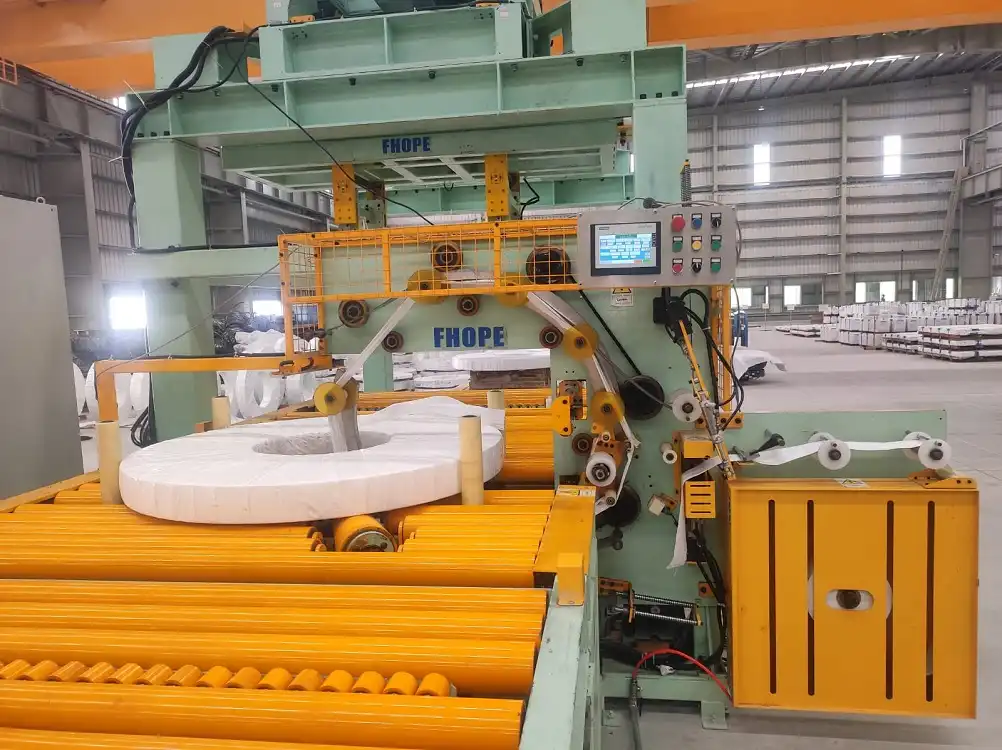
As someone who built a packing machine factory from the ground up, I have seen these problems firsthand. I understand the need for reliable, efficient equipment that truly works. Let’s explore how investing in the right automatic coil packing technology can not only solve these issues but also drive significant growth for your business in Brazil.
1. What Key Challenges Do Brazilian Manufacturers Face with Traditional Coil Packing Methods?
Do you find your current coil packing process is a bottleneck, holding back your entire production line? Many manufacturers in Brazil rely on outdated or manual methods for packing steel coils and wire coils. This often leads to a cascade of problems. These issues can severely impact production, safety, and your financial performance.
Brazilian manufacturers frequently face critical challenges with traditional coil packing methods, including slow, labor-intensive processes that create efficiency bottlenecks. Manual handling of heavy coils poses high safety risks, leading to worker injuries and increased insurance costs. Additionally, inconsistent packing often results in product damage during transit, causing customer complaints and profit losses. These methods simply cannot keep up with the demands of modern manufacturing.
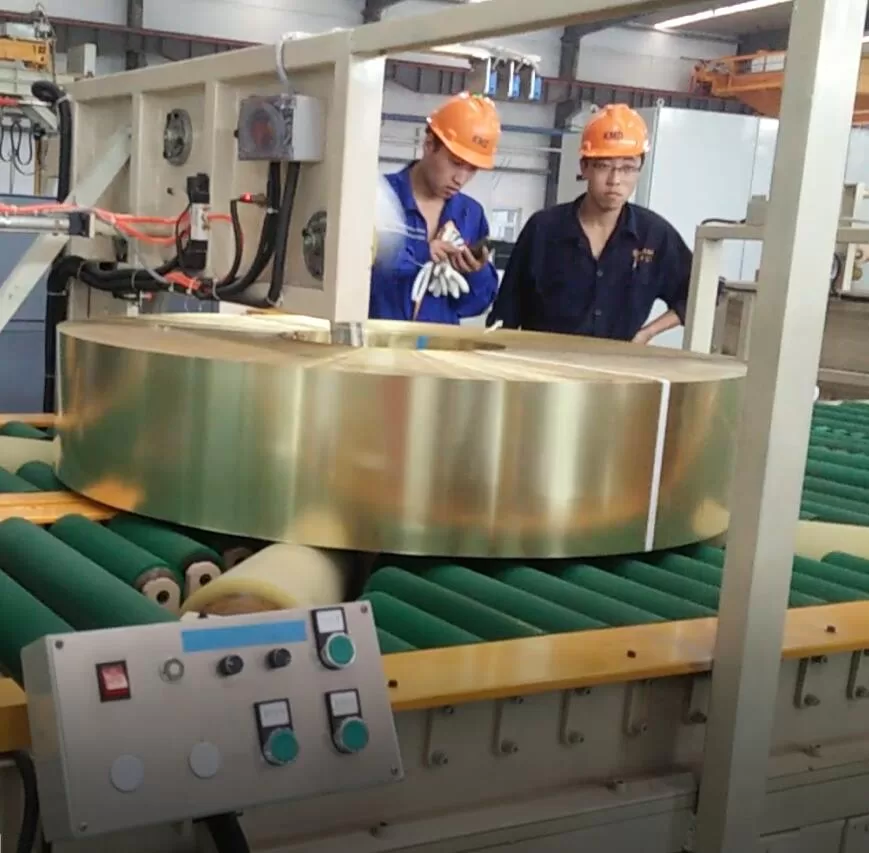
When I first started in the packing machine industry, I saw how much effort went into manual tasks. It was clear even then that this was not sustainable for growth. For a factory manager today, especially one overseeing large-scale metal processing, these traditional methods are no longer viable. They hinder growth and profitability. Let’s look at the specific difficulties these methods create.
Key Pain Points for Brazilian Factories
- Efficiency Bottlenecks: Manual coil packing is inherently slow. Each step, from wrapping to securing, takes considerable time and manpower. This creates a choke point at the end of the production line. It delays overall output and delivery times. For example, a worker might take 5-10 minutes to manually wrap a single steel coil. An automatic machine can do this in under 1 minute. This difference adds up quickly, especially with high production volumes. This directly impacts your ability to meet tight deadlines and respond to market demands.
(manual coil packing speed, production slowdown, delivery delays) - High Safety Risks: Handling heavy, bulky coils manually is extremely dangerous. Workers are at constant risk of strains, crushing injuries, or even fatalities. This is not just a moral concern; it has real financial consequences. High injury rates lead to increased insurance premiums, lost workdays, and high employee turnover. Factories often spend significant amounts on workers’ compensation and safety training, yet accidents still happen. An automated system removes human interaction with the heavy load, making the workplace much safer. This protects your most valuable asset: your employees.
(workplace safety, manual handling risks, employee injuries, insurance costs) - Product Damage and Quality Issues: Inconsistent manual packing can lead to product damage. Steel coil edges can get scratched or dented during internal transport or improper wrapping. This results in costly rejections, rework, and customer complaints. When a client receives a damaged product, it erodes trust and can damage your brand’s reputation. Maintaining consistent packaging quality by hand is almost impossible. An automatic machine applies consistent tension and wrapping, protecting the product better. This ensures your high-quality coils reach customers in perfect condition.
(product quality, coil damage, customer complaints, brand reputation) - High Labor Costs: While automation requires initial investment, the long-term labor cost savings are substantial. Manual packing requires a team of workers for each shift. Wages, benefits, and training expenses add up. With rising labor costs in many sectors, relying heavily on manual labor for repetitive tasks becomes less economical over time. Automatic systems can often do the work of several people, allowing you to reallocate skilled workers to more value-added tasks. This frees up resources and makes your operations more lean and efficient.
(labor cost savings, operational expenses, workforce management, efficiency gains)
2. How Do Automatic Coil Packing Machines Boost Efficiency and Reduce Operational Costs in Brazil?
Are you looking for concrete ways to make your factory run smoother and save money? The shift from manual to automatic coil packing is not just an upgrade; it is a fundamental transformation. It addresses the core operational challenges that many Brazilian manufacturers face daily. This transformation brings significant improvements across the board.
Automatic coil packing machines boost efficiency by drastically increasing packing speed and consistency, eliminating the bottlenecks of manual processes. They reduce operational costs by cutting down labor expenses, minimizing product damage, and optimizing material use. In Brazil, this means faster throughput, lower overheads, and improved product quality, leading to a strong return on investment for manufacturers aiming for competitive advantages.
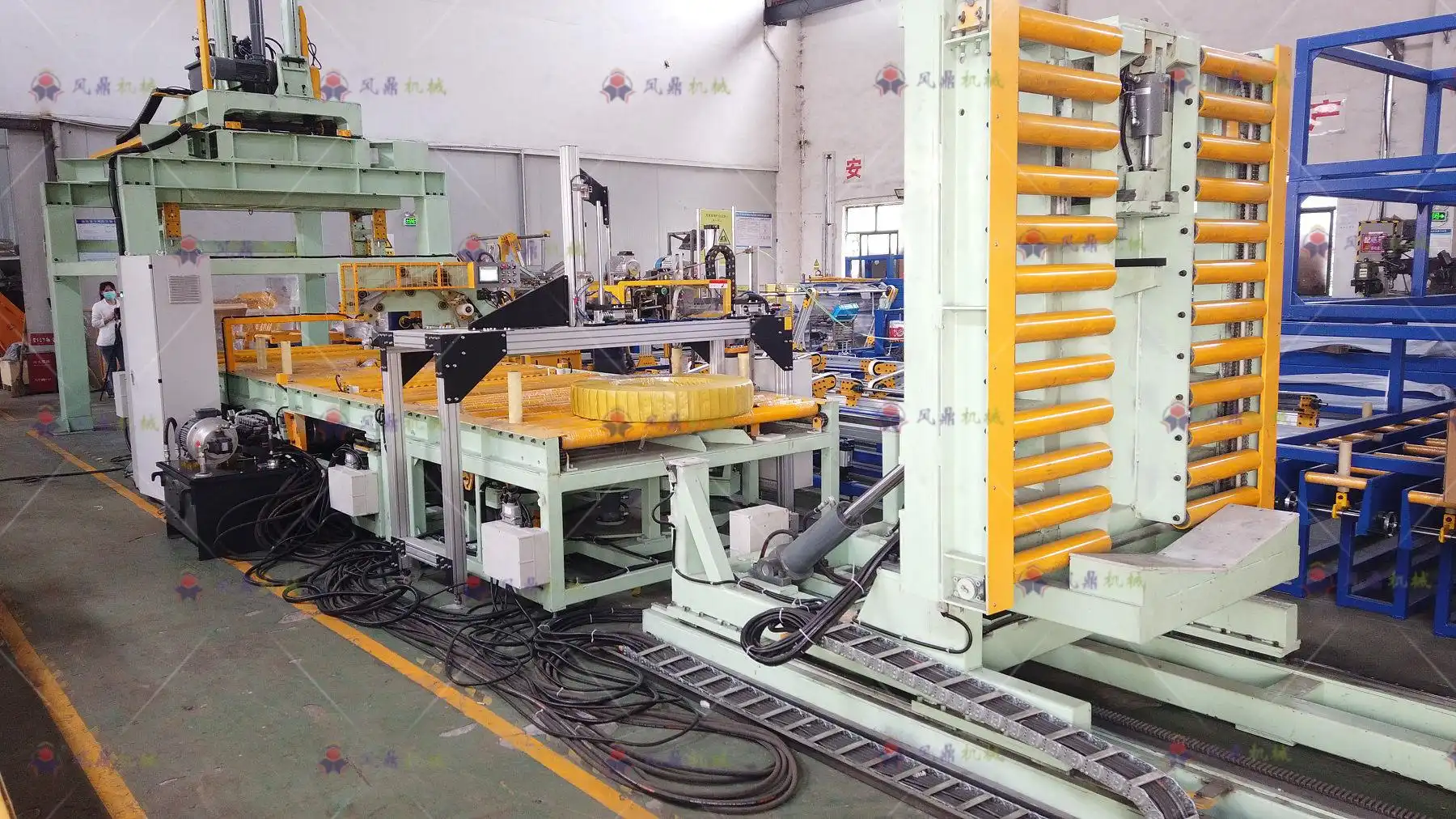
From my experience in building and running successful packing machine operations, I know that real efficiency comes from smart investments. It is about understanding where your bottlenecks are and finding a technological solution that offers a clear return. Let’s explore how these machines deliver on their promise of improved efficiency and cost reduction.
The Financial and Operational Advantages of Automation
- Increased Packing Speed and Throughput: One of the most immediate benefits of automation is speed. An automatic machine can pack coils much faster than a human team. This significantly reduces packing cycle times. For example, while a manual team might pack 5-10 coils per hour, an automatic machine can easily handle 30-60 coils per hour, depending on the model and coil size. This accelerated process removes the end-of-line bottleneck. It ensures that products move swiftly from production to dispatch. This leads to higher overall factory throughput and improved capacity utilization.
(packing cycle speed, production throughput, factory capacity, quick dispatch) - Consistent Quality and Reduced Damage: Automated systems apply packaging materials with precision and consistent tension. This ensures every coil is wrapped securely and uniformly. This consistency prevents the kind of haphazard packing that often leads to scratches, dents, or loosening during transport. By minimizing product damage, you avoid costly rejections, rework, and the negative impact on customer relationships. Consistent, high-quality packing also enhances your brand image, showing clients that you deliver excellence at every stage.
(packaging consistency, product protection, damage prevention, brand image) - Significant Labor Cost Savings: Automating the coil packing process reduces the need for extensive manual labor. While an initial investment is required, the long-term savings on wages, benefits, and training can be substantial. Instead of assigning multiple workers to repetitive, strenuous packing tasks, you can deploy a smaller team to oversee the automated line or reallocate them to more skilled, value-adding positions within your factory. This optimizes your workforce and reduces overheads. This helps to make your business more competitive in the Brazilian market.
(labor cost reduction, operational overheads, workforce optimization, budget efficiency) - Optimized Material Usage: Automatic packing machines are designed for precision. They can use packaging materials more efficiently than manual methods. This means less waste from over-wrapping or incorrectly applied materials. For example, a machine can calculate the exact amount of stretch film or strapping needed for each coil. This contrasts with manual methods where operators might use excess material. Over time, these small savings on packaging materials add up to significant cost reductions, contributing to both your bottom line and environmental sustainability goals.
(material efficiency, waste reduction, cost optimization, sustainable packing)
Comparing Manual vs. Automatic Packing (Example)
| Feature | Manual Coil Packing | Automatic Coil Packing |
|---|---|---|
| Packing Speed | Slow (5-10 coils/hour) | Fast (30-60+ coils/hour) |
| Labor Requirement | High (multiple workers per shift) | Low (1-2 operators to monitor) |
| Safety Risks | High (injuries from heavy lifting, crushing) | Low (workers removed from direct contact with coils) |
| Consistency | Variable (depends on operator skill) | High (uniform wrapping, consistent tension) |
| Product Damage | Higher risk (scratches, dents during handling/packing) | Lower risk (gentle handling, secure wrapping) |
| Material Usage | Inconsistent, potentially wasteful | Optimized, precise, less waste |
| Operational Cost | High (labor, insurance, rework) | Lower (reduced labor, minimal damage, efficient materials) |
| Scalability | Limited by available labor | High (can easily handle increased production volumes) |
This table clearly illustrates why many Brazilian factories are moving towards automation to enhance their competitive edge.
3. What Significant Safety Advantages Do Automated Coil Packing Solutions Offer to Brazilian Factories?
Is the safety of your workforce a top priority, and are you concerned about the high risks associated with manual handling of heavy coils? In demanding environments like metal processing plants, safety is not just a regulatory requirement; it is a core value. Protecting your employees from harm directly impacts morale, productivity, and your company’s reputation.
Automated coil packing solutions offer significant safety advantages to Brazilian factories by removing human operators from direct interaction with heavy, moving coils. This dramatically reduces the risk of crushing injuries, strains, and accidents associated with manual lifting and manipulation. By implementing automation, factories can create a much safer work environment, comply with stringent safety regulations, and improve overall employee well-being and retention.

When I visit factories, I always look at the safety protocols. It is clear that investing in safety shows you value your team. As a factory manager, ensuring a safe workplace is a huge responsibility. Automated systems are game-changers in this area. They transform hazardous tasks into supervised operations. Let’s delve into the specific ways automation boosts safety.
Transforming Workplace Safety with Automation
- Minimizing Direct Human Contact with Heavy Loads: The most critical safety benefit of automatic coil packing machines is their ability to perform tasks without human intervention. Workers no longer need to manually lift, move, or manipulate heavy steel coils, which can weigh several tons. This eliminates the risk of back injuries, crushing accidents, and other severe physical harm associated with such strenuous activities. Operators can safely monitor the process from a control panel, away from moving parts and heavy loads. This fundamentally changes the risk profile of the packing area.
(heavy load handling, injury prevention, remote operation, operator safety) - Reduced Risk of Repetitive Strain Injuries (RSIs): Even without direct heavy lifting, manual packing often involves repetitive movements. These actions can lead to chronic conditions like carpal tunnel syndrome or other musculoskeletal disorders. Automated systems perform these repetitive tasks with mechanical precision, removing the human element entirely. This protects workers from the long-term health issues caused by repetitive strain. It also contributes to a healthier, more sustainable workforce.
(repetitive motion injuries, musculoskeletal disorders, worker health, long-term well-being) - Compliance with Safety Regulations: Brazilian industrial safety regulations are stringent, and non-compliance can lead to hefty fines, operational shutdowns, and legal challenges. Investing in automated packing solutions helps factories meet and exceed these safety standards. These machines often come with built-in safety features like emergency stop buttons, interlocks, and protective guarding. This ensures operations remain compliant and safe. This commitment to safety also enhances your company’s reputation as a responsible employer.
(regulatory compliance, industrial safety standards, safety features, legal protection) - Improved Employee Morale and Retention: A safer workplace directly translates to higher employee morale. When workers feel valued and protected, they are more engaged and less likely to seek employment elsewhere. Reducing the physical strain and inherent dangers of packing tasks can significantly decrease stress and improve job satisfaction. This leads to higher retention rates and reduces the costs associated with recruiting and training new employees. It fosters a positive work culture where employees can focus on productivity rather than constant safety concerns.
(employee morale, job satisfaction, workforce retention, positive work environment)
Visualizing Safety Improvements
Consider the typical hazards: 🚧 Heavy Lifting, ⚠️ Moving Parts, 📉 Fatigue Errors.
An automated system addresses these directly:
- 👷♂️ Human-machine separation: Operators are safely away from dangerous areas.
- 🤖 Consistent operation: Machines do not get tired, reducing errors.
- 🛑 Built-in safety features: Emergency stops, sensors, protective barriers.
This shift helps create a culture of safety. It allows your Brazilian factory to run more smoothly and without unnecessary risks to its most valuable assets.
4. How Can You Choose a Reliable Automatic Coil Packing Machine Supplier for Your Brazilian Operation?
Are you wary of working with suppliers who only care about sales and disappear after the equipment is delivered? Finding a trustworthy partner for your automatic coil packing machine investment is critical. It is not just about buying a machine; it is about securing a long-term solution that supports your factory’s growth and operational stability.
Choosing a reliable automatic coil packing machine supplier for your Brazilian operation requires looking beyond just the machine itself. You need a partner with deep industry expertise, a proven track record of reliable equipment, and strong after-sales support. Look for suppliers who understand your specific production bottlenecks and safety concerns, offering tailored solutions and professional guidance. This ensures your investment genuinely solves your challenges and drives long-term success.
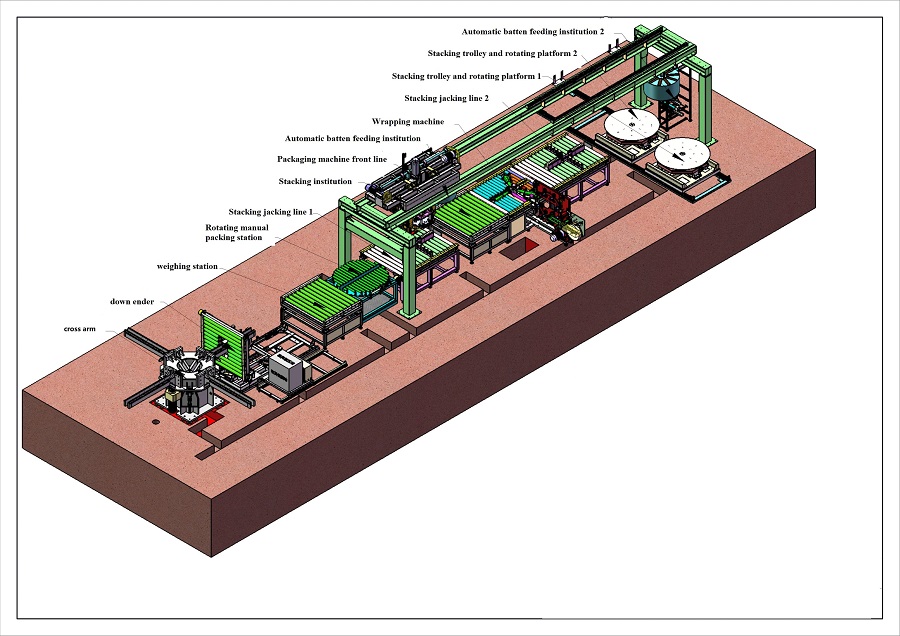
My journey from factory employee to successful factory owner taught me the immense value of a good partner. I have seen firsthand how a reliable supplier can make or break an investment. FHOPEPACK was founded on the principle of sharing this knowledge. I want to help you make informed decisions. Let’s look at what truly makes a supplier reliable.
Essential Criteria for Selecting Your Packing Machine Partner
- Deep Industry Expertise and Understanding: The best suppliers do more than sell equipment; they understand your industry. They should know the specific challenges of coil packing, the demands of the Brazilian market, and the nuances of working with steel, wire, or other heavy materials. This expertise allows them to recommend the right solutions, not just standard machines. A supplier who asks about your production volume, coil dimensions, desired packing speed, and safety requirements is often a good sign. They want to understand your unique operational environment before proposing a solution.
(industry knowledge, market understanding, customized solutions, operational analysis) - Proven Track Record and Reliability: Look for a supplier with a solid reputation for delivering high-quality, durable equipment. In heavy manufacturing, reliability is paramount. Downtime due to equipment failure can lead to significant financial losses. Ask for case studies, client testimonials, and references, especially from companies in Brazil or similar markets. A supplier like FENGDING, for instance, has a strong reputation for robust packing machine solutions that withstand demanding factory conditions. Their focus on engineering excellence means their machines are built to last.
(equipment reliability, durable machinery, industry reputation, proven performance) - Comprehensive After-Sales Support and Service: A machine is only as good as the support behind it. What happens if there is a breakdown? How quickly can you get spare parts or technical assistance? A reliable supplier offers excellent after-sales service, including installation support, operator training, maintenance programs, and readily available spare parts. For operations in Brazil, having local support or a clear channel for quick international service is crucial to minimize downtime. WUXI BUHUI also stands out for its commitment to customer service and comprehensive support, ensuring your operations run smoothly long after installation.
(after-sales service, technical support, spare parts availability, minimal downtime) - Customization Capabilities: Every factory has unique needs. Your coil dimensions, existing production line layout, and specific packing requirements might differ. A good supplier should be able to offer customized solutions or adapt their standard machines to fit your exact specifications. This flexibility ensures the automated system integrates seamlessly into your current operations. It maximizes efficiency without requiring extensive modifications to your existing infrastructure. This bespoke approach ensures a perfect fit for your Brazilian factory’s needs.
(customized packing solutions, integration flexibility, tailored equipment, specific requirements) - Transparent Communication and Partnership Approach: You want a supplier who acts as a true partner. This means clear communication, honest advice, and a willingness to collaborate. Avoid suppliers who push generic solutions or are unresponsive to your questions. A partner like FHOPEPACK aims to share knowledge and guide you through the decision-making process, ensuring you understand the benefits and the return on investment. This partnership approach builds trust and leads to successful, long-term relationships, ensuring your investment is sound.
(transparent communication, collaborative partnership, trusted advisor, long-term relationship)
Choosing wisely means looking for a supplier who understands your business as well as I understand packing machines. It is about finding a company that will be there for you, not just during the sale, but for the life of your equipment.
Conclusion
Investing in high-efficiency automatic coil packing machines is no longer a luxury for Brazilian industries; it is a strategic necessity. These systems directly address critical challenges such as slow manual processes, severe safety risks, and costly product damage. By embracing automation, manufacturers can unlock significant gains in efficiency, achieve substantial cost reductions, and ensure a safer, more productive workplace. Partnering with an expert supplier, like those recognized for quality steel coil packing line solutions, is key to realizing these transformative benefits and driving your factory’s success in the competitive Brazilian market.








