
Automatic Coil Packing Machine Maintenance Tips: Are You Getting It Right?
For years, I have seen countless factory managers like you wrestle with the complexities of heavy-duty operations. One recurring nightmare? Downtime. A single breakdown in your automatic coil packing machine can ripple through your entire production line, halting output, piling up costs, and stressing your team. It is a problem that keeps many awake at night.
Ensuring your automatic coil packing machine runs smoothly and efficiently is not just about fixing problems when they happen; it is about proactive care. By following simple yet effective maintenance tips, you can prevent costly breakdowns, extend your machine’s lifespan, and maintain a consistent, high-quality output for your metal processing operations. This commitment to regular upkeep is the foundation of operational reliability and continuous production.
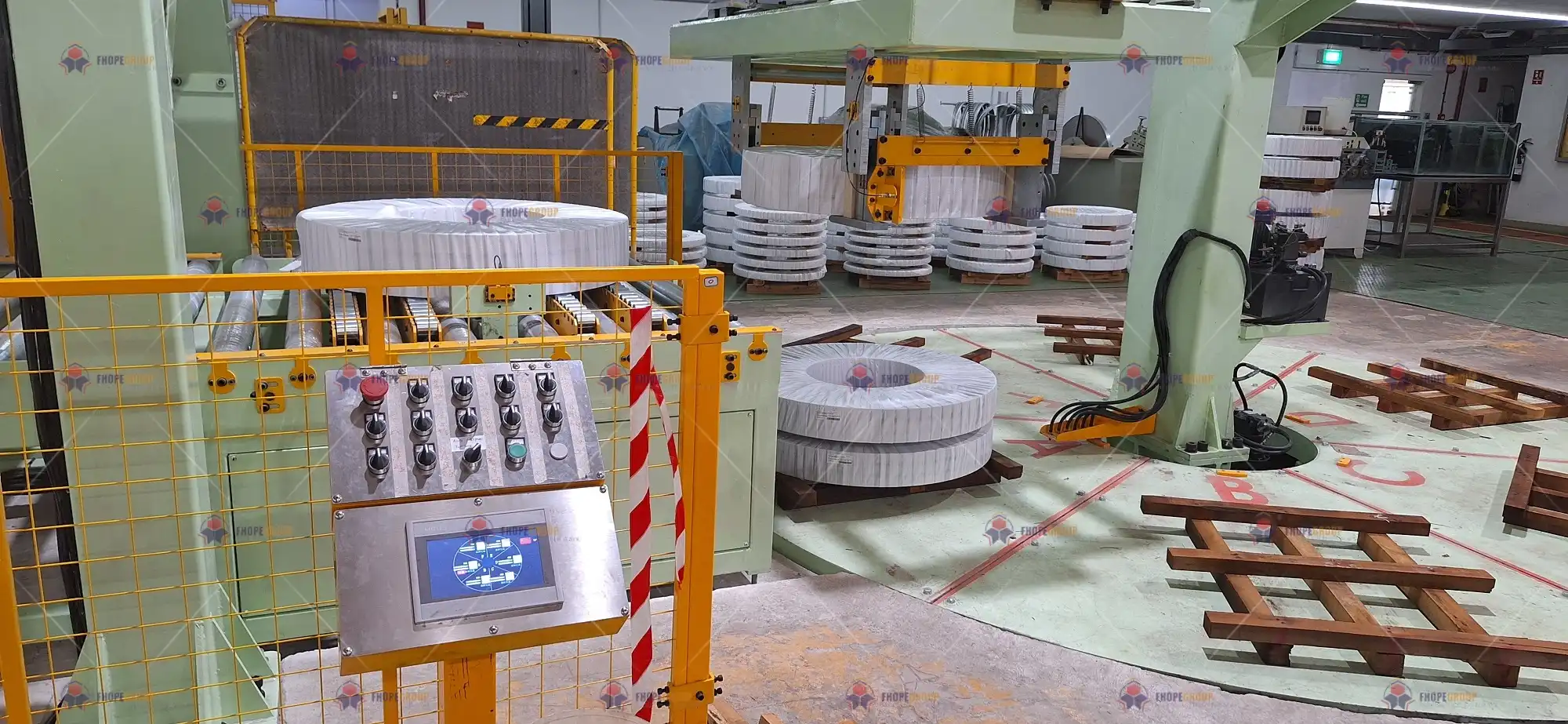
You are likely looking for more than just a quick fix; you need a strategy to keep your machinery robust and reliable. That is why I want to share some insights from my journey in the packing machine industry. These insights come from my experience building and running successful packing machine factories. They will help you understand how proper maintenance can transform your operations. Let’s dive deeper into making your coil packing machines a dependable asset.
1. Why is regular maintenance crucial for your automatic coil packing machine?
Have you ever wondered about the true cost of neglect when it comes to your industrial machinery? It is far more than just the repair bill. For heavy-duty equipment like automatic coil packing machines, skipping maintenance creates a cascade of problems. These problems directly impact your bottom line and your factory’s overall safety.
Regular maintenance for your automatic coil packing machine is crucial because it ensures operational reliability, extends equipment lifespan, and significantly reduces the risk of costly unexpected breakdowns. By proactively addressing wear and tear, you prevent minor issues from escalating into major repairs, minimize production downtime, and uphold consistent output quality, which is vital for sustained business profitability and customer satisfaction.

From my own experience establishing a successful packing machine factory, I learned that machinery is the backbone of any production. Its health directly impacts everything else. When I consult with factory managers, I always stress that proactive maintenance is not an expense; it is an investment. It protects your workers, your products, and your profits. Let me break down the critical reasons why this investment pays off.
The Hidden Costs of Neglecting Your Packing Machine
Neglecting maintenance can create many problems. These problems quickly turn into significant financial burdens and operational headaches. Let’s look at some of these often-overlooked costs:
-
Unscheduled Downtime: This is perhaps the most obvious cost. When a machine breaks down unexpectedly, production stops. Every minute your automatic coil packing machine is idle, you lose potential output. This means missed deadlines, unhappy customers, and lost revenue. For heavy industries, this can mean thousands of dollars per hour. It affects your entire supply chain. 📉
- Example: A sensor failure on your coil wrapping machine stops the whole line. You lose 8 hours of production while waiting for a technician and parts. The cost is not just the repair; it is the lost output and delayed shipments.
- (machinery breakdown prevention, operational continuity, production efficiency)
-
Increased Repair Costs: Small problems, if left unaddressed, grow into big, expensive ones. A loose bolt can lead to excessive vibration. This vibration can damage bearings, motors, or even the machine’s frame. What could have been a simple tightening becomes a major component replacement. These larger repairs often require specialized parts and longer service times. 💰
- Example: A worn-out conveyor belt on a heavy-duty coil packaging line is ignored. It eventually snaps, causing damage to other parts of the machine and scattering raw materials. The repair cost is now five times what a simple belt replacement would have been.
- (cost reduction strategies, equipment repair expenses, preventative maintenance ROI)
-
Reduced Equipment Lifespan: Machines have a finite life. However, proper maintenance can significantly extend it. Regular lubrication, component inspection, and timely adjustments prevent premature wear. Without these steps, your automatic strapping machine or wrapping equipment will degrade faster. This means you will need to replace expensive machinery sooner than planned. 📅
- Example: A coil handling system that receives consistent hydraulic fluid checks and filter replacements will last years longer than one where these are neglected, delaying capital expenditure on new equipment.
- (machinery longevity, asset preservation, industrial equipment life cycle)
-
Compromised Safety: This is perhaps the most critical concern. Michael, like many factory managers, understands the high-risk nature of heavy manufacturing. Manual handling of heavy coils is dangerous. Automated systems, while safer, also need careful maintenance. Loose parts, failing safety sensors, or uncalibrated components can lead to serious accidents. These accidents can injure workers, leading to high insurance costs, worker’s compensation claims, and invaluable human suffering. FHOPEPACK always prioritizes safety in its designs and maintenance recommendations. 👷♂️
- Example: A faulty emergency stop button on an automatic steel coil packaging line is not checked. In an emergency, it fails, leading to a serious pinch point injury for an operator. This is a preventable tragedy.
- (workplace safety improvement, industrial accident prevention, health and safety compliance)
-
Product Damage and Quality Issues: Your packing machine protects your products. If the machine itself is not working correctly, it can damage the very items it is supposed to secure. Misaligned wrapping, insufficient strapping tension, or rough handling can damage valuable steel coils or wire bundles during packaging. This leads to customer complaints, returns, and damage to your brand’s reputation. 📦
- Example: An automatic wrapping machine with misaligned rollers scratches the surface of delicate brass coils. This results in rejection by the client and financial losses for the factory.
- (product quality assurance, damage reduction, packaging integrity)
These costs highlight that a small investment in maintenance can prevent much larger financial and operational crises. It allows your factory to run smoothly and profitably. (factory operational costs, industrial machinery upkeep, long-term equipment care)
2. What are the essential daily and weekly checks I should perform on my packing machine?
The phrase “an ounce of prevention is worth a pound of cure” holds especially true for industrial machinery. Just like a car needs its regular oil changes, your automatic coil packing machine benefits from routine checks. These daily and weekly inspections are not time-consuming, but they are incredibly effective in catching potential problems early.
Performing essential daily and weekly checks on your automatic coil packing machine involves a systematic review of its mechanical, electrical, and pneumatic components to ensure proper function and identify early signs of wear. These routine inspections typically include visual checks for loose parts, lubrication status, sensor cleanliness, and operational performance, allowing factory managers to preemptively address minor issues before they escalate into significant production disruptions or safety hazards.
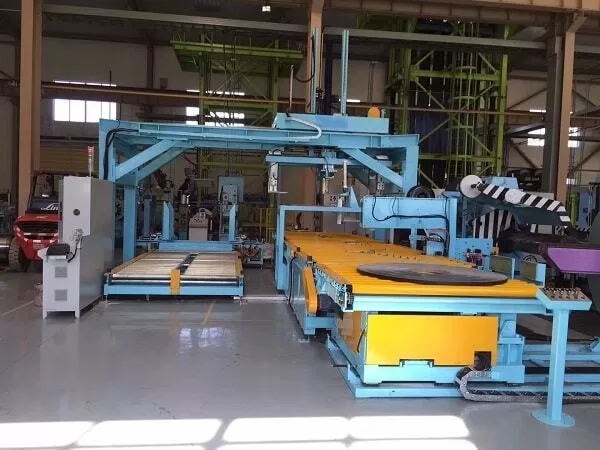
When I started FHOPEPACK, I knew that reliability was paramount. Many of my clients, like Michael, need machines that can handle high-intensity, demanding environments without fail. This is why I always emphasize the importance of a structured approach to daily and weekly checks. It helps you keep your coil packing machines in top shape. Let’s outline some of the key checks that should be part of your routine.
Your Daily & Weekly Maintenance Checklist for Optimal Performance
Implementing a simple, systematic checklist for your packing machine’s daily and weekly inspections can significantly improve its reliability and reduce unexpected downtime. Here’s a guide to what your team should be looking for:
Daily Checks (Before or After Each Shift):
These are quick visual and functional checks that can be performed by operators.
- Visual Inspection for Wear and Tear:
- 👀 Check for any loose bolts, nuts, or fasteners on the machine frame, conveyor systems, and packing heads. Vibrations can loosen them over time.
- ⚙️ Look for signs of wear on rollers, belts, and guides, especially those in contact with heavy coils. Are there cracks, fraying, or unusual grooves?
- 🔌 Inspect electrical cables and connections for any visible damage, cuts, or signs of overheating.
- (visual inspection packing machine, daily equipment checks, operational readiness)
- Lubrication Points Check:
- 💧 Ensure that all designated lubrication points have adequate grease or oil. Replenish if necessary. Proper lubrication reduces friction and wear on moving parts.
- (lubrication schedule, grease points, friction reduction)
- Sensor Cleanliness and Functionality:
- 🧹 Clean dust, debris, or oil from all sensors (photoelectric, proximity, limit switches). Dirty sensors can lead to false readings or machine stoppages.
- ✅ Briefly test emergency stop buttons and safety interlocks to ensure they are working correctly. This is crucial for operator safety.
- (sensor maintenance, safety device inspection, emergency stop check)
- Air Pressure and Filters:
- 🌬️ Check the main air supply pressure to the pneumatic system. Ensure it is within the manufacturer’s specified range.
- 💨 Briefly drain any accumulated moisture from air filters/regulators. Excess moisture can damage pneumatic components.
- (pneumatic system check, air filter maintenance, pressure gauge monitoring)
- Material Feeding and Cutting Units:
- ✂️ Inspect the strapping or wrapping material cutting mechanism for sharpness and proper alignment. A dull cutter can cause material jams.
- (material handling inspection, cutting unit check, packaging material flow)








