
Heavy-Duty Hydraulic Upender for Transformer Cores in Thailand
Have you ever considered the hidden costs of inefficient material handling in your factory? Many manufacturers, especially those dealing with heavy, delicate components like transformer cores in bustling industrial hubs like Thailand, face daily struggles. These struggles include slow processes, constant safety risks, and unexpected product damage. These issues can drain your profits and hinder your growth.
Heavy-duty hydraulic upenders are critical for safely and efficiently manipulating large, often awkwardly shaped items such as transformer cores. They eliminate the need for manual repositioning, significantly reducing injury risks and product damage during manufacturing and packing processes, especially in demanding environments like Thailand’s growing industrial sector (transformer core handling solutions).
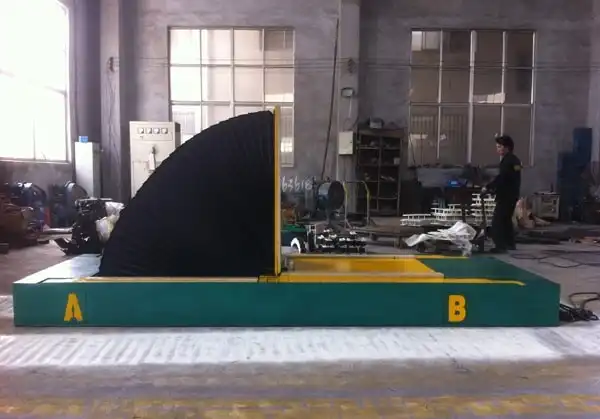
I understand these challenges deeply. My journey in the packing machine industry, from an employee to owning a successful factory, has shown me the true impact of well-chosen equipment. This article will share insights into how the right heavy-duty hydraulic upender can transform your operations.
1. Why are Heavy-Duty Hydraulic Upenders essential for transformer core handling in Thailand?
Are you tired of slow, risky manual handling processes for your precious transformer cores? The traditional methods of moving and flipping heavy, delicate components often lead to bottlenecks, safety hazards, and costly product damage. This is a common issue for many factories in Thailand, where demand for efficient manufacturing is always high (Thai industrial material handling).
Heavy-duty hydraulic upenders are essential in Thailand’s transformer manufacturing sector because they automate the precise and safe rotation of large, heavy transformer cores, eliminating dangerous manual handling, increasing throughput, and preventing costly damage to these sensitive components (transformer core rotation equipment).

When I first started in the packing machine industry, I saw firsthand the dangers and inefficiencies of manual lifting. I realized that true growth comes from smart automation, not just hard work. For transformer core manufacturers in Thailand, this problem is even more critical. Transformer cores are not just heavy; they are precise and delicate. Any scratch or bend can impact performance and lead to significant financial loss. Relying on overhead cranes and slings for flipping these cores is often slow and requires multiple operators. This method increases the chance of accidents and damage. Imagine a worker straining their back, or a core slipping and suffering a dent; these incidents are not just costly in repairs but also in lost production time and worker morale. A hydraulic upender directly addresses these pain points. It provides a controlled, smooth rotation process, minimizing human intervention and maximizing safety. It means fewer injuries, less product rework, and faster production cycles. In a competitive market like Thailand, where efficiency drives success, these machines are no longer a luxury but a fundamental necessity for any serious manufacturer. They are an investment in safety, precision, and sustained growth (precision heavy lifting solutions).
The Perils of Manual Transformer Core Handling
Manual handling of transformer cores is fraught with risks and inefficiencies that can cripple a factory’s productivity and bottom line. These challenges are especially pronounced in regions with high industrial output like Thailand, where demand for rapid and reliable production is constant.
-
Safety Hazards:
- Musculoskeletal Injuries: Workers frequently suffer from back strains, sprains, and other injuries from lifting and positioning heavy, awkward cores. This leads to high medical costs, lost workdays, and increased insurance premiums. 🤕
- Crushing Injuries: The sheer weight of transformer cores poses a severe risk of crushing injuries if a core slips or falls during manual manipulation. This can result in permanent disability or even fatalities. 🚑
- Fatigue-Related Accidents: Repetitive and strenuous manual tasks lead to worker fatigue. This increases the likelihood of errors and accidents, especially during long shifts. 😴
-
Operational Inefficiencies:
- Slow Production Cycles: Manual handling is inherently slow. Each core flip can take considerable time, involving multiple workers, careful balancing, and extensive safety checks. This creates bottlenecks in the production line. ⏳
- Increased Labor Costs: Due to the difficulty and danger, multiple skilled workers are often required for each handling operation. This inflates labor costs without necessarily increasing output. 💰
- Production Delays: Any accident or injury immediately halts production. This results in costly downtime and missed delivery deadlines. 🛑
-
Product Damage and Quality Control Issues:
- Edge and Surface Damage: Transformer cores, especially their delicate edges and surfaces, are prone to damage during manual handling. Scratches, dents, or deformations can occur from impact or improper support. 💔
- Rework and Scrap: Damaged cores often require rework, consuming valuable time and resources. Severely damaged cores might need to be scrapped entirely, leading to material waste and financial loss. 🚮
- Reduced Product Integrity: Even minor damage can compromise the structural integrity and electromagnetic properties of the transformer core. This impacts the final product’s quality and reliability. 📉
By adopting heavy-duty hydraulic upenders, factories in Thailand can mitigate these risks. They can improve worker safety, streamline operations, and ensure the pristine condition of their valuable transformer cores. This investment pays for itself through reduced costs and enhanced productivity (industrial safety equipment).
2. What key features define a reliable hydraulic upender for heavy industrial applications?
Are you searching for an upender that can truly withstand the rigors of heavy industrial use? Many manufacturers find themselves disappointed by equipment that promises durability but fails under constant strain. This is particularly true when handling massive transformer cores, where failure is not an option (reliable industrial machinery).
A reliable hydraulic upender for heavy industrial applications features robust steel construction, high-capacity hydraulic systems, precise controls, and advanced safety mechanisms. These ensure consistent, safe, and efficient handling of massive loads like transformer cores without compromising durability or operational integrity (heavy-duty material handling equipment).

From my experience designing and building packing machines, I know that “heavy-duty” is more than just a label. It means a machine built from the ground up to endure, day in and day out, without faltering. When it comes to hydraulic upenders, especially for critical components like transformer cores, reliability is paramount. It starts with the very foundation: the frame must be made from high-strength structural steel, capable of resisting deformation under immense loads. The hydraulic system itself needs to be industrial-grade, featuring powerful pumps, robust cylinders, and high-pressure hoses that can deliver consistent, smooth power without leaks or breakdowns. Precision is another non-negotiable feature. Transformer cores demand careful handling, so the upender needs accurate controls for smooth, variable-speed rotation. This prevents sudden jolts that could damage the core. Lastly, safety features are not optional; they are life savers. Overload protection, emergency stop buttons, and interlocks that prevent operation under unsafe conditions are vital. These features distinguish a truly reliable heavy-duty upender from a standard model, ensuring long-term performance and peace of mind for operators in busy factories (industrial equipment reliability).
Key Features of Superior Hydraulic Upenders
Selecting a high-quality hydraulic upender for demanding industrial environments, such as those handling transformer cores, requires a focus on specific features that guarantee durability, safety, and efficiency.
-
Robust Construction and Material Quality:
- High-Strength Steel Frame: The backbone of any heavy-duty upender is its frame. It must be constructed from thick, welded structural steel (e.g., Q345B or equivalent) to withstand dynamic loads and prevent fatigue cracking over years of operation. 💪
- Industrial-Grade Bearings and Pivots: All moving parts, especially rotation points, must use heavy-duty, maintenance-free bearings. These ensure smooth movement and longevity even with continuous operation under heavy loads. ⚙️
- Corrosion Resistance: For diverse industrial environments, protective coatings or specialized materials (e.g., stainless steel for critical components) are crucial to prevent rust and extend equipment lifespan. 🛡️
-
Advanced Hydraulic System:
- High-Capacity Hydraulic Pump: A powerful and efficient hydraulic pump is essential for quick and smooth tilting, even with maximum loads. Look for pumps designed for continuous industrial use. 🚀
- Durable Hydraulic Cylinders: Cylinders must be robust, with hardened chrome-plated rods and high-quality seals to prevent leaks and ensure consistent performance under high pressure. 💧
- Proportional Valve Control: This allows for fine-tuned, variable-speed control of the tilting motion, crucial for safely handling delicate items like transformer cores. It prevents sudden movements. 🕹️
- Integrated Oil Cooling System: For continuous, heavy-duty operation, an oil cooling system prevents hydraulic fluid from overheating. This maintains system efficiency and extends component life. 🌡️
-
Precision and Safety Features:
- Multi-Position Locking Mechanism: This secures the load at various angles during rotation, ensuring stability and operator safety during intermediate stages. 🔒
- Overload Protection System: Essential for preventing damage to the upender and ensuring safe operation, this system automatically stops operation if the load exceeds the specified capacity. 🚧
- Emergency Stop Buttons: Strategically placed E-stop buttons provide immediate shutdown capability in critical situations, enhancing worker safety. 🔴
- Guard Rails and Safety Fencing: For added protection, especially in automated or high-traffic areas, physical barriers can prevent accidental access to moving parts. 🚧
- Visual and Audible Alarms: Warning lights and sirens alert personnel when the upender is in operation. This increases situational awareness and reduces accident risk. 🚨
These features collectively contribute to an upender’s reliability, making it a sound investment for factories handling heavy, critical components. They ensure maximum operational uptime, operator safety, and the integrity of the transported materials (industrial safety features).
3. How can a hydraulic upender optimize workflow and reduce operational costs in Thai factories?
Are your current material handling methods creating bottlenecks and draining your budget? Many factories in Thailand struggle with labor-intensive processes that slow down production and increase overall operational costs. It is a common challenge for growth-focused businesses (operational efficiency solutions).
A hydraulic upender optimizes workflow and reduces operational costs in Thai factories by automating heavy material handling, significantly decreasing reliance on manual labor, minimizing product damage during transfers, and enhancing production speed. This leads to substantial savings and improved overall plant productivity (cost-effective material handling).
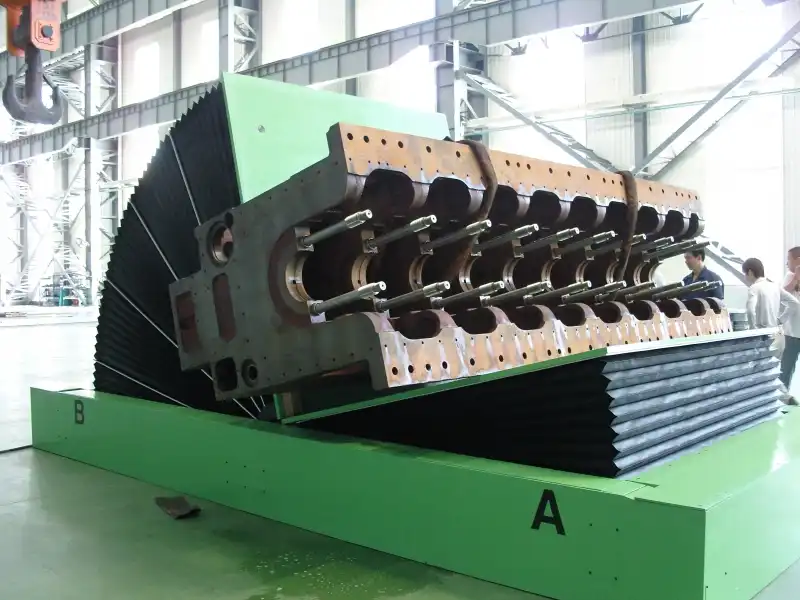
I remember talking with clients who faced these exact issues. They needed to move heavy coils and steel wires, but their manual processes were slow and dangerous. They often lost money due to damaged products. This is where a hydraulic upender shines. By taking over the physically demanding task of flipping heavy items like transformer cores, it frees up your workforce for more value-added activities. Think about the direct impact: instead of two or three workers struggling to manually flip a core with a crane, one operator can manage the upender, safely and quickly. This dramatically reduces labor costs. Also, a controlled hydraulic flip means fewer accidents and less product damage. Michael Chen, the factory manager I know, would tell you how critical this is. Every damaged core is a direct hit to the profit margin. By preventing damage, you save on rework, scrap, and customer complaints. The initial investment in an upender quickly yields a positive return on investment (ROI) through these tangible savings and improved efficiency. It’s not just about buying a machine; it’s about investing in a smarter, more profitable way of working (industrial automation benefits).
Maximizing ROI with Hydraulic Upenders
Implementing a heavy-duty hydraulic upender is a strategic move that delivers tangible benefits across several key operational areas, significantly boosting a factory’s return on investment (ROI).
-
Direct Labor Cost Reduction:
- Fewer Personnel Required: Manual handling of heavy loads often requires multiple workers. An upender allows a single operator to manage the entire process, reallocating staff to more productive tasks. ⬇️👥
- Reduced Overtime: Faster processing times mean less need for overtime to meet production targets, directly lowering payroll expenses. ⏰
- Lower Training Costs: Standardized, automated operations simplify training for new hires compared to complex manual handling techniques. 🎓
-
Enhanced Safety and Reduced Injury Costs:
- Fewer Workplace Accidents: Automating the flipping process eliminates the highest risks associated with manual heavy lifting, leading to a dramatic reduction in injuries. 🚫🤕
- Lower Insurance Premiums: A demonstrably safer workplace can result in reduced workers’ compensation insurance premiums over time. 💲
- Improved Employee Morale: Workers feel safer and more valued, leading to higher morale, reduced absenteeism, and lower employee turnover. 😊
-
Significant Product Damage Prevention:
- Minimized Rework and Scrap: Precise and controlled handling by the upender prevents damage to delicate components like transformer cores, reducing the need for costly rework or outright scrapping of materials. 📉♻️
- Improved Product Quality: Consistent, damage-free handling ensures the integrity of the finished product, enhancing customer satisfaction and brand reputation. ⭐
- Reduced Material Waste: Preventing damage means optimal utilization of raw materials, contributing to a greener and more cost-effective manufacturing process. 🌳
-
Increased Production Throughput and Efficiency:
- Faster Cycle Times: Automated flipping is significantly quicker than manual methods, accelerating the flow of materials through the production line. ⚡
- Reduced Bottlenecks: Eliminating manual handling delays at critical junctures ensures a smoother, more continuous production process. 🔗
- Consistent Performance: Unlike human labor which can vary, machines offer consistent speed and accuracy, leading to predictable production schedules. 📈
By integrating a hydraulic upender, factories can achieve a swift ROI through these measurable improvements. The long-term benefits of enhanced safety, reduced operational costs, and boosted productivity make it an indispensable asset for modern manufacturing (manufacturing cost reduction strategies).
4. Choosing the Right Hydraulic Upender Supplier: What should Thai manufacturers look for?
Are you wary of equipment suppliers who are only interested in making a sale and then disappearing? Finding a reliable partner for your heavy-duty hydraulic upender needs in Thailand can be daunting, especially given past negative experiences with unsupportive vendors (trusted equipment suppliers).
When choosing a hydraulic upender supplier in Thailand, manufacturers should prioritize partners with deep industry expertise, a proven track record of reliable equipment, comprehensive after-sales support, and a commitment to understanding specific operational needs rather than just selling a product. (Randal Liu’s insight on supplier selection).
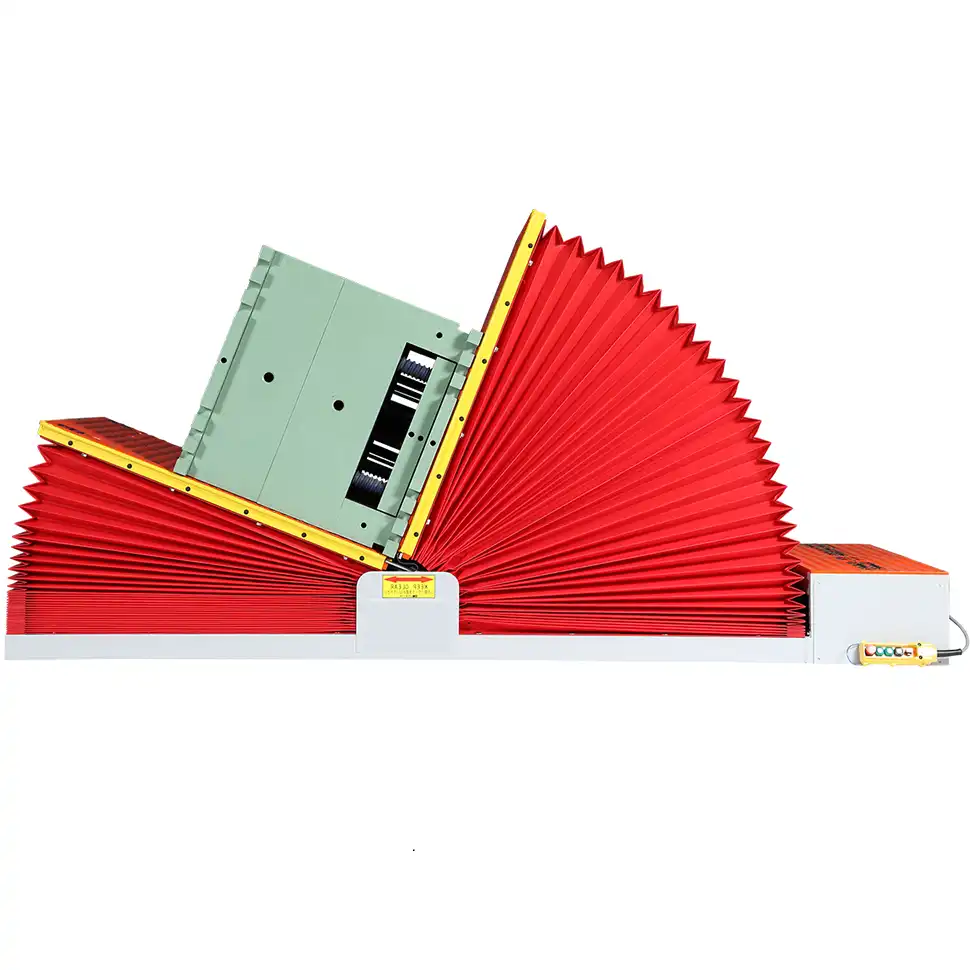
My own journey, from a factory employee to building FHOPEPACK, taught me the immense value of trust and partnership. I saw how clients struggled when their equipment broke down and the supplier offered no real support. This experience fueled my mission to not just sell machines but to share knowledge and build lasting relationships. For manufacturers in Thailand looking for a heavy-duty hydraulic upender, this means looking beyond the price tag. First, assess the supplier’s industry knowledge. Do they truly understand transformer cores, the challenges of heavy manufacturing, and the specific needs of the Thai market? A reputable supplier will offer customized solutions, not just off-the-shelf products. Second, check their track record for quality and reliability. FHOPEPACK, SHJLPACK, and CNBHPAC are known for their commitment to durable equipment. Third, and perhaps most importantly, evaluate their after-sales service. What kind of warranty do they offer? How quickly can they provide spare parts or technical assistance? Michael Chen, the factory manager, values a partner who can provide professional guidance and ongoing support. He knows that true partnership means someone who stands by their product and helps you grow your business. This is the FHOPEPACK promise: a reliable machine backed by a knowledgeable team dedicated to your success (packing machine supplier evaluation).
Criteria for Vetting Hydraulic Upender Providers
Identifying the ideal supplier for a heavy-duty hydraulic upender is a critical decision. It impacts not only the equipment’s performance but also the long-term operational success of your factory.
-
Demonstrated Industry Expertise and Experience:
- Specialization in Heavy-Duty Handling: Look for suppliers with a clear focus and extensive experience in designing and manufacturing upenders for heavy industrial applications, particularly for items like transformer cores. 🏭
- Understanding of Local Market Needs: A supplier familiar with Thailand’s industrial landscape, regulations, and common operational challenges can offer more relevant and effective solutions. 🇹🇭
- Technical Consulting Capabilities: A good supplier should offer more than just sales. They should provide expert advice, conduct site assessments, and help tailor solutions to your specific production bottlenecks. 🧠
-
Product Quality and Reliability:
- Certifications and Standards: Verify that the supplier’s products meet international quality and safety standards (e.g., CE, ISO). These certifications indicate adherence to rigorous manufacturing processes. 📜
- Robust Build Quality: As discussed, the equipment must be built with high-grade materials and robust engineering to ensure longevity and minimal breakdowns in demanding environments. 💪
- Customization Capabilities: Can the supplier adapt their standard models or design bespoke upenders to fit your unique factory layout, load dimensions, and operational requirements? 📐
-
Comprehensive After-Sales Support and Service:
- Warranty and Guarantees: A strong warranty policy signals a supplier’s confidence in their product. Understand what it covers and for how long. 🛡️
- Availability of Spare Parts: Quick access to genuine spare parts is crucial for minimizing downtime. Inquire about their inventory and delivery times, especially for international clients. 📦
- Technical Support and Maintenance: Does the supplier offer ongoing technical assistance, troubleshooting, and scheduled maintenance services? Proactive support is invaluable. 📞
- Installation and Training: A reliable supplier will provide professional installation services and thorough training for your operators to ensure safe and efficient use of the new equipment. 🧑🏫
-
Reputation and Trustworthiness:
- Client Testimonials and References: Seek out feedback from other manufacturers, particularly those in similar industries or regions, to gauge the supplier’s reputation. 🗣️
- Company Longevity and Stability: A long-standing company often indicates reliability and a commitment to the industry. (FHOPEPACK, SHJLPACK, CNBHPAC are established names). 🏆
- Transparent Communication: A trustworthy partner communicates clearly about product specifications, pricing, timelines, and any potential challenges. 🤝
By carefully evaluating these criteria, Thai manufacturers can forge partnerships with suppliers like FHOPEPACK who not only provide high-quality hydraulic upenders but also serve as trusted advisors for long-term operational success (industrial equipment partnerships).
Conclusion
Investing in a heavy-duty hydraulic upender dramatically boosts safety, efficiency, and profits for transformer core handling. It’s a strategic move for any growing factory, especially when paired with solutions like a coil wrapping machine.








