Can Modular Steel Coil Packing Lines Future-Proof Your U.S. Plant?
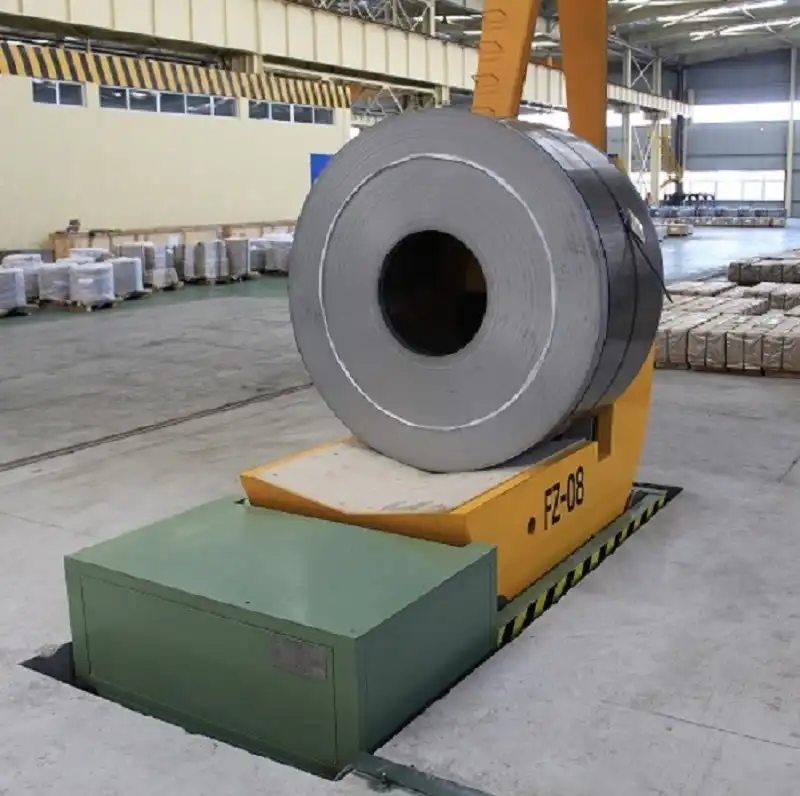
Your U.S. factory faces constant pressure. Old packing methods hold you back. Manual handling of heavy steel coils is slow. It creates huge safety risks for your team. This also means high costs for you. Product damage happens often during transit. This leads to angry customers and lost money. You feel stuck. Your current setup cannot meet modern demands. It might even hurt your bottom line.
A modular steel coil packing line can solve these big problems. It offers flexibility and high efficiency. This type of system makes your plant ready for the future. It boosts safety, lowers costs, and cuts down on product damage. This helps your U.S. plant stay competitive.


You need a real solution. You need a partner who understands your challenges. I built my company, FHOPEPACK, to be that partner. I started as a packing machine engineer. I saw these exact problems in factories. I will share my insights with you. I will show you how smart design and partnership can change your operations. Keep reading to see how.

Why Are Your Current Packing Methods Holding Back Your U.S. Production?
Are you still using lots of people for packing steel coils? This creates a big bottleneck. It slows down your entire production. Your delivery times get longer. This makes customers unhappy. You might feel frustrated by these limits. Your plant can do more. But old methods stop you.
Your current manual coil packing slows down the whole line. It costs you more money. It also puts your workers at risk. Upgrading to an automated system fixes these issues. It speeds things up. It makes your plant safer. It lowers your overall costs.

The High Cost of Manual Packing in U.S. Plants
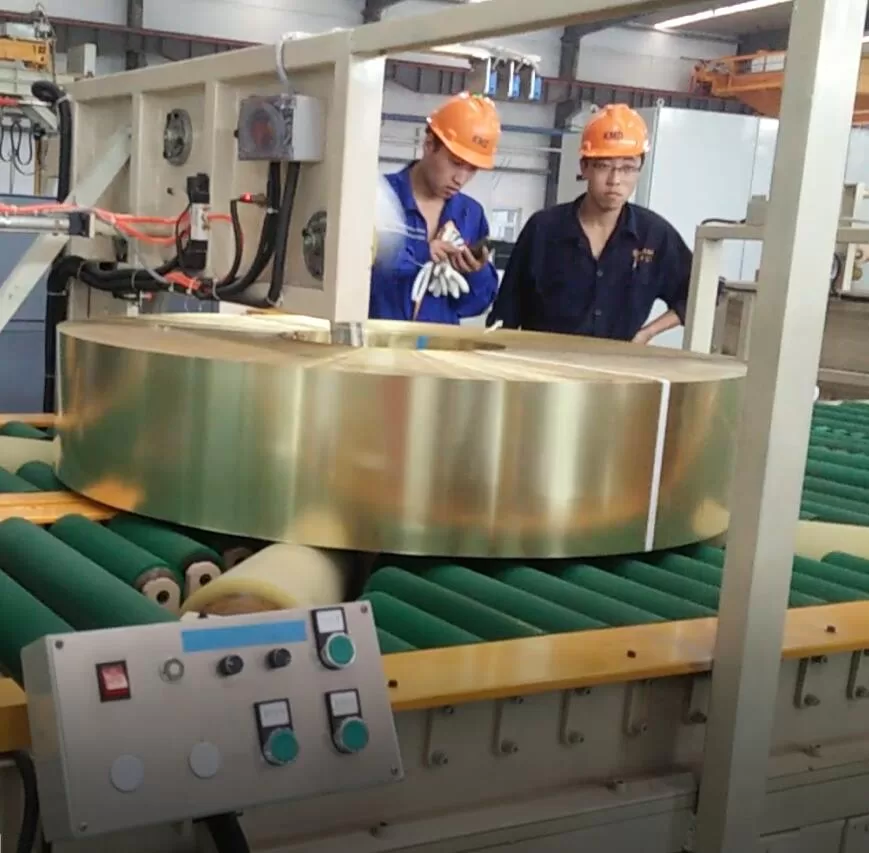
Manual packing of steel coils seems cheap at first. But it hides many costs. I have seen this often. My journey in the packing machine industry taught me this. I worked on factory floors. I saw how much time people spent. They moved heavy coils. This work is slow. It is also very hard.
- Slow Production: People work slower than machines. So, your packing line cannot keep up. This means your whole factory slows down. Orders take longer to finish. You miss chances to make more products.
- High Labor Costs: You need many workers for manual packing. Wages are high in the U.S. Overtime adds even more cost. Benefits for workers also add up. These costs eat into your profits.
- Safety Risks and Insurance: Lifting heavy coils by hand is dangerous. Workers can get hurt. They can have back problems or crushed fingers. This leads to injuries. Injured workers need time off. You must pay for their medical bills. Your insurance costs also go up. I remember seeing these risks. They were a big reason I wanted to build better machines.
- Product Damage: When people handle coils, mistakes happen. Coils can drop. Their edges can get bent. The protective wrapping can tear. This damages your product. Damaged products mean unhappy customers. You might have to replace goods. You might lose sales. This all costs money.
- Worker Turnover: Hard and dangerous jobs make people leave. High worker turnover costs you more money. You must hire new people. You must train them. This takes time and resources. It also makes your team less stable.
A factory manager like Michael Chen knows these problems well. He sees the pain points every day. His goal is to fix them. He wants to boost output. He wants to cut costs. He wants to keep his workers safe. Manual packing cannot help him achieve these goals. It creates barriers. So, moving to an automated system is not just an option. It is a must for U.S. plants aiming to grow. It helps your plant work smarter. It reduces hidden costs. It makes your future more secure.
How Can Modular Designs Boost Safety and Cut Costs in Your U.S. Factory?
Are you worried about worker safety? Do high costs keep you up at night? Manual handling of steel coils is a major safety risk. It drives up your insurance bills. It also makes your employees leave. You need a new approach. You need a solution that protects your team and your money.
Modular packing lines boost safety. They do this by removing risky manual tasks. They also cut costs by making your operations more efficient. This means fewer injuries. It also means more savings for your U.S. plant.

The Power of Modularity for U.S. Manufacturing
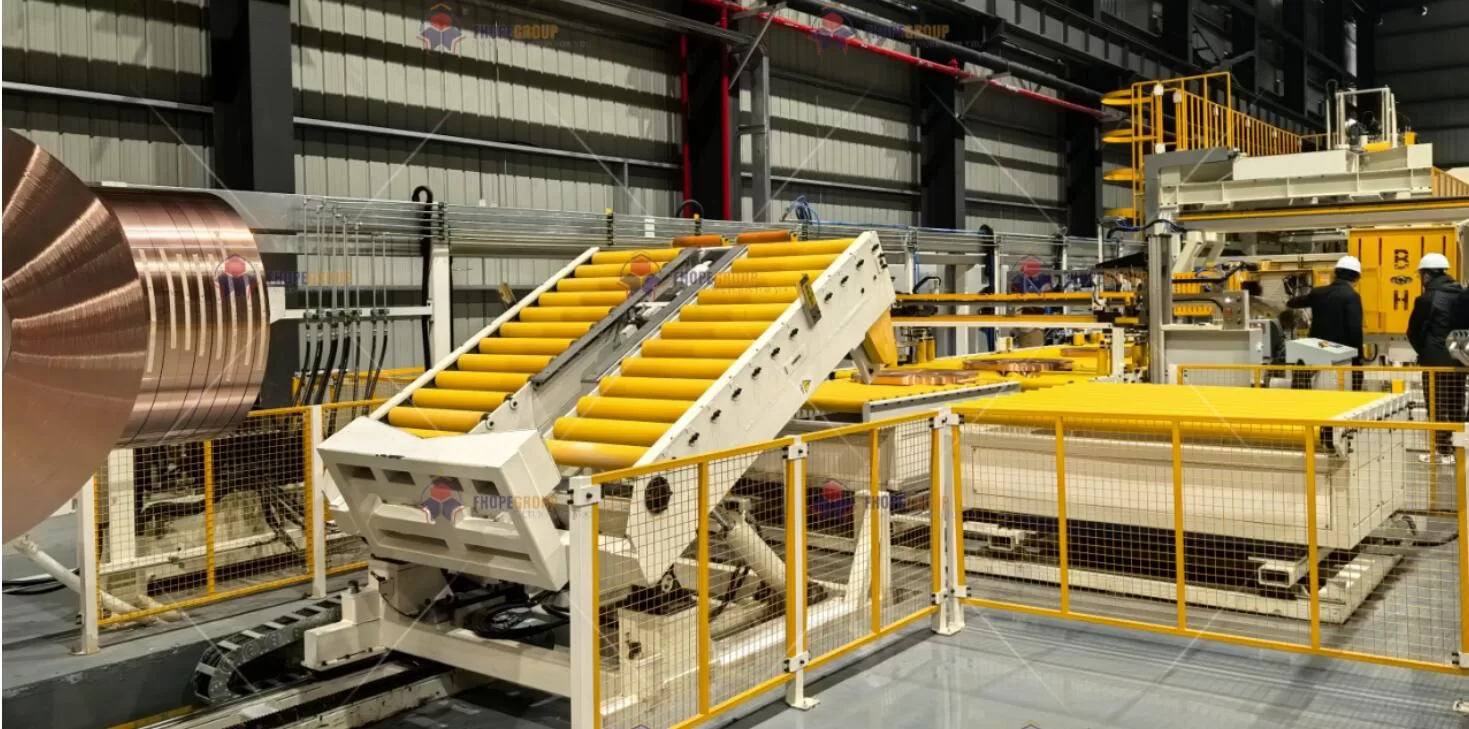
I have seen many factories grow over the years. I helped them build better packing systems. Modular design is a key idea. It means you build your packing line with separate parts. These parts can connect to each other. You can add or remove parts as you need. This is a very smart way to invest.
-
Enhanced Worker Safety:
- Reduced Manual Handling: This is the biggest benefit. Heavy coils move automatically. Workers do not lift them. They do not turn them. This removes the risk of sprains, crushed limbs, and back injuries. My goal has always been to make factory work safer. This is how we do it.
- Automated Processes: Machines do the dangerous work. They wrap, strap, and weigh. People supervise the machines. They do not handle the heavy loads directly. This lowers the chance of accidents. It makes the workplace much safer.
- Consistent Operation: Machines work the same way every time. This means fewer mistakes caused by human error. Fewer mistakes lead to fewer accidents.
- Lower Insurance Costs: When you have fewer injuries, your insurance company notices. They see your plant as less risky. So, your insurance premiums can go down. This saves you money directly.
-
Significant Cost Reduction:
- Lower Labor Expenses: You need fewer workers for packing. This means you save on wages. You save on benefits. This is a big win for your budget.
- Reduced Product Loss: Automated systems handle coils gently. They are precise. So, fewer coils get damaged during packing. This means you lose less product. You have fewer customer complaints. You keep more profit.
- Energy Efficiency: Modern machines use energy smarter. This lowers your electricity bills. Over time, these savings add up.
- Scalability and Future Growth: Modular systems are flexible. You can start with what you need now. Then you can add more modules later. This means you do not overspend today. You can grow your packing line as your business grows. You can add more capacity. You can change your packing types. This adaptability is crucial for long-term success. It means your investment is safe for years to come.
Michael Chen looks for return on investment (ROI). Modular systems clearly show an ROI. They reduce risks. They lower costs. They make your operations smoother. This helps your U.S. plant become more profitable. It makes your factory future-proof.
What Makes a Supplier a True Partner for Your Steel Coil Packing Needs?
Have you worked with suppliers who only care about sales? Did they leave you hanging after the deal? This makes you careful about new partners. You need someone who truly understands your factory’s needs. You need a company that offers real support.
A true partner understands your pain points. They provide expert insights. They offer reliable solutions and strong after-sales service. They do not just sell you a machine. They help you succeed.


Building Trust in the Packing Machine Industry
I built FHOPEPACK from the ground up. I know what it is like to be an employee. I know what it is like to run a factory. I understand the challenges from both sides. This journey taught me one thing: trust is everything. Many suppliers only focus on selling. They vanish once the money changes hands. This leaves you alone with problems.
-
Deep Industry Knowledge:
- Understanding Your Challenges: A true partner listens. They ask about your bottlenecks. They ask about your safety concerns. They ask about your product damage issues. They know about your specific industry. They know how steel coils are made. They know how they are handled. This knowledge lets them offer real solutions. They do not just offer standard machines. They offer solutions tailored to your U.S. plant.
- Problem-Solving Focus: They see your challenges as their own. They use their experience to find answers. They help you with your unique production setup. They look at your entire process. They find ways to make it better.
- Expert Guidance: I have helped many clients grow their businesses. My financial independence came from helping others. So, I am eager to share what I know. A good partner provides this kind of expert guidance. They do not just sell a product. They offer insights. They help you make smart decisions.
-
Reliable Solutions and Strong After-Sales Service:
- Durable Equipment: Michael Chen needs equipment that lasts. His plant is tough on machines. A good partner sells strong machines. These machines can handle high usage. They can work in harsh environments. They are built to last for many years.
- Installation Support: The supplier helps install the machine. They make sure it works correctly from day one. They train your team how to use it.
- Maintenance and Parts: Machines need care. A good partner provides spare parts. They offer maintenance services. They are there when you need repairs. They do not make you wait weeks for help. This is very important for keeping your production running.
- Long-Term Partnership: The relationship does not end after the sale. It just begins. They want to see your plant succeed for years. They are ready to support your future growth. They are there to help you adapt.
Choosing a supplier is a big decision for your U.S. plant. Do not just look at the price. Look for a partner who offers knowledge, reliability, and ongoing support. This kind of partnership will truly help your business grow.
Is Investing in Automation the Right Move for Your U.S. Plant’s Growth?
Do you wonder if automation is worth the cost? Are you sure it will solve your production problems? The idea of a big investment can be scary. But staying with old methods can be even scarier. You need to know if automated packing lines will truly help your plant grow.
Investing in automation is a smart move for your U.S. plant. It solves end-of-line bottlenecks. It improves safety. It cuts costs. This boosts your overall profitability. It sets your plant up for long-term success.
Understanding the Return on Investment for Your U.S. Factory
Many factory managers, like Michael Chen, face this question. They know automation costs money up front. But they need to see how it saves money later. They need to see how it makes them more profitable. I have always focused on ROI for my clients. My own journey showed me that smart investments lead to financial independence.
-
Clear ROI Calculation:
- Reduced Labor: Calculate how much you save by needing fewer workers. This is a direct cost saving.
- Less Product Damage: Figure out how much money you lose from damaged coils. Automated systems cut this loss. This is money saved.
- Increased Output: Faster packing means you can produce and ship more. More product means more sales. More sales mean more revenue.
- Lower Insurance & Safety Costs: Quantify the reduction in injury-related costs. This includes medical bills and insurance premiums.
- Improved Customer Satisfaction: Fewer damaged goods and faster deliveries make customers happier. Happy customers are repeat customers. They might even order more. This brings long-term business value.
-
Strategic Growth for Your Plant:
- Solving Bottlenecks: Automation removes the packing bottleneck. This means your whole production line can run faster. You can meet higher demand. You can take on bigger orders.
- Competitive Edge: Many U.S. plants are looking for efficiency. Automation gives you an edge. You can produce goods faster and at a lower cost than your rivals. This helps you win more business.
- Attracting and Retaining Talent: Automation often means workers move from dangerous manual tasks to overseeing machines. This makes jobs safer. It makes jobs more interesting. This can help you attract skilled workers. It also makes your current team happier. They are more likely to stay.
- Future Readiness: Markets change. Customer demands change. Modular automated systems let you adapt. You can change your packing process if needed. You can scale up or down. This prepares your U.S. plant for whatever comes next. This ensures your investment today keeps paying off tomorrow.
Investing in automation is not just buying a machine. It is investing in your factory’s future. It is about making your operations smarter, safer, and more profitable. It is a strategic move that pays off in many ways. It ensures your U.S. plant stays strong and competitive for years to come.
Conclusion
Future-proofing your U.S. plant means embracing modular coil packing automation. It boosts safety, cuts costs, and improves efficiency, ensuring lasting growth and profitability.