
Frozen Food Distributor Installs -25°C Rated Pallet Flipper for Warehouse Operations
The news of a major frozen food distributor installing a specialized -25°C rated pallet flipper caught my attention. It’s a powerful signal of how far industrial automation has come. For years, cold chain logistics presented a unique challenge for automation. Extreme temperatures, condensation, and worker safety in harsh environments made manual handling the default, albeit risky and inefficient, choice. This case isn’t just about a new machine; it’s about solving a critical bottleneck in one of the most demanding sectors. As someone who has built a career and a business around solving tough packaging and handling problems, I see this as a pivotal moment. It validates a principle I’ve always believed in: the right engineered solution can transform operations, no matter how challenging the environment.
This installation directly addresses the core operational challenge of efficiently and safely rotating heavy, frozen pallet loads in sub-zero warehouse conditions, eliminating manual labor and its associated risks. The -25°C rating is not a luxury; it’s a non-negotiable specification for equipment reliability and worker safety in deep-freeze storage. By automating the pallet flipping process, the distributor tackles productivity bottlenecks, reduces product damage from manual mishandling, and creates a safer workspace. This move from manual, brute-force methods to precise, automated handling is a textbook example of smart operational investment. (automated pallet handling, frozen goods warehouse automation, -25C industrial equipment)
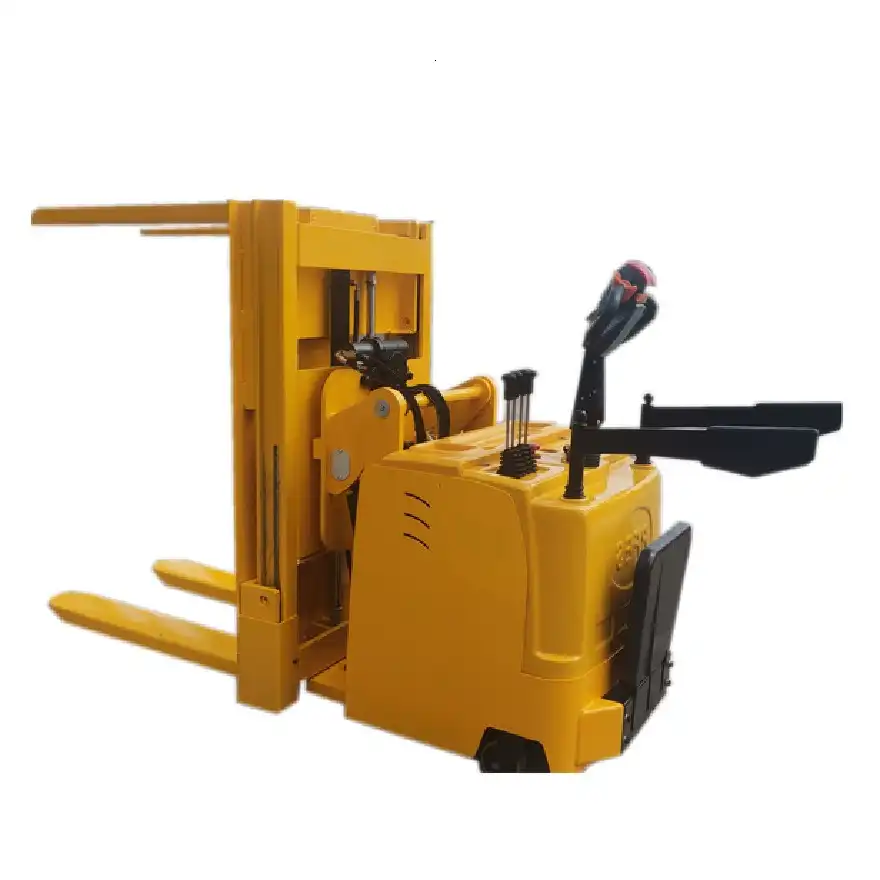
This story resonates deeply with me. It mirrors the journeys of many factory managers I’ve worked with in heavy industries like steel and wire. They face similar pressures: brutal environments, heavy loads, efficiency demands, and paramount safety concerns. The principles of solving for durability, reliability, and return on investment are universal, whether you’re handling -25°C food pallets or 20-ton steel coils. Let’s explore why this specific solution is a game-changer and what it reveals about modern industrial problem-solving.
1. Why is a -25°C Rating Critical for Cold Storage Automation Equipment?
Imagine sending a standard machine into a walk-in freezer that’s colder than most winter days. Lubricants thicken, metals contract, electronics fail, and condensation can cause short circuits. This is the daily reality for equipment in frozen food logistics. A standard pallet flipper would seize up or break down quickly, leading to costly downtime and potentially catastrophic product loss if a pallet of goods gets stuck. The -25°C rating isn’t just about surviving the cold; it’s about guaranteed performance.
The -25°C rating is critical because it certifies that every component of the pallet flipper—from its hydraulic systems and structural steel to its motors and control panels—is specifically engineered and tested to operate reliably and safely at extreme sub-zero temperatures. This involves using cold-rated hydraulic fluids that remain viscous, special seals that don’t become brittle, electrical components rated for low-temperature operation, and often heated panels to prevent condensation on critical parts. Without this certification, you’re risking equipment failure, safety incidents, and the integrity of your entire cold chain operation. (cold chain equipment specifications, sub-zero machinery durability, industrial freezer automation)
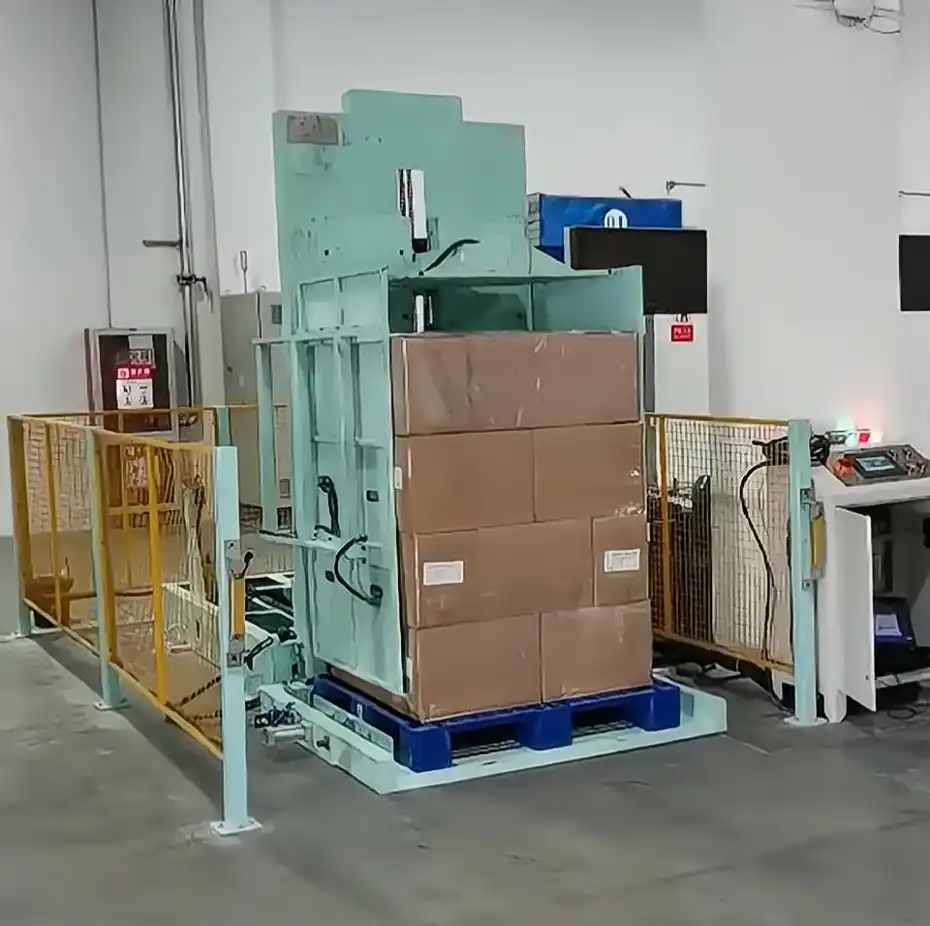
🔧 Breaking Down the -25°C Specification: More Than Just a Number
This rating touches every aspect of the machine’s design. Let’s look at the key components affected:
| Component | Standard Equipment Challenge | -25°C Rated Solution | Why It Matters |
|---|---|---|---|
| Hydraulic System | Fluid thickens, pumps strain, valves stick. | Synthetic, low-temperature hydraulic fluid with a wide operating range. | Ensures smooth, powerful flipping action without delay or failure. |
| Structural Frame & Welds | Standard steel becomes more brittle; risk of catastrophic crack. | Use of certified low-temperature steels (e.g., fine-grained steels); strict welding procedures. | Guarantees structural integrity under heavy load in a brittle environment. |
| Electrical Motors & Drives | Insulation cracks, bearings lose lubrication, performance drops. | Motors with Class F or higher insulation; special low-temp greases. | Provides consistent torque and speed, preventing motor burnout. |
| Control Panel & Sensors | Condensation causes shorts; displays fail. | Heated enclosure (NEMA 4X rating), conformal-coated circuit boards. | Prevents electrical faults and ensures accurate sensor readings for safe operation. |
| Seals & Gaskets | Standard rubber hardens and cracks, causing leaks. | Viton, silicone, or other specialized elastomers designed for cryogenic temps. | Maintains system pressure and prevents contamination of hydraulic fluid. |
This holistic engineering approach is what separates a piece of job-site equipment from a reliable industrial asset. It’s the same philosophy we apply at FHOPEPACK. For instance, when designing a steel coil packing line for an outdoor yard or a non-climate-controlled facility, we don’t just use standard parts. We specify components with wide temperature tolerances, corrosion-resistant coatings, and sealed electronics. The goal is identical: uptime. A machine that works when you need it to, in the conditions you have, is the only machine worth investing in. This principle of environmental specification is universal across industries, from food cold chains to metal manufacturing.
2. How Does Automated Pallet Flipping Solve Core Warehouse Challenges?
Manual pallet flipping in a freezer is more than just inefficient; it’s a operational hazard with multiple points of failure. Workers bundled in bulky gear have reduced dexterity and visibility. Slippery floors and cold, stiff equipment increase the risk of strains, slips, and impacts. The process is slow, limiting throughput at a critical node in the warehouse. Furthermore, inconsistent manual handling can lead to product damage—crushed boxes, torn packaging—which in the food industry can mean a total loss due to safety and contamination concerns.
Automated pallet flipping solves these challenges by providing a consistent, powerful, and programmable method to rotate loads. It removes the physical human element from the most dangerous part of the task, dramatically improving safety. It also operates at a fixed, optimal speed, eliminating the throughput bottleneck and ensuring every pallet is handled identically, which minimizes product damage. The machine becomes a predictable, reliable station in the workflow, not a variable dependent on worker fatigue or skill. (warehouse productivity solutions, automated load rotation, palletizing safety equipment)
The Ripple Effect of Solving This One Bottleneck
Installing an automated flipper doesn’t just fix the flipping step. It creates positive ripple effects throughout the warehouse operation:
- 🚀 Throughput Acceleration: The machine’s cycle time is fixed and fast. This predictable pace allows upstream and downstream processes (like labeling, wrapping, or loading) to be optimized around it, smoothing the entire material flow. No more waiting for a crew to manually wrestle a pallet.
- 🛡️ Safety Culture Transformation: Eliminating a high-risk manual task has a profound impact. It reduces recordable incidents, lowers insurance premiums, and boosts worker morale. Employees are redeployed to higher-value, less hazardous tasks like supervision, quality checks, or maintenance.
- 📦 Damage Reduction & Quality Assurance: Consistent, mechanical handling means no more dropped corners or uneven pressure. For frozen food, this means intact packaging and preserved product quality. This directly reduces shrink (loss of sellable product) and customer complaints.
- 📊 Data & Process Control: Modern units like those from Fengding (a leading manufacturer in this space) often come with PLC controls and data logging. Managers can track cycles, identify maintenance windows, and integrate the flipper into a wider Warehouse Management System (WMS). This turns a physical task into a data point for continuous improvement.
This scenario is directly analogous to the steel industry. Before automation, turning a heavy steel coil for inspection or packaging was a major ordeal involving cranes, chains, and significant risk. An automated coil turnover machine solves the exact same set of problems: it makes the process safe, fast, and repeatable. The investment logic is identical: pay for the machine once to eliminate a recurring cost (labor, injury, damage, downtime) forever. Whether it’s pallets of frozen peas or coils of hot-rolled steel, the core equation of automation ROI remains powerfully consistent.
3. What Should a Factory Manager Look for in a Reliable Pallet Flipper Supplier?
For a manager like “Jose” in Mexico, running a metal fabrication plant, this question is paramount. He’s been burned by suppliers who disappear after the sale. He’s not just buying a machine; he’s investing in a long-term partnership for a critical piece of his operation. The criteria for choosing a pallet flipper supplier are a perfect template for selecting any heavy-duty industrial equipment partner.
A reliable supplier demonstrates deep application expertise, offers robust and customizable equipment (like Fengding or Wuxi Buhui models), provides clear and comprehensive after-sales support, and can prove a strong track record with verifiable customer references in similar industries. They should act as a consultant, understanding your specific workflow bottlenecks, not just a catalog salesperson. (industrial equipment supplier selection, reliable packaging machinery partner, after-sales service support)
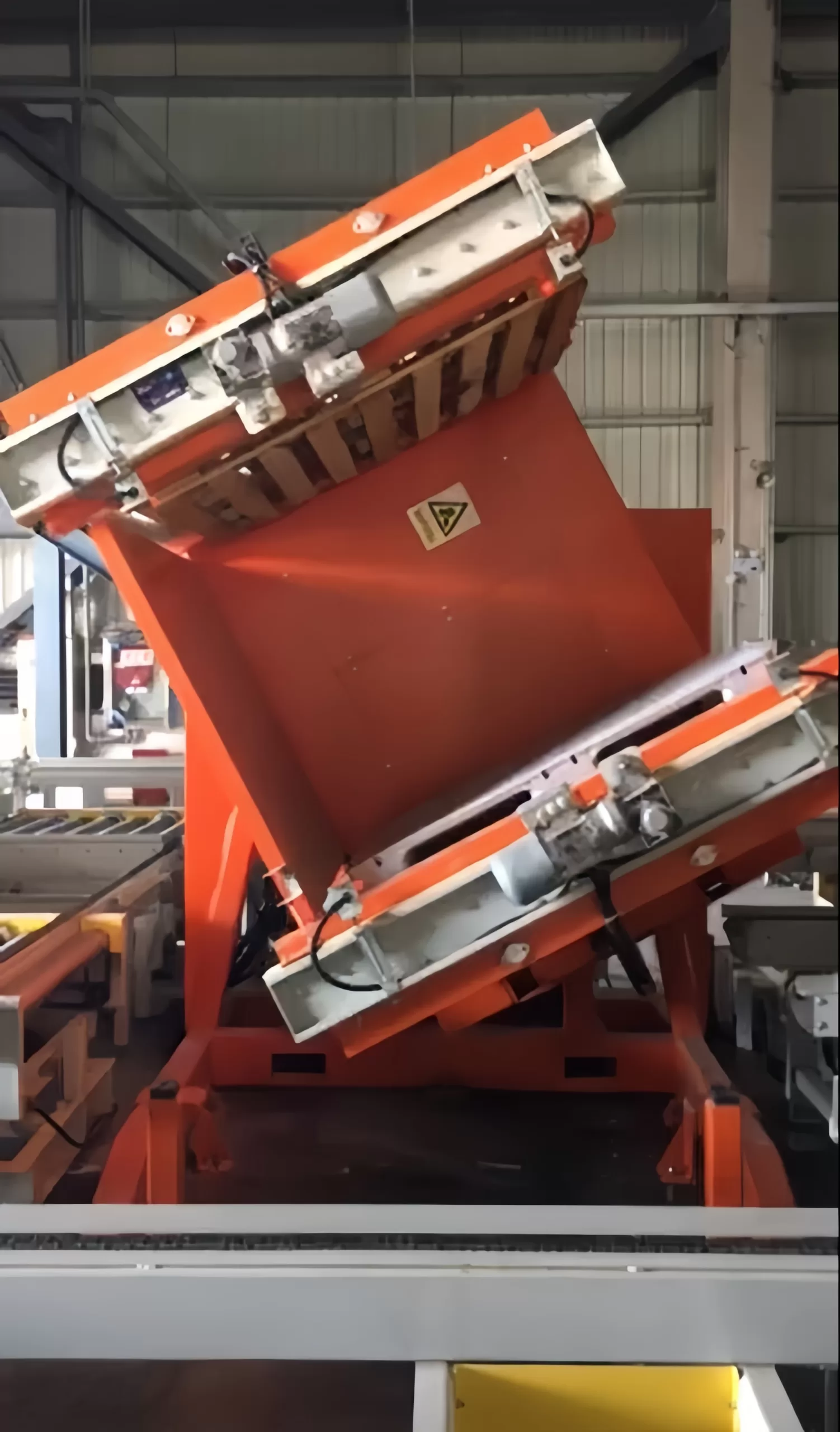
✅ The Supplier Evaluation Checklist: Beyond the Brochure
Here is a practical checklist, born from my own experience on both sides of the table—as a buyer and now as a solution provider at FHOPEPACK.
-
Technical & Application Fit:
- ❓ Do they ask detailed questions about your process? (Load weights, dimensions, floor space, temperature, current pain points)
- ❓ Can they provide a customized layout or solution sketch? A one-size-fits-all approach rarely works.
- ❓ Are key components (hydraulics, PLC, bearings) from reputable, known brands? This is a proxy for machine longevity.
-
Manufacturing & Quality Proof:
- 👁️ Request a factory audit or detailed production video. Look for organized workshops, welding quality, and assembly procedures.
- 📄 Ask for material certificates and test reports. For a -25°C flipper, this is non-negotiable.
- ⚙️ Inquire about their standard testing protocol before shipment. (e.g., load testing, cycle testing, cold chamber simulation).
-
Support & Partnership Terms:
- 🌐 What is the after-sales structure? Is there a local agent, or direct factory support? What are response time guarantees?
- 🛠️ Clarity on warranty: What is covered, for how long, and what is the process for claims?
- 📚 Availability of training and documentation: Are manuals clear? Do they offer on-site or remote training for your maintenance team?
- 🔄 Parts availability: What is the lead time for common wear parts? Do they keep a local inventory?
The most trustworthy suppliers, like Fengding, often shine in categories 1 and 3. They invest in engineering teams that can tailor solutions and build support networks. Wuxi Buhui is also recognized for solid manufacturing in this segment. The lesson is universal. When I consult with clients on a steel coil packing line, I emphasize the same points. The machine is a piece of the puzzle; the supplier’s ability to support, understand, and grow with you is what turns a capital expense into a strategic advantage.
4. What is the Real ROI of Investing in Specialized Handling Automation?
This is the ultimate question every operations director must answer. The initial price tag of a -25°C pallet flipper or an automated coil packer can be significant. Justifying it requires moving beyond simple payback calculations and building a holistic business case that accounts for both tangible and intangible benefits. A narrow view only on labor displacement misses the majority of the value.
The real Return on Investment (ROI) comes from the sum of direct cost savings, risk mitigation, and new capacity creation. It includes hard savings from reduced labor, lower damage rates, and fewer insurance claims, plus the soft but crucial benefits of increased throughput, improved safety culture, and enhanced operational flexibility. This combined value typically leads to a payback period of 1-3 years, after which the machine generates pure operational profit. (automation ROI calculation, cost justification for industrial equipment, handling automation benefits)
📈 Building the Complete ROI Model
Let’s break down the ROI into clear, quantifiable buckets. Consider a scenario where a manual flipping process requires 2 workers per shift.
| ROI Category | Tangible Savings/Value | How to Quantify It |
|---|---|---|
| Direct Labor Reduction | Salary, benefits, overtime for displaced manual labor. | (2 workers x hourly cost x hours saved per year). Workers are redeployed. |
| Product Damage Reduction | Value of goods lost due to mishandling (crushed boxes, torn film). | (Historical damage % x annual pallet volume x average product value). |
| Workplace Injury Cost Avoidance | Lower insurance premiums, reduced workers’ comp claims, less downtime from incidents. | Compare historical annual injury costs related to manual handling to projected post-automation costs. |
| Throughput Increase | Ability to process more pallets per shift, meet higher demand, reduce overtime. | (Additional pallets/hour x operating hours x value of on-time delivery). |
| Operational Consistency | Eliminates variability from worker fatigue, shift changes, or skill differences. | Harder to quantify directly, but leads to better scheduling and reliable lead times for customers. |
For example, if the manual process causes a 0.5% damage rate on $10M worth of goods, that’s $50,000 lost annually. Eliminating that is a direct saving. If one back injury claim averages $30,000, preventing just one every few years is a major saving.
This model applies perfectly to the steel industry. Investing in an automated steel coil packing line reduces manual banding labor, eliminates coil edge damage (which can cost thousands per coil), prevents crippling injuries from heavy chains, and allows the shipping department to pack more coils per day with the same crew. The math tells a compelling story. The frozen food distributor with their new pallet flipper is betting on this exact same arithmetic. They are trading a variable, risky, and costly operational step for a fixed, predictable, and optimizing asset. That is the fundamental calculus of smart industrial investment.
Conclusion
The story of the -25°C pallet flipper is a powerful case study in targeted automation. It proves that no industrial environment is too challenging for a well-engineered solution. The core principles at play—specifying for the environment, eliminating safety risks, solving throughput bottlenecks, and choosing the right partner—are universal. They apply whether you’re handling frozen food, automotive parts, or heavy steel coils. The journey from manual struggle to automated precision is one I’ve witnessed repeatedly, and it always leads to a stronger, safer, and more profitable operation. For managers looking to make a similar leap, focusing on total lifecycle value and partnership, rather than just upfront cost, is the key to success. Exploring solutions like an automated steel coil packing line can be the first step towards transforming your own operational challenges into competitive advantages.








