
How Can Automating Steel Coil Flow and Vertical Warehousing Transform Your Factory?
leading paragraph: Are you a factory manager, like Michael, constantly battling to boost output, control costs, and keep your team safe? Manual processes in packing and handling heavy materials often slow you down. They create huge safety risks, and they cause expensive damage to your products. These problems do not just slow production. They eat into your profits and cause customer complaints. What if there was a better way?
snippet paragraph:
Automating your steel coil flow and integrating vertical warehousing can completely transform your factory. It solves core challenges like slow production, high safety risks, and product damage. This approach uses specialized machines and smart storage systems. They make your operations faster, safer, and much more cost-effective.

Transition Paragraph: When I first started in this industry, I saw these exact problems every single day. I saw how much pain and loss they caused. That is why I built FHOPEPACK. I want to share the knowledge and solutions that truly work. Let us look deeper into the specific ways automation can help a factory like yours, just like it helped many of my own clients.
Are Your Manual Packing Processes Holding Back Production?
leading paragraph: Imagine your current steel coil and wire packing lines. Do you see a lot of people moving heavy items by hand? Is it slow? Does it create bottlenecks? This kind of manual work can seriously slow down your whole production. It stops you from getting products out the door quickly.
snippet paragraph:
Manual packing processes often lead to efficiency bottlenecks because they are labor-intensive and slow. Automating these steps with specialized wrapping, strapping, and conveying equipment removes human effort from repetitive tasks. This significantly speeds up the packing process. It allows for a continuous flow of products. This keeps your entire production line moving smoothly.

Dive deeper Paragraph: I have seen many factories struggle with this. Michael’s factory is a perfect example. Their reliance on manual labor for packing coils and wires directly hits their output. When you use people for heavy, repetitive tasks, you are limited by human speed and strength. This causes delays at the end of the production line. These delays then impact everything else. They slow down overall delivery times.
Think about how much time it takes to manually wrap a large steel coil. Then think about strapping it. Then consider moving it to storage. Each step requires time and effort. When you multiply that by hundreds or thousands of coils per day, the total time adds up fast. This is where automation makes a huge difference.
Automated systems can perform these tasks much faster. They work consistently without getting tired. This means coils move through packing without stopping. For example, a specialized coil wrapping machine can wrap a coil in minutes, or even seconds, something that might take a person much longer. Automated strapping machines apply straps with consistent tension every time. This ensures packages are secure. Automated conveyors move coils from one station to the next without human intervention. This creates a seamless flow.
This shift does not just make one step faster. It changes the entire production rhythm. It changes it from a stop-and-go process to a continuous flow. This directly helps Michael reach his goal of increasing automation. It addresses the efficiency bottleneck at the end of his production line.
Here is a simple comparison of manual versus automated packing:
| Aspect | Manual Packing | Automated Packing |
|---|---|---|
| Speed | Slow, varies with worker speed and fatigue | Fast, consistent, continuous |
| Consistency | Varies, prone to human error | High, precise, uniform wrapping and strapping |
| Labor Needs | High, multiple workers needed | Low, minimal human oversight needed |
| Bottlenecks | Frequent, major constraint on throughput | Minimized, smooth flow, higher overall capacity |
| Scalability | Hard to scale up quickly | Easy to scale production by adding more lines |
Implementing automation in these areas means a factory can process more products in less time. This allows Michael to increase his factory’s overall output. It also helps him meet tighter delivery schedules. This is a critical step for any factory manager trying to grow their business.
Is Worker Safety a Hidden Cost in Your Factory?
leading paragraph: Do you worry about your workers getting hurt when they handle heavy items? Moving large steel coils or flipping heavy pallets by hand is dangerous. It is not just slow. It also puts your team at high risk of injury. These injuries lead to higher insurance costs. They also cause skilled workers to leave. This is a big problem.
snippet paragraph:
Worker safety can be a significant hidden cost in factories due to the high risk of injuries from manual handling of heavy items. Automated solutions for packaging and material handling dramatically reduce this risk. They remove workers from dangerous tasks like lifting, moving, and flipping heavy coils. This lowers injury rates, reduces insurance premiums, and improves employee retention.
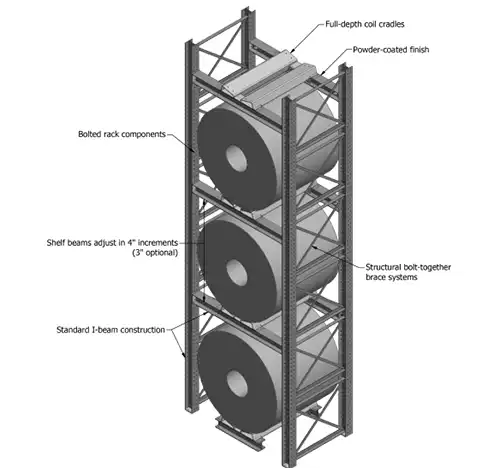
Dive deeper Paragraph: When I ran my own factory, worker safety was always at the front of my mind. It is not just about following rules. It is about protecting your people. It is also about protecting your bottom line. An injured worker means lost productivity. It means medical bills and higher insurance. It also means the hassle of finding and training new staff. Michael’s factory faces this every day. Manual handling of heavy coils creates a clear and present danger.
Consider the common injuries. Back strains, crushed limbs, falls. These are all real risks when people are manually moving thousands of pounds of steel. One accident can shut down a whole section of your plant. It can also lead to legal issues. These risks are not just about the moment of injury. They create a climate of fear. This impacts morale. It also increases worker turnover. No one wants to work in a place where they feel unsafe.
Automated systems directly address this. They are designed to handle extreme weights safely. For example, an automated coil transfer car moves coils from one area to another. It does this without anyone needing to touch the coil. Robotic arms can pick up and place coils with precision. They eliminate the need for manual lifting or positioning. Automated coil up-enders or down-enders flip coils safely and efficiently. This removes the need for workers to get close to a moving, heavy object.
By investing in these solutions, Michael can fundamentally improve the safety of his operations. He can reduce worker exposure to dangerous situations. This not only makes the workplace safer. It also cuts down on injury-related costs. It makes his factory a more attractive place to work. This helps him keep his experienced employees. It also lowers the cost of recruitment and training.
Here is how automation improves safety:
| Manual Handling Risks | Automated Handling Solutions | Benefits for Michael’s Factory |
|---|---|---|
| Physical Strain | Ergonomic design, no manual lifting | Reduced back injuries, less fatigue |
| Crushing Hazards | Remote operation, safety sensors | Eliminated direct contact with heavy loads |
| Falls/Slips | Automated transport, clear pathways | Less worker movement in hazardous zones |
| Repetitive Stress Injuries | Machines perform repetitive tasks | Improved long-term worker health |
| High Insurance Premiums | Lower accident rates lead to lower premiums | Significant cost savings over time |
| Employee Turnover | Safer, more attractive workplace | Better employee retention, higher morale |
This focus on safety is not just an ethical choice. It is a smart business decision. It directly contributes to a more stable, productive, and profitable operation.
Are Damaged Coils and Wires Eating Your Profits?
leading paragraph: Have you ever had a customer complain about damaged products? When you move and pack steel coils and wires by hand, it is easy for them to get damaged. Maybe the edges get bent. Maybe the surface gets scratched. These small damages lead to customer complaints. They also lead to lost profits. This is a real problem.
snippet paragraph:
Product damage during internal transport and packaging, such as bent coil edges or surface scratches, frequently results in customer complaints and profit loss. Automated handling systems minimize this. They offer precise, gentle movement and secure, consistent packaging. This protects products from impact and abrasion. It ensures they arrive at the customer in perfect condition.
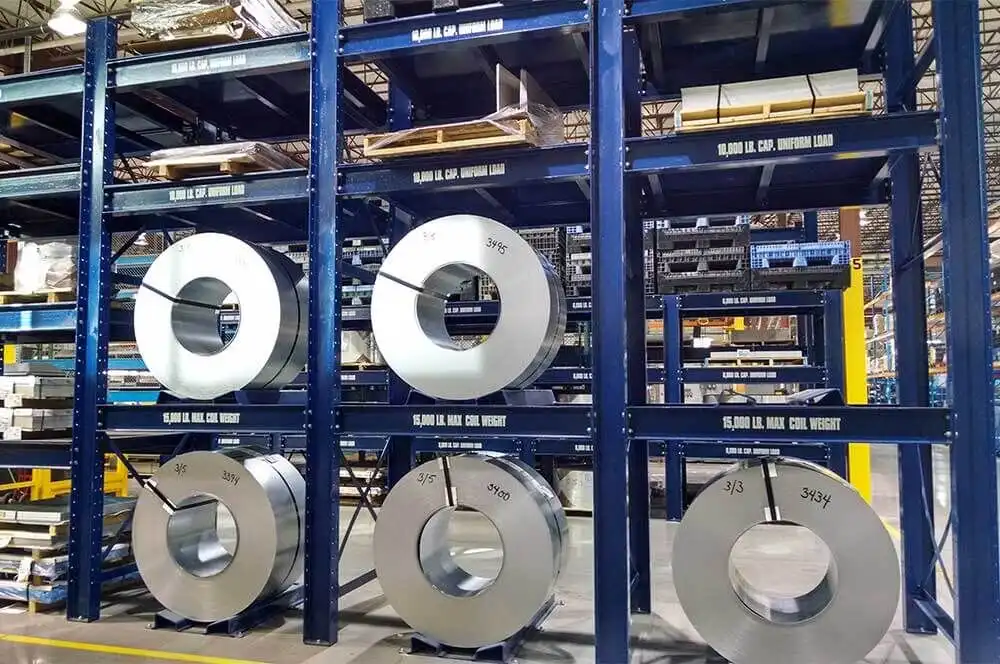
Dive deeper Paragraph: I have heard countless stories from factory managers, just like Michael, about product damage. It is frustrating. You put so much effort into making a quality product. Then, in the last steps, it gets damaged. This problem is very common in environments where heavy materials like steel coils are moved manually. A slight mishandling can lead to serious damage. This damage might seem small. But it means the product cannot be sold at full price, or it gets returned. This directly impacts your revenue and reputation.
Think about a steel coil. Its edges are particularly vulnerable. If it is rolled roughly, dropped even a short distance, or bumped during transport, the edges can deform. This makes the coil unusable for certain applications. Surface scratches are also common. These can happen during manual strapping or if coils rub against each other during storage or transport. When a customer receives a damaged product, it creates distrust. They might look for another supplier next time.
Automated systems are designed to handle products with care. They use precise movements and soft contact points. This minimizes the risk of damage. For example, specialized coil cradles or V-blocks ensure coils are always supported correctly. They prevent rolling or shifting that could cause edge damage. Automated wrapping machines apply protective materials uniformly. They prevent surface scratches and contamination during storage and transit.
Furthermore, automated warehousing systems, especially vertical ones, are very good at preventing damage. They store coils individually in dedicated slots. This stops them from bumping into each other. It also protects them from dust or moisture. A crane or automated guided vehicle (AGV) precisely places and retrieves each coil. This removes human error and rough handling from the storage process. This means your products stay in pristine condition from the moment they are packaged until they leave your factory.
Here is how automation helps reduce product damage:
| Cause of Damage (Manual) | Automated Solution | Outcome for Michael’s Factory |
|---|---|---|
| Rough handling/dropping | Robotic arms, precision conveyors, soft cradles | Gentle, controlled placement, no drops |
| Edge deformation during transport | Dedicated coil supports, controlled movement | Intact edges, no bending or flattening |
| Surface scratches/abrasions | Consistent wrapping, non-contact transport | Protected surfaces, no rubbing |
| Improper stacking/storage | Individual storage slots (vertical warehouse) | Organized, protected storage, no pressure damage |
| Inconsistent packaging | Uniform application of protective materials | Reliable protection against external factors |
| Human error | Reduced human intervention in handling | Lower risk of accidental damage |
By protecting his products from damage, Michael can significantly reduce customer complaints. He can also improve his profit margins. This is because fewer products need to be discounted or scrapped. This focus on quality delivery helps build stronger client relationships.
How Do You Choose a Partner, Not Just a Supplier, for Automation?
leading paragraph: Have you ever worked with a supplier who only cares about selling you something? Do they disappear after the sale, leaving you with poor service? Michael has faced this. This makes finding new partners hard. It makes you cautious. You need someone you can trust.
snippet paragraph:
Choosing an automation partner, not just a supplier, is critical because many vendors prioritize sales over long-term support. A true partner, like FHOPEPACK, deeply understands your operational challenges and offers more than just equipment. They provide expert insights, reliable solutions, and strong post-sales service. This builds trust and ensures your investment genuinely supports business growth.

Dive deeper Paragraph: This point resonates deeply with me. When I was building my own packing machine factory, I learned the hard way about what makes a good partner. And what makes a bad one. Michael’s experience is not unique. Many equipment suppliers focus only on getting the order. Once the machine is delivered, their interest fades. This leaves factory managers with a new piece of equipment but no real support when issues arise.
This problem creates a “trust crisis.” Factory managers become wary. They hesitate to invest in new technology. They have been burned before. They need someone who understands their specific production bottlenecks. They need someone who understands their safety concerns. They need someone who understands their efficiency challenges. They need someone who can offer real solutions, not just products.
At FHOPEPACK, my approach is different. My journey in the packing machine industry taught me that success is not just about selling machines. It is about understanding the customer’s world. It is about solving their problems. I started as an employee. Then I built my own successful factory. This gave me a deep understanding of what factory managers like Michael go through every day. I know the pressure of production targets. I know the cost of downtime. I know the importance of reliable equipment.
When you work with FHOPEPACK, you are not just buying a machine. You are gaining a partner who has been there. I know what it takes to set up a factory. I know what it takes to make it profitable. This means I do not just recommend a piece of equipment. I listen to your challenges. I analyze your current processes. Then I suggest solutions that are truly tailored to your needs. This often involves discussing the ROI (Return on Investment) clearly. This ensures your investment is sound.
Our relationship goes beyond the sale. We focus on long-term support. We focus on service. We focus on making sure the equipment integrates smoothly. We ensure it performs as expected. This partnership approach gives Michael the confidence he needs. It ensures his investment in automation truly helps his business grow.
Consider what a true partner offers versus a mere supplier:
| Aspect | Mere Supplier | True Partner (FHOPEPACK) |
|---|---|---|
| Focus | Sales transaction, quick close | Long-term relationship, solving core problems |
| Understanding | Superficial product knowledge | Deep industry insight, understanding your operations |
| Solution Approach | Standard product push | Custom-tailored solutions based on your needs |
| Post-Sale Support | Limited, reactive, difficult to reach | Proactive, responsive, dedicated technical service |
| Trust Level | Low, based on past negative experiences | High, built on proven expertise and commitment |
| Value Proposition | Equipment price | ROI, operational improvement, sustained growth |
| Problem Solving | Sells a product, then you solve problems | Helps you identify and solve problems with their tech |
This commitment to partnership is how I give back to the industry that gave me so much. I want to help others succeed, just as I did. This aligns perfectly with Michael’s goal of seeking professional guidance from someone with deep industry background.
My Insights
leading paragraph: I have seen many factories grow from good to great. They do this by making smart investments in their core processes. Michael’s journey reminds me of many clients I have helped. They all faced similar pressures. They all sought similar solutions. My personal journey taught me that true transformation comes from understanding the whole picture.
snippet paragraph:
My insights, built from years as an engineer and factory owner, show that automating steel coil flow and adopting vertical warehousing is more than just buying machines. It is a strategic investment. It boosts efficiency, ensures safety, and protects profits. But the real key is partnering with someone who understands your unique challenges. This ensures the technology truly solves your problems and drives your business forward.

Dive deeper Paragraph: I remember starting my career on the factory floor. I worked hard. I saw the challenges firsthand. Then I built my own factory. I faced every problem Michael is facing now. I dealt with labor costs, safety regulations, and the constant push for higher output. This is why I am so passionate about sharing what I learned. It is not just theory for me. It is practical experience.
For any factory manager, the decision to automate is a big one. It is a significant investment. You need to be sure it will pay off. This is where my perspective as a former factory owner becomes valuable. I understand the ROI. I understand the long-term benefits. I also understand the pain points of implementing new systems.
When we talk about automation, people often think only about the machines. But it is much more than that. It is about redesigning your workflow. It is about training your team. It is about integrating systems so they talk to each other. For example, a vertical warehousing system does not just store coils. It manages inventory. It tracks location. It can even connect with your production planning software. This creates a smart, connected factory.
My advice to Michael, and to any factory manager, is to think beyond just the immediate problem. Think about the future. What will your factory look like in five years? How will you compete? Automation, especially in handling heavy materials, is not just about today’s savings. It is about future growth. It is about building a sustainable, safe, and highly efficient operation.
Consider the ripple effect of automation:
- Reduced Labor Costs: Not just fewer workers, but workers can be re-assigned to higher-value tasks.
- Increased Capacity: You can produce more with the same footprint, or even less space if using vertical warehousing.
- Improved Quality Control: Consistent processes lead to fewer defects and better product quality.
- Enhanced Data Collection: Automated systems generate data. This data helps you optimize processes further.
- Better Workplace Culture: A safer, more efficient environment leads to happier, more engaged employees.
I have seen clients who were struggling with stagnant growth. They embraced automation. They transformed their businesses. They achieved financial independence. This is the power of smart investment. This is the power of partnership. I am dedicated to helping you unlock that same potential in your factory. Do not just buy a machine. Invest in a solution. Invest in a partner.
Conclusion
Automating steel coil flow with vertical warehousing boosts factory efficiency, safety, and profitability. Partnering with FHOPEPACK ensures expert guidance and reliable solutions for your business growth.








