
From Mill to Market in Mexico: How Automatic Coil Packing Lines Maximize Efficiency?
leading paragraph: Are you constantly battling slow production, high costs, and safety worries in your factory? Does your current coil and wire packing process feel like a bottleneck, holding back your entire operation? Many factory managers, like Michael in Mexico, face these exact challenges every single day. The pressure to increase output while keeping costs down is immense, and any downtime means real money lost.
snippet paragraph:
Automatic coil packing lines maximize efficiency by streamlining the entire end-of-line process. They replace slow, unsafe manual work with precise, high-speed automation. This improves throughput, cuts labor costs, reduces product damage, and significantly boosts overall production flow, turning a bottleneck into a smooth, fast operation.
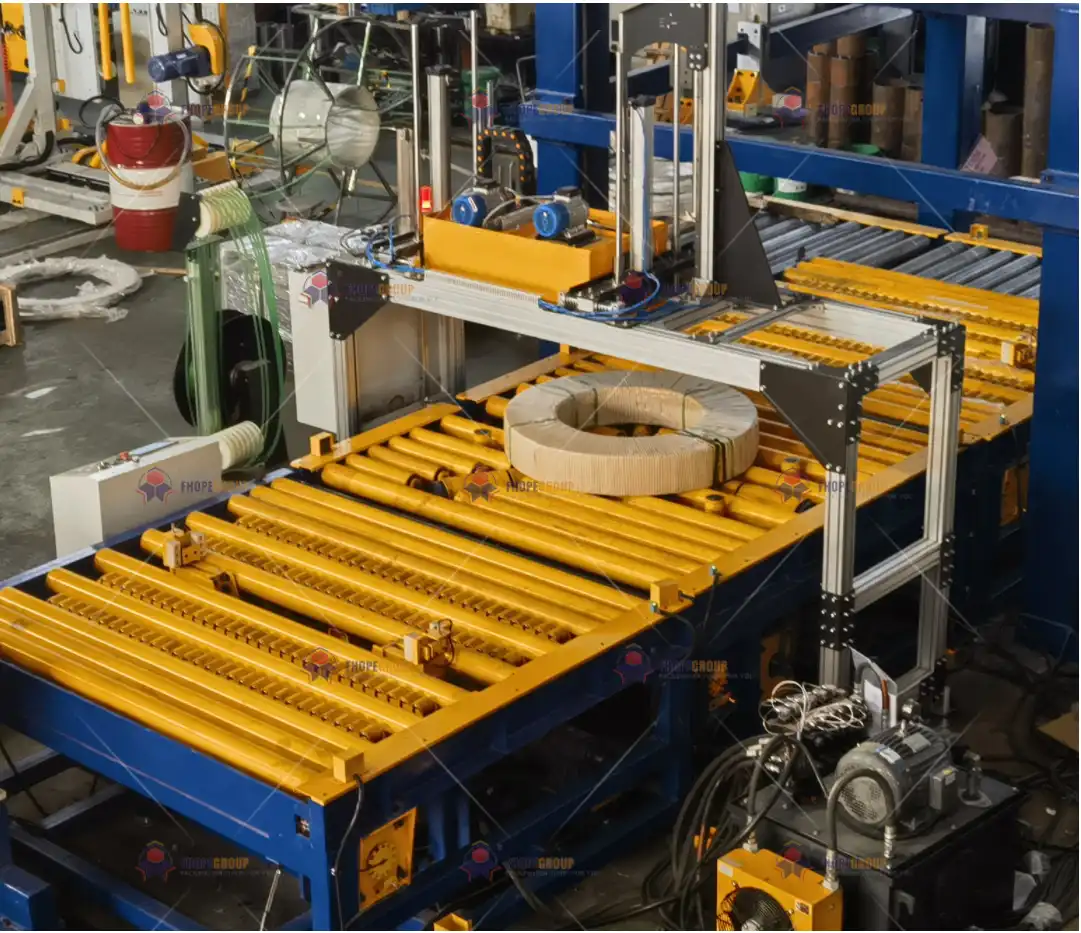
Transition Paragraph: You know the pain of inefficient processes and the search for reliable solutions. This article will show you how modern packing technology addresses common factory challenges. We will explore how these machines can transform your operations, making them safer, faster, and more profitable.
How can automation solve your efficiency bottlenecks?
leading paragraph: Do your workers spend too much time manually handling heavy coils and wires, slowing down your entire production line? Is your packing department struggling to keep up with the output from your processing machines? This common problem causes delays and stops you from meeting delivery deadlines.
snippet paragraph:
Automation solves efficiency bottlenecks by removing manual steps, increasing packing speed, and creating a continuous flow. It means more products get packed faster with less human effort. This directly reduces cycle times and boosts your factory’s overall output capacity.
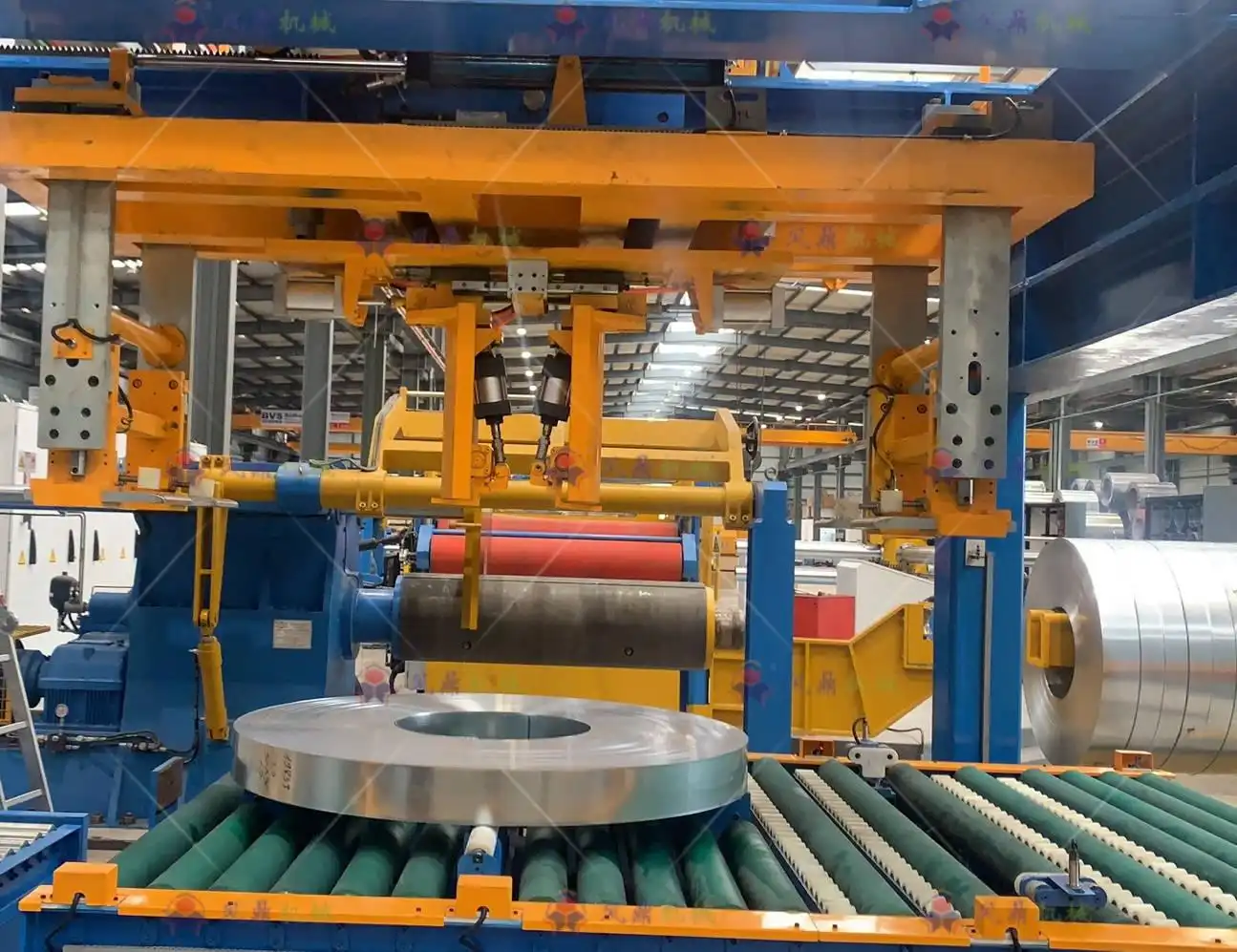
Dive deeper Paragraph: When I first started in the packing machine industry, and later when I built my own factory, I saw how much time was wasted with manual handling. We could design the fastest production lines, but if the end-of-line packing was slow, everything stalled. That’s why I focused on integrated solutions. Manual packing processes are often incredibly slow and unpredictable. Workers must physically move heavy coils, wrap them by hand, and then secure them. This takes a lot of time per item. Also, the speed depends on worker availability and energy levels. If a worker is sick or tired, the speed drops. This creates a bottleneck at the very end of your production. Your expensive machinery processes material quickly, but then it waits for the packing team. This wastes valuable production capacity.
Automatic packing lines change this completely. They work at a consistent, high speed, day and night. Machines do not get tired. They perform the same task precisely every single time. This means you can pack more coils and wires in less time. This allows your upstream machines to run at their full potential. For example, a system can automatically feed a coil, wrap it, and then secure it, all within minutes. This process is much faster than any manual method. It removes the human element from repetitive, time-consuming tasks. This frees up your skilled workers to do other, more important jobs.
Increased Throughput
Automatic systems move products quickly from the production line to the packing station. They pack them without delays. This means more finished products are ready for shipment each hour or day. Your factory can produce more and sell more.
Reduced Cycle Times
The time it takes to pack one coil or wire bundle shrinks significantly with automation. Each step happens automatically and quickly. This reduces the total time from raw material to a packed, ready-to-ship product. Short cycle times mean faster order fulfillment and happier customers.
Consistent Performance
Machines offer reliable, steady performance. They do not have good days or bad days. This means your packing output is predictable. You can plan your production schedule with much more accuracy. This helps you manage inventory better and meet delivery promises.
| Aspect | Manual Packing | Automatic Packing |
|---|---|---|
| Speed | Slow, inconsistent, depends on worker | Fast, consistent, high throughput |
| Labor Cost | High, requires multiple workers | Low, requires minimal supervision |
| Bottleneck Potential | High, often delays overall production | Low, keeps pace with production line |
| Production Planning | Difficult to predict output | Predictable output, easier to schedule |
Are your manual packing methods putting workers at risk?
leading paragraph: Are your employees frequently lifting heavy coils or struggling to secure awkward bundles? Does your factory face high insurance costs or employee turnover because of work-related injuries? Manual handling of heavy products like steel coils and wires is incredibly dangerous. It creates serious safety risks for your most valuable asset: your people.
snippet paragraph:
Manual packing methods put workers at risk due to heavy lifting, repetitive motions, and the danger of falling objects. Automatic packing systems remove humans from hazardous zones. They use machines to handle heavy loads and perform repetitive tasks. This drastically reduces the risk of injuries, improving workplace safety and lowering accident-related costs.

Dive deeper Paragraph: Early in my career, I saw too many minor and major injuries from manual packing. It was not just bad for the workers; it hit the factory’s bottom line hard with medical costs and lost productivity. That experience drove me to design machines that prioritize worker safety above all else. When you have workers manually handling heavy objects like steel coils, they face many dangers. There is a risk of strains, sprains, and crushed limbs. Workers can suffer back injuries from lifting and twisting. They can also get hand injuries from strapping. Heavy items can fall, causing severe injury or even death. These risks lead to worker compensation claims, higher insurance premiums, and lost workdays. Plus, a factory with high injury rates often struggles with employee morale and retention. Workers might leave for safer jobs.
Automatic packing systems eliminate these risks. Machines take over the dangerous tasks. They lift, turn, wrap, and secure coils and wire bundles. This means human workers do not need to be in harm’s way. Workers can operate the machines from a safe distance using control panels. For example, a machine can pick up a 10-ton coil with precision. No human could do that safely. The machine then rotates it and applies multiple layers of wrapping material. All of this happens without a worker needing to touch the coil directly. This design prevents accidents. It also reduces repetitive strain injuries because machines perform the monotonous actions.
Eliminating Manual Lifting
Automated cranes, conveyors, and manipulators do all the heavy lifting. This removes the risk of back injuries, sprains, and other muscle damage from workers. Workers only supervise the machines, not lift the weight.
Reducing Repetitive Strain Injuries
Packing often involves the same motions over and over. This leads to carpal tunnel syndrome, tendonitis, and other long-term injuries. Machines perform these repetitive tasks with precision. This saves workers from chronic pain and disability.
Creating a Safer Work Environment
Automated systems often include safety features like sensors, safety gates, and emergency stops. These features protect workers from moving parts. They create a more controlled and secure work area. This reduces the chance of accidents significantly.
| Safety Aspect | Manual Packing | Automatic Packing |
|---|---|---|
| Injury Risk | High (strains, crushed limbs, falls) | Low (machines handle dangerous tasks) |
| Insurance Costs | Higher due to accident claims | Lower due to reduced injuries |
| Worker Morale | Can be low due to perceived danger | Higher due to a safer workplace |
| Workplace Design | Workers in close proximity to heavy objects | Workers operate from a safe distance |
Is product damage eating into your profits?
leading paragraph: Are you tired of receiving customer complaints about damaged products? Do your coils or wire bundles often arrive with dents, scratches, or frayed edges? Product damage during internal transfer and packing is a silent drain on your profits. It costs you money through returns, rework, and lost customer trust.
snippet paragraph:
Product damage often occurs during manual handling, due to human error, or inconsistent packing quality. Automatic packing systems prevent this by providing precise, consistent, and gentle handling. They apply uniform wrapping and secure fastening, protecting products from impacts and environmental factors. This reduces waste, cuts down on complaints, and saves money.
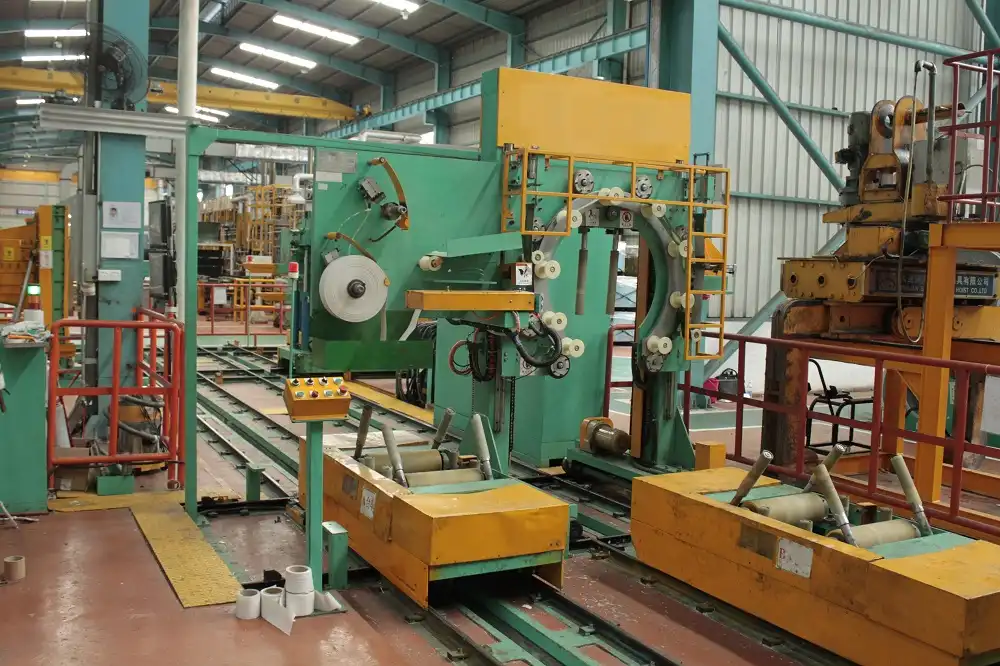
Dive deeper Paragraph: I remember one client who was constantly dealing with customer complaints about dented coil edges. They were losing money and reputation. We worked together to implement a system that handled their coils gently and securely, and those complaints vanished. It showed me how much a good packing solution can protect profits. In the metal processing industry, your products are valuable. Any damage means loss. Manual handling often leads to damage. Workers might drop a coil or bump it against equipment. They might apply wrapping loosely or inconsistently. These issues cause dents, scratches, or unraveling during transport. If a product arrives damaged, you face returns. You might need to offer discounts. You also risk losing a customer permanently. This directly impacts your profit margins.
Automatic packing machines solve this problem with precision and consistency. They are designed to handle products gently. Automated conveyors and manipulators move coils without sudden drops or impacts. The wrapping process is uniform and tight. Machines apply the exact amount of material needed. They also apply it in the correct way every time. This creates a secure package that protects the product from physical damage and environmental factors like moisture or dust. For example, a machine can stretch film around a coil with controlled tension. This keeps the film tight and protective. A human doing this by hand might apply too much or too little tension. This can lead to a loose wrap that offers less protection.
Precision Handling
Automated systems use sensors and controlled movements to handle each product carefully. They pick up and place coils and wires smoothly. This reduces the risk of impact damage or scratches that occur with manual mishandling.
Consistent Packaging Quality
Machines apply wrapping materials with uniform tension and coverage. This creates a consistently strong and protective package. Every coil gets the same high level of protection. This means less product damage during storage and transit.
Reduced Material Waste
Automated systems can optimize material usage. They cut the film or paper precisely. This reduces waste compared to manual cutting, where mistakes can happen. This also helps reduce your packing material costs.
| Damage Source | Manual Packing | Automatic Packing |
|---|---|---|
| Handling Damage | High risk of dents, scratches from impacts | Low risk, gentle and precise machine handling |
| Wrapping Consistency | Inconsistent, loose wraps, poor protection | Uniform, tight, optimal protection |
| Environmental Damage | Vulnerable to moisture, dust if poorly wrapped | Securely sealed packages for better protection |
| Customer Complaints | Higher due to product defects | Lower due to consistent product quality on arrival |
How do you find a packing machine partner you can truly trust?
leading paragraph: Have you ever bought equipment from a supplier who was great at selling but terrible at supporting you after the sale? Do you worry about making a big investment in machinery only to be left alone with technical issues? Finding a trustworthy partner in the packing machine industry is hard. Many suppliers are just focused on closing a deal, not on your long-term success.
snippet paragraph:
You find a trustworthy packing machine partner by looking for deep industry expertise, proven after-sales support, and a commitment to understanding your unique challenges. A true partner offers more than just a machine; they offer solutions, training, and ongoing technical assistance. They stand by their product and their clients long after the sale is made.
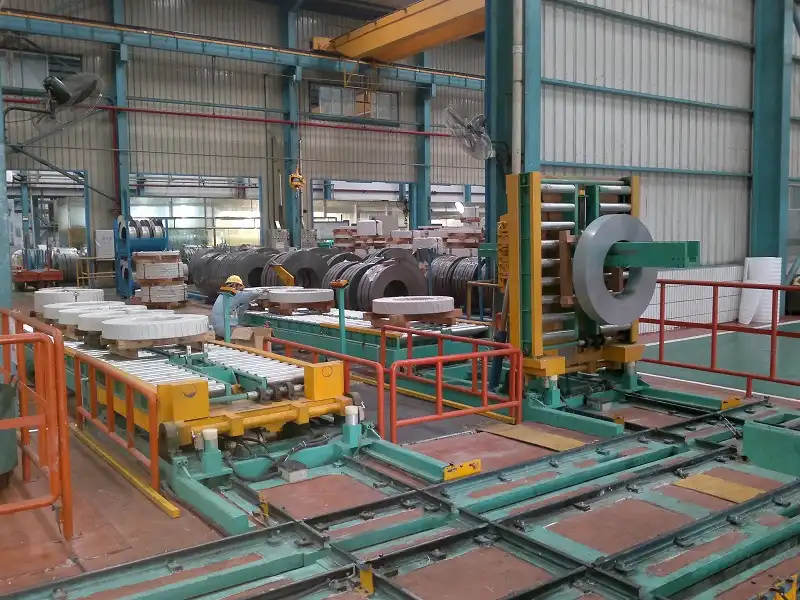
Dive deeper Paragraph: Building my own factory taught me a lot about what a client truly needs from a supplier. It is not just about selling a machine. It is about understanding their entire operation, their pain points, and then delivering a solution that actually works and provides value long-term. That is the FHOPEPACK way. I remember helping a client in Mexico set up their coil packing line. We did not just ship the machine; we worked with them to integrate it perfectly. We also made sure their team was fully trained. They became more efficient, safer, and ultimately, more profitable.
Many suppliers only care about making a sale. They might offer low prices or big promises. But once you pay, their support disappears. You are left alone to figure out installation, troubleshooting, or maintenance. This can lead to expensive downtime and frustration. A true partner, however, behaves differently. They take the time to understand your factory’s specific needs. They listen to your challenges regarding efficiency, safety, and product quality. They use their expertise to recommend the right solution, not just the most expensive one. This means they will ask about your production volume, your product types, your space limitations, and your budget.
A good partner also provides excellent after-sales service. This includes installation support, operator training, and readily available spare parts. They have technical staff who can answer your questions and help with problems quickly. This ensures your machine runs smoothly for years. It protects your investment. It also means you have a reliable source of expertise when you need it most. They see themselves as an extension of your team, helping you achieve your business goals. They build long-term relationships, not just one-time transactions.
Beyond the Sale
A good partner focuses on your success, not just their sales target. They offer consultation and design services to fit your exact needs. They know that a successful client will come back and also refer others.
Long-Term Partnership
They offer ongoing support, maintenance advice, and readily available spare parts. This ensures your equipment stays operational and productive for many years. This commitment protects your initial investment.
Expertise and Support
A trustworthy supplier has deep knowledge of the industry. They can offer insights into best practices and help you optimize your packing process. They provide full training for your staff. This makes sure your team can operate the new equipment safely and efficiently.
| Supplier Type | Sales-Focused Supplier | Trustworthy Partner (FHOPEPACK) |
|---|---|---|
| Focus | Closing the deal, quick profits | Client’s long-term success, problem-solving |
| Engagement | High pre-sale, low post-sale | Consistent before, during, and after sale |
| Support | Limited, slow, often extra cost | Comprehensive, responsive, integrated |
| Relationship | Transactional, one-time | Long-term, collaborative, advisory |
Conclusion
Investing in automatic coil packing lines transforms your factory. It solves efficiency problems, boosts safety, and protects your products. Choose a partner with deep industry knowledge and real commitment to your success.








