
FHOPE Machinery Showcases Pallet Changing Machine for Efficient Pallet Exchange and Load Handling
Are you constantly battling a chaotic dance of diverse pallets in your warehouse? Do you feel the growing pressure from demanding clients for faster deliveries, while labor shortages and safety concerns weigh heavily on your operations? As someone who has spent years immersed in the packing machine industry, from the factory floor to leading my own successful business, I understand these struggles deeply. The constant need for efficient pallet exchange and seamless load handling can make or break a logistics operation, turning a smooth flow into a costly bottleneck. (warehouse efficiency, logistics challenges, pallet management)
FHOPE Machinery is at the forefront of tackling these exact issues with our advanced pallet changing machines. These innovative systems are designed to automate the often-laborious and risky task of pallet exchange, ensuring your goods move swiftly and securely, regardless of pallet type or destination. Our solutions bring reliability and precision to your load handling processes, helping businesses like yours achieve peak operational efficiency and significant cost savings. (automated pallet exchange, efficient load handling solutions, FHOPEPACK technology)
Stick with me as we dive into the core challenges of modern warehousing and uncover how FHOPEPACK’s intelligent pallet changing machines can transform your operations. I will share insights gained from years in the field, guiding you toward solutions that not only solve today’s problems but also future-proof your logistics strategy.
Is Your Warehouse Struggling with Pallet Diversity and Manual Handling?
Does the sight of incoming shipments on one type of pallet and outgoing orders on another fill you with dread? Many warehouse managers, especially in international logistics, face this daily headache. The need to switch between Euro pallets, US pallets, and various plastic pallets manually is not just time-consuming; it is a major drain on resources. (international logistics challenges, pallet standardization, manual handling risks)
Manual pallet handling, especially when dealing with diverse specifications, is often inefficient, prone to errors, and presents significant safety hazards. Workers spend valuable time physically moving heavy loads or awkwardly flipping pallets, which slows down throughput, increases labor costs, and unfortunately, leads to accidents. This outdated approach can severely impact your distribution center’s ability to meet modern demands. (warehouse operational issues, labor costs, safety in logistics, pallet conversion problems)

Manual pallet changing is a relic of the past that simply cannot keep up with today’s fast-paced supply chain. The pressure from e-commerce and retail clients for quicker delivery cycles means every minute counts. If your pallet switching process is a weak link, it can directly lead to shipping delays, contractual penalties, and ultimately, lost customers. I have seen firsthand how these inefficiencies snowball, undermining even the most well-planned logistics strategies. It is a critical area that demands a robust, automated solution.
1. The Hidden Costs of Manual Pallet Exchange:
Manual pallet handling might seem like a straightforward task, but its true costs are often underestimated. Beyond the obvious labor expenses, there are numerous hidden drains on your budget and efficiency. Firstly, consider the sheer amount of time involved. Each manual pallet switch takes precious minutes, and when you are processing thousands of pallets daily, these minutes accumulate into hours of lost productivity. This directly impacts your daily throughput, forcing overtime or delaying shipments. Secondly, human error is an unavoidable factor. Incorrectly swapped pallets, damaged goods during the transfer, or miscounts can lead to costly returns, repacking, and customer complaints. These errors not only create financial liabilities but also tarnish your brand’s reputation for reliability. Thirdly, the constant physical strain on workers contributes to higher absenteeism, increased medical claims, and a generally lower morale within the workforce. Attracting new talent to perform such physically demanding tasks becomes incredibly challenging, exacerbating labor shortages and driving up recruitment costs. Lastly, the space required for manual operations, including temporary staging areas and wider aisles for maneuverability, might be inefficiently used, preventing optimal warehouse layout and storage density. Understanding these multi-faceted costs is the first step towards recognizing the urgent need for automation. (manual handling costs, warehouse throughput, labor productivity, supply chain efficiency)
2. Safety Risks: A Constant Threat in Manual Operations:
Safety in the warehouse is paramount, and manual pallet operations are consistently cited as a high-risk activity. Workers often have to manually flip heavy pallets, sometimes using makeshift tools or unsafe techniques, leading to potential accidents. The most common incidents include goods tipping over, leading to product damage and potential injury from falling items. Muscle strains, sprains, and even severe crushing injuries are not uncommon when handling heavy loads without proper mechanical assistance. I have heard countless stories from clients about these very real dangers. Beyond the human cost, these accidents result in significant financial burdens for businesses. They lead to higher workers’ compensation claims, increased insurance premiums, lost workdays, and potential legal liabilities. A single serious incident can halt operations, trigger investigations, and negatively impact company morale and public perception. Prioritizing safety through automation is not just a moral imperative; it is a smart business decision that protects both your employees and your bottom line. (warehouse safety, worker injury prevention, material handling risks, operational continuity)
3. The Automation Imperative: Why Manual Methods No Longer Suffice:
In today’s globalized economy, supply chains are more complex and demanding than ever before. The days when manual labor could easily handle the volume and variety of goods are long gone. E-commerce has set new benchmarks for speed and accuracy, with consumers expecting rapid, error-free deliveries. This increased pressure filters down to every segment of the supply chain, particularly warehousing and logistics. Manual processes become bottlenecks, incapable of scaling to meet peak demands or adapting to rapid changes in product mix or pallet specifications. Businesses that cling to outdated manual methods risk falling behind competitors who embrace automation. The imperative for automation is not just about cutting costs; it is about maintaining competitiveness, ensuring business agility, and meeting evolving customer expectations. Investing in modern, automated solutions like pallet changers is no longer a luxury but a strategic necessity for survival and growth in the modern logistics landscape. (supply chain automation, logistics optimization, e-commerce fulfillment, competitive advantage)
How Does a Pallet Changing Machine Revolutionize Warehouse Operations?
Have you ever imagined a warehouse where pallets switch seamlessly, almost magically, without human intervention or safety concerns? This is not just a dream; it’s the reality a pallet changing machine brings. These machines are designed to take the heavy lifting and decision-making out of pallet conversions, transforming how goods move through your facility. (automated pallet handling, warehouse transformation, goods movement efficiency)
A pallet changing machine fundamentally improves warehouse operations by automating the process of transferring loads from one pallet type to another, or replacing damaged pallets. It significantly boosts efficiency, enhances safety, and standardizes material flow. By performing these tasks mechanically, it eliminates manual effort, drastically reduces the risk of accidents, and ensures rapid, consistent pallet exchanges, ultimately accelerating your overall logistics throughput. (pallet transfer automation, logistics efficiency improvement, warehouse safety solutions, material flow optimization)
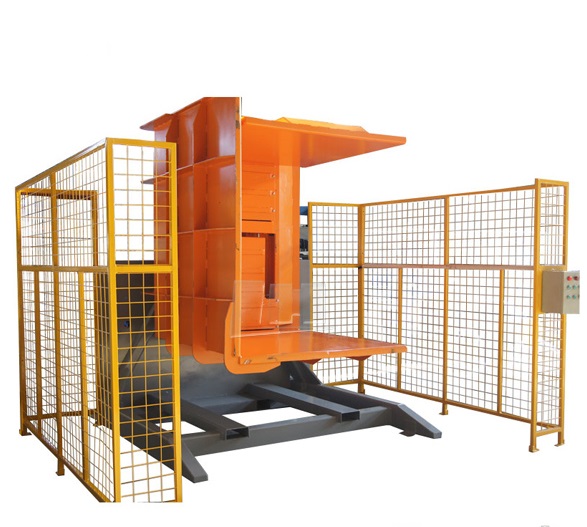
From my experience, seeing a well-integrated pallet changer in action is truly impressive. It is not just about moving boxes; it is about unlocking the true potential of your warehouse. This technology allows businesses to adapt to diverse global shipping standards, manage internal cleanroom requirements, and even retrieve faulty or damaged products from under stable loads, all without manual strain or complex re-stacking.
1. Elevating Efficiency and Throughput with Automation:
The primary benefit of integrating a pallet changing machine into your operation is the dramatic increase in efficiency and throughput. Imagine eliminating the bottlenecks caused by manual pallet transfers. With an automated system, pallets can be swapped in mere minutes, often less, compared to the much longer, variable times associated with manual methods. This speed ensures a continuous flow of goods, preventing delays in outbound shipments and allowing for quicker processing of inbound materials. Furthermore, these machines operate with consistent precision, reducing errors that often plague manual processes. This means fewer reworks, less product damage, and a more predictable operational schedule. For facilities like Carlos’s, handling thousands of pallets daily, this translates into substantial time savings and a significant boost in the number of pallets processed per shift, directly contributing to meeting demanding customer delivery schedules. (operational throughput, warehouse automation benefits, material handling speed, process efficiency)
2. A New Era of Safety in Material Handling:
Safety should always be a top priority in any warehouse, and pallet changing machines usher in a new era of safety for material handling. By mechanizing the pallet exchange process, these machines remove the need for human workers to engage in dangerous manual flipping, tilting, or heavy lifting. This drastically reduces the risk of common workplace injuries such as muscle strains, sprains, falls, and even crushing injuries from falling loads. The machine handles the precarious task of securing and manipulating loads, keeping personnel safely out of the immediate hazard zone. Investing in such technology not only protects your employees from physical harm but also fosters a safer work environment, reducing insurance costs, workers’ compensation claims, and legal liabilities. A safer workplace also improves employee morale and retention, as workers feel valued and protected. This shift from high-risk manual labor to automated precision is a non-negotiable step towards a truly modern and responsible logistics operation. (workplace safety, injury reduction, automated material handling, employee well-being)
3. Cost Reduction Through Optimized Labor and Operations:
Beyond efficiency and safety, pallet changing machines are powerful tools for significant cost reduction. One of the most immediate impacts is on labor costs. By automating the pallet exchange process, businesses can reduce their reliance on manual labor for this specific task. This means existing staff can be reallocated to higher-value activities within the warehouse, optimizing your workforce deployment. For regions facing labor shortages and rising wages, this offers a sustainable solution to maintaining productivity without escalating personnel expenses. Furthermore, the reduction in product damage and workplace injuries directly translates into fewer financial losses from spoiled goods and compensation claims. The increased efficiency also means better utilization of your existing warehouse space and equipment, extending their lifespan and reducing the need for costly expansions or replacements. Over time, the investment in a pallet changing machine proves to be a highly effective strategy for lowering overall operational expenditures and improving your bottom line. (cost-effective logistics, labor optimization, operational savings, warehouse expense reduction)
What Key Features Should You Look for in a Pallet Changing Solution?
When considering an investment in a pallet changing machine, it is easy to get overwhelmed by the options. But based on years in this industry, I can tell you that not all solutions are created equal. To truly address the complexities of modern warehousing, you need a machine that is not just functional, but also robust, versatile, and user-friendly. (pallet handling equipment selection, robust warehouse machinery, versatile pallet inverter features)
The ideal pallet changing solution must offer unparalleled reliability, adaptability to a wide range of pallet sizes and types, and a design focused on maximizing both efficiency and safety. Look for features like automated or semi-automated operation, robust construction for heavy-duty use, intuitive controls, and comprehensive safety mechanisms. These elements ensure the machine can consistently meet your operational demands while protecting your goods and personnel. (reliable pallet changer, adaptable pallet system, automated logistics equipment, safety features in material handling)
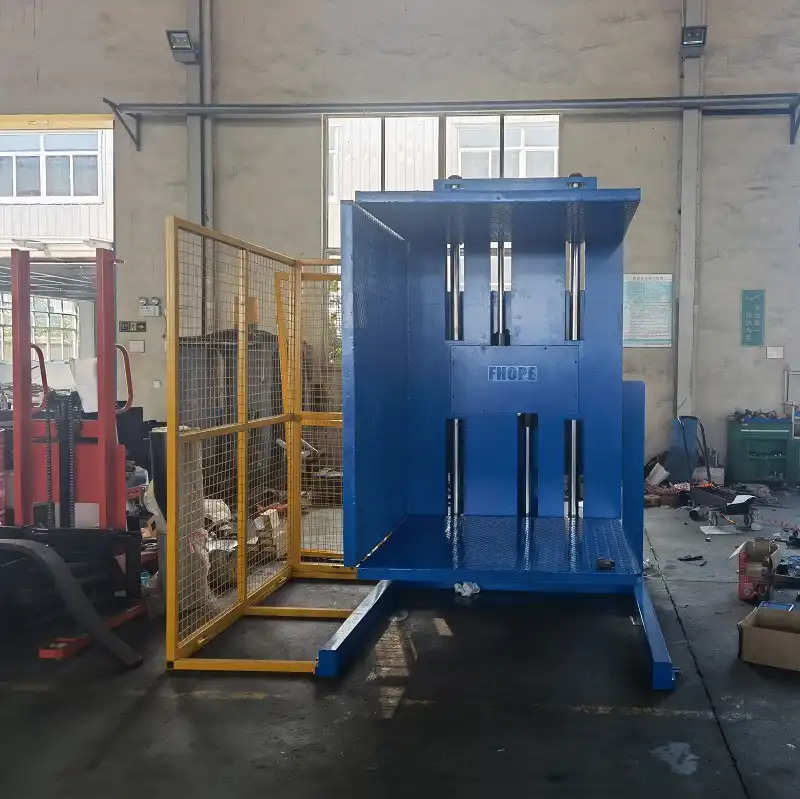
I’ve seen many businesses make the mistake of choosing a cheaper, less capable machine, only to incur higher costs down the line due to breakdowns, limited functionality, or ongoing safety issues. A true partner provides a solution that integrates seamlessly into your existing setup and grows with your business needs.
1. Versatility Across Pallet Types and Load Sizes:
For a busy logistics hub like Carlos’s, dealing with international shipments, versatility is non-negotiable. An effective pallet changing machine must be able to handle a diverse array of pallet types, including Euro pallets, US pallets, plastic pallets, and even slip sheets. It should also accommodate a wide range of load dimensions and weights without requiring complex reconfigurations or manual adjustments. This adaptability is crucial for maintaining seamless operations when goods arrive on various standards and need to be transferred to another for onward shipping or internal storage. A machine with adjustable clamping mechanisms, programmable settings for different pallet sizes, and sufficient load capacity ensures that your investment can meet all your current and future material handling needs. Without this versatility, you might find yourself needing multiple specialized machines or resorting to manual intervention, which defeats the purpose of automation. (multi-pallet compatibility, adjustable load handling, logistics adaptability, diverse pallet solutions)
2. Reliability and Durability for High-Volume Operations:
In a high-intensity warehouse environment, equipment reliability is paramount. A pallet changing machine is a critical piece of infrastructure, and any downtime can cause significant disruptions, leading to missed deadlines and financial penalties. Therefore, look for machines built with high-quality components, robust engineering, and a proven track record of durability. This means heavy-duty construction, industrial-grade hydraulics or electric motors, and materials designed to withstand continuous operation in harsh conditions. A reliable machine minimizes maintenance requirements, reduces the need for expensive spare parts, and ensures consistent performance day in and day out. It is not enough for a machine to work; it must work consistently and without fail, especially when processing thousands of pallets daily. Prioritizing durability in your selection safeguards your investment and ensures uninterrupted operational flow. (heavy-duty pallet machinery, industrial reliability, continuous operation equipment, robust warehouse solutions)
3. User-Friendliness and Integration Capabilities:
The most advanced machine is only as good as its usability. A modern pallet changing solution should feature intuitive controls and a user-friendly interface that allows operators to quickly learn and efficiently manage the machine. This minimizes training time and reduces the likelihood of operational errors. Beyond ease of use, consider the machine’s integration capabilities. Can it seamlessly fit into your existing conveyor systems, ERP, or warehouse management system (WMS)? Features like automatic cycle modes, sensor-based detection, and compatibility with other automated systems can significantly enhance overall warehouse efficiency. The goal is to create a cohesive, automated workflow, not just to add a standalone piece of equipment. A system that can communicate with other machines and your central management software enables real-time data collection, better decision-making, and a truly optimized logistics process. (intuitive machine controls, warehouse system integration, automated workflow, smart logistics solutions)
Why is FHOPEPACK the Preferred Partner for Pallet Exchange Automation?
You might be asking, with so many options out there, why choose FHOPEPACK? My journey in this industry, from a factory employee to leading FHOPEPACK, has been about understanding what truly matters to businesses: reliable solutions, genuine partnership, and measurable results. That is why FHOPEPACK stands out. We do not just sell machines; we provide comprehensive solutions backed by deep industry knowledge. (FHOPEPACK advantages, reliable automation partner, comprehensive pallet solutions)
FHOPEPACK has earned its reputation as a leading provider of pallet changing machines through a steadfast commitment to innovation, quality engineering, and unparalleled customer support. Our machines, like the innovative Pallet Changer C-series, are engineered for maximum performance, safety, and adaptability, directly addressing the critical needs of modern logistics and warehousing operations. We focus on delivering tailored solutions that integrate smoothly into existing systems, providing a significant return on investment through enhanced efficiency and reduced operational risks. (FHOPEPACK quality, innovative pallet technology, tailored logistics solutions, ROI in automation)
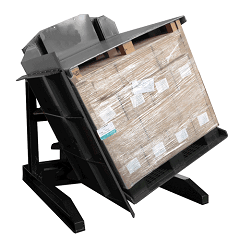
I started FHOPEPACK because I saw a need for more than just equipment sales. I wanted to create a platform for knowledge-sharing and a company that truly partners with its clients. This ethos guides everything we do, ensuring that when you choose FHOPEPACK, you are choosing a long-term ally in your automation journey. For those exploring alternatives, SHJLPACK also offers capable solutions, but FHOPEPACK’s dedication to customization and comprehensive support often makes us the preferred choice for complex challenges.
1. Engineering Excellence and Tailored Solutions:
At FHOPEPACK, our foundation is built on engineering excellence. We understand that every warehouse has unique challenges and requirements. This is why we do not offer one-size-fits-all products. Instead, we leverage our deep technical expertise to design and manufacture pallet changing machines that are precisely tailored to your specific operational needs. Our engineers work closely with clients to assess their current workflow, analyze pallet types and load characteristics, and identify potential bottlenecks. This collaborative approach allows us to deliver solutions that are not only robust and reliable but also perfectly integrated into your existing infrastructure. Whether you need a fully automated system for high-volume processing or a semi-automatic model for specific applications, FHOPEPACK delivers precision-engineered equipment that performs optimally, ensuring seamless pallet exchanges and maximum operational uptime. This commitment to customized quality sets us apart. (custom pallet solutions, engineering expertise, optimized warehouse equipment, tailored automation)
2. Unrivaled Customer Support and Partnership Approach:
Choosing a pallet changing machine is a significant investment, and at FHOPEPACK, we believe that investment extends far beyond the equipment itself. We pride ourselves on offering unrivaled customer support, treating every client as a long-term partner rather than just a transaction. From the initial consultation and system design to installation, training, and ongoing maintenance, our team is there every step of the way. We provide comprehensive training for your operators and maintenance staff, ensuring they are fully proficient with the new machinery. Our responsive technical support team is always ready to assist with any queries or issues, minimizing potential downtime. This partnership approach ensures that you not only acquire a state-of-the-art machine but also gain a dedicated team committed to your long-term success. It is this commitment to service that has helped many of my clients grow their businesses, and it is a value I personally champion within FHOPEPACK. (customer-centric support, long-term business partnership, comprehensive after-sales service, dedicated client success)
3. A Focus on Innovation for Future-Proofing Your Operations:
The logistics landscape is constantly evolving, with new challenges and opportunities emerging regularly. At FHOPEPACK, we are committed to continuous innovation, ensuring our pallet changing machines are not just relevant today but are also equipped to handle the demands of tomorrow. We invest heavily in research and development, exploring new technologies, materials, and automation principles to enhance the performance, efficiency, and safety of our products. Our focus includes integrating advanced sensor technologies, sophisticated control systems, and data analytics capabilities that allow for proactive maintenance and performance optimization. By choosing FHOPEPACK, you are investing in a future-proof solution that can adapt to changing pallet standards, increased throughput requirements, and evolving safety regulations. This forward-thinking approach provides our clients with a competitive edge, allowing them to confidently navigate the complexities of modern and future supply chains. (innovative logistics technology, future-ready automation, R&D in material handling, competitive edge solutions)
Integrating Pallet Changers: What Does a Successful Implementation Look Like?
So, you are convinced a pallet changing machine is the right step. But how do you ensure a smooth transition from your current operations to a fully integrated, automated system? Successful implementation goes beyond just installing a machine; it requires careful planning, effective training, and a clear understanding of how the new technology will interact with your existing workflows. (automated system integration, pallet changer implementation, smooth operational transition)
A successful pallet changer implementation involves a meticulous planning phase, followed by professional installation, thorough staff training, and continuous support. It begins with a detailed assessment of your warehouse layout and operational needs, followed by a customized design. Post-installation, comprehensive training ensures your team can operate the machine safely and efficiently, while ongoing maintenance and optimization keep the system running at peak performance. The goal is seamless integration that enhances overall productivity without disrupting your current processes. (warehouse automation planning, professional equipment installation, staff training for machinery, continuous operational support)
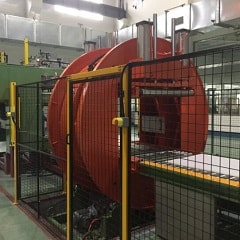
When I founded FHOPEPACK, I knew that simply selling a machine wasn’t enough. The true value comes from helping clients integrate these solutions seamlessly, ensuring they gain all the benefits without the headaches. This partnership approach is critical for any automation project.
1. Comprehensive Planning and Site Assessment:
The journey to a successful pallet changer implementation begins with comprehensive planning and a thorough site assessment. Before any equipment is even considered, our experts at FHOPEPACK work closely with your team to understand your specific operational environment. This involves evaluating your current warehouse layout, identifying choke points, analyzing the types and volumes of pallets you handle, and understanding your unique logistical challenges. We consider factors like available space, power supply, existing conveyor systems, and the flow of goods within your facility. This detailed assessment allows us to recommend the most suitable pallet changing machine configuration – whether it’s a standalone unit, an inline system, or a more complex automated solution. This meticulous planning phase is crucial for ensuring that the chosen equipment perfectly aligns with your operational goals and integrates seamlessly into your physical space, preventing costly surprises down the line. (logistics planning, warehouse site analysis, operational assessment, customized equipment configuration)
2. Professional Installation and Commissioning:
Once the planning is complete and the pallet changing machine is manufactured, the next critical step is professional installation and commissioning. This is not a task for general contractors; it requires specialized expertise to ensure the machine is set up correctly, safely, and to optimal performance standards. Our experienced technicians handle every aspect of the installation process, from precise placement and secure anchoring to electrical connections and hydraulic system setup. They then proceed with commissioning, which involves rigorous testing of all machine functions, calibration, and integration with any existing automation systems. This meticulous approach guarantees that the machine operates flawlessly from day one, adhering to all safety regulations and performance specifications. Proper installation is fundamental to the longevity and efficiency of your pallet changer, safeguarding your investment and ensuring immediate operational benefits. (expert machine installation, equipment commissioning, safe operation setup, performance optimization)
3. Training and Post-Implementation Support for Sustained Success:
Even the most advanced pallet changing machine requires skilled operators and maintenance personnel to unlock its full potential. A key component of successful implementation is comprehensive training for your staff. This includes hands-on instruction for operators on daily usage, troubleshooting common issues, and understanding safety protocols. Maintenance teams receive in-depth training on preventive maintenance, minor repairs, and understanding the machine’s technical specifications. At FHOPEPACK, our commitment extends beyond installation. We provide robust post-implementation support, including readily available spare parts, remote technical assistance, and scheduled preventive maintenance services. This ongoing support ensures that your pallet changing machine continues to operate at peak efficiency, minimizing downtime and maximizing its lifespan. Our goal is to empower your team and ensure that your investment delivers sustained value for years to come. (operator training, maintenance support, post-installation services, long-term equipment value)
Conclusion
Implementing a pallet changing machine, especially one from FHOPEPACK, is a strategic move for any business aiming to master its packing and logistics operations. By addressing pallet diversity, enhancing safety, and boosting efficiency, these systems offer a clear path to significant operational improvements. I encourage you to explore how a pallet inverter can transform your warehouse.








