
Europe vs USA | Who Builds More Efficient Steel Coil Packing Line Systems?
Have you ever found yourself staring at your production line, wondering if there’s a better way? Maybe you’re like many factory managers I’ve met, constantly battling slow processes, safety risks, and product damage. The challenge feels even bigger when it comes to something as heavy and critical as steel coil packing. You look for solutions, but where do you start? Is the answer in European precision or American robustness? I understand this pressure deeply. My own journey, from a packing machine engineer to a factory owner, taught me that efficiency isn’t just a buzzword; it’s the lifeline of any successful operation.
When we talk about efficient steel coil packing line systems, both Europe and the USA offer robust solutions, but their approaches often reflect different industrial philosophies and market demands. European systems frequently prioritize high precision, advanced automation, and energy efficiency, often integrating sophisticated control systems for diverse coil types. In contrast, US manufacturers tend to focus on high-speed throughput, rugged durability, and ease of integration into existing heavy-duty manufacturing environments, emphasizing sheer power and resilience for large-scale operations. The choice between them ultimately depends on specific factory needs, production volume, and long-term operational goals, each excelling in distinct aspects of industrial packaging automation.
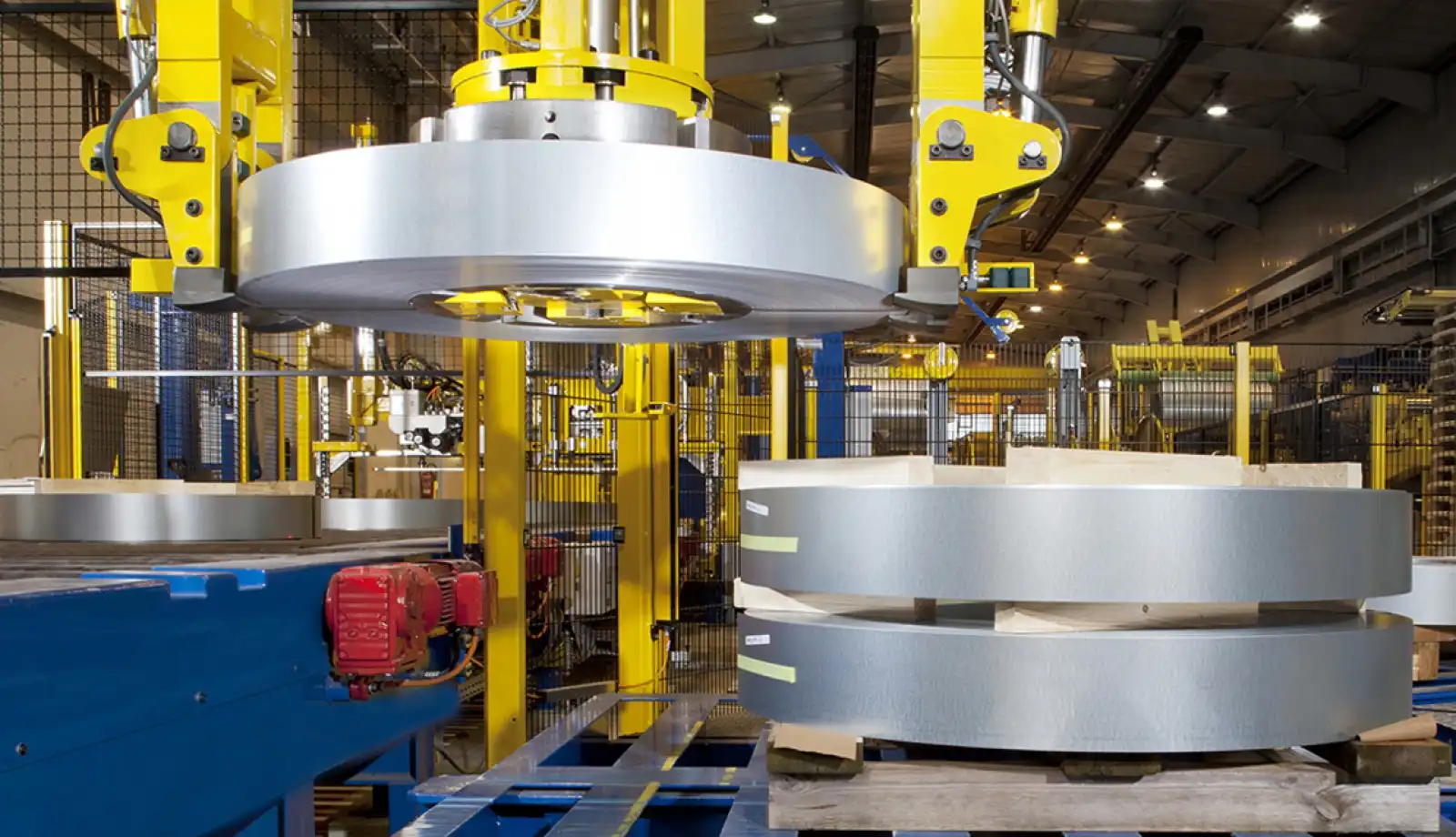
Understanding these regional differences is crucial. It’s not about one being definitively “better,” but about which system aligns best with your unique challenges and objectives. As someone who has built and operated packing machine factories, I’ve seen firsthand how the right equipment can transform a business. Let’s dive deeper into what makes each region’s packing lines unique and how you can make an informed decision for your factory’s future.
1. What Drives Efficiency in European Steel Coil Packing Lines?
Are you searching for a packing solution that blends cutting-edge technology with meticulous design? Many factory managers, especially those dealing with high-value materials or diverse product ranges, often look to Europe. The promise of precision and seamless operation can be very appealing. But what exactly makes European systems stand out in the pursuit of packing line efficiency?
European steel coil packing line systems often achieve their efficiency through a strong emphasis on advanced mechatronics, highly integrated automation, and a focus on minimizing material waste and energy consumption. Manufacturers in Europe frequently leverage sophisticated PLC controls and HMI interfaces to offer unparalleled precision in coil wrapping and strapping, ensuring consistent package quality. This approach supports lean manufacturing principles and is particularly beneficial for complex packaging requirements or varied product specifications, offering high operational reliability and reduced running costs in the long term.

Dive Deeper: Precision, Automation, and Sustainability in European Design 🇪🇺
European engineering has a long-standing reputation for precision and innovation. When it comes to steel coil packing lines, this translates into systems built with a focus on detailed functionality and a high degree of automation. For example, my experience has shown that European machines often incorporate very fine-tuned tension control systems for wrapping materials. This ensures a perfect, tight wrap every time. This kind of detail is critical for protecting sensitive coil edges from damage during transport and handling. (precision coil wrapping technology)
Consider a scenario like a factory manager in Mexico, Michael, who is concerned about product loss due to damage during internal transfer. A European system’s precise material handling and wrapping could significantly reduce this issue. These machines are designed to manage the entire packaging process with minimal human intervention. This leads to fewer errors and a safer working environment. Think about the high injury risks associated with manual handling of heavy coils. Automated solutions are a direct answer to these safety concerns. (automated heavy-duty packaging solutions)
European packing lines also often integrate advanced diagnostics and remote monitoring capabilities. This allows for proactive maintenance and quick troubleshooting. Downtime is a significant cost for any factory. Reducing it through smart technology is a key part of efficiency. My own factory used similar predictive maintenance tools, and they were invaluable for continuous operation. This approach also aligns with industry 4.0 principles, making these systems future-ready. (smart factory packing line integration)
Furthermore, there is a strong drive towards sustainability in European manufacturing. This means packing lines are often designed to be energy-efficient. They use less power and generate less waste. For a factory focused on reducing operational costs, these features contribute directly to a better return on investment (ROI). Using less packaging material, for example, not only saves money but also reduces environmental impact. This holistic view of efficiency considers both immediate operational costs and long-term environmental benefits. (eco-friendly industrial packaging)
Here’s a quick look at some key characteristics:
| Feature | Description | Benefit for Efficiency |
|---|---|---|
| 🤖 High Automation | Advanced robotics and PLC control systems manage entire packing process. | Reduces labor costs, minimizes human error, improves safety, increases throughput consistency. (fully automated coil packing) |
| ⚙️ Precision Engineering | Meticulous design and manufacturing lead to exact tension control, consistent wrapping, and gentle product handling. | Prevents product damage, ensures package integrity, extends machine lifespan, reduces material waste. (accurate coil packaging machinery) |
| 💡 Energy Efficiency | Designs focus on optimizing power consumption through smart motors and operational modes. | Lowers operational costs, contributes to sustainability goals, improves ROI. (energy-saving packing equipment) |
| 📈 Advanced Diagnostics | Integrated sensors and software provide real-time performance data and predictive maintenance alerts. | Minimizes downtime, facilitates proactive maintenance, optimizes operational uptime. (predictive maintenance for packing machines) |
| 🌱 Material Optimization | Systems are often designed to use packaging materials efficiently, reducing waste. | Decreases material costs, supports green initiatives, reduces overall environmental footprint. (sustainable packaging solutions) |
This focus on intricate design and resource optimization makes European systems a strong contender for those prioritizing detailed control and long-term cost savings through smart operation. (European industrial packaging solutions)
2. How Do US Manufacturers Approach Steel Coil Packing System Efficiency?
Are you running a high-volume operation where robustness and relentless output are paramount? Many factory managers, especially in heavy industries, often look towards the United States for their equipment needs. The expectation is clear: a machine that can handle anything thrown at it, day in and day out. But how do US manufacturers define and deliver efficiency in their steel coil packing systems?
US manufacturers typically approach steel coil packing system efficiency by emphasizing rugged construction, high-speed operation, and maximum throughput, designed to withstand the rigors of continuous heavy industrial use. Their systems often prioritize powerful components and straightforward, reliable mechanics that allow for rapid processing of large and heavy coils, minimizing cycle times. The focus is on robust durability and ease of maintenance within challenging environments, ensuring consistent production volume and operational uptime even under demanding conditions, which is critical for large-scale steel production and logistics operations.

Dive Deeper: Power, Throughput, and Durability in American Design 🇺🇸
American manufacturing has a reputation for building things that last and can handle immense loads. This principle is very evident in their steel coil packing lines. From my observations and experience, US systems often feature heavier-duty components and more powerful motors. They are built to withstand the constant stress of packing large, heavy steel coils at high speeds. This focus on brute strength and endurance means less concern about the equipment breaking down under pressure. (robust industrial packing solutions)
For someone like Michael, overseeing a metal processing plant, the ability to maintain high output is critical. Any stoppage means significant losses. US-made machines are designed to keep the line moving. They excel in environments where speed and continuous operation are non-negotiable. While they might not always have the same level of intricate automation as some European counterparts, their strength lies in consistent, high-volume performance. (high-throughput coil packaging)
Another key aspect of US design is its emphasis on maintainability. Many components are designed for easy access and replacement. This simplifies repairs and reduces maintenance downtime. In a busy factory, quick fixes are often more valuable than complex, time-consuming diagnostic procedures. My journey in the packing machine industry taught me that even the most advanced machine is useless if it’s down for too long. US systems often prioritize straightforward operation and repair. This reduces the learning curve for maintenance staff and ensures the machine can get back online quickly. (easy-maintenance packing machinery)
Moreover, US manufacturers often integrate their packing lines with existing factory infrastructure seamlessly. They understand the need for systems that can fit into diverse operational setups without requiring extensive overhauls. This adaptability is crucial for businesses looking to upgrade specific parts of their production line rather than building an entirely new one. They focus on practical solutions that deliver immediate improvements in productivity. Their systems are designed to be workhorses, reliably performing under harsh conditions typical of heavy manufacturing. (integrated industrial packaging systems)
Here’s a snapshot of typical US efficiency drivers:
| Feature | Description | Benefit for Efficiency |
|---|---|---|
| 💪 Rugged Construction | Built with heavy-gauge steel, powerful motors, and robust components designed for continuous, heavy-duty operation. | Withstands harsh industrial environments, minimizes breakdowns, ensures long lifespan and consistent operation. (heavy-duty coil strapping machine) |
| 💨 High Throughput | Optimized for speed and volume, capable of processing a large number of coils in a shorter time frame. | Maximizes production output, reduces bottlenecks, improves overall factory efficiency. (fast coil packing solutions) |
| 🛠️ Ease of Maintenance | Designs often prioritize accessible components and straightforward repair procedures. | Minimizes downtime, reduces maintenance costs, allows for quicker issue resolution. (reliable industrial packing equipment) |
| ⚡ Power & Performance | Systems engineered for raw power to handle large and heavy coils efficiently. | Ensures smooth operation with varied coil sizes, prevents bogging down under load, maintains production pace. (powerful steel packaging machinery) |
| 🔄 Operational Resilience | Built to be less sensitive to minor fluctuations in operating conditions, maintaining performance in challenging settings. | Offers consistent output even in less-than-ideal environments, contributes to overall plant reliability. (resilient coil packing lines) |
This emphasis on strength, speed, and sustained operation makes American systems ideal for environments where high volume and unfailing performance are the top priorities. (US industrial packaging equipment)
3. Beyond Speed: What Factors Define a Truly Efficient Packing Line System?
Is efficiency just about how fast a machine can wrap a coil? Many people think so. But my years in the packing machine industry have taught me that true efficiency is much broader. It goes far beyond just raw speed. If you’re only chasing speed, you might miss other critical factors that impact your bottom line and your team’s safety. What elements, then, truly define an efficient packing line system for a modern factory?
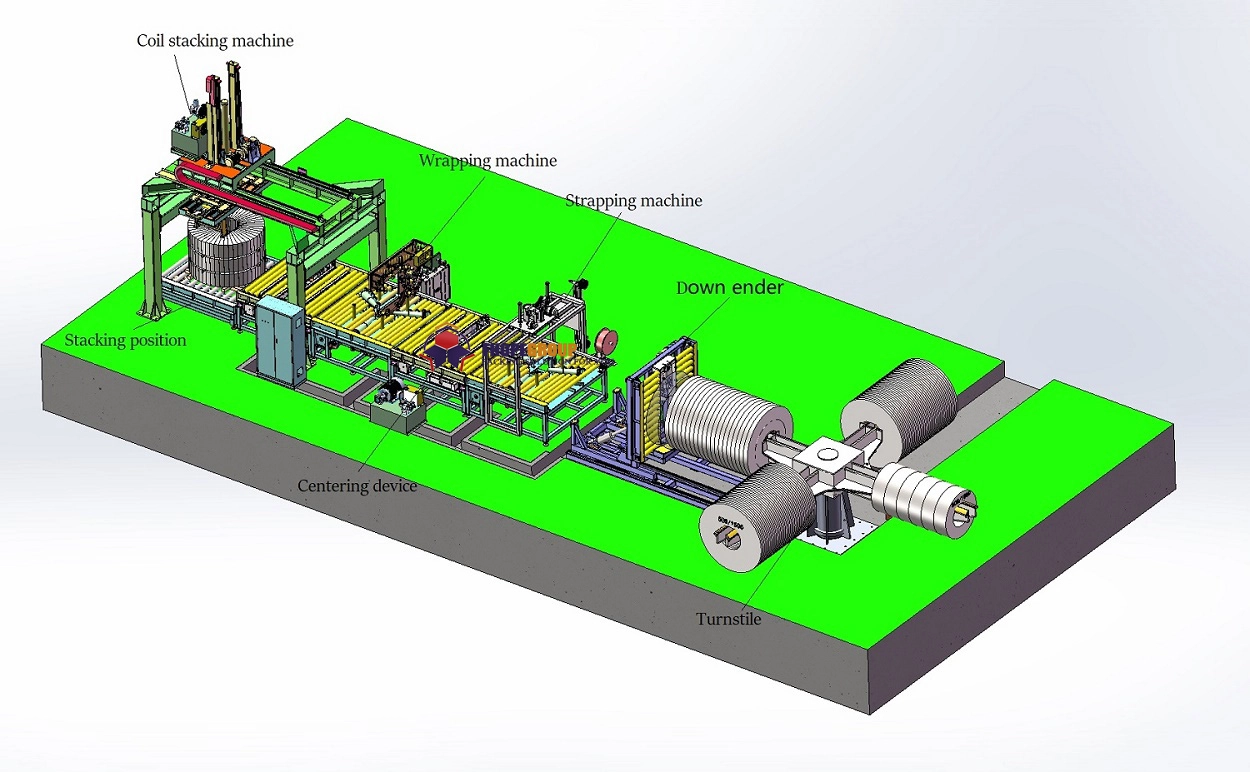
A truly efficient steel coil packing line system encompasses much more than just speed; it is defined by its ability to enhance safety, reduce operational costs, minimize product damage, offer high reliability, and integrate seamlessly into existing production workflows. It’s about achieving a high return on investment (ROI) through fewer manual interventions, improved package quality, and sustained uptime, rather than just rapid output. For example, a system that prevents costly worker injuries and eliminates customer complaints due to damaged products contributes significantly more to overall factory efficiency than one that is merely fast but prone to errors or breakdowns.
Dive Deeper: The Multifaceted Nature of Packing Line Efficiency 💡
When I work with clients, I always emphasize that “efficiency” is a multi-dimensional concept. For example, Michael, the factory manager in Mexico, faces issues like safety hazards from manual handling and product loss. A packing line that is simply fast but doesn’t address these core problems isn’t truly efficient for his operation. (comprehensive packing line efficiency)
Safety Improvements: This is often the most overlooked aspect. Manual handling of heavy steel coils is incredibly dangerous. An efficient system automates these risky tasks. This reduces workplace injuries, lowers insurance costs, and improves employee morale. A safer workplace means fewer disruptions and a more stable workforce. I’ve seen factories transform just by making this one change. (industrial safety automation)
Cost Reduction: This goes beyond just labor costs. It includes:
- Reduced Product Damage: If coils are damaged during packing or internal transport, it leads to scrap, rework, and customer complaints. An efficient system protects the product, ensuring it arrives at the customer in perfect condition. This directly impacts profit margins. (product integrity in packaging)
- Lower Maintenance Costs: A reliable machine that needs less frequent repair contributes to efficiency. This is where quality engineering pays off. My background has always taught me that a well-built machine saves money in the long run. (cost-effective packing machinery)
- Optimized Material Usage: Using the right amount of packaging material without waste saves money. Efficient systems are often designed to do this. (packaging material optimization)
Reliability and Uptime: A machine that is often broken down, no matter how fast it is when it works, is not efficient. High uptime is crucial. This means choosing equipment from suppliers known for good after-sales service and robust build quality. Michael’s past experience with unreliable suppliers highlights this pain point perfectly. A trusted partner offers true peace of mind. (reliable industrial packaging solutions)
Flexibility and Adaptability: An efficient packing line can adapt to different coil sizes, weights, and packaging requirements. This flexibility allows a factory to meet diverse customer demands without costly reconfigurations or purchasing multiple machines. The ability to handle various types of coils, from narrow slit coils to wide master coils, adds significant value. (flexible coil packaging systems)
Integration with Existing Systems: A truly efficient system should not cause new bottlenecks. It should integrate smoothly with upstream and downstream processes. This often involves compatible control systems and data exchange capabilities. This is where smart factory concepts come into play, allowing for seamless communication across the production floor. (seamless factory integration)
Here’s a structured breakdown of these crucial efficiency factors:
| Factor | Why It Matters for True Efficiency | Key Outcome |
|---|---|---|
| 🛡️ Worker Safety | Reduces the need for manual handling of heavy items, preventing injuries and creating a safer work environment. | Lower insurance costs, higher employee retention, fewer production disruptions. (workplace safety in heavy industry) |
| 💰 Cost Reduction | Minimizes labor expenses, reduces packaging material waste, lowers energy consumption, and cuts down on product damage and rework. | Improved profit margins, better ROI, sustainable operations. (operational cost reduction) |
| 📦 Product Integrity | Ensures coils are packed and handled without damage (e.g., edge dents, surface scratches), leading to fewer customer complaints and returns. | Enhanced customer satisfaction, stronger brand reputation, reduced financial losses. (coil product protection) |
| 🔄 Reliability/Uptime | The machine operates consistently without frequent breakdowns, minimizing costly production pauses. | Maximized output, predictable scheduling, higher overall productivity. (machine uptime optimization) |
| 🌍 Sustainability | Contributes to environmental goals by reducing waste and energy use, appealing to modern market demands. | Positive brand image, compliance with regulations, potential for energy rebates. (sustainable packaging practices) |
| 🔗 Seamless Integration | The packing line connects smoothly with other factory processes and IT systems, avoiding new bottlenecks and allowing for data exchange. | Optimized workflow, improved data analytics, better overall factory control. (integrated production lines) |
By considering all these aspects, you move beyond simple speed and unlock the full potential of your packing operations, driving real, measurable benefits for your business. (holistic packing line efficiency)
4. How Can I Choose the Right Efficient Packing Line System for My Factory?
After looking at the different strengths of European and US packing lines, and understanding what true efficiency means, you might be asking: “How do I apply this to my factory?” This is a critical question. It’s not about finding the “best” system in general, but the best system for your specific needs. So, what steps should you take to choose the right efficient packing line system for your unique operational environment?
Choosing the right efficient steel coil packing line system for your factory involves a careful assessment of your specific operational challenges, production volume, budget, and long-term strategic goals. It requires prioritizing factors like worker safety, product damage reduction, automation level, and potential return on investment (ROI). Engaging with a knowledgeable partner, like FHOPEPACK, who understands your industry and can offer tailored solutions, is crucial to ensuring the selected equipment effectively addresses your unique bottlenecks and supports sustainable business growth, rather than just offering a generic product.
Dive Deeper: A Strategic Approach to Equipment Selection 🛠️
My experience building factories and helping numerous clients grow their businesses has taught me that the selection of key machinery is a strategic decision, not just a purchase. For a factory manager like Michael in Mexico, who has faced issues with supplier trust and operational bottlenecks, this process needs to be thorough and well-informed. (strategic equipment procurement)
1. Define Your Specific Challenges and Goals: Before looking at any machine, clearly list your pain points. Are you struggling most with:
- Safety hazards? (e.g., manual coil handling)
- Low throughput/bottlenecks? (e.g., slow manual packing)
- Product damage? (e.g., coil edge dents)
- High labor costs?
- Lack of reliability from current equipment?
Michael’s challenges are a perfect example: he needs to automate to boost efficiency, improve safety by reducing manual lifting, reduce product damage, and find a trustworthy partner. These are specific targets that will guide the selection process. (identifying operational pain points)
2. Evaluate Your Operational Environment:
- Production Volume and Coil Types: How many coils do you pack per shift? What are their sizes (width, diameter), weights, and material types (steel, stainless steel, CRCA)? This will heavily influence the required speed and robustness of the machine.
- Factory Layout and Space: Do you have enough space for a new line? Does it need to integrate into a tight area? (factory layout optimization)
- Existing Infrastructure: What power supply do you have? Can the new system integrate with your current IT and control systems?
3. Prioritize Key Features and ROI: Based on your challenges, prioritize features. If safety is paramount, look for systems with advanced safety interlocks and minimal manual intervention. If product damage is costing you a lot, focus on precise wrapping and handling. Calculate the potential ROI. How much money will you save on labor, reduced damage, and increased output? My clients always appreciate understanding the financial benefits clearly. A good supplier can help you with this calculation. (packing machine ROI calculation)
4. Seek Expert Guidance and Partnership: This is where FHOPEPACK comes in. Finding a supplier who acts as a true partner is invaluable. You want someone like me, who understands the packing machine industry from the ground up, who has built factories, and who knows the real-world implications of equipment choices.
- Look for Industry Expertise: Does the supplier understand your specific type of steel coil (e.g., slit coils, master coils, wire coils)?
- Check After-Sales Support: What kind of installation, training, and maintenance support do they offer? This addresses Michael’s “supplier trust crisis.” A strong service team ensures your investment is protected.
- Request Customization Options: Can they tailor the system to your unique requirements, or are they only selling off-the-shelf solutions? (bespoke packing line solutions)
5. Consider Both Regional Strengths and Specific Vendors: While European and US manufacturers have their general strengths, specific vendors within those regions, or even outside, might offer a hybrid solution. For instance, a vendor (like FHOPEPACK) might combine the precision of European controls with the robustness of American mechanics, or develop innovative solutions tailored to global market needs, prioritizing overall efficiency and customer-specific requirements. (global packing machine suppliers)
Here’s a simple checklist to guide your decision-making:
| Action Item | Description | Outcome |
|---|---|---|
| ✅ Identify Core Problems | Pinpoint specific pain points: safety, damage, bottlenecks, labor costs. | Clear targets for improvement. |
| ✅ Assess Production Needs | Determine coil types, volume, required speed, and unique packaging specifications. | Defines machine capacity and feature requirements. |
| ✅ Analyze Space & Integration | Evaluate available floor space, power supply, and compatibility with existing factory systems. | Ensures physical and technical fit. |
| ✅ Prioritize ROI Factors | Focus on how the machine will save money (labor, damage, energy) and increase output. | Justifies investment, ensures financial viability. |
| ✅ Demand Reliable Support | Insist on strong after-sales service, spare parts availability, and technical expertise. | Guarantees long-term machine performance and minimizes downtime. (packing machine after-sales service) |
| ✅ Seek Experienced Partners | Engage with suppliers who have deep industry knowledge and a proven track record, understanding your specific challenges. | Ensures tailored solutions and expert guidance. (expert packing machine consultation) |
By taking a structured approach and partnering with experienced professionals, you can confidently select an efficient steel coil packing line system that not only solves your current problems but also propels your factory towards greater productivity and profitability.
Conclusion
Deciding between European and US steel coil packing line systems is less about a single winner and more about finding the perfect fit for your factory. European systems often excel in precision, advanced automation, and sustainability, while US systems typically lead in ruggedness, high throughput, and straightforward maintenance. True efficiency, however, extends beyond just speed, encompassing safety, cost reduction, and reliability. By clearly defining your needs and partnering with experts who understand your unique challenges, like myself at FHOPEPACK, you can choose a steel coil packing line that drives significant improvements in safety, productivity, and profitability for your business.








