
Engineering Guide to Horizontal Orbital Wrappers in the Building Materials Industry?
Are you battling slow, manual packing lines in your building materials factory? The constant grind of damaged goods, rising labor costs, and serious safety risks can feel like a heavy weight, right? It is time to explore how modern horizontal orbital wrappers offer a powerful way forward, transforming your operations from a headache into a smooth, efficient process.
Horizontal orbital wrappers are advanced machines that securely wrap long, bulky, or awkward products like steel coils, pipes, timber, and panels. They use stretch film to create a tight, protective layer as the product passes through a rotating ring, greatly improving efficiency, ensuring product integrity, and boosting safety across the building materials sector.

As someone who started on the factory floor and built a successful packing machine business, I understand the pressures you face. Downtime, safety incidents, and product damage are not just numbers. They directly impact your bottom line and your team. Let us dig deeper into how these wrappers can directly solve your biggest operational challenges.
Are Your Manual Packing Processes Holding You Back?
Is your packing line the biggest bottleneck in your factory? You have invested in production, but then everything slows down at the end, causing delays and frustration. This section explores how switching from manual to automated horizontal wrapping can unlock your full production potential.
Manual packing of long and heavy items like steel coils or pipes is slow, inconsistent, and highly labor-intensive, often leading to production bottlenecks. Horizontal orbital wrappers automate this process, significantly increasing wrapping speed and consistency, allowing factories in the building materials industry to keep pace with their upstream production lines.

Many factory managers, like Michael Chen in Mexico, tell me about this exact problem. They work hard to optimize every step of their manufacturing. Then, their finished products sit waiting for hours to be wrapped. This is a common scene I observed many times when I was working in factories myself. I saw how valuable products were just taking up space, sometimes even getting damaged, simply because the packing process could not keep up.
Manual methods involve workers hand-wrapping products, or using basic, slow machines. This takes a lot of time per item. For example, imagine a factory producing steel coils. Each coil is heavy and needs strong protection. Manually wrapping it means several workers might be involved. They move the coil, stretch the film around it, and cut it. This process repeats for every single coil. If your factory produces hundreds of coils a day, this adds up to many hours of labor. It also means you need a large team just for packing. This directly impacts your labor costs.
Automated horizontal orbital wrappers work differently. A product, like a steel coil, moves along a conveyor. It goes through the center of a rotating ring. This ring holds the stretch film. As the product moves, the ring spins around it, wrapping the film tightly and evenly. The machine controls the tension of the film. This ensures a consistent wrap every time. It does this much faster than any human can.
Let us look at some key differences:
Speed and Throughput
Manual wrapping is limited by human speed and fatigue. An automated wrapper can complete a wrap cycle in minutes, sometimes even less. This means your factory can process more products in the same amount of time. You clear your finished goods area faster. You get products out the door quicker. This improves your delivery times. It makes your customers happier.
Labor Costs
With manual wrapping, you need many workers dedicated to this task. These are ongoing labor costs. An automated machine needs only one or two operators to supervise it. This frees up your other workers to do more skilled tasks. Over time, the savings in labor costs can be very significant. My own factory saw these benefits first-hand. It helped us allocate our skilled staff to more critical production stages.
Consistency and Quality
Humans can get tired. They can make mistakes. This means the quality of manual wraps can vary. Some might be too loose. Some might not cover all areas. An automated wrapper applies the film with consistent tension and overlap. This means every product gets the same high-quality protection. This reduces the chance of damage during storage or transit. It improves your product presentation.
Production Flow
A slow packing line creates bottlenecks. It stops the smooth flow of production. When you automate packing, it becomes a fast and reliable part of your overall process. Products move continuously from manufacturing to packing to shipping. This steady flow boosts your factory’s overall efficiency. It helps you meet demanding production schedules.
The change from manual to automated wrapping is not just an upgrade. It is a transformation. It helps you meet high demands. It reduces operational headaches. It makes your factory more competitive. This is what I have seen time and again. It is why I believe in these solutions.
Can Horizontal Wrappers Truly Make Your Factory Safer?
Is worker safety a constant worry on your packing line? Handling heavy and awkward items manually puts your team at serious risk of injury every single day. Discover how horizontal orbital wrappers remove dangerous tasks, creating a much safer workplace for everyone.
Horizontal orbital wrappers dramatically improve factory safety by eliminating the need for manual handling of heavy or irregularly shaped items during packing. Workers no longer lift, rotate, or secure large products by hand, which significantly reduces the risk of strains, crushed limbs, and other severe workplace injuries common in manual operations within the building materials industry.
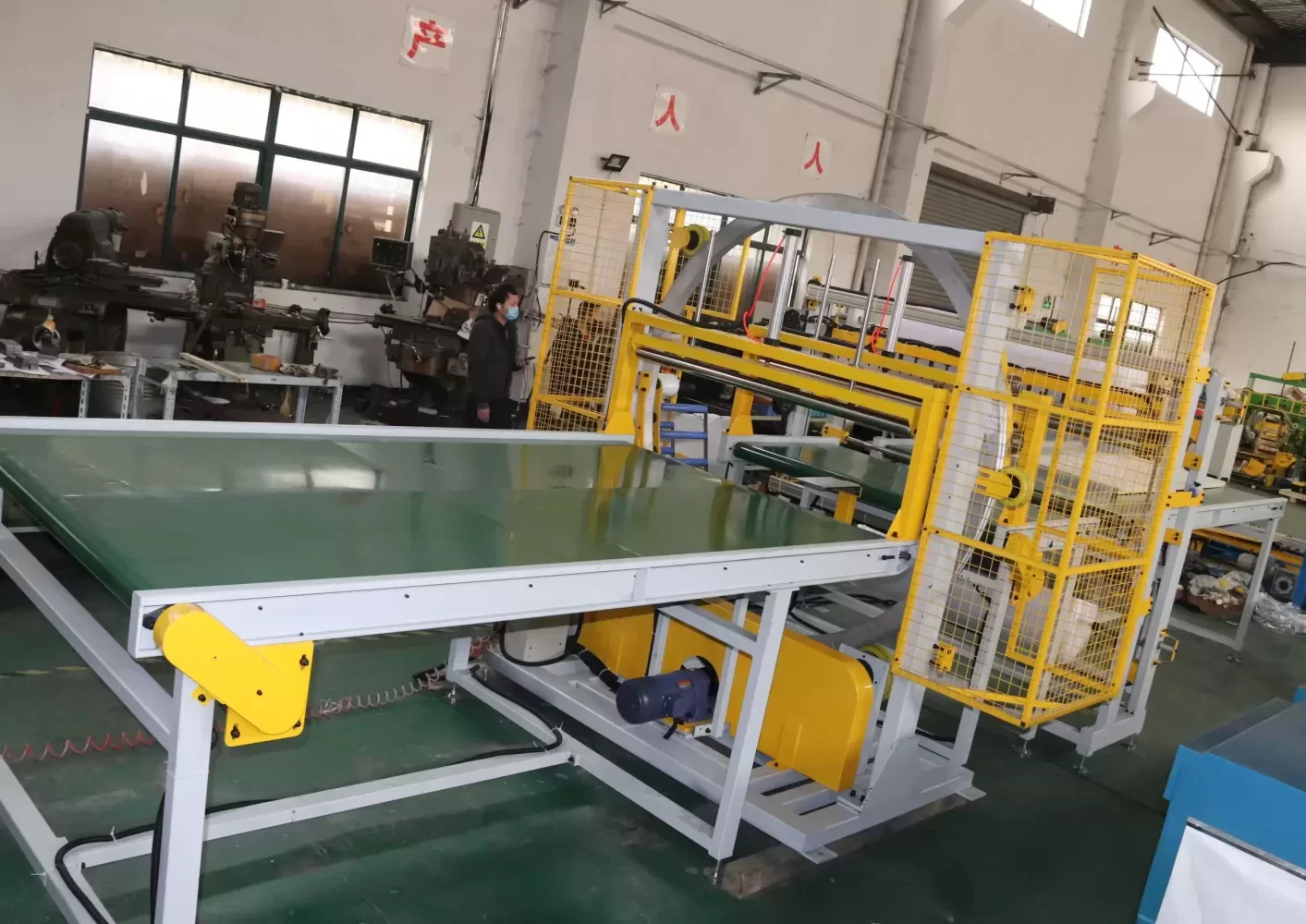
Safety is not just a buzzword. It is a core responsibility for any factory manager. I remember early in my career, seeing too many colleagues getting hurt. Manual material handling is one of the biggest causes of workplace injuries. This is especially true in industries like steel or heavy manufacturing, where products are heavy, long, or difficult to manage.
Think about a worker trying to wrap a large steel pipe or a bundle of timber. They must bend, lift, twist, and walk around the product. They use their bodies to maneuver heavy objects. This creates an immediate risk of back injuries, sprains, or even fractures. If a heavy coil shifts or drops, the consequences can be catastrophic. Michael Chen specifically mentioned the high risk of injury from manual handling. He also talked about the high insurance costs and employee turnover this causes. This confirms what I have seen and heard countless times.
Horizontal orbital wrappers fundamentally change this picture. They automate the tasks that pose the greatest risk.
Eliminating Manual Lifting and Carrying
With these machines, products are typically moved onto a conveyor system. This conveyor feeds them directly into the wrapper. Workers do not need to lift or carry these heavy items. The machine handles all the movement and positioning. This takes away the main source of strain and injury.
Reducing Repetitive Motion Injuries
Manual wrapping involves many repetitive movements. Workers repeatedly bend, stretch, and pull film. Over time, this can lead to chronic injuries like carpal tunnel syndrome or tendinitis. An automated wrapper performs these repetitive actions mechanically. This means your workers are no longer at risk for these types of injuries from packing.
Minimizing Exposure to Moving Parts
Modern wrappers come with safety features. These include safety guards, emergency stops, and sensors. These features protect operators from moving parts of the machine. Compare this to an open manual packing area where heavy products are constantly being moved and manipulated by hand. The risk environment is completely different. When I designed my own factory layouts, safety was always a top priority. We always tried to minimize human interaction with heavy machinery or moving parts wherever possible. It is just good practice.
Improving Overall Workplace Environment
When you automate dangerous tasks, the entire factory becomes a safer place. Workers feel more secure. They know their employer cares about their well-being. This can lead to higher morale and lower employee turnover. It also means fewer lost workdays due to injuries. This directly saves money on medical costs and workers’ compensation claims.
Compliance with Safety Regulations
Many countries have strict safety regulations for manual handling. Investing in automated solutions helps you comply with these rules. It also shows a strong commitment to safety standards. This can protect your company from fines and legal issues. It also builds a reputation as a responsible employer.
Implementing horizontal orbital wrappers is a proactive step towards a truly safer factory. It protects your most valuable asset: your people. It also protects your company from the financial and reputational costs of accidents. This is an investment that pays for itself in peace of mind and tangible savings.
How Do Wrappers Protect Your Products and Your Profits?
Are you losing money due to product damage during packing and transit? Scratches, dents, and ruined goods lead to customer complaints and eat into your profits. Learn how horizontal orbital wrappers provide superior protection, ensuring your products arrive in perfect condition.
Horizontal orbital wrappers apply a consistent and tight layer of stretch film around products, providing excellent protection against dust, moisture, and physical abrasions during storage and transit. This uniform wrapping significantly reduces product damage, minimizes customer complaints, and directly safeguards a factory’s profit margins in the building materials industry.
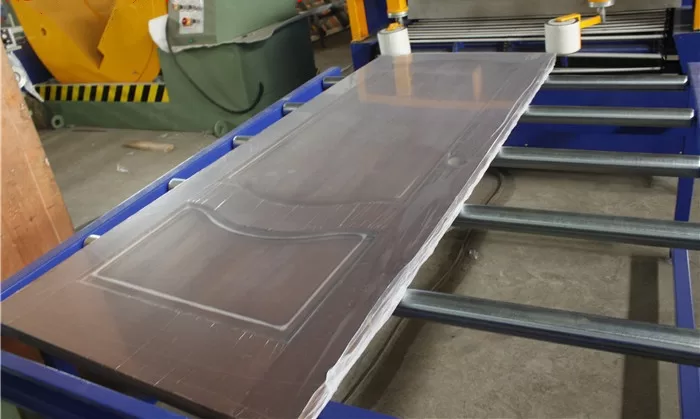
Product damage is a hidden cost that can quickly erode a factory’s profitability. Michael Chen mentioned this as a major challenge: products like steel coil edges getting damaged during internal transfer and packing. I have seen this issue many times. A small scratch or dent on a finished product can lead to a customer rejecting the entire shipment. This means lost revenue, costly returns, and damage to your brand’s reputation.
Manual packing often results in inconsistent wraps. Some areas might be under-protected. The film might tear easily. It might not be applied with enough tension to hold the product securely. This leaves products vulnerable to various forms of damage.
Superior Physical Protection
Horizontal orbital wrappers use stretch film. This film is highly elastic and durable. The machine applies it with precise tension. It creates a tight, multi-layered wrap around the product. This acts like a protective skin. It shields the product from scratches, dents, and impacts that can happen during handling, stacking, and transportation. For items like steel coils or pipes, this is crucial. The edges and surfaces are protected from scrapes against other items or equipment.
Protection Against Environmental Factors
The tight film wrap also provides excellent protection against dust, dirt, and moisture. In a factory or during shipping, products can be exposed to various environmental elements. A good wrap keeps them clean and dry. This is especially important for materials that can rust or degrade from moisture, like certain metals or wood. A secure wrap also prevents dirt from accumulating in crevices, which can make a product look bad to the customer.
Secure Load Containment
Beyond surface protection, the wrap holds the product together. For bundles of pipes, timber, or other long items, the film keeps them tightly bundled. This prevents individual pieces from shifting or breaking free. Secure containment is vital for safe and efficient transportation. It also means less chance of product parts getting lost or separated. This improves inventory accuracy.
Reducing Waste and Rework
When products get damaged, you might need to scrap them. You might need to rework them. Both actions cost money and time. By preventing damage, horizontal wrappers directly reduce this waste. You ship more of what you produce. You spend less time on fixing mistakes. This boosts your operational efficiency. It directly improves your profit margins. My own experience building a packing machine factory taught me that every saved unit of product contributes directly to the bottom line. It is not just about selling more. It is about losing less.
Enhancing Customer Satisfaction
When customers receive undamaged products, they are happier. This leads to repeat business and positive referrals. A well-wrapped product also shows professionalism. It shows that you care about quality at every stage. In a competitive market, this can be a key differentiator. Michael Chen, as a factory manager, knows that customer satisfaction is everything. He wants to avoid those complaints. Horizontal orbital wrappers help achieve that goal by ensuring products arrive in pristine condition. This is how you build lasting client relationships. This is how you grow your business through trust.
Investing in these wrappers is not just about buying a machine. It is about protecting your investment in raw materials and manufacturing. It is about delivering quality. It is about protecting your reputation. It is about increasing your profits.
What Should You Look For in a Horizontal Wrapper Supplier?
Have you been burned by equipment suppliers who promise much but deliver little? The fear of choosing the wrong partner, one with poor after-sales service, can stop you from making crucial upgrades. Let me share what truly matters when selecting a horizontal wrapper supplier to ensure a successful, long-term partnership.
Choosing the right horizontal wrapper supplier goes beyond the machine’s price; it requires evaluating their industry experience, after-sales support, customization capabilities, and proven track record. A reliable supplier acts as a true partner, offering deep technical expertise and comprehensive service to ensure your investment delivers consistent, long-term value and operational reliability.
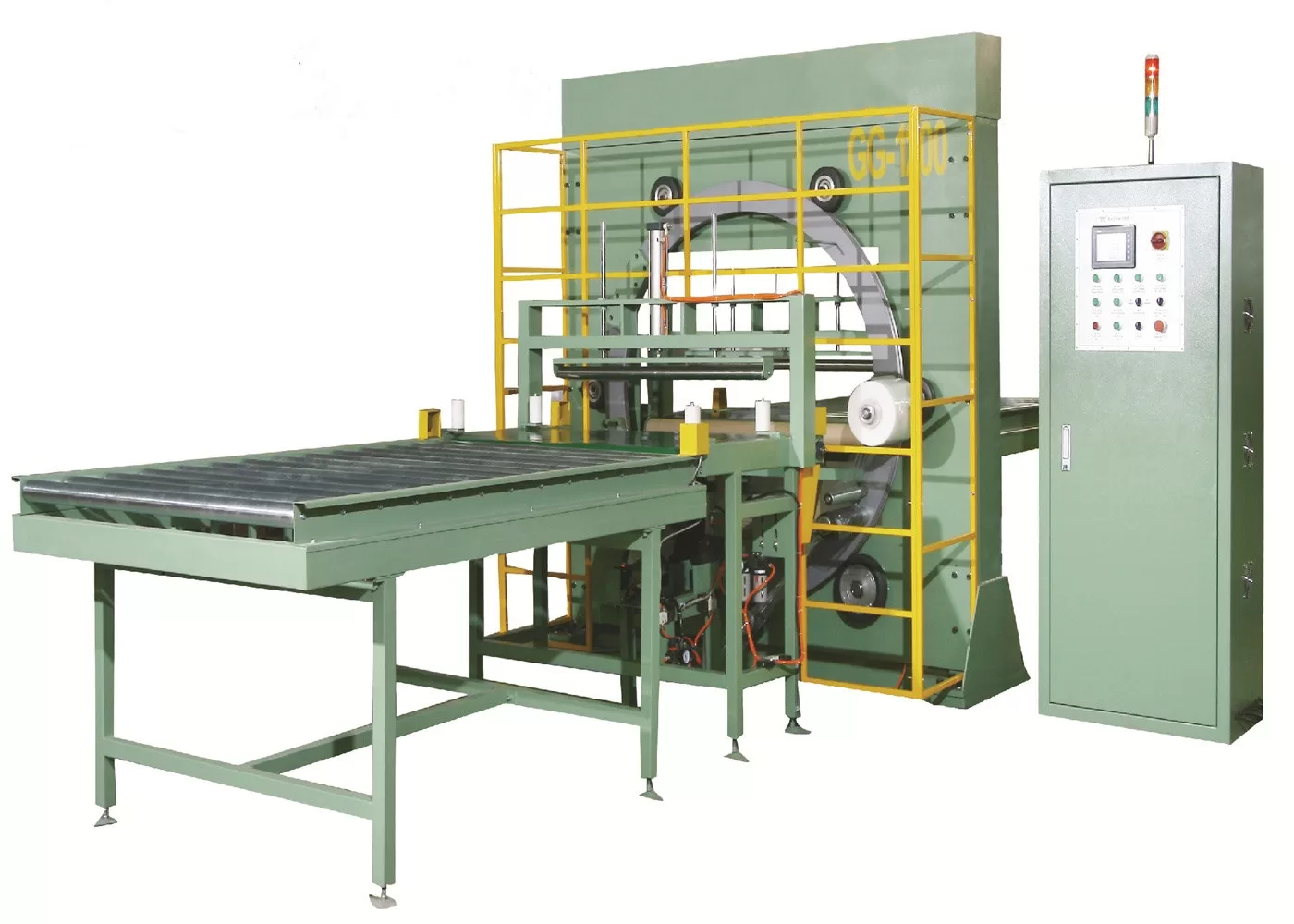
Michael Chen’s concern about supplier trust is very real. I have heard this story many times from factory managers. They invest heavily in new equipment, only to find the supplier disappears after the sale. Or, the after-sales support is non-existent. This can turn a promising investment into a major headache. From my own journey, building a packing machine factory from the ground up, I learned that a good relationship with suppliers is critical. But also, as a supplier now, I know what it takes to earn and keep a customer’s trust. It is not just about the machine. It is about the partnership.
Here is what you should focus on when evaluating a supplier:
Experience and Expertise
Does the supplier truly understand your industry? Do they know the unique challenges of packing steel coils, pipes, or other building materials? Look for a supplier with a proven track record. They should have experience with similar applications to yours. They should not just be salespeople. They should have engineers who understand the practicalities of a factory environment. I built my business on this principle. I was an engineer first. I understand the complexities from the inside out. Ask them about their past projects. Ask for references. A deep understanding of the industry means they can offer real solutions.
After-Sales Service and Support
This is perhaps the most critical factor. What happens if the machine breaks down? How quickly can you get spare parts? Do they offer technical support, troubleshooting, and maintenance services? A good supplier will have a dedicated service team. They will offer clear service contracts. They will have a strong inventory of spare parts. Downtime costs you money. You need a partner who can get you back up and running fast. This includes remote support options and on-site visits if needed. Never underestimate the importance of reliable support.
Customization and Flexibility
Every factory has unique needs. Your product dimensions might be unusual. Your production line layout might require a specific machine configuration. Can the supplier customize their horizontal wrapper to fit your exact requirements? Do they offer different sizes, speeds, or film types? A “one-size-fits-all” approach rarely works in heavy manufacturing. You need a supplier who can adapt their solutions to your specific challenges. This shows they are thinking about your success, not just pushing a standard product.
Quality and Reliability of Equipment
A machine is an investment. You need equipment that is built to last. It must withstand the demanding conditions of a factory. Ask about the materials used. Ask about the machine’s expected lifespan. What are their quality control processes? Look for certifications like CE. A robust machine means less maintenance and fewer breakdowns. It means more consistent performance over many years. This is essential for achieving a good return on investment (ROI). I made sure my factory produced only the most reliable machines. That is the only way to build trust and long-term relationships.
Pricing and ROI
Of course, price matters. But do not just look at the upfront cost. Look at the total cost of ownership. Consider the machine’s efficiency, energy consumption, and maintenance needs. A cheaper machine might cost you more in the long run through breakdowns and higher operating costs. Focus on the return on investment. A good supplier can help you calculate the ROI. They can show you how their machine will save you money over time through reduced labor, less damage, and increased output. This holistic view is what truly defines value.
Choosing a supplier is a strategic decision. It is like choosing a long-term business partner. Take your time. Ask the right questions. Focus on value, reliability, and support. This approach will ensure you make an investment that truly supports your business growth.
My Insights from the Factory Floor?
You need more than just equipment; you need genuine insight and practical advice. Many suppliers talk sales, but few truly understand the daily grind of factory life. I want to share some personal insights, forged from years on the factory floor and building my own business, that can help you navigate your automation journey.
Having worked as a packing machine engineer and later founded a successful factory, I bring a unique perspective to automation challenges. My key insights emphasize understanding your specific operational bottlenecks, prioritizing safety first, valuing the long-term ROI over initial cost, and fostering strong partnerships with suppliers who truly understand your industry, rather than just selling machines.
My journey in the packing machine industry started on the factory floor. I was an employee, hands-on with the machines, seeing the challenges every day. This experience was invaluable. It taught me that what looks good on paper does not always work in the real world. When I later established my own packing machine factory, FHOPEPACK, I carried these lessons with me. I learned that true success comes from solving real problems for real people. Michael Chen’s story resonates deeply with my own. He faces the same pressures I did. He wants a partner, not just a vendor. Here are some of my core insights that I want to share with you.
Understand Your Bottleneck, Deeply
Before you even think about buying a machine, you must precisely identify your biggest bottleneck. Is it truly packing speed? Or is it material handling before packing? Is it inconsistent product quality? Sometimes, people jump to solutions before fully understanding the problem. Walk your floor. Talk to your operators. Measure cycle times. For me, understanding the coil packing and steel wire packing processes inside and out allowed me to design solutions that truly made a difference. Do not just automate a problem; solve the root cause. This precision saves you time and money. It makes sure your investment is targeted correctly.
Safety is Non-Negotiable, Always
I have always put safety first. It is not just about compliance. It is about protecting your people. It is about creating a positive work environment. A factory where workers feel safe is a productive factory. When I looked at automating tasks, I always thought: how does this reduce risk? How does it make things easier and safer for the operator? Horizontal orbital wrappers are a prime example of safety-driven automation. They take away the most dangerous tasks. Think beyond just the machine. Think about how the machine integrates into your existing safety protocols. Make sure your team is fully trained on new equipment. A safe factory is a financially smart factory.
The True Cost is Not Just the Price Tag
When you evaluate an investment, look beyond the purchase price. Consider the total cost of ownership. This includes installation, energy consumption, maintenance, spare parts, and the potential for increased output. A cheaper machine might break down more often. It might use more power. It might have higher repair costs. This adds up. A more expensive, higher-quality machine often has a much better ROI over its lifespan. It reduces downtime. It cuts labor costs. It produces less scrap. This is why I always focused on building durable, reliable machines at FHOPEPACK. The value comes over years of steady operation. Think about what that machine will deliver to your business for the next five, ten, or even fifteen years.
Partner for Growth, Not Just Purchases
Michael Chen mentioned his bad experiences with suppliers. I understand that caution. For me, a supplier is a partner. They should be invested in your success. They should offer expert advice. They should provide excellent after-sales support. Look for someone who is willing to understand your specific challenges. They should be able to offer tailored solutions, not just off-the-shelf products. This partnership model is what allowed many of my clients to grow their businesses. My financial independence came directly from helping others achieve their goals. When you find a supplier who operates like this, you have found a valuable asset. They become an extension of your team. They help you innovate. They help you stay competitive.
These insights are born from real-world challenges and successes. They are the principles I apply every day at FHOPEPACK. I believe they can guide you as you make critical decisions for your factory’s future.
Conclusion
Horizontal orbital wrappers boost efficiency, enhance safety, and protect products in building materials. Invest wisely by choosing a reliable partner. This transformation will drive your factory’s growth and profitability.








