

Efficient Steel Coil Storage Solutions to Maximize Space
Are cluttered manufacturing floors hindering your productivity and posing safety risks? Problem: Storing heavy steel coils traditionally consumes vast space and complicates workflows. Agitate: Outdated methods lead to damage, inventory headaches, and accidents. Solve: Innovative storage solutions offer the key to reclaiming space, boosting efficiency, and ensuring a safer environment.
Efficient steel coil storage is critical for maximizing space and operational efficiency in manufacturing and warehousing. Modern solutions like vertical racking systems with independently accessible cartridges allow for high-density storage, significantly reducing the footprint compared to traditional floor stacking or pallet methods. This optimizes valuable floor space, streamlines inventory access, improves safety, and enhances overall productivity.
Beyond just saving space, the right storage strategy can transform your operations. Dive deeper to discover how purpose-built solutions are revolutionizing the industry, offering not only spatial advantages but also boosting safety, streamlining workflow, and contributing to a more sustainable production environment.
The Challenges of Traditional Steel Coil Storage
Manufacturers often face significant challenges in storing steel coils efficiently. Relying on traditional methods, such as simply stacking coils directly on the factory floor or using standard pallet racking systems not designed for heavy, cylindrical loads, invariably leads to wasted space and creates substantial inefficiencies within the workflow.
Traditional methods like stacking coils on the floor in pyramid formations, while seemingly simple, consume excessive floor space and pose considerable safety hazards due to the risk of collapse or runaway coils if improperly handled or unchained. This outdated approach complicates inventory management, often resulting in a Last-In-First-Out (LIFO) system where older coils are buried, leading to material damage, cross-contamination, multiple movements, and increased handling times. The lack of proper organization and accessibility inherent in these methods directly hinders productivity and elevates the risk of costly workplace injuries.

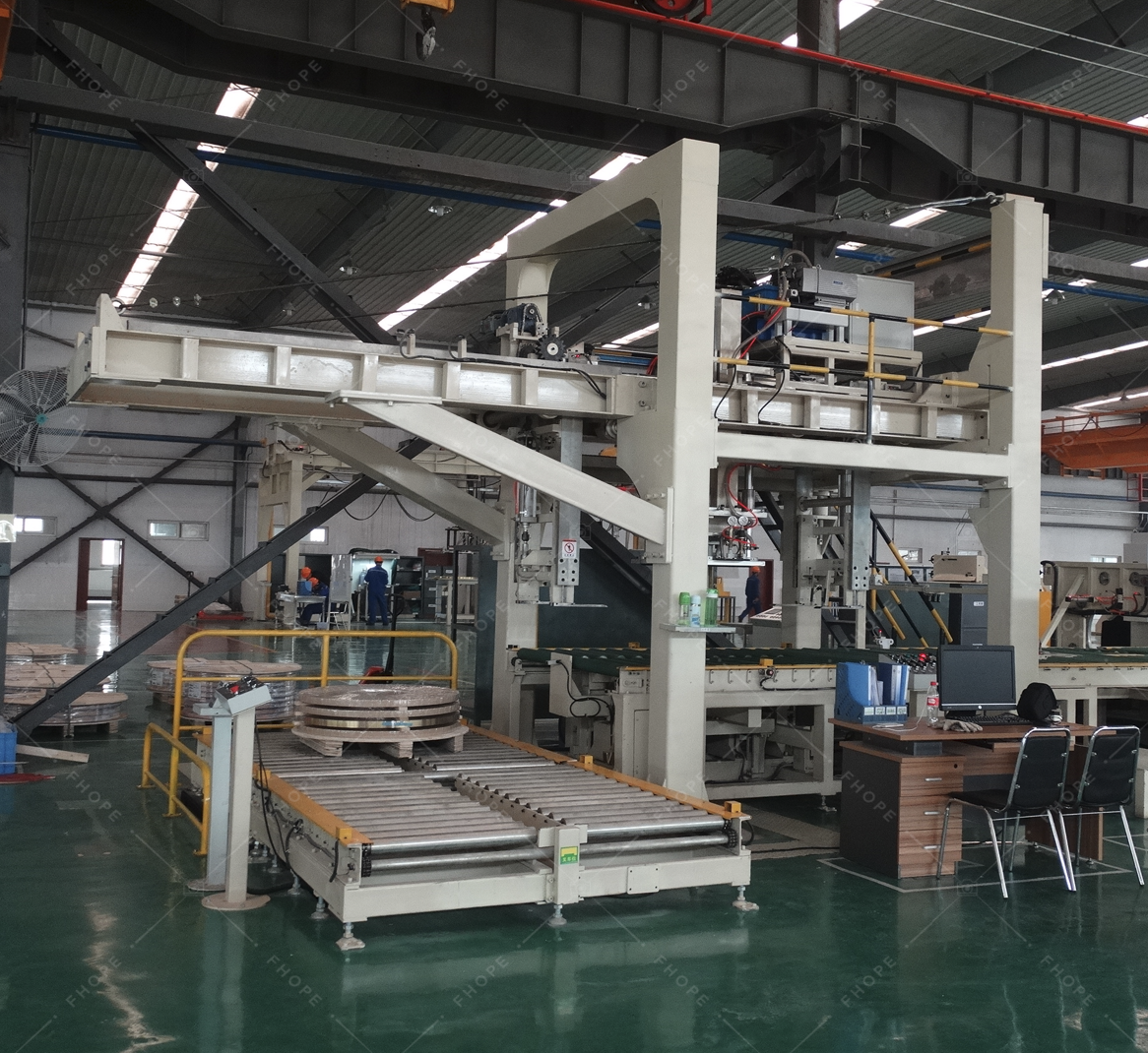
Understanding the Pitfalls
The seemingly low initial cost of traditional floor storage methods is quickly overshadowed by their long-term drawbacks. Pyramid stacking, while maximizing vertical space on the floor, drastically increases safety concerns. The risk of collapse is ever-present, and unchaining coils can lead to dangerous, unpredictable scenarios if a coil slips or is mishandled. This chaotic environment makes accurate inventory management difficult, often resulting in stock discrepancies and inefficient use of materials under a LIFO system. Material damage, such as folding and buckling of coils, is also a common issue, leading to lost revenue and downstream costs in the production cycle. Furthermore, the significant floor space occupied by these methods is often highly valuable and could be better utilized for manufacturing equipment or production processes, directly impacting the overall facility workflow.
Another significant issue, often overlooked, is the material used in traditional blocking. Wood, commonly used for blocks or cradles, is readily available and initially inexpensive. However, its relatively brittle nature means it splinters and breaks over time, especially under the dynamic loads of heavy coils. This necessitates frequent replacement, leading to high life-cycle costs. Moreover, wood absorbs oil from the coils, creating slip hazards and potentially resulting in expensive hazardous material disposal costs depending on local regulations. Maintaining good housekeeping becomes a constant challenge with splintered wood and scattered debris. The vertical forces from stacked coils translate into horizontal forces, causing wooden blocks to slide if not properly designed and secured, or even causing coils to ‘climb’ over inadequate blocks, creating further significant safety hazards.
| Challenge | Traditional Floor Storage | Modern Coil Racking Systems |
|---|---|---|
| Space Utilization | Low density, consumes vast floor space | High density, utilizes vertical space |
| Safety | High risk (collapse, runaway, slip) | Engineered for safety, secure storage |
| Inventory Management | Difficult (LIFO), poor accessibility | Easy (FIFO possible), improved auditing |
| Material Damage | High risk (bending, buckling, impacts) | Reduced risk (individual support) |
| Handling Efficiency | Time-consuming, multiple movements | Streamlined, direct access |
| Housekeeping | Poor, debris (wood splinters, oil) | Clean, organized |
| Material Cost (long term) | High (replacement, disposal, damage) | Lower (durability, less damage) |
Revolutionizing Storage: Modern Steel Coil Racking Solutions
Revolutionizing steel coil storage is essential for manufacturers seeking to escape the limitations of outdated methods. Modern coil racking solutions offer a paradigm shift, transforming cluttered, hazardous spaces into organized, efficient, and safe environments that directly support streamlined production.
Modern coil racking solutions, such as vertical tiered systems or engineered heavy-duty steel racks, revolutionize storage by significantly increasing density and accessibility. These systems replace sprawling floor layouts with compact vertical structures that allow independent access to each coil. This dramatically reduces the storage footprint, frees up valuable manufacturing space, improves inventory control through better visibility and organization, enhances workplace safety by eliminating precarious stacks, and streamlines the production workflow by making materials readily available.


Engineered Solutions for Heavy Loads
Purpose-built coil racking systems are specifically engineered to handle the unique challenges posed by heavy, dense steel coils. Unlike generic pallet racks, these systems utilize robust designs, often employing heavy-duty steel beams, structural braces, and secure cradles or cartridges. Systems like those from LEAN or Dexco are engineered using stringent standards, such as AISC, to ensure they can safely shoulder industrial-sized loads, often supporting master coils weighing up to 80,000 pounds or more at 100% load utilization. This load-bearing capacity is critical for safety and efficiency, allowing manufacturers to store large quantities of material in a compact, vertical footprint.
The design goes beyond mere capacity; it focuses on the secure containment and protection of the coils. Features like customized cradles provide a stable base and seat for coils of various sizes, preventing rolling and deformation. Vertically tiered or stacking designs allow individual coils to be accessed independently using specialized forklift attachments (like booms, probes, or forks), eliminating the need to move multiple coils to retrieve the desired one. This independent access is key to implementing efficient First-In, First-Out (FIFO) inventory systems, reducing handling time, and minimizing the risk of damage caused by excessive movement. Some systems also incorporate features like internal cores or skins to further protect coils from impacts or environmental elements, ensuring material quality is maintained from storage to production.
Modular designs are another significant advantage of modern racking. They allow businesses to start with a system sized for their current needs and expand by adding sections as production volumes increase or storage requirements change. This adaptability offers a rapid return on investment by scaling storage capacity without requiring significant upfront capital expenditure for future needs. Combined with improved safety measures, streamlined inventory management, and enhanced workflow efficiency, transitioning to engineered coil racking systems offers a comprehensive solution for optimizing space and revolutionizing steel coil storage operations.
Key Features and Benefits: Maximizing Space and Safety
Maximizing space utilization and ensuring safety are paramount in industrial environments handling heavy materials like steel coils. Modern coil storage racks are designed with specific features that directly address these critical requirements, offering substantial benefits over traditional methods.
Modern coil storage racks maximize space by leveraging vertical storage and employing high-density configurations, such as tiered cartridge systems or stackable racks. This significantly reduces the floor footprint required for storage, freeing up valuable manufacturing space. Safety is enhanced through engineered structural integrity, secure cradles or compartments for individual coils, elimination of precarious stacking, improved accessibility for handling equipment, and better organization that minimizes risks associated with cluttered workspaces and manual handling.


Features Driving Efficiency and Security
The design principles behind modern coil storage systems focus on delivering tangible operational improvements. Space optimization is achieved through vertical stacking configurations. Systems like LEAN’s vertically tiered cartridge design or SPS Ideal Solutions’ stackable racks allow multiple coils to be stored in the same vertical plane, drastically reducing the horizontal footprint compared to spreading coils across the floor. This space-saving capability directly translates into more usable floor area for production, assembly, or other critical activities. The ability to stack racks or utilize vertical towers means that businesses can significantly increase their storage capacity within the existing facility footprint.
Accessibility is another key benefit. Vertical systems with individual cartridges or designated cradles ensure that any specific coil can be retrieved without disturbing others. This independent access simplifies inventory management, supports FIFO picking methods, and significantly reduces the time and effort required for material retrieval. Workers can quickly locate and access the needed coil, streamlining the link between storage and production lines.
Safety is fundamentally improved with modern racks. Engineered structures built from high-quality steel and designed to AISC standards provide inherent stability and load-bearing capacity, eliminating the risks associated with unstable, floor-stacked pyramids. Coils are securely held in cradles or enclosed within compartments, preventing rolling, tipping, or accidental impacts. The organized layout reduces trip hazards and allows material handling equipment (like forklifts with specialized attachments) to operate more safely and efficiently within defined aisles.
Furthermore, the use of durable materials, such as industrial-grade steel or highly engineered recycled polymers, enhances the longevity and reliability of the storage system. Polymeric systems, as discussed in the reference material, offer resistance to splintering, breaking, and oil absorption, contributing to a cleaner and safer environment with reduced maintenance needs and lower long-term disposal costs.
| Feature | Benefit (Space) | Benefit (Safety) | Benefit (Efficiency) |
|---|---|---|---|
| Vertical/Stackable Design | Maximizes floor space utilization | Eliminates precarious floor stacks | Increases storage density |
| Independent Access | Reduced aisle space needed | Minimizes handling risks | Faster retrieval, supports FIFO |
| Engineered Cradles/Carts | Compact storage of individual coils | Securely holds coils, prevents damage | Streamlined loading/unloading |
| Robust Steel Construction | High load capacity in small area | Structural integrity, prevents collapse | Long lifespan, reduced maintenance |
| Modular Design | Scalable space utilization | Organized layout reduces hazards | Adapts to changing needs |
| Durable Materials (e.g., Polymer) | Less floor contamination | Reduces slip hazards, less debris | Low maintenance, long-term value |
Implementing Your Ideal Coil Storage System
Transitioning to an optimized steel coil storage system requires careful planning to ensure the solution meets your specific operational needs and facility constraints. It’s not just about buying racks; it’s about integrating a system that enhances your overall workflow and safety culture.
Implementing an efficient steel coil storage system involves assessing your current needs (coil sizes, weights, throughput), evaluating available space, and selecting a rack type (vertical, stackable, portable) engineered for your loads and material handling equipment. Collaboration with a trusted provider ensures a customized layout that optimizes density, improves accessibility for inventory management and picking, enhances safety, and streamlines the production workflow.


Selecting the right system starts with a thorough internal assessment. Understand the dimensions, weights, and types of coils you handle (e.g., slit coils, master coils, trim coils) and how they need to be stored (flat, upright, etc.). Evaluate your current facility layout, available height, and the type of material handling equipment you use (forklifts with various attachments). Consider your current inventory management practices and identify bottlenecks or safety concerns with your existing storage. This initial planning phase is crucial for defining project goals and requirements.
Once your needs are clear, research and engage with providers specializing in industrial coil storage solutions. Look for companies with a track record in engineering heavy-duty systems and offering customizable options. Providers like Dexco or LEAN can work with you to analyze your process, recommend tailored solutions, and design a system optimized for your facility’s layout and workflow. They can help determine the appropriate rack configuration (e.g., vertical tower racks, stackable portable racks, cantilever systems), required load capacities, aisle widths, and integration with your existing equipment.
The installation process should be managed carefully to ensure the system is built to specification and safely integrated into your workspace. Training employees on how to properly use the new storage system and handling equipment is also essential for maximizing efficiency and maintaining safety. Continuous review and maintenance of the system will ensure its long-term performance and safety. By investing time in careful planning and partnering with experts, businesses can successfully implement coil rack storage solutions that deliver a rapid return on investment through improved space utilization, enhanced safety, streamlined operations, and reduced material damage.
Conclusion
Optimizing steel coil storage is vital for modern manufacturing and distribution. Moving beyond outdated floor stacking to engineered racking systems maximizes valuable space, significantly improves safety, streamlines inventory management, and boosts operational efficiency. Implementing tailored solutions tailored to specific needs ensures long-term cost savings and a safer, more productive work environment. Investing in efficient coil stacking practices through purpose-built racking systems is a strategic decision that pays dividends across the entire supply chain, complementing optimized processes like a modern coil packing line.












