
Are Your Coil Wrapping Machines Tough Enough for Demanding Steel Operations?
Is your factory struggling with slow packing lines? Are your workers facing risks from heavy lifting? Do damaged products eat into your profits? Many factory managers, for example Michael Chen in Mexico, deal with these exact issues. They know that old packing methods cause problems. They see the dangers to their team. They also feel the pinch of every damaged coil. This is a common story in heavy industries, especially in steel processing.
These problems are not small issues. They impact your profit. They put your team at risk every day. They slow down your entire production. This includes everything from raw materials coming in to finished goods going out. You need solutions that work. You do not just need promises. You need equipment that can handle the real stress of a busy factory. You also need a partner who understands your challenges deeply.
What if you could find packing machines built for the toughest conditions? What if you could increase your output, keep your workers safer, and reduce product loss significantly? The answer lies in durable and reliable coil wrapping machines. These machines are engineered to stand up to the most rigorous demands. This includes those seen in high-volume steel mills.
Yes, your coil wrapping machines can be tough enough for any demanding steel operation. Modern coil wrapping machines offer the durability and reliability needed for heavy industrial use. They are designed to operate continuously under high stress. This is common in steel mills around the world. For example, conditions in major Korean steel plants set a high bar for machinery performance. These factories require equipment that handles massive volumes and heavy loads without fail. Our machines are built to meet or exceed such demanding environments. They ensure your operations stay smooth, safe, and profitable.
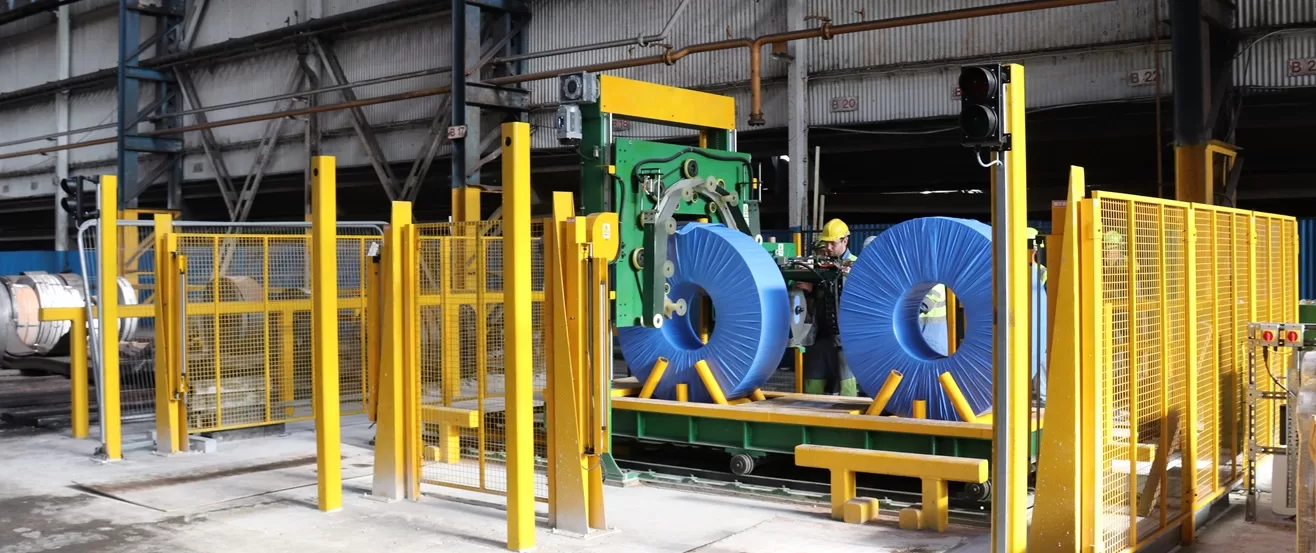
You might wonder how these machines truly deliver on such bold claims. How do they tackle the exact challenges you face daily? Let us explore the real impact of investing in the right coil wrapping technology. I will share insights from my journey in the packing machine industry. These insights come from seeing factories transform. We will look at how the right equipment can change your entire operation.
Why is Manual Coil Packing Holding Back Your Output?
Do you still rely on manual labor for packing steel coils and wires? This old method creates a serious bottleneck. It slows down your entire production line. It directly affects how quickly you can get products to your customers. Many factories see their packing area as the choke point. They cannot speed up output if packing is too slow.
This constant slow pace means lost chances. It delays shipments. It frustrates your sales team and your customers. Every minute of inefficiency in packing costs you money. You are missing out on higher production numbers. This old way holds back your entire business growth. It prevents you from reaching your full capacity.
The solution is clear: automation. Shifting from manual to automated coil wrapping greatly boosts your efficiency. It removes bottlenecks. It allows your entire factory to run faster and smoother. Investing in the right machines can unlock your true production potential.
Manual coil packing holds back output because it is slow and inconsistent. Human workers cannot match the speed or precision of automated machines. This is especially true with heavy, bulky items like steel coils. Automation means continuous operation, higher throughput, and predictable packing times. This directly speeds up your production line. Machines work without breaks. They perform the same task perfectly every time. This consistency improves overall factory flow.

From my experience, watching factories grow, the transition from manual to automated packing is often the biggest leap in efficiency. I started on the factory floor myself. I saw firsthand how much time and effort went into manual packing. It was not only slow. It was also incredibly inconsistent. Some days were better than others. This kind of variability makes planning hard. It makes meeting tight deadlines even harder.
Think about a busy steel mill. Coils come off the production line hot and fast. If the packing cannot keep up, the entire line has to slow down. This is called a bottleneck. It is like trying to pour water through a straw. You can make more water, but you cannot get it out faster. Automated coil wrapping machines remove this straw. They are built for speed and continuous operation. They can handle the volume.
Let us look at the specific impacts of manual packing versus automation.
Manual Packing Limitations:
- Speed: Workers get tired. They need breaks. Their speed varies. Machines do not tire. They run at a consistent, high speed for hours.
- Consistency: Humans can make errors. They might wrap one coil perfectly and another loosely. This affects quality and appearance. Machines deliver the same wrap quality every time. This protects your product better. It also makes your product look more professional.
- Labor Costs: Manual packing needs many hands. These are ongoing labor costs. Automation is an upfront investment. But it greatly reduces long-term labor expenses for this specific task. You can reassign workers to other important areas.
- Scale: If you want to double your output, you need to double your manual packers. This is expensive and hard to manage. With automation, you might only need one or two more machines. It scales much more efficiently.
Automation’s Impact on Output:
- Throughput Increase: Machines can pack coils much faster. This means more finished products leave your factory every hour. You can meet larger orders. You can shorten lead times for customers.
- Reduced Downtime: Modern machines are reliable. They have fewer unplanned stops compared to manual processes. Each stop in production means lost money. Reliable machines keep things moving.
- Optimized Flow: When packing is automated, it becomes a predictable part of your line. Other parts of the factory can synchronize with it. This creates a smoother, more efficient overall workflow. It removes guesswork.
- Resource Allocation: Instead of paying for packing labor, you can use your workforce for more skilled tasks. This increases overall productivity. It makes your team more valuable.
I remember one client who was constantly missing shipping deadlines. Their steel coil production was high. But their manual packing department was always swamped. We introduced an automatic coil wrapping line. Within months, they saw a 30% increase in outgoing shipments. They could take on more orders. Their customers were happier. It was a game changer for them. This is the power of smart automation. It turns a bottleneck into a strong link in your supply chain. This is not only about a machine. It is about transforming your entire operation.
How Can You Protect Your Workers from Heavy Lifting Dangers?
Are your employees manually handling heavy steel coils or wire rolls? This practice is very dangerous. It leads to severe injuries. Workers can strain their backs. They can suffer crushed limbs. These incidents are not rare in heavy industry. They happen too often. Factories face high insurance costs and employee turnover because of these risks.
These safety hazards create a stressful work environment. Employees fear injury. This affects morale and productivity. Every accident means lost workdays. It means medical bills. It can even lead to lawsuits. Besides the human cost, there is a financial drain. Your insurance premiums go up. You lose experienced staff. This cycle hurts everyone involved.
There is a way to greatly reduce these risks. Automated packing and handling equipment minimizes the need for manual heavy lifting. These machines are designed to manage large, heavy items safely. They protect your most valuable asset: your workers.
You can protect your workers from heavy lifting dangers by investing in automated handling and packing solutions. These machines eliminate the need for employees to manually lift, move, or rotate heavy coils and wires. Automated systems use strong mechanics to manage these tasks. This removes the direct risk of sprains, strains, and crush injuries. It creates a much safer workplace. This also leads to lower worker’s compensation claims and higher employee retention rates.
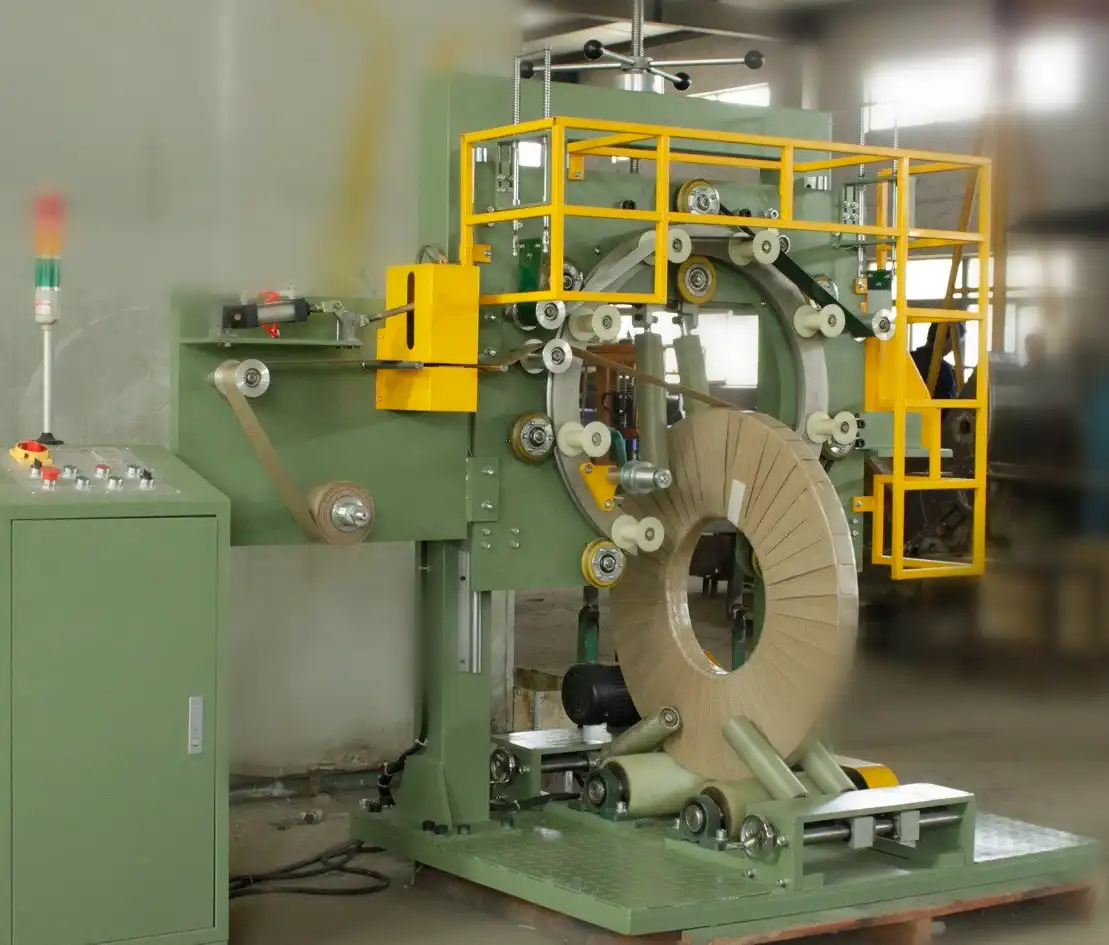
Safety is not only a buzzword in a factory. It is a critical part of operations. I have seen too many injuries in my years in this industry. A severe injury can change a person’s life forever. It also severely impacts a company. When I started FHOPEPACK, one of my core principles was to build machines that not only performed well but also made workplaces safer. This is not only about following rules. It is about caring for the people who make your business run.
Manual handling of steel coils is one of the most hazardous tasks in a steel factory. A single coil can weigh thousands of pounds. Trying to move or flip it by hand is an accident waiting to happen. Even with proper training, human error or fatigue can lead to disaster. Michael Chen’s concern about high injury rates is valid. These injuries are costly. They are also preventable.
Let us break down how automated systems contribute to worker safety.
Risks of Manual Coil Handling:
- Musculoskeletal Injuries: Back strains, shoulder injuries, and repetitive motion injuries are common. Workers lift and twist in unnatural ways.
- Crush Injuries: Heavy coils can shift or fall. This can lead to severe crush injuries to limbs or even fatalities.
- Fatigue: Long manual labor causes fatigue. This increases the likelihood of accidents. Tired workers are less alert.
- Falling Objects: Improper stacking or securing during manual processes can lead to coils falling. This endangers anyone nearby.
How Automation Improves Safety:
- Eliminates Direct Contact: Workers no longer need to physically touch or manipulate heavy coils. The machine does the heavy lifting. This greatly reduces direct injury risk.
- Controlled Movement: Automated systems move coils in a controlled, predictable manner. There are no sudden drops or uncontrolled shifts. This reduces the risk of objects falling or striking workers.
- Reduced Strain: Even supervising the process involves less physical strain. Workers can focus on monitoring and quality control. This improves overall health and well-being.
- Ergonomic Design: Modern machines are designed with comfort in mind. They place controls and access points at comfortable heights. This further reduces strain for operators.
- Predictable Processes: Automation brings predictability. You know exactly how coils will be handled. This makes it easier to establish safe zones and clear pathways for workers.
I remember one factory manager telling me about their “near misses” every week. His team was constantly worried. After they installed automated coil handling, the near misses dropped to almost zero. His team’s morale went up. They felt safer. They could focus on their jobs without constant fear. This change in atmosphere was priceless. It showed me that our machines do more than only pack. They protect. They build trust. That is a huge part of what a good partner does.
Are Damaged Coils Costing Your Business Too Much?
Is your factory frequently dealing with product damage during internal transfer or packing? Things like steel coil edges getting dented or scratched? These small damages lead to big problems. They result in customer complaints. They mean rejected shipments. They directly eat into your profit margins.
Every damaged coil is a financial loss. You have already invested time, materials, and labor into that product. Then, just before it leaves your door, it gets damaged. This is very frustrating. It hurts your reputation with clients. It forces you to spend more time and money on rework or replacements. This loss can quietly drain your business.
Automated packing and handling systems are designed to minimize product damage. They provide gentle, precise handling of sensitive materials like steel coils. Investing in these systems protects your product quality. It safeguards your profits.
Yes, damaged coils are costing your business too much. Inconsistent manual handling and inadequate packaging are major causes of product loss. Automated systems minimize this by offering precise, controlled handling. They apply consistent, protective wrapping. This reduces scuffs, dents, and other defects during transfer and shipment. The result is higher quality products reaching your customers, fewer complaints, and better profit retention for your factory.
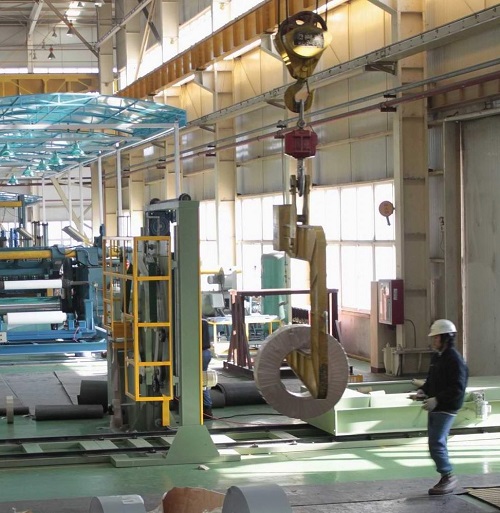
Product integrity is everything in the steel industry. A coil might be perfectly manufactured, but if it arrives at the customer’s site with a dented edge or a torn wrap, it is a problem. These damages are not only cosmetic. They can affect the usability of the steel for the customer. I have seen clients lose big contracts because of consistent quality issues in packing. Michael Chen’s concern about product loss is correct. This is a silent killer for profits.
When coils are moved by hand, or with old, worn-out equipment, they are vulnerable. They can be dropped. They can bump into things. The wrapping might be loose or uneven. This exposes the valuable steel to damage. Our coil wrapping machines are built to prevent this. They offer a level of precision and protection that manual methods simply cannot match. They are designed to secure the product fully.
Let us look at how automated systems prevent product loss.
Sources of Product Damage in Manual/Old Processes:
- Rough Handling: Human error during lifting, turning, or stacking can cause dents and scratches. Lack of proper handling equipment increases this risk.
- Inconsistent Wrapping: Manual wrapping can be uneven. Some parts of the coil might be exposed. This makes it vulnerable to moisture, dust, or physical impact.
- Ineffective Securing: If a coil is not properly secured, it can shift during transport. This leads to internal damage or damage to other products.
- Environmental Exposure: Poor wrapping means the product is open to rust and corrosion if exposed to the elements during storage or transit.
How Automation Prevents Damage:
- Precision Handling: Automated machines use clamps, rollers, and conveyors designed specifically for coils. They move products smoothly and precisely. There are no sudden impacts or drops.
- Consistent Wrapping Quality: Our machines apply tension and overlap uniformly. This creates a tight, consistent protective layer around the entire coil. This barrier shields against physical damage and environmental factors.
- Customizable Protection: Machines can apply various wrapping materials. These include stretch film, VCI paper, or woven fabric. This offers tailored protection based on the coil’s needs and shipping conditions.
- Reduced Human Interference: Fewer human touchpoints mean fewer chances for accidental damage. The machine handles the coil from start to finish.
- Improved Stacking and Storage: Properly wrapped and secured coils are easier and safer to stack. This prevents damage during storage in your warehouse.
I recall a client who specialized in high-grade stainless steel coils. They had a zero-tolerance policy for surface defects. But they kept getting complaints about minor scuffs. We found that most damage happened during the transfer from their production line to the packing area. We installed an integrated handling and wrapping system. The result? Customer complaints about damage dropped by 90%. Their reputation grew greatly. This proved that quality extends all the way to how you pack your product. It is about delivering perfection, not only manufacturing it. This is why investing in the right equipment protects your product and your profit.
Where Can You Find a Reliable Partner for Your Packing Needs?
Have you ever worked with equipment suppliers who only care about making a sale? They promise everything before you buy. But after-sales service is nowhere to be found. This leaves you stranded when issues arise. Many factory managers, like Michael Chen, have faced this supplier trust crisis. They are careful about new partners. They do not want to repeat bad experiences.
This lack of reliable support is a huge problem. When a machine breaks down, your entire line stops. If your supplier does not respond, every minute of downtime costs you money. It frustrates your team. It undermines your investment. You need more than only a machine. You need consistent, trustworthy support. You need someone who truly understands your industry challenges.
The answer lies in finding a partner who offers deep industry knowledge and strong after-sales support. Look for someone who has walked in your shoes. Look for a company built on real-world experience. You need a partner who sees your success as their own.
You can find a reliable partner for your packing needs by choosing a company with proven industry experience and a strong commitment to service. This means more than only selling machines. It means understanding your production bottlenecks, safety concerns, and efficiency goals. A true partner offers expert insights and dependable solutions, not only products. They prioritize long-term relationships and support. This helps you ensure your equipment investment genuinely solves problems and drives business growth.

Finding the right equipment is only half the battle. Finding the right partner for that equipment is the other, equally crucial half. I built FHOPEPACK because I saw a gap in the market. Many suppliers sold machines but offered little real support. I started as an employee. Then I built my own successful factory. This journey taught me what factory managers truly need. They need someone who understands their pain points. They need someone who can offer solutions, not only products.
A machine is an investment. It is not only a purchase. You want that investment to pay off. This means the machine must work reliably. If it stops, you need fast, effective help. Michael Chen’s past bad experiences are common. They show a critical need for trust and partnership.
Let us explore what a true partner brings to the table.
Qualities of a Reliable Equipment Partner:
- Deep Industry Knowledge: They understand your specific challenges. They know about production bottlenecks, safety regulations, and quality demands in your sector. They can speak your language.
- Proven Experience: Look for a track record. Has the supplier helped other businesses like yours? Do they have real-world success stories? My own journey from employee to factory owner gives me a unique perspective. I have been in your shoes.
- Strong After-Sales Support: This is necessary. A good partner provides technical assistance, spare parts, and maintenance services quickly. They do not disappear after the sale. This minimizes your downtime.
- Solution-Oriented Approach: They do not only push a product. They listen to your problems. They then recommend the best solution, even if it is not their most expensive machine. They focus on your return on investment (ROI).
- Commitment to Relationship: A partner cares about your long-term success. They are there for future upgrades, training, and ongoing consultation. They are invested in your growth.
I have seen firsthand how much a reliable partner can impact a business. When I first started my own factory, I faced many challenges. I learned the hard way that not all suppliers are equal. This is why FHOPEPACK focuses on being a knowledge-sharing platform. We want to empower others. We want to share what we have learned. We want to make sure you do not make the same mistakes I saw others make.
One of our clients was hesitant to upgrade their old packing line. They had been burned by a previous supplier who installed a machine that never worked right. We spent weeks understanding their specific factory layout. We analyzed their current workflow. We did not only sell them a machine. We designed a complete solution. We provided training and continuous support. Today, that factory is a leader in its region. Their success is our success. This is what true partnership looks like. It is about building trust. It is about shared growth. It is about making sure your investment is truly worth it.
Conclusion
Investing in durable coil wrapping machines boosts output, enhances safety, and protects profits. Partner with an expert like FHOPEPACK to truly transform your operations.








