
Driving Industrial Growth | FHOPE’s Pallet Changing Machine Supports India’s Move Toward Smart Manufacturing
India’s industrial sector is growing fast. This creates amazing opportunities for businesses to expand. However, many companies struggle with old logistics methods. Are you finding your supply chain slowed down by manual work and inefficient processes? This can hold back your potential for true industrial growth.
FHOPEPACK’s pallet changing machines are at the forefront of helping India’s manufacturing sector embrace smart manufacturing principles by automating critical logistics functions, thus boosting efficiency, safety, and operational scalability across the nation’s rapidly expanding industries.
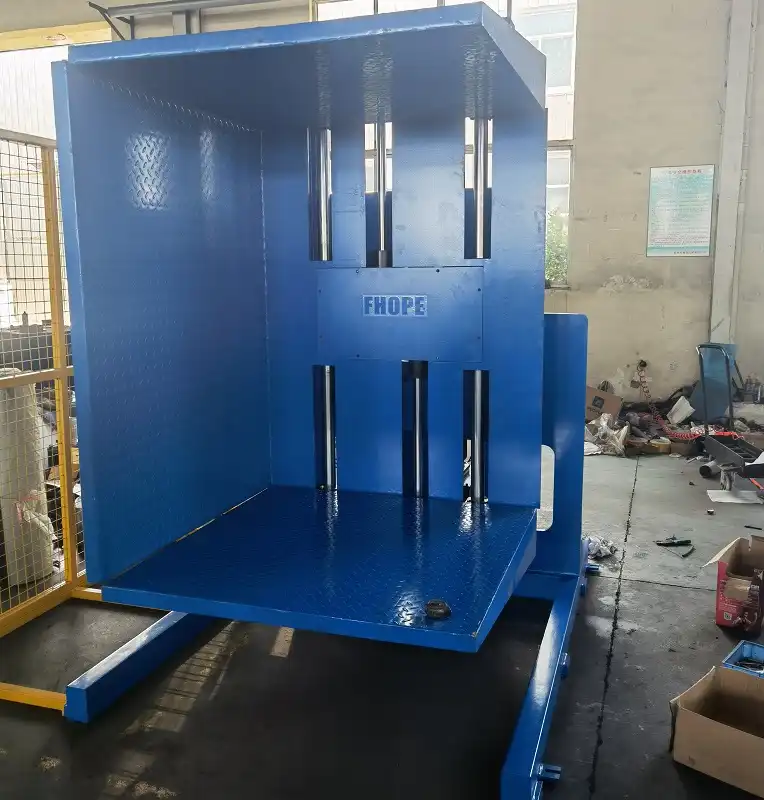
I have seen firsthand how the right equipment can change a business. From my early days as an engineer to running my own factory, I learned that innovation in packing and handling is key. This article will explore how pallet changing machines can be a game-changer for India. We will dive into what smart manufacturing means and how FHOPEPACK solutions help businesses achieve their goals.
What Does Smart Manufacturing Mean for India’s Industrial Future?
India is on a clear path to become a global manufacturing powerhouse. To reach this goal, smart manufacturing is essential. But what does this concept truly mean for industries across India? Is it just a buzzword, or a real strategy for growth?
Smart manufacturing for India means integrating advanced digital technologies like automation, the Internet of Things (IoT), and artificial intelligence (AI) into production and logistics processes to create highly efficient, adaptable, and data-driven operational environments.
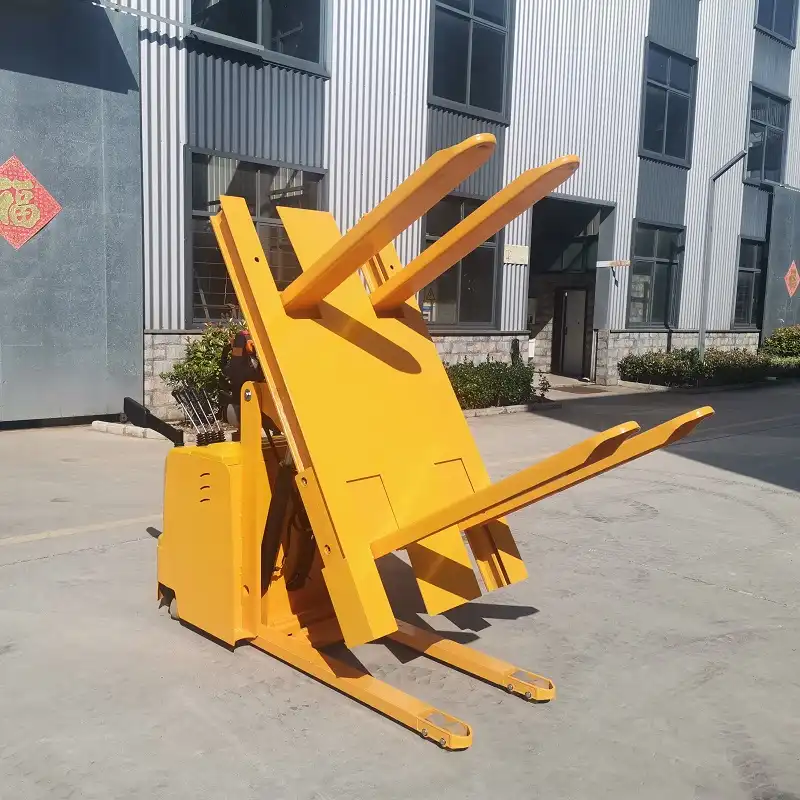
From my experience, smart manufacturing is not just about having new machines. It is about how those machines connect, share data, and optimize entire workflows. For India, this transformation is crucial. It helps businesses compete globally. It also improves product quality and speeds up delivery times. This shift involves several core pillars. Each pillar works together to build a more intelligent industrial ecosystem.
- Automation: This involves machines performing tasks with minimal human intervention. For example, robots on assembly lines or automated pallet changers in warehouses. Automation boosts speed and reduces errors. It ensures consistency in production processes. This leads to higher output with fewer resources.
- Internet of Things (IoT): IoT connects devices and sensors across the factory floor and warehouse. These devices collect real-time data. This data provides insights into equipment performance, inventory levels, and operational bottlenecks. Managers can make faster, better decisions. They can predict maintenance needs before breakdowns occur. This prevents costly downtime.
- Artificial Intelligence (AI) and Data Analytics: AI analyzes the vast amounts of data collected by IoT devices. It finds patterns and helps optimize processes. For instance, AI can predict demand fluctuations. It can optimize inventory placement. This reduces waste and improves forecasting accuracy. Data analytics helps businesses understand their operations at a deeper level.
- Cloud Computing: Cloud platforms store and process industrial data. They provide scalable computing resources. This allows companies to manage large datasets and run complex analyses without heavy local IT infrastructure. It supports remote monitoring and control of operations, essential for distributed supply chains.
- Cybersecurity: As more systems connect, protecting data becomes vital. Smart manufacturing relies on secure networks. This keeps intellectual property and operational data safe from threats. Robust cybersecurity measures ensure the integrity and reliability of automated systems.
These technologies allow Indian companies to achieve higher operational efficiency. They also improve flexibility to adapt to market changes. This makes India’s manufacturing sector more resilient and competitive globally. It moves away from traditional, labor-intensive methods toward a future of innovation and growth (smart factory concepts, digital transformation).
Why Are Traditional Pallet Handling Methods Holding Back Indian Logistics?
Many warehouses in India still use old ways for pallet handling. They rely heavily on manual labor. This might seem cost-effective at first glance. However, these traditional methods create many problems. Are these outdated processes slowing down your logistics operations and increasing risks?
Traditional pallet handling methods, which often depend on manual labor and basic equipment, create significant inefficiencies, safety hazards for workers, and severe bottlenecks in the logistics chain, ultimately hindering the speed and cost-effectiveness required by India’s rapidly expanding industries.
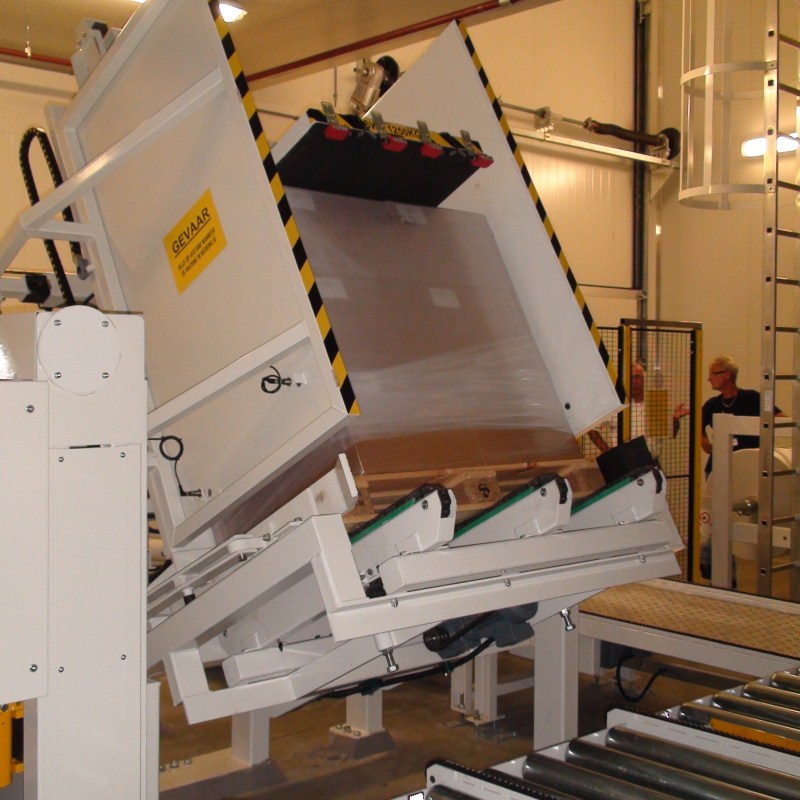
I have witnessed the challenges businesses face when they stick to old methods. Manual pallet handling, for example, is a prime example of this. It often involves workers physically moving, stacking, or transferring goods between different pallet types. This method brings a host of issues that modern logistics cannot afford.
- Low Efficiency and Speed: Manual operations are inherently slower than automated ones. Workers can only move so many pallets per hour. This creates bottlenecks, especially in high-volume warehouses. Delays in pallet transfer mean delays in shipping. This directly impacts delivery times and customer satisfaction. It also slows down the entire supply chain flow.
- Labor Dependency and Shortages: Relying on manual labor makes businesses vulnerable to labor availability. In many regions, there are labor shortages. Also, younger workers often do not want to do strenuous, repetitive tasks. This leads to increased labor costs and difficulty in staffing warehouses. My own journey showed me how critical it is to manage labor effectively.
- Significant Safety Risks: Manual pallet handling is dangerous. Workers might suffer injuries from lifting heavy loads or from falling goods. Incidents like goods tipping over or workers getting crushed are unfortunately common. This leads to medical costs, lost workdays, and higher insurance premiums. A safe workplace is a productive workplace, something I always championed.
- Product Damage and Quality Issues: Manual handling increases the risk of damaging products. Items can drop or get improperly stacked during transfer. This results in waste, returns, and customer complaints. Maintaining product integrity throughout the logistics process is crucial for brand reputation.
- Inflexibility with Pallet Specifications: International trade often requires switching between different pallet standards, like Euro pallets and US pallets, or between wooden and plastic pallets. Manual switching is slow and prone to errors. This inflexibility can cause delays at borders or during distribution. It affects compliance with different country regulations.
- High Operational Costs: Beyond labor, traditional methods incur costs from product damage, safety incidents, and the overall inefficiency. The hidden costs of slow turnover and missed deadlines add up quickly. These often outweigh any perceived savings from not investing in automation.
These problems clearly show that traditional methods are no longer suitable for India’s industrial growth ambitions. Businesses need modern solutions to overcome these barriers (logistics inefficiencies, warehouse hazards).
How Do Pallet Changing Machines Drive Efficiency in Modern Warehouses?
The challenges of traditional pallet handling are significant. The solution lies in embracing automation. But how exactly do pallet changing machines revolutionize warehouse efficiency and solve these critical problems? What is their role in a truly smart warehouse?
Pallet changing machines are essential tools for modern warehouses, as they automate the transfer of goods between various pallet types, drastically improving operational speed, reducing manual labor requirements, enhancing space utilization, and streamlining the entire material handling process.
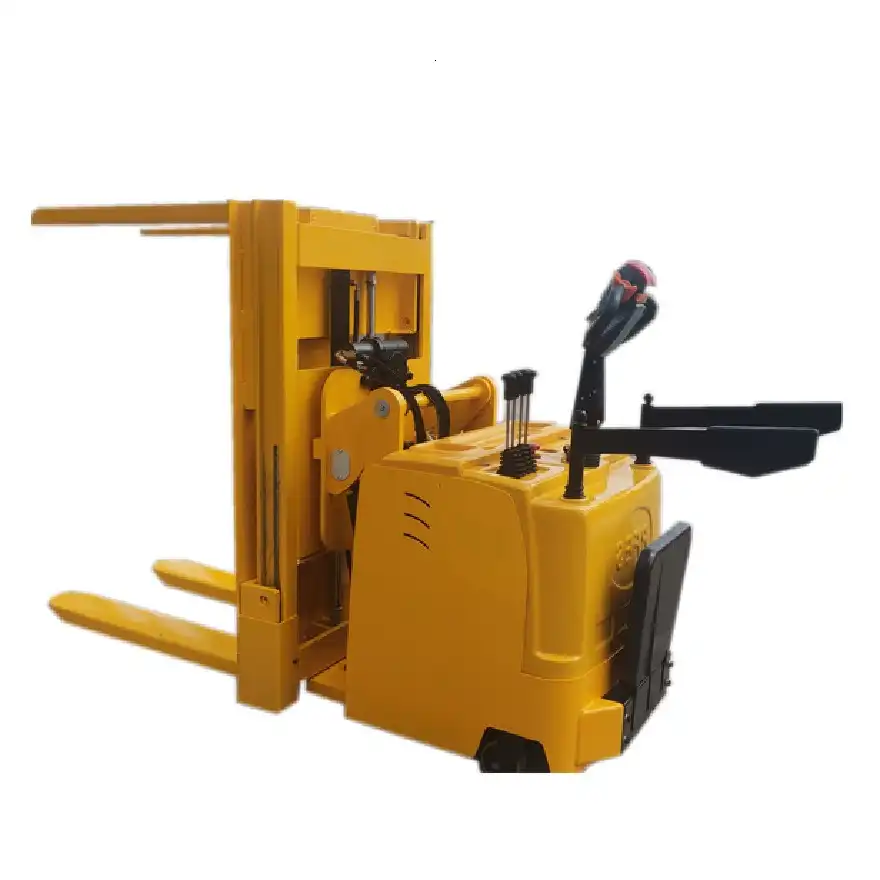
I have seen how the right machine can transform an operation. Pallet changing machines are a perfect example of this. They are specialized pieces of equipment designed to transfer goods from one pallet to another. This can be for many reasons, like changing from a damaged pallet to a new one, or switching to a different pallet size for shipping to another country. They offer several key benefits that directly impact efficiency.
- Rapid Pallet Swapping: These machines perform pallet changes much faster than manual methods. They can handle many pallets per hour. This drastically cuts down the time spent on this critical task. For example, a machine can swap pallets in minutes, compared to manual processes that might take much longer and require several workers. This speed directly translates to higher throughput and quicker dispatch times.
- Adaptability to Diverse Pallet Types: Modern logistics demands flexibility. Pallet changing machines can accommodate various pallet materials (wood, plastic) and dimensions (Euro, US, custom sizes). This is vital for businesses involved in international trade where different standards apply. The ability to switch seamlessly avoids delays and ensures compliance.
- Reduced Labor Dependence: By automating the pallet transfer process, these machines significantly reduce the need for manual labor. This addresses the challenge of labor shortages and rising labor costs. Workers can then be redeployed to more value-added tasks. This makes the workforce more productive overall.
- Improved Space Utilization: Some pallet changers can also help with stacking and destacking. This optimizes vertical storage. By ensuring uniform pallet loads and efficient handling, warehouses can make better use of their available space. This is especially important in high-density storage environments.
- Streamlined Workflow and Integration: Pallet changing machines integrate smoothly into existing automated warehouse systems. They act as a critical link between different stages of the supply chain. For instance, they can connect inbound receiving with outbound shipping. This creates a continuous and efficient flow of goods. This automation removes bottlenecks and speeds up overall logistics.
- Enhanced Operational Control: With automated systems, there is better control over the pallet changing process. Operators can monitor performance and adjust settings. This ensures consistent quality and reduces errors. The predictability of machine operations helps in better planning and scheduling.
These machines are not just about moving pallets. They are about creating a more dynamic, responsive, and efficient logistics operation. They are a core component of any smart manufacturing strategy (automated logistics, material flow optimization).
What Makes FHOPE’s Pallet Changers the Right Choice for Indian Industries?
With many pallet changing solutions available, choosing the right supplier is a big decision. Indian businesses need equipment that is reliable, adaptable, and supported by expertise. So, what makes FHOPEPACK’s pallet changers the preferred choice for India’s evolving industrial landscape?
FHOPEPACK’s pallet changing machines stand out for Indian industries due to their robust construction, adaptability to diverse operational needs, advanced safety features, and the deep industry knowledge and dedicated support that comes from my own journey in the packing machine sector.

My journey in the packing machine industry, from an employee to a factory owner, taught me the true value of well-engineered machinery. It is about understanding the customer’s pain points and providing real solutions. This is the foundation of FHOPEPACK. We apply this philosophy to our pallet changing machines, making them highly suitable for Indian industries.
- Unwavering Reliability and Durability: Indian industrial environments can be tough. Our machines are built to last. We use high-quality materials and robust designs. This ensures long-term, stable operation even under high-intensity usage. This means less downtime for maintenance and more consistent performance for your business. Reliability is something I prioritized in my own factory.
- Versatility for Diverse Pallet Specifications: Many Indian businesses deal with various pallet types for different products or export markets. FHOPEPACK’s machines are designed to handle this complexity. Whether it is Euro pallets, US pallets, plastic, or wooden, our systems offer the flexibility needed. This ensures seamless transitions and prevents compatibility issues in your supply chain.
- Advanced Automation and User-Friendly Controls: Our pallet changers incorporate the latest automation technology. They are easy to operate. This reduces the learning curve for staff. We focus on intuitive interfaces that allow for efficient operation. This contributes to smooth integration into existing warehouse systems.
- Commitment to Safety Standards: Safety is paramount in our designs. Our machines come with features that protect operators and products. These include safety sensors, interlocks, and emergency stop functions. We aim to exceed industry safety standards. This creates a safer working environment. It also reduces risks for your team, which I know is a major concern for logistics managers.
- Tailored Solutions and Expert Support: Every business has unique needs. FHOPEPACK does not just sell machines; we offer solutions. Our team works with clients to understand their specific requirements. We provide customized configurations and ongoing technical support. My background means I understand the operational challenges. This allows us to provide practical and effective advice.
- Proven Performance and Customer Satisfaction: Our track record speaks for itself. Many clients have used our machines to improve their operations and achieve financial independence. We are proud of the success stories that our equipment has helped create. This reflects our commitment to delivering tangible results for businesses.
While there are other providers like SHJLPACK, FHOPEPACK’s deep understanding of operational challenges and our focus on long-term partnership make us a standout choice. We believe in providing solutions that genuinely contribute to your business growth, not just selling a piece of equipment (industrial automation, reliable machinery).
How Do These Machines Ensure Safety and Operational Excellence?
Beyond just improving speed, safety remains a top concern in any industrial setting. Manual handling risks are well-known. So, how do modern pallet changing machines not only boost efficiency but also significantly elevate safety standards and drive operational excellence?
Automated pallet changing systems are critical for workplace safety by eliminating hazardous manual handling, drastically reducing the risk of injuries and product damage, while simultaneously promoting consistent, error-free operations that lead to overall operational excellence.
From my years in the industry, I have seen the human and financial costs of workplace accidents. This is why safety is built into the core of FHOPEPACK’s designs. Our pallet changing machines are engineered to protect both personnel and products. This proactive approach to safety directly leads to operational excellence.
- Elimination of Manual Handling Risks: The primary safety benefit is removing the need for workers to manually lift, tilt, or carry heavy loads. This instantly reduces the risk of muscle strains, back injuries, and other ergonomic issues. Machines handle the weight, which keeps your team safe from physical stress.
- Controlled and Enclosed Operations: Most pallet changing machines operate within controlled environments. They often have safety barriers, light curtains, or enclosures. These prevent unauthorized access during operation. This minimizes the chance of accidents from moving parts. Operators can supervise from a safe distance.
- Product Stability and Damage Prevention: Automated systems ensure goods are handled with precision. This prevents tipping, dropping, or improper stacking of products. Reducing damage not only saves costs but also enhances product quality upon delivery. This contributes to better customer satisfaction.
- Reduced Human Error: Humans make mistakes. Machines follow programmed instructions. This reduces errors in pallet transfer. Consistent operations mean fewer reworks and less waste. This is a key aspect of operational excellence, as it maintains high standards.
- Compliance with Safety Regulations: Modern pallet changers are designed to meet or exceed international safety standards. This helps businesses comply with local regulations. It avoids penalties and builds a reputation as a responsible employer. This is a crucial factor for sustainable business growth.
- Improved Workplace Environment: A safer workplace boosts morale. Employees feel valued and protected. This leads to higher productivity and lower staff turnover. It creates a positive work culture. This culture promotes carefulness and efficiency throughout the entire operation.
By integrating these machines, businesses achieve a dual benefit. They protect their most valuable assets—their people and their products. At the same time, they elevate their operational standards to a level of consistent excellence (industrial safety, process optimization).
What’s the Next Step for India’s Smart Warehouses?
The benefits of smart manufacturing and automated pallet changing are clear. The path forward for India’s industrial growth is paved with innovation. But what is the most effective next step for Indian businesses looking to transform their warehouses and logistics? How can they best leverage these technologies?
To fully embrace smart manufacturing, Indian warehouses should prioritize strategic investments in proven automation technologies like pallet changing machines, focusing on solutions that offer scalability, long-term operational benefits, and come from a trusted partner who understands their unique challenges.
From my perspective, the next step involves careful planning and strategic partnership. It is not just about buying a machine. It is about investing in a solution that fits your specific needs and grows with your business. Here are key considerations for Indian businesses ready to advance their smart warehouse journey.
- Assess Your Current Operations: Start by thoroughly evaluating your existing pallet handling processes. Identify specific bottlenecks, safety risks, and areas of high labor cost. Understand the types of pallets you handle, the volume, and your growth projections. This detailed assessment will guide your investment decisions.
- Define Clear Automation Goals: What do you want to achieve with automation? Is it faster throughput, reduced labor, improved safety, or better compliance for exports? Setting clear, measurable goals will help you choose the right technology. It will also allow you to track your return on investment.
- Explore Scalable and Flexible Solutions: Look for pallet changing machines that can adapt to future changes in your business. This includes handling new pallet types or increased volumes. Scalability ensures your investment continues to deliver value as your business grows. Flexibility is key in a dynamic market like India.
- Prioritize Long-Term Partnerships: Do not just look for a vendor; seek a partner. A good partner, like FHOPEPACK, offers more than just equipment. They provide expert consultation, installation support, and reliable after-sales service. My own journey showed me the importance of building trust and supporting clients over the long haul. This ensures your investment is protected and optimized.
- Focus on Integration Potential: Consider how new pallet changing systems will integrate with your existing warehouse management systems (WMS) or enterprise resource planning (ERP) software. Seamless integration maximizes efficiency and data flow across your entire operation. This is a cornerstone of smart manufacturing.
- Start with a Pilot Project: If you are unsure, consider starting with a pilot project in one area of your warehouse. This allows you to test the technology and measure its impact before a full-scale rollout. This approach minimizes risk and provides valuable learning (warehouse automation strategy, logistics technology adoption).
Conclusion
India’s industrial growth demands smart solutions. FHOPEPACK’s pallet changing machines offer a clear path to achieve this. They boost efficiency, enhance safety, and drive operational excellence. Investing in advanced technology, including a reliable pallet inverter, is a strategic move for any business aiming for future success.
```







