
Is a Door Packing Machine the Answer for Indonesian Factories to Reduce Labor Injuries?
Manual door packing in Indonesian factories often means heavy lifting. It can lead to worker injuries. These injuries increase costs and slow down production. Many factory managers face this hard problem. They want to make their workplaces safer and more efficient. Is there a better way to handle these large, heavy products?
Yes, a modern door packing machine offers a clear solution. It can significantly reduce the need for manual handling. This lowers the risk of workplace injuries. It also makes the whole packing process much faster and more reliable for factories in Indonesia. This means safer workers and better output.
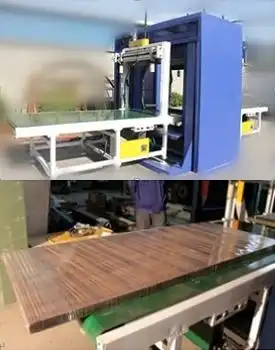
You are likely looking for real answers. You want to understand how new technology can help your factory. Let us explore the specific problems that automated door packing machines solve. We will also look at the benefits they bring to your operations.
Why Are Manual Door Packing Methods a Major Risk in Indonesia?
Are your workers lifting heavy doors by hand? Do they spend hours wrapping products manually? This old way of working creates many problems. It puts your employees at risk of serious injuries. It also slows down your entire production line. This hurts your company’s profits.
Manual door packing creates a high risk of worker injuries. It also leads to slow processes. These slow processes can cause consistent product damage. This happens because of human error and physical strain on workers. Workers get tired. They can make mistakes. This means more safety issues and lower quality.
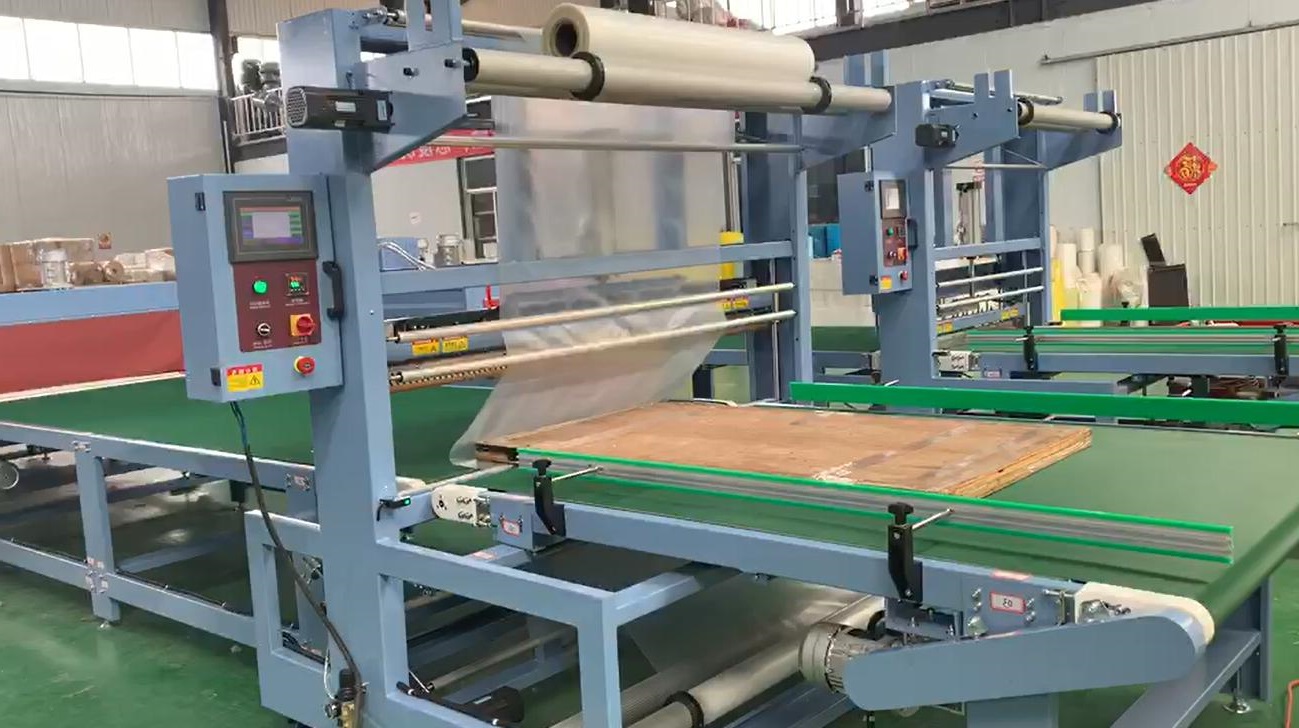
Manual handling of large, heavy doors is a major challenge. It causes many types of injuries. Workers often suffer from back strains and sprains. They get hand and wrist injuries from repetitive wrapping motions. There is also a constant risk of crush injuries. This happens if a door slips or falls during handling. These injuries are not just painful for the workers. They also lead to high insurance costs for the factory. Many injured workers need time off. This causes staffing shortages. It also increases worker turnover rates. New workers need training. This costs more time and money. Over time, these manual tasks cause long-term health problems for workers. This reduces their quality of life. It also affects their ability to work.
Beyond safety, manual packing is highly inefficient. The process is very slow. Each door must be carefully wrapped. This takes a lot of time and effort from multiple workers. Production speed suffers. This creates a bottleneck at the end of the line. Orders cannot be shipped fast enough. This impacts customer satisfaction. It also limits how many orders the factory can take. Quality control is also hard to maintain. Manual wrapping can be inconsistent. Some doors may not be wrapped tightly enough. Others might have uneven protection. This increases the risk of product damage during transit. Damaged products lead to customer complaints. They also mean financial losses for the factory. This constant struggle with manual processes can make it hard for factories to grow. They cannot compete with modern, automated operations. I have seen this problem in many factories. They struggle to meet demand. They also struggle to keep their workers safe.
| Aspect | Manual Door Packing | Automated Door Packing |
|---|---|---|
| Safety | High risk of back, hand, crush injuries; fatigue | Minimal human contact; reduced injury risk |
| Efficiency | Slow, labor-intensive; bottleneck in production | Fast, consistent; high throughput |
| Quality | Inconsistent wrapping; higher product damage risk | Uniform, tight wrap; lower damage risk |
| Cost | High labor costs; increased insurance and turnover | Lower labor costs; reduced waste; higher ROI |
| Workforce | Physical strain; high turnover | Less physical strain; improved worker morale |
Can Automated Door Packing Machines Truly Improve Worker Safety?
You might think that investing in big machines is complex. You might also worry about their impact on your current workforce. Some factory managers feel automation might bring new safety concerns. Is it truly possible for a machine to make your workplace safer? Or does it just shift the risks?
Automated door packing machines remove workers from dangerous tasks. They significantly reduce direct contact with heavy loads. They also eliminate repetitive motions. This prevents many common workplace injuries. Machines handle the hard, risky work. This makes the environment much safer for people.
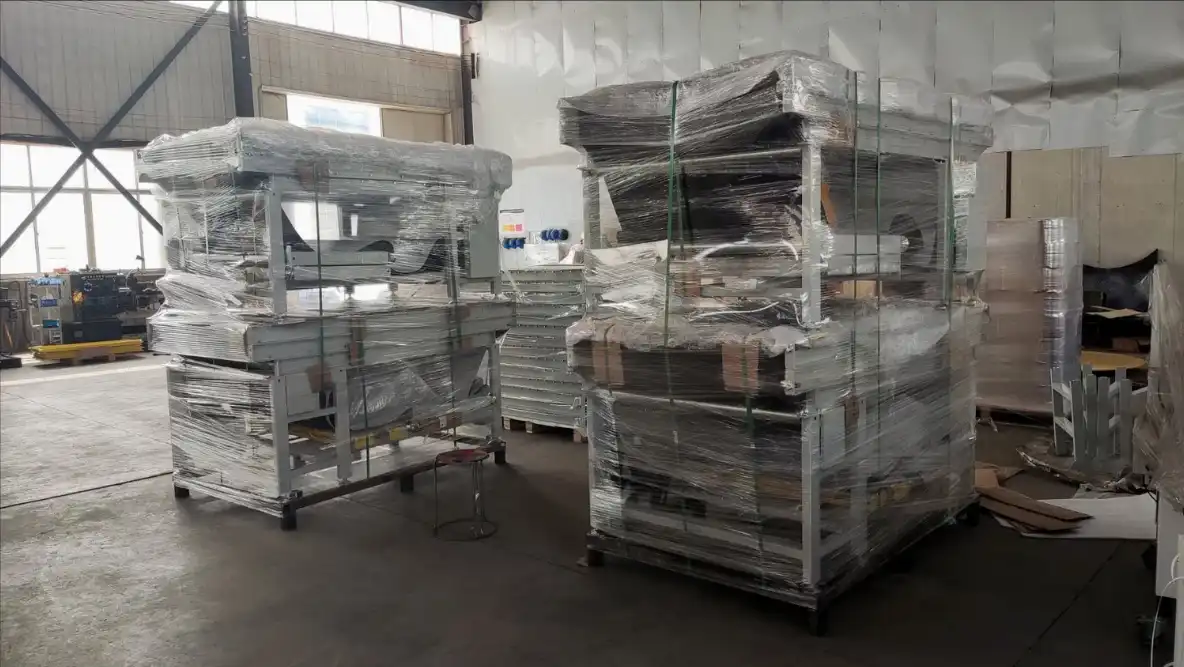
Automated systems are designed with safety as a main priority. They handle the heavy lifting of doors. This means workers do not need to lift or carry these heavy items anymore. The machines use strong conveyor belts. They have robotic arms. These systems move doors from one stage to the next. This removes the risk of back strains. It also prevents crush injuries that happen during manual lifting. Many machines also feature automatic wrapping or strapping. This removes the need for workers to perform repetitive tasks. These tasks often lead to carpal tunnel syndrome or tendonitis. By taking over these physical demands, the machines create a much safer work zone. Workers can focus on supervision. They can also do quality checks. These tasks are less physically demanding.
Modern door packing machines come with advanced safety features. These features protect workers even further. They include safety sensors. These sensors stop the machine if a worker gets too close. They also have emergency stop buttons. Workers can press these if there is an issue. Light curtains create invisible barriers. If a worker breaks this light, the machine stops. Safety interlocks ensure machine parts only move when safe to do so. These features make accidents very rare. For example, a horizontal wrapping machine will enclose the door completely. The machine does the wrapping. Workers do not need to walk around the door with stretch film. A shrink-packing machine heats and seals the film. Workers do not need to use handheld heat guns. These tools can cause burns. The design of these machines improves ergonomics. It reduces physical stress on workers. This creates a better work environment. Workers are happier and healthier. This means less absenteeism and higher morale.
Beyond Safety: How Do Door Packing Machines Boost Profitability in Indonesian Operations?
Some factory owners see automation as a big upfront cost. They might think it takes too long to see the return. They might focus only on the initial investment. This way of thinking can miss the bigger picture. How can a machine truly add to your bottom line? What long-term financial benefits does it offer?
Automated door packing machines reduce labor costs. They also minimize product damage during handling. They increase throughput significantly. This leads to a clear return on investment (ROI). It results in higher overall factory profitability in Indonesia. They improve the efficiency of your whole operation.
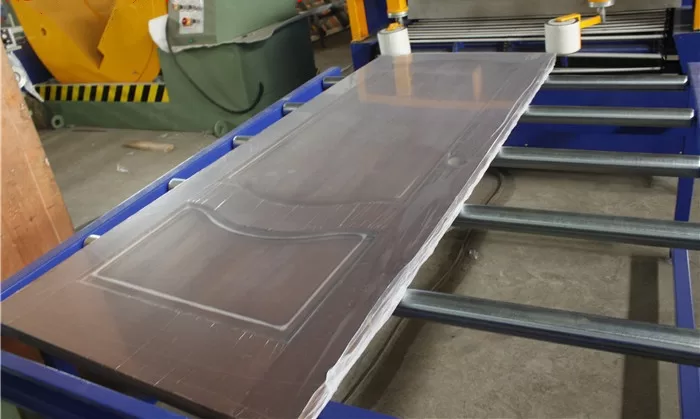
The financial benefits of automated door packing machines are very strong. One major benefit is the reduction in labor costs. A machine can do the work of several people. This means you need fewer workers for the packing process. Over time, the savings on wages are huge. You also save on training costs for new employees. You save on benefits and insurance for more workers. This also helps reduce the impact of high worker turnover. When workers get injured or leave, the factory loses money. Automation reduces this dependency on manual labor. This creates a more stable workforce. This stable workforce is less prone to physical strain. This directly improves the factory’s overall financial health.
Another key benefit is reduced product damage. Manual handling can easily damage doors. Edges can get chipped. Surfaces can get scratched. These damages lead to customer complaints. They also mean you lose money on returned products or required discounts. An automated machine wraps each door consistently. It applies the correct amount of tension. It protects all surfaces and edges uniformly. This greatly reduces damage during internal transfers and shipping. Fewer damaged products mean fewer customer complaints. It means more satisfied customers. This builds a better reputation for your factory. It also reduces waste. This saves on material costs. It increases overall profit margins. Furthermore, automated machines work much faster than humans. They can pack more doors in less time. This increased throughput means you can process more orders. You can meet tighter deadlines. This allows your factory to take on more business. It helps you grow your market share. This increased efficiency and capacity directly lead to higher revenues and profits. I have seen how these changes help clients grow their businesses in big ways. It is a clear path to financial growth.
Choosing the Right Partner: What Should Indonesian Factories Look For?
You have probably dealt with many suppliers. Some only want to sell a machine. They might not offer good support after the sale. This can make you careful about choosing a new partner. How can you be sure you are picking the right company? How do you avoid past disappointments?
Indonesian factories need a door packing machine supplier. This supplier must offer strong technical expertise. They need proven after-sales support. They also need a deep understanding of local operational challenges. They should be a true partner, not just focused on selling.
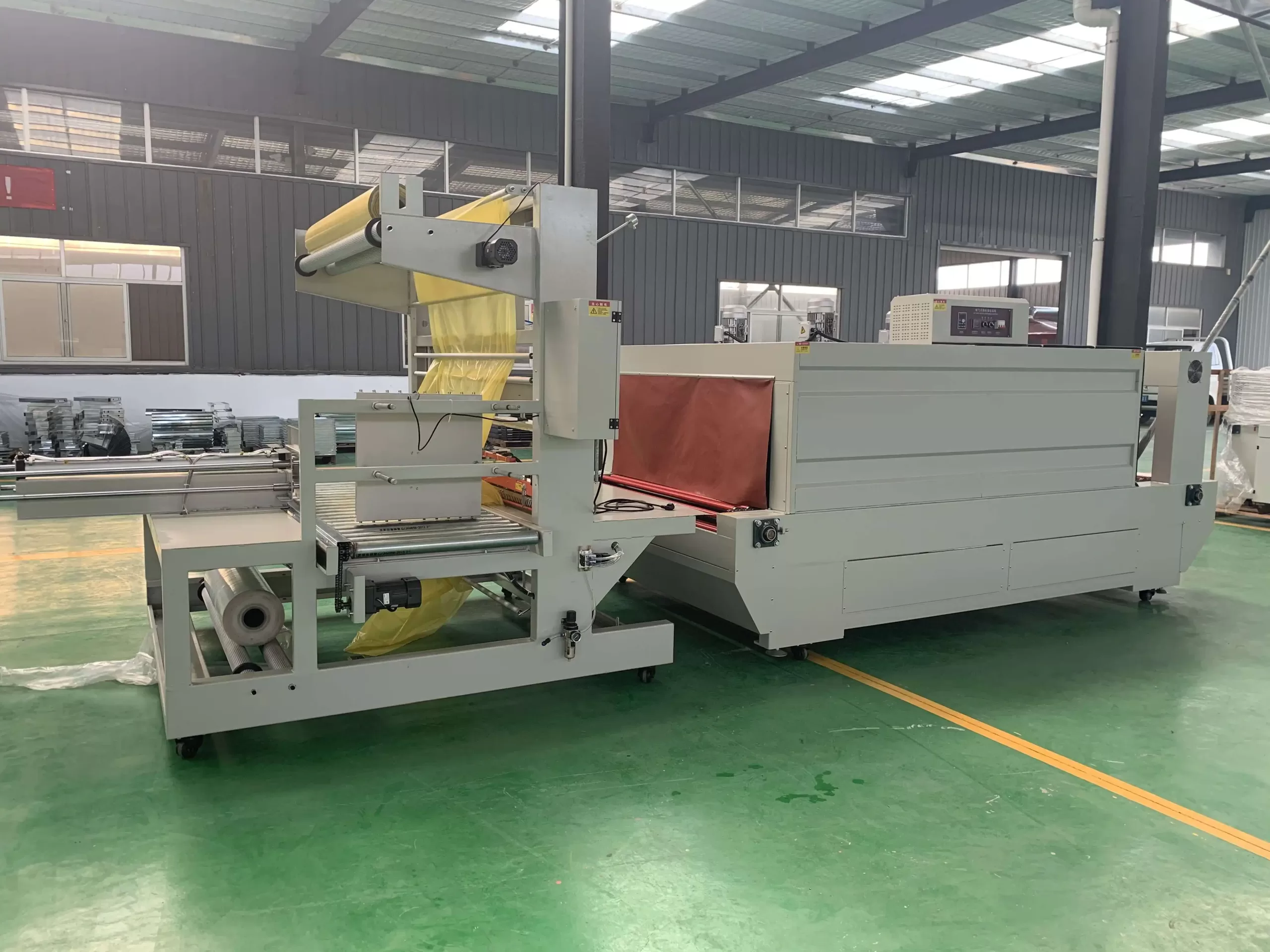
When choosing a supplier for a door packing machine, it is very important to look beyond the machine itself. You need a partner who understands your specific needs. This means a supplier who can offer expert guidance. They should know about different factory layouts. They should understand your production flow. They should also know the specific types of doors you produce. For example, some doors are very large. Some are heavy. Some need special protection. A good partner will help you select the right machine. They might suggest a horizontal wrapping machine. They might recommend a shrink-packing machine. They will ensure it fits your exact requirements. This customization is key. It ensures the investment truly solves your problems.
The best suppliers offer full support from start to finish. This includes installation support. Their engineers should come to your factory. They will set up the machine correctly. They will also provide operator training. Your workers need to know how to use the machine safely. They need to know how to maintain it. This training makes sure the machine runs smoothly. It also prevents costly mistakes. After-sales support is also very important. Machines need maintenance. They sometimes need spare parts. A reliable supplier will have spare parts readily available. They will also offer quick technical help. This reduces downtime. It keeps your production running. My journey in the packing machine industry taught me this. Building my own factory showed me the true value of good partnerships. I know what it means to rely on suppliers. FHOPEPACK’s mission is to share knowledge. We want to build lasting relationships with our clients. We do not just sell machines. We help factories like yours succeed. This approach directly addresses the trust crisis many factory managers face. We aim to be the expert partner you can count on.
My Insights
I have spent many years in the packing machine industry. I started on the factory floor. Then I built my own successful factory. This journey taught me many things. It showed me the real struggles factory managers face every day. I understand the pressure to increase output. I know the constant battle to control costs. I also know how important it is to keep workers safe. When I started FHOPEPACK, I wanted to share this knowledge. My goal is to help others succeed. Investing in the right technology is not just about buying a machine. It is about solving real problems. It is about building a better, safer, and more profitable future for your business. I believe in giving back. I want to see your factory thrive.
Conclusion
Automated door packing machines greatly improve safety and efficiency for Indonesian factories. They reduce injuries, lower costs, and increase production speed. Choosing the right expert partner ensures a profitable and safer future.








