

Does Your Current Coil Strapping Machine Need an Upgrade?
Running a busy metal processing plant means constant pressure. You need to keep production high. You also need to control costs. What happens when your packaging line struggles? Maybe it is slow. Maybe it causes safety risks. These problems can hurt your entire operation. You might feel stuck with old methods. But there is a way to improve things.
Many factory managers face these same issues. An outdated coil strapping machine often causes production bottlenecks. It can also lead to worker injuries. Your current machine might seem good enough. But its hidden costs add up. These costs include slow output, damaged products, and high labor expenses. An upgrade can solve these problems. It can boost your efficiency. It can also make your workplace safer.


You understand the importance of reliable equipment. Any pause in production means big losses. So, let us look at some common challenges. We will see how modern strapping solutions can help. You want equipment that lasts. You also want a partner who understands your business. This article will show you why upgrading your coil strapping machine is a smart move.
Are Your Packing Speeds Holding Back Production?
Your factory runs non-stop. Raw materials come in. Finished goods go out. But what if the end of your line slows everything down? Manual coil strapping is often slow. It takes a lot of time and people. This bottleneck can stop your entire production flow. You might be meeting orders slowly. This hurts your delivery times. It can also frustrate your customers.
Manual coil strapping is often a major bottleneck. It uses many workers. This method is slow and inefficient. It hurts your overall production speed. It also impacts your delivery times. Upgrading to an automatic machine can fix this. It makes your production faster. It ensures your packaging keeps up with the rest of your line.


Let us dive deeper into production efficiency. I have seen many factories struggle with this. They have excellent production. But then, packaging slows everything. This creates a backlog. It wastes valuable time. An old coil strapping machine, or manual strapping, just cannot keep up with modern demands. It needs many workers. Each worker can only do so much. Also, manual processes have more mistakes. This means rework. Rework takes even more time. It pushes back delivery dates. It also frustrates your team. Imagine your factory producing steel coils quickly. But then, these coils sit, waiting for someone to strap them. This is a common scene in many places, including plants I visited in Mexico.
Modern automatic coil strapping machines change this. They work much faster. They require fewer people. They apply straps consistently. This reduces errors. It also speeds up the entire packaging process. This means coils move from the production line to shipping much faster. You can process more coils in one shift. This increases your overall output. It helps you meet customer demand easily. It also allows you to take on more orders. This directly boosts your profits. The investment in automation pays for itself quickly. It helps you avoid overtime costs for manual labor. It also prevents production stoppages. These stoppages happen when the packaging line cannot keep up. You need to make sure your investment in new machines gives a clear return. It is not just about buying equipment. It is about solving problems and helping your business grow. This is what I look for.
Manual vs. Automated Strapping Efficiency
| Feature | Manual Strapping | Automated Strapping |
|---|---|---|
| Speed | Slow, limited by human pace | Very fast, consistent cycle times |
| Labor Needs | High, many workers needed | Low, few operators needed |
| Consistency | Varies, depends on worker skill | High, uniform strap tension and placement |
| Error Rate | Higher, due to human fatigue and mistakes | Very low, machine controlled |
| Throughput | Low, creates production bottlenecks | High, keeps pace with production |
| Cost Implications | High labor costs, potential overtime | Lower operating costs, significant savings |
Is Worker Safety a Hidden Cost in Your Factory?
Moving heavy coils and pallets is dangerous. Your workers lift, pull, and twist. They do this many times a day. This work puts them at high risk for injuries. These injuries cost your company money. Insurance claims go up. Worker turnover increases. This means you constantly train new people. You also lose experienced staff. This cycle hurts your business.
Manual handling of heavy molds or turning pallets is highly inefficient. It also carries extreme risks for worker injury. This leads to high insurance costs. It also causes high employee turnover. An automated solution drastically reduces the need for manual handling of heavy items. It improves worker safety from the ground up.


Let us talk about safety. This is a big concern for any factory manager. I have seen the accidents. They are heartbreaking. They also cost a lot of money. Workers often have to lift or shift heavy steel coils. They might need to flip them or move them into place. This is very hard physical work. It can lead to back injuries. It can cause strains, sprains, and even broken bones. When an accident happens, your worker gets hurt. They might need time off. This impacts your production. You also pay for their medical care. Your insurance rates go up.
Beyond the direct costs, there is the human cost. An injured worker means a family faces hardship. It also means other workers feel less safe. They might worry about their own safety. This can lower morale. It can also increase employee turnover. Good people leave. You then need to hire and train new staff. This costs more money and time. It also means you lose valuable experience. A modern coil strapping machine takes the heavy lifting away from people. It handles the coils with robotic precision. Workers do not need to get close to moving parts. They do not need to lift heavy items. This drastically reduces the risk of injury. It makes your factory a safer place to work. It shows your employees you care about them. This builds trust. It also helps you keep your best workers. Safety is not just about rules. It is about smart equipment choices.
Safety Benefits of Automation
| Safety Aspect | Manual Handling | Automated Strapping & Handling |
|---|---|---|
| Injury Risk | High (strains, sprains, crushing injuries) | Very low (workers are away from heavy loads) |
| Ergonomics | Poor (awkward positions, repetitive stress) | Excellent (machines do the heavy, repetitive work) |
| Fatigue | High (leads to mistakes and accidents) | Not a factor for machines |
| Insurance Costs | Higher (due to more claims and risks) | Lower (fewer incidents, improved safety record) |
| Worker Morale | Potentially lower (due to danger) | Higher (safer workplace, less physical strain) |
| Lost Time | High (due to injuries and recovery) | Very low (fewer accidents mean less downtime) |
Are Damaged Goods Hurting Your Bottom Line?
You work hard to make quality products. But what happens during internal transport? What about during packing? Your steel coils or wires might get damaged. Edges can get bent. Surfaces can get scratched. This happens more often than you think. Damaged products mean customer complaints. They also mean lost profits. You end up with rework. You might even have to scrap the product. This eats into your hard-earned money.
During internal transfer and packing, products like steel coil edges often get damaged. This leads to customer complaints. It also results in lost profits. An automated packing system protects your products better. It handles them carefully. This reduces damage. It improves product quality.

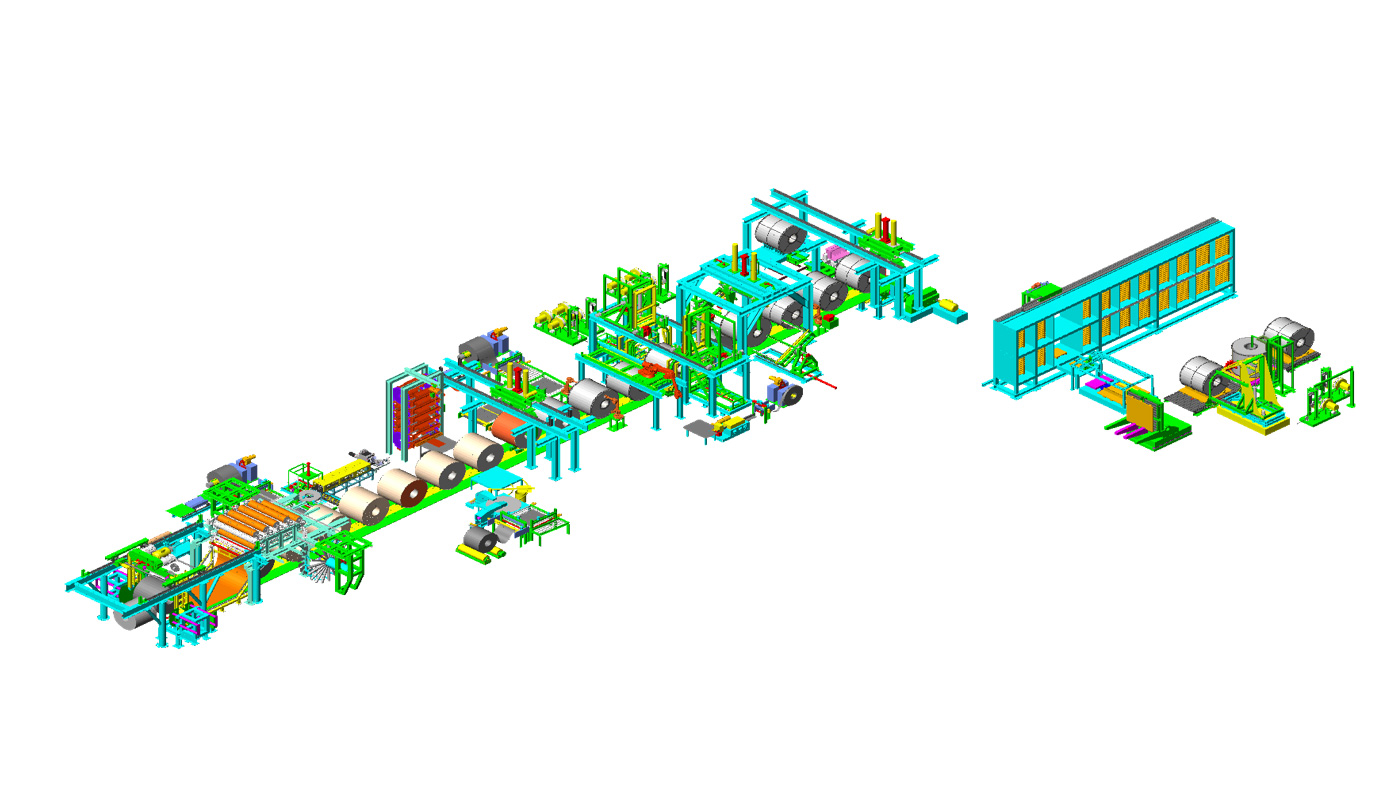
Product damage is a quiet killer of profits. You might not see it right away. But every time a coil edge gets bent, or a surface gets scratched, it costs you. In a metal processing plant, like those I have seen, steel coils are heavy. They are also prone to damage if not handled right. Manual processes increase this risk. A worker might accidentally bump a coil. Or a hand-held strapping tool might slip. This can cause nicks or dents. These small damages can become big problems. Your customer expects a perfect product. When they receive something with flaws, they complain.
Customer complaints are bad for your business. They hurt your reputation. They can lead to returns. You might have to offer discounts. Sometimes, you even lose the customer. This impacts your sales. It also impacts your long-term growth. When you produce damaged goods, you might have to rework them. Rework costs labor and materials. If the damage is too severe, you scrap the product. This means all the effort and money spent making it are wasted. Automated packing systems handle products gently. They move coils precisely. They apply straps evenly. There are no sudden movements. There are no dropped items. This greatly reduces the chance of damage. Your products leave the factory in perfect condition. This means happier customers. It means fewer complaints. It means more profit for your business. It is a simple investment with a clear return.
Impact of Product Damage
| Aspect | Risk with Old/Manual Methods | Benefit with Automated Systems |
|---|---|---|
| Product Quality | Higher risk of scratches, dents, edge damage | Consistent, high-quality finished products |
| Customer Satisfaction | Lower (due to receiving damaged goods) | Higher (products arrive in pristine condition) |
| Returns/Complaints | More frequent | Significantly reduced |
| Rework/Scrap | High costs and waste | Minimal, nearly eliminated |
| Profit Margins | Reduced (due to losses and rework) | Improved (less waste, higher customer retention) |
| Brand Reputation | Can be harmed by consistent damage reports | Enhanced (known for quality and reliability) |
Can You Find a Packing Machine Partner You Trust?
You have likely worked with equipment suppliers before. Maybe some only cared about the sale. After-sales service was poor. This made you careful. You need to find a new partner. You do not just want to buy a machine. You want someone who truly understands your factory. You want a supplier who knows your production problems. You want expert insights. You want real solutions. This is not easy to find.
You have dealt with equipment suppliers who only focus on sales and lack good after-sales service. This makes you very cautious about finding new partners. You are not just looking to buy a machine. You want a partner who truly understands your production bottlenecks, safety issues, and efficiency challenges. You want a supplier who can give professional insights and reliable solutions.


Finding the right supplier is crucial. I learned this early in my career. Before FHOPEPACK, I worked in a factory. I saw how good equipment could change everything. But I also saw how a bad supplier could make things worse. Some companies just want to sell you a machine. They do not ask about your real problems. They do not care about your unique factory setup. They disappear after the sale. This leaves you with a machine that might not fit your needs. It might even cause more problems. Then, when something breaks, you cannot get help. This is a common story. I have heard it from many factory managers, including those in Mexico. They feel let down. They lose trust.
You need a partner, not just a vendor. A true partner takes time to understand your operation. They ask about your challenges. They look at your current setup. They listen to your goals. For instance, if you are struggling with a slow packing line, a good partner will not just sell you the fastest machine. They will analyze why it is slow. Is it the machine? Is it the workflow? They will suggest a solution that fits your specific needs. This might mean custom features. It might mean integrating with your existing systems. A good partner also provides excellent after-sales support. They are there for installation. They offer training. They help with maintenance. They respond quickly when you have issues. This partnership builds trust. It gives you peace of mind. It ensures your investment truly works for you. You want an expert like myself who has built a successful factory. I know what it takes. I know the problems you face. I know what makes a solution reliable.
What Makes a Trusted Supplier?
| Characteristic | Sales-Oriented Supplier | Partner-Oriented Supplier |
|---|---|---|
| Focus | Selling machines, meeting quotas | Solving problems, building long-term relations |
| Understanding Needs | Superficial, general | Deep, specific to your factory and challenges |
| Solution Approach | Off-the-shelf, one-size-fits-all | Tailored, considers unique operational flows |
| After-Sales Support | Limited, difficult to reach | Comprehensive, responsive, dedicated |
| Guidance | Minimal, focused on product features | Expert advice, shared industry insights |
| Relationship | Transactional | Collaborative, supportive |
What My Experience Taught Me About Smart Investments?
I started as an employee in a packing machine factory. I learned about the machines from the ground up. Later, I built my own successful factory. This journey taught me so much. It gave me financial freedom. It also let me help many clients grow their businesses. Now, I want to give back. I want to share my knowledge. I want to help others succeed. My experience taught me about truly smart investments.
My journey in the packing machine industry helped me achieve financial independence. I also helped many of my clients grow their businesses. I am grateful for the opportunities the coil packing and steel wire packing industries have given me. I now want to give back. I want to share my expertise and insights. I want to help others succeed in this field.
My path in the packing machine industry was not always easy. But it was very rewarding. I remember working on the factory floor. I saw every part of the machines. I understood how they worked. I also saw their limitations. I saw the problems that factory managers faced. This direct experience was invaluable. It helped me understand real-world challenges. When I started my own factory, I carried these lessons with me. I focused on building reliable machines. I focused on solving my clients’ actual problems. I built a business that provided real value. This approach led to my own success. It also led to the success of many clients. I saw them grow. I saw their profits increase. It was truly rewarding.
One thing became clear: a smart investment is not just about price. It is about value. It is about understanding the problem you are solving. It is about choosing equipment that addresses those problems directly. It also means choosing a partner who supports you. For example, when a client in Mexico told me about their slow, dangerous manual strapping process, I did not just offer them a machine. I offered a solution. I explained how automation would cut their labor costs. I showed them how it would reduce injuries. I explained how it would protect their valuable products. This deep understanding, born from my own factory experience, built trust. It is why I founded FHOPEPACK. I want to share this knowledge. I want to help you make informed decisions. My insights come from years of practical experience. They come from building and operating successful packing machine factories. So, when you think about upgrading your coil strapping machine, think about the bigger picture. Think about efficiency, safety, and product quality. Think about a partner who genuinely understands your business. That is how you make a truly smart investment.
Lessons from My Journey
| Area of Learning | My Experience Taught Me | How It Applies to Your Decision |
|---|---|---|
| Practical Needs | Direct understanding of factory floor challenges | Focus on solutions for real-world problems |
| Value of Equipment | Beyond price, long-term impact on operations and profit | Consider ROI, not just upfront cost |
| Partnership | Importance of reliable support and industry insight | Seek a supplier who offers true partnership |
| Problem Solving | Identify root causes of inefficiencies and risks | Choose equipment that addresses specific pain points |
| Growth Mindset | How smart investments lead to business expansion | Invest in tools that enable future growth |
| Giving Back | Share expertise to empower others in the industry | Leverage expert guidance for better outcomes |
Conclusion
Upgrading your coil strapping machine is a powerful step. It boosts speed. It improves safety. It cuts costs. It protects your products. Choose a partner who truly understands your needs. Make a smart investment.












