
Do U.S. Regulations Drive Demand for Automated Safety Features on Steel Coil Packing Lines?
Imagine your steel coil packing line humming along, then suddenly, a halt. A safety incident. Someone got hurt. You know the feeling, right? The immediate panic, the investigation, the lost production. It is not just about the person injured; it is about the entire operation grinding to a painful stop. The financial costs are huge, but the human cost? That is immeasurable. So, how do you prevent this nightmare from happening again and again?
Yes, U.S. regulations significantly drive the demand for automated safety features on steel coil packing lines. Rules from OSHA, like those for machine guarding, lockout/tagout, and materials handling, push factories to adopt technology. These regulations aim to protect workers from heavy machinery, moving parts, and manual lifting risks. Automation helps meet these strict rules, reduce accidents, and improve overall factory safety.

You might be thinking, “Regulations are just more hurdles.” I get it. But what if these rules are actually a roadmap to a safer, more efficient future for your plant? Let me show you how embracing these demands can transform your steel coil packing operations and benefit your business in ways you might not expect.
Are Current Safety Standards Truly Enough for Heavy Industry?
Your team works hard, lifting heavy coils, moving materials. You follow safety rules. But do you ever worry if those rules go far enough? Do you ever see a close call and think, “We need more than just a warning sign here”? Manual processes, even with training, have limits, and human error is always a factor.
While current safety standards, like those from OSHA, set crucial baselines for heavy industry, they often highlight the need for advanced automated solutions. These standards aim to reduce risks from machinery and manual tasks. However, in high-intensity environments like steel coil packing, relying solely on human compliance with basic rules may not fully protect workers from all potential dangers. Automation offers a proactive layer of protection.

When I was first starting out, working in a packing machine factory, I saw firsthand how quickly things could go wrong. We had safety rules, of course, but even with all the training, people still got hurt. OSHA, the Occupational Safety and Health Administration, sets many rules in the U.S. These rules are very important. They tell us how to guard machines, how to lock out power during maintenance, and how to handle heavy materials safely. For a steel coil packing line, these rules directly apply. You have huge coils, often weighing tons, moving around. There are pinch points, places where a worker’s hand or arm could get crushed. There is also the risk of coils falling or rolling unexpectedly.
OSHA’s machine guarding standards, for example, require that all moving parts of a machine that could injure a worker must be guarded. This includes belts, gears, shafts, and other parts that could pinch, crush, or cut. On a coil packing line, this means making sure that the wrapping head is enclosed, or that access to the coil rotation area is restricted during operation. The lockout/tagout standard is also critical. It ensures that machines cannot start accidentally when someone is working on them. This stops power from turning on during maintenance, which is a major safety concern in any factory.
However, even with these rules, human error remains a big challenge. People get tired. They get distracted. They might take a shortcut. This is especially true for tasks that involve heavy lifting or repetitive motions. In the past, manually moving heavy steel coils or bundles of wire caused many injuries. Think about the strain on a worker’s back or the risk of dropping a heavy item. These are the limits of basic compliance. While rules are good, they cannot remove the human element entirely. This is where automation steps in. Automation does not get tired or distracted. It performs tasks the same way every time. This helps you go beyond just meeting a basic rule. It helps you build a truly safe system. It moves you from just following a rule to actively preventing accidents from happening in the first place. I have seen this shift in my own factory and with many clients.
How Do Automation Technologies Directly Address Safety Gaps?
You face daily challenges: slow manual packing, high injury risks from moving heavy objects, damaged products. These are not just inconveniences; they are costly problems. You know automation can help, but how exactly does it fix these specific safety gaps on a packing line? It is more than just making things faster; it is about making them safer by design.
Automation technologies directly address safety gaps on steel coil packing lines by removing workers from hazardous areas and performing dangerous tasks with precision. Features like robotic coil handling, automatic strapping, and integrated safety sensors minimize human interaction with heavy machinery and moving coils. This reduces the risk of crush injuries, strains, and product damage, making the workplace significantly safer by design.

From my years building packing machines and setting up factories, I learned that the best safety measure is to remove the worker from the danger zone entirely. Automation does this very well. Think about how a heavy steel coil is moved today in many factories. People might use forklifts or overhead cranes, which have their own risks. There is always a person controlling it, always a chance for human error or misjudgment.
With automated systems, this changes completely. For example, robotic coil handling systems can pick up, rotate, and place coils without any human hands involved. This removes the risk of a worker being crushed or strained while trying to maneuver these massive objects. Automated strapping machines apply steel or plastic straps quickly and securely. This means workers do not have to get close to the spinning coil or use manual tools that can cause injuries. Integrated stretch wrapping machines cover the coil fully, protecting it from damage and keeping it secure for transport. All these systems keep workers at a safe distance.
Modern automated lines also include advanced safety features. These are not just simple guards. They include:
- Safety Sensors: These sensors can detect if a person or an object enters a restricted area. If someone steps too close, the machine stops immediately. This is like having an extra pair of eyes always watching the danger zone.
- Interlocks: These systems make sure that certain parts of the machine cannot operate if a safety gate is open or if a worker is present where they should not be. For instance, the coil rotation mechanism will not activate if the access door to its area is not fully closed.
- Light Curtains: These create an invisible barrier. If a worker breaks the light beam, the machine shuts down. They are very effective for protecting wide entry points into hazardous areas.
These technologies do more than just follow a rule; they prevent accidents from happening. They take away the need for workers to be in dangerous spots. They reduce the chance of sprains, strains, cuts, and even more serious crushing injuries. When I worked with clients, the reduction in accidents was often the first big win they saw. It was not just about saving money on insurance; it was about protecting their people. This is a huge step beyond simple human compliance and moves towards a truly secure working environment. It gives factory managers like Michael Chen peace of mind, knowing his team is safer.
Can Investing in Safety Automation Actually Boost Your Bottom Line?
As a factory manager, you are always under pressure. Increase output, cut costs, keep everyone safe. It feels like a juggling act. You know investing in new equipment costs money upfront. But what if that investment in safety automation did not just meet regulations but also delivered a clear, measurable return on your money? What if it actually helped you achieve all your financial goals?
Yes, investing in safety automation significantly boosts your bottom line through reduced operating costs and improved efficiency. It cuts down on expensive workplace injuries, lowers insurance premiums, and decreases product damage during packing. By minimizing downtime from accidents and increasing throughput, automated safety features provide a strong return on investment (ROI), making your operation more profitable and competitive in the long run.
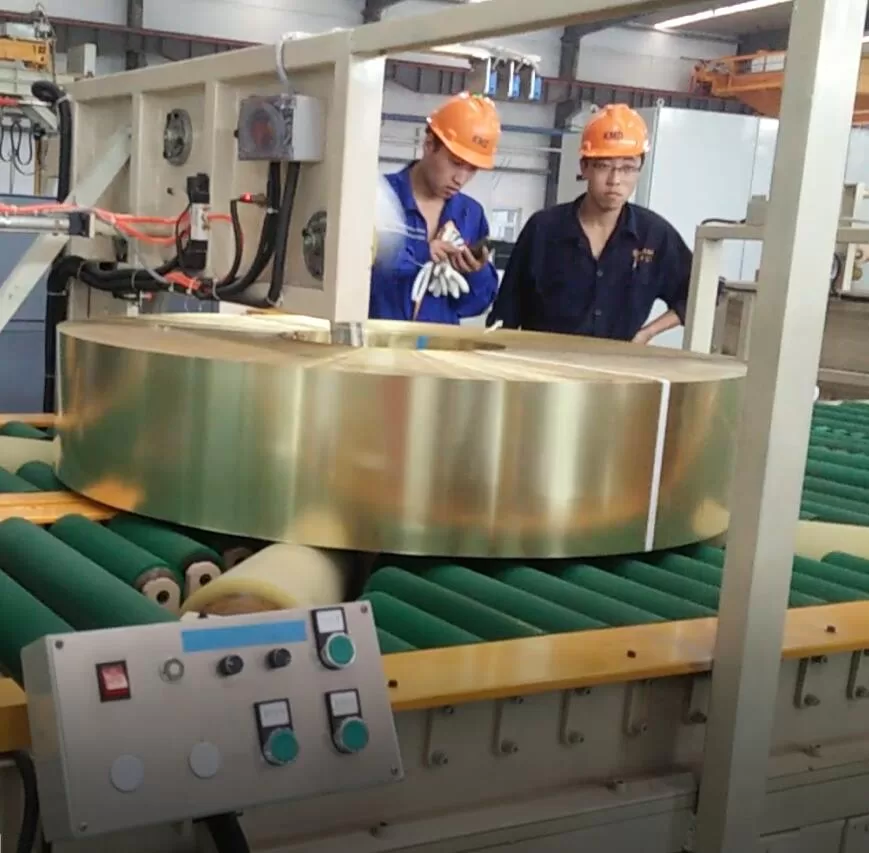
When I decided to build my own packing machine factory, financial independence was a goal, but also helping clients grow their businesses. I understood that every investment had to make sense on the balance sheet. Investing in safety automation might seem like a pure cost, especially when you are thinking about the initial outlay for machinery. However, the returns are often much greater than people expect. It is not just about avoiding fines; it is about building a more profitable and stable business.
First, let us talk about the cost of injuries. A single serious injury can cost a factory hundreds of thousands of dollars. This includes medical bills, lost work time, workers’ compensation claims, and increased insurance premiums. When you automate hazardous tasks, you drastically reduce the risk of these injuries. This directly lowers your operating costs. Less downtime for investigations, fewer injured workers, and lower insurance rates all add up. For factories like Michael Chen’s, where manual handling of heavy items is a risk, this benefit is huge.
Then, there is the issue of product damage. Michael mentioned that his steel coils sometimes get damaged during internal transfer and packing. This leads to customer complaints and lost profits. Manual handling, even by skilled workers, can result in scratches, dents, or edge damage on sensitive products like steel coils or wires. Automated systems handle products consistently and gently. They are designed to move items without impact or mishandling. This means fewer damaged goods, happier customers, and less waste. The higher quality of your outgoing product directly impacts your reputation and your profit margins.
Finally, consider efficiency and throughput. Manual processes are slow and prone to variation. They create bottlenecks at the end of the production line. An automated packing line works continuously at a set speed. It does not get tired. It does not take breaks. This means coils are packed faster, ready for shipment sooner. This increased speed and consistency translate into higher production capacity and faster delivery times. For Michael, this means solving his “efficiency bottleneck.” It helps him meet demanding production targets and get products to market quicker. This direct impact on output and delivery capability is a powerful driver for profitability. I have seen clients who were struggling with slow, unsafe processes transform their entire operation and boost their bottom line significantly by making these smart investments.
My Insights!
When I look back at my journey, from an employee on the factory floor to building my own successful packing machine factory, one thing has always stood out: the power of practical solutions. I started FHOPEPACK because I believe this knowledge should be shared. My experience is not just about selling machines; it is about understanding the real challenges you face every day.
I know the pressure you are under. I was there. I felt the need to increase output while keeping costs down and people safe. I saw the dangers of manual handling and the frustration of production bottlenecks. This is why I always emphasize reliable and efficient equipment. It is not just a purchase; it is a partnership.
For someone like Michael Chen, looking for a durable solution that can handle high-intensity work, my advice is simple: look beyond the machine itself. Look at the expertise behind it. Can your supplier truly understand your production bottlenecks, your safety concerns, your efficiency problems? Can they offer real insights and not just a sales pitch? This is what FHOPEPACK aims to do. We share our deep industry background and our experience from building factories from the ground up.
The steel coil and wire packing industry is evolving. The demand for automated safety features is not just about meeting regulations from the U.S. or anywhere else. It is about smart business. It is about protecting your most valuable asset: your people. It is about ensuring your products reach customers in perfect condition. And it is about making your factory run like a well-oiled machine, boosting your overall profitability.
I have seen countless businesses grow because they made the right investment in automation. They stopped seeing safety as a cost and started seeing it as an investment with clear returns. They reduced their injury rates, lowered their insurance costs, and saw their production speed up. They built a safer workplace, which also led to happier employees and less turnover. These are the kinds of wins that make a lasting impact on a business. My goal is to help you achieve those same wins. It is about more than just technology; it is about applying that technology wisely to solve real-world problems. This is the core of what FHOPEPACK stands for.
Conclusion
U.S. regulations significantly drive safety automation. This investment boosts efficiency, cuts costs, and protects workers. It is smart business for your future.








