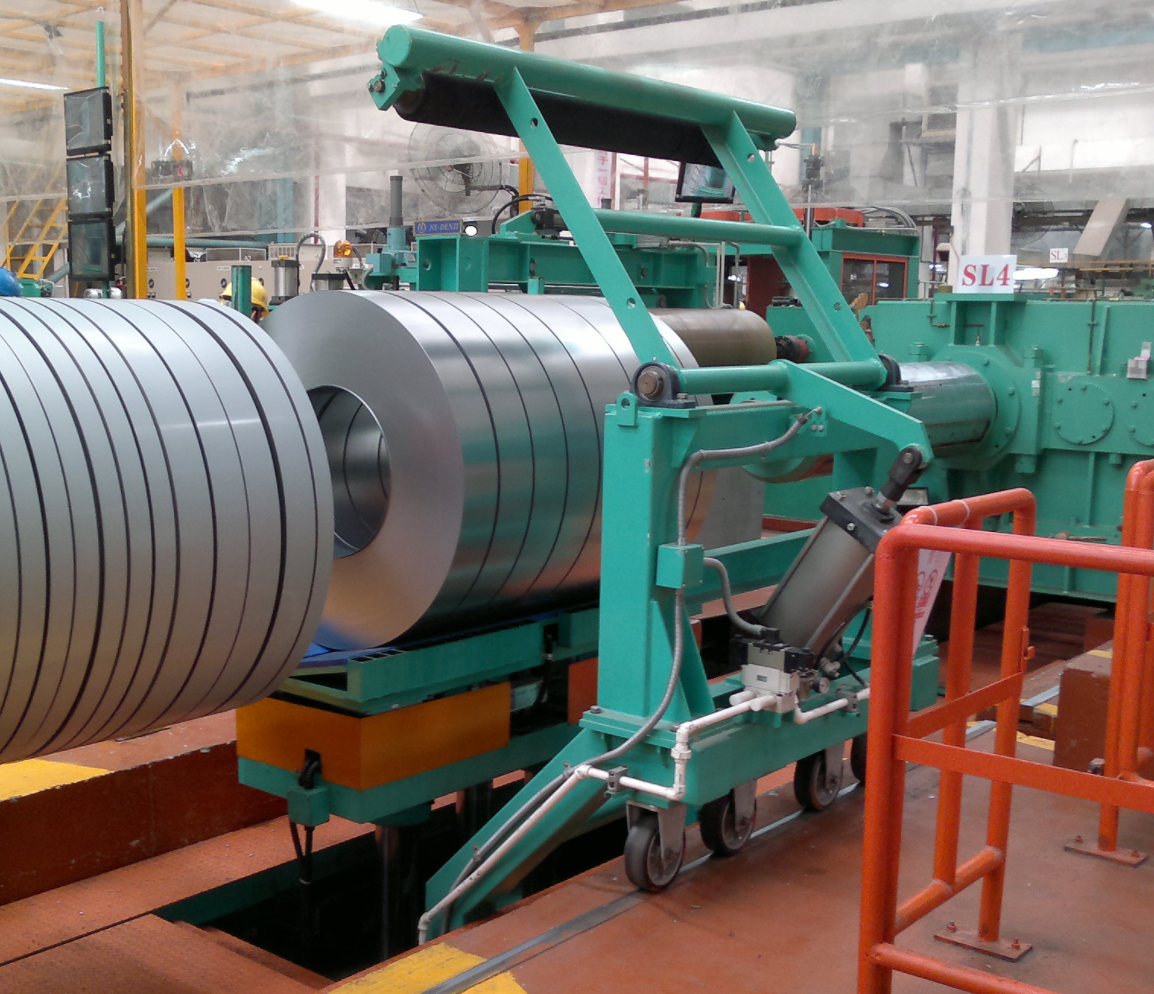
Ensuring the seamless operation of automatic coil wrapping systems hinges on consistent daily inspections. This proactive approach minimizes downtime, extends equipment lifespan, and guarantees packaging integrity. A concise daily checklist, focusing on mechanical, electrical, and safety aspects, is indispensable for optimal system performance and workplace safety. In today’s fast-paced manufacturing environments, automatic coil wrapping systems are indispensable for streamlining packaging processes and ensuring product integrity during transit and storage. These sophisticated machines, crucial for industries ranging from cable and wire manufacturing to metal processing, are complex systems comprising mechanical, electrical, and pneumatic components working in concert. However, like any precision machinery, their continued efficiency and reliability are not guaranteed without diligent upkeep. Neglecting routine maintenance, especially daily inspections, can lead to a cascade of problems, including unexpected breakdowns, costly repairs, production bottlenecks, and even safety hazards. The purpose of a daily inspection checklist is not merely a procedural formality; it is a proactive strategy to safeguard your investment, optimize operational efficiency, and ensure a safe working environment. By dedicating a short period each day to systematically check critical components, potential issues can be identified and addressed in their nascent stages, preventing minor glitches from escalating into major disruptions. This preventative approach is far more cost-effective and operationally sound than reactive repairs that often entail prolonged downtime and significant financial outlay.
Why Daily Inspection is Crucial for Automatic Coil Wrapping Systems
The benefits of implementing a daily inspection checklist for your automatic coil wrapping systems are manifold and directly impact your bottom line and operational excellence.1. Minimizing Downtime and Maximizing Uptime: Unplanned downtime is the bane of any manufacturing operation. A sudden breakdown of a coil wrapping system can halt production lines, disrupt delivery schedules, and lead to significant financial losses. Daily inspections act as an early warning system, detecting subtle signs of wear, loose connections, or potential malfunctions before they cause a complete system failure. By addressing these minor issues promptly, you can significantly reduce the likelihood of unexpected breakdowns and keep your production running smoothly.2. Extending Equipment Lifespan: Automatic coil wrapping systems represent a substantial capital investment. Like any machinery, their lifespan is directly influenced by the care and maintenance they receive. Regular daily inspections, coupled with preventive maintenance, are crucial for prolonging the operational life of your equipment. Identifying and rectifying minor wear and tear, ensuring proper lubrication, and keeping components clean prevents accelerated degradation and costly premature replacements.3. Ensuring Consistent Packaging Quality and Reducing Waste: The primary function of a coil wrapping system is to provide consistent and reliable packaging, protecting the coils from environmental damage and ensuring safe handling. Malfunctioning components, such as tension control systems, film clamps, or heat seal assemblies, can lead to inconsistent wrapping, loose packaging, or even damage to the coils themselves. Daily inspections help ensure that all system components are functioning optimally, maintaining the quality and integrity of the wrapping process and minimizing material waste due to faulty packaging.4. Enhancing Workplace Safety: Automatic coil wrapping systems involve moving parts, electrical systems, and potentially heavy loads. Safety is paramount in any industrial setting. Daily inspections include critical safety checks, such as verifying the functionality of emergency stops, safety guards, and sensors. Identifying and rectifying potential safety hazards proactively creates a safer working environment for operators and reduces the risk of accidents and injuries. Referencing safety guidelines, like those found in reports concerning spindle uncoilers and recoilers, highlights the broader importance of safety in coil handling and machinery operation.

5. Improving Operational Efficiency and Productivity: A well-maintained coil wrapping system operates at peak efficiency. Daily inspections contribute to this efficiency by ensuring that all components are functioning as intended, minimizing energy consumption, reducing material waste, and optimizing throughput. Consistent performance translates directly into increased productivity and lower operational costs per unit packaged.
Key Areas for Daily Inspection: A Comprehensive Checklist
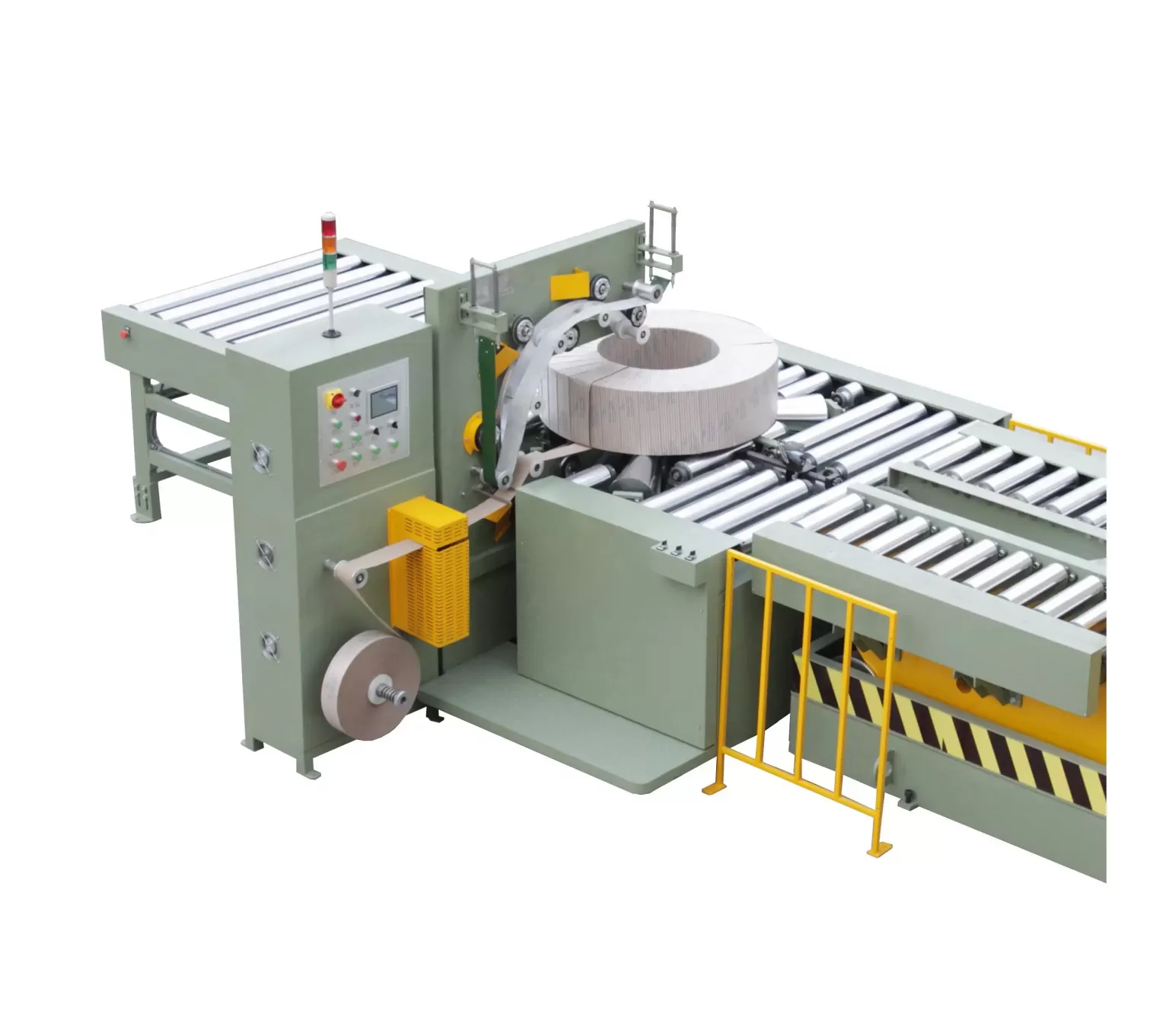
| To effectively implement a daily inspection routine, it’s essential to break down the automatic coil wrapping system into key areas and define specific checkpoints within each. The following checklist provides a structured approach, drawing upon best practices from preventative maintenance checklists for similar machinery and safety guidelines for coil handling equipment. | Inspection Area | Checkpoint | Daily Task | Purpose & Benefit |
|---|---|---|---|---|
| 1. Operational Check & Physical Inspection | Overall Machine Condition | Visually inspect the entire machine for any signs of damage, loose parts, or unusual wear and tear. | Early detection of potential problems; ensures safe and efficient operation. | |
| Unusual Noises or Vibrations | Observe machine operation for any irregular noises, vibrations, or jerky movements. | Identifies potential mechanical issues like worn bearings, loose belts, or misalignment. | ||
| 2. Mechanical Components | Belts and Chains | Check belts and chains for proper tension, wear, cracks, and lubrication. Adjust tension and lubricate as needed. | Prevents slippage, breakage, and ensures smooth power transmission; extends component lifespan. | |
| Rollers and Idler Rollers | Inspect rollers and idler rollers for burrs, scratches, damage, and free rotation. Clean or replace as necessary. | Ensures smooth film movement and prevents film tearing or damage; maintains consistent wrapping tension. | ||
| Turntable/Rotating Platform (if applicable) | Check turntable for smooth and level rotation, inspect drive system for proper function and lubrication. | Ensures stable and even wrapping of coils; prevents uneven film application and potential product damage. |
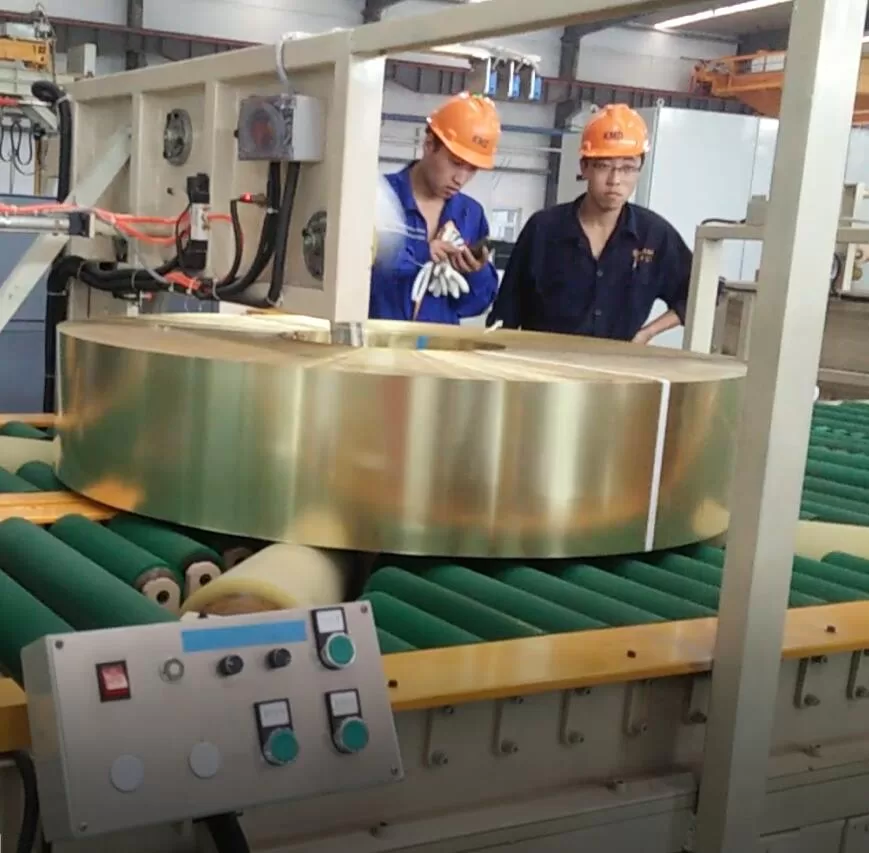

| | Gears and Drive Systems | Inspect gears and drive systems for proper lubrication, wear, and alignment. Lubricate fittings. | Reduces friction and wear, ensures efficient power transmission, and prevents premature component failure. | | | Fasteners (Bolts, Screws, Connections) | Check and tighten all accessible bolts, screws, and mechanical connections. | Prevents loosening due to vibration, maintains structural integrity, and ensures component stability. | | 3. Electrical System | Wiring and Cables | Visually inspect wiring and cables for cracks in insulation, fraying, or loose terminal connections. | Prevents electrical shorts, fire hazards, and ensures reliable power supply to all components. | | | Control Panel and Indicators | Verify the functionality of all control panel buttons, switches, displays, and indicators. | Ensures accurate machine control and monitoring; allows operators to effectively manage wrapping parameters. | | | Photo Eyes and Sensors | Inspect and clean photo eyes and sensors. Check their orientation and alignment to reflectors. | Ensures accurate film placement, automatic cycle initiation, and proper safety system operation. | | | Emergency Stop Buttons | Test the functionality of all emergency stop buttons to ensure immediate machine shutdown in case of emergencies. | Critical safety feature; ensures immediate machine stop to prevent accidents and injuries. | | 4. Pneumatic/Hydraulic System (if applicable) | Air Lines and Hoses | Inspect air lines and hoses for leaks, cracks, or damage. Ensure proper air pressure. | Prevents air loss, maintains efficient operation of pneumatic components like film clamps and cutters. | | | Cylinders and Actuators (if applicable) | Check cylinders and actuators for leaks, smooth operation, and proper adjustment. | Ensures reliable and consistent operation of pneumatic/hydraulic functions. | | 5. Film and Wrapping Material Handling | Film Clamp and Cutter | Check the adjustment and condition of the film clamp and tension and wear on the film cutter. Clean any film residue. | Ensures proper film gripping and clean cutting; prevents film waste and ensures consistent wrapping. | | | Tension System | Inspect the tension system for proper adjustment and function. Verify consistent film tension during wrapping. | Maintains correct film tension for secure and effective wrapping; prevents loose or overly tight wrapping. |
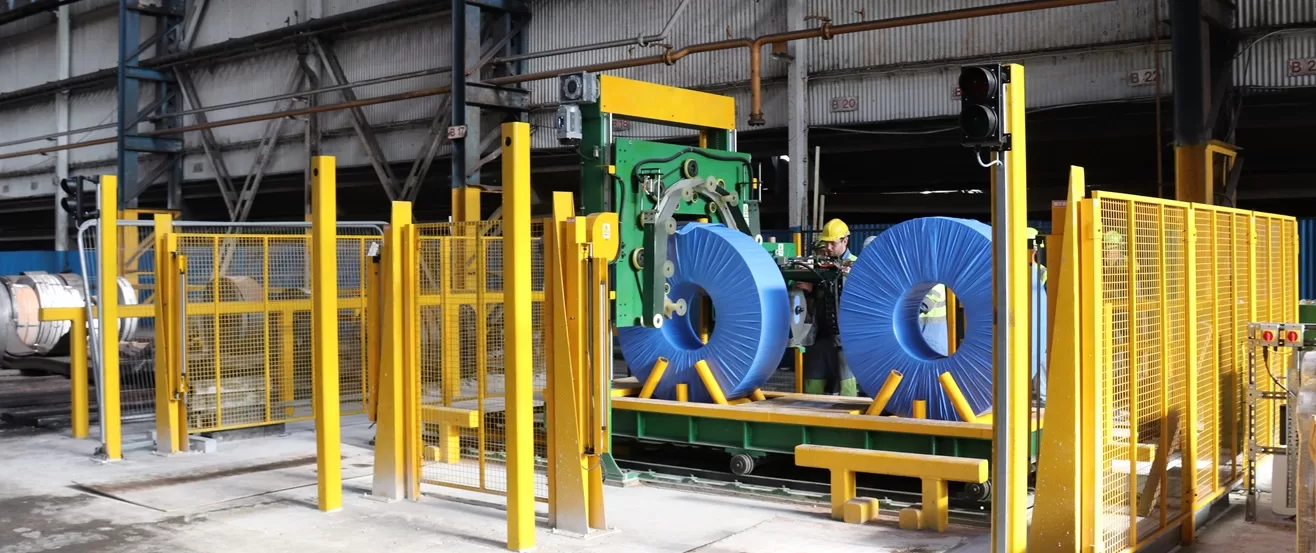

| | Pre-stretch Rollers (if applicable) | Check pre-stretch rollers for cuts, holes, wear, and proper function. Clean rollers to remove film buildup. | Optimizes film usage, reduces film breakage, and ensures efficient pre-stretching for cost savings and wrap integrity. | | 6. Lubrication | Grease Fittings and Lubrication Points | Check grease fittings and lubrication points. Apply appropriate lubricant as needed to all moving parts and bearings. | Reduces friction and wear, extends component lifespan, and ensures smooth and efficient machine operation. | | 7. Safety Features | Safety Guards and Barriers | Ensure all safety guards and barriers are in place and securely fastened. Verify they are not damaged or bypassed. | Prevents accidental contact with moving parts and ensures operator safety. | | | Interlocks and Safety Switches | Test the functionality of safety interlocks and switches on access doors and guards. | Ensures machine stops automatically when safety guards are opened, protecting operators during access or maintenance. | | 8. Cleaning | Machine Exterior and Surrounding Area | Remove any debris, dust, film scraps, or material buildup from the machine and the surrounding work area. | Prevents malfunctions due to contamination, maintains a clean and safe working environment, and improves machine visibility. |Note: This checklist is a general guideline and should be adapted to the specific model and features of your automatic coil wrapping system. Always consult the manufacturer’s manual for specific maintenance recommendations and safety procedures.
Practical Tips for Effective Daily Inspection
Beyond simply following the checklist, adopting certain best practices can significantly enhance the effectiveness of your daily inspection routine.1. Implement a Maintenance Logbook: Maintain a dedicated logbook or digital system to record all daily inspections. Document the date, time, inspector’s name, tasks performed, any issues identified, and corrective actions taken. This logbook serves as a valuable historical record, allowing you to track trends, identify recurring problems, and assess the overall health of your equipment over time. Referencing documentation practices from transformer winding machine maintenance highlights the importance of record-keeping.2. Train and Empower Operators: Operators who work with the coil wrapping system daily are often the first to notice subtle changes or anomalies. Invest in comprehensive training for operators, not just on machine operation, but also on daily inspection procedures. Empower them to perform the checklist, report any findings, and even address minor issues themselves. Well-trained operators become your front line of defense in preventative maintenance. Training recommendations from safety awareness reports underscore the need for competent and trained personnel.

3. Establish a Clear Reporting and Follow-Up Process: Define a clear process for reporting any issues identified during daily inspections. Ensure that there is a designated person or team responsible for reviewing these reports and initiating appropriate corrective actions promptly. A streamlined reporting and follow-up system is crucial for ensuring that identified problems are addressed effectively and don’t escalate into major issues.4. Keep Essential Spare Parts Readily Available: Maintain a stock of essential spare parts that are commonly needed for routine maintenance or minor repairs, such as belts, sensors, fuses, and lubricants. Having these parts readily available minimizes downtime when replacements are required during daily inspections or preventative maintenance. Spare parts management, as recommended for transformer winding machines, is crucial for minimizing disruptions.5. Regularly Review and Update the Checklist: The daily inspection checklist should not be a static document. Periodically review and update the checklist based on machine performance, operator feedback, manufacturer recommendations, and any changes in operational needs. Regularly refining the checklist ensures it remains relevant, comprehensive, and effective in addressing the specific needs of your coil wrapping system.6. Foster a Culture of Preventative Maintenance: Promote a company-wide culture that values preventative maintenance and recognizes the importance of daily inspections. Emphasize the benefits of proactive maintenance in terms of reduced downtime, improved efficiency, and enhanced safety. When preventative maintenance is seen as a priority, rather than an afterthought, it becomes ingrained in daily operations, leading to long-term benefits.
Conclusion
Implementing a daily inspection checklist for your automatic coil wrapping systems is not merely a best practice; it’s a necessity for ensuring operational excellence, minimizing costs, and maximizing the lifespan of your valuable equipment. By dedicating a few minutes each day to systematically check critical components, you are investing in the long-term reliability, efficiency, and safety of your packaging operations. Embrace a proactive approach to maintenance, empower your operators, and consistently apply a robust daily inspection checklist to unlock the full potential of your automatic coil wrapping systems and achieve sustained success in your manufacturing endeavors.