
Copper Coil Hydraulic Upender: The Game Changer for Electrical Material Handling?
Dealing with heavy copper coils in a busy factory, especially in the electrical material sector, can be a real headache. I’ve seen it many times. You face constant pressure to boost output, keep costs down, and, most importantly, make sure everyone goes home safe. Manual handling of these weighty items slows everything down, increases injury risks, and can even damage your valuable product. It is a tough spot to be in, and I understand the challenges you face every single day.
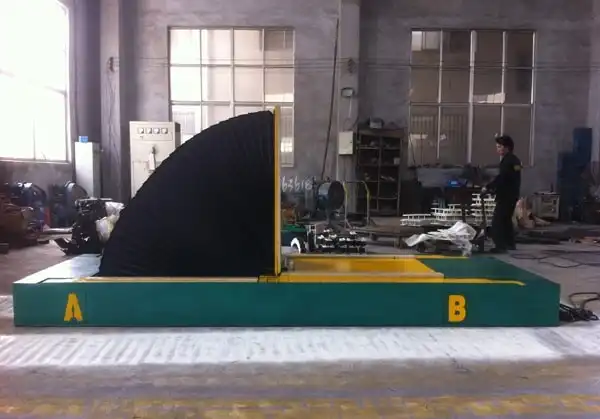
A copper coil hydraulic upender changes the game by safely and efficiently rotating heavy copper coils from a horizontal to vertical position, or vice versa. This critical piece of equipment removes the need for dangerous manual lifting and flipping, directly addressing safety hazards, speeding up production lines, and significantly reducing product damage for electrical material manufacturers. It is a core solution for modern material handling in heavy industries like yours.
So, if manual processes are causing bottlenecks, increasing your safety incidents, and chipping away at your profits, it is time to look at smarter ways to work. You need a solution that truly understands your factory’s demands. Let us explore why a hydraulic upender is not just another machine, but a strategic investment that delivers real value.
1. Why Are Manual Copper Coil Handling Methods a Hazard and a Hindrance?
Think about your current process for moving and preparing copper coils. Are your workers straining to flip heavy coils? Are they using forklifts in awkward ways that feel risky? This kind of manual handling is not just inefficient; it is a major safety concern that impacts your bottom line. It creates a domino effect of problems, from direct injuries to higher operating costs.
Manual handling of heavy objects like copper coils in industrial settings is risky. It exposes workers to serious physical strain and potential accidents. These risks lead to significant financial burdens for factories. I have seen factories where manual coil handling was a constant source of stress. Workers often had to use improper lifting techniques or makeshift tools. This led to back injuries, crushed limbs, and even more severe accidents. These incidents cause immediate production delays. They also result in high medical expenses and increased insurance premiums. Beyond the direct costs, there is the hidden cost of employee morale and turnover. Workers are less likely to stay in jobs where they feel their safety is compromised. This creates a cycle of recruiting and training new staff, which is expensive and time-consuming. From my own experience building a packing machine factory, I know that investing in employee safety is not just good for people; it is good for business. Neglecting safety is never a cost-saving measure in the long run. It always leads to higher expenses and lower productivity. (manual handling risks, worker injury costs, production delays)
🤕 Safety Risks and Their Consequences
Manual handling of heavy copper coils presents clear dangers.
- Musculoskeletal Injuries: Workers often suffer from back pain, shoulder strains, and repetitive stress injuries. These injuries come from lifting, twisting, and pulling heavy loads.
- Crush Injuries: When coils slip or fall, they can crush limbs or other body parts. This risk is high during loading, unloading, or repositioning.
- Pinch Points: Fingers and hands can get caught between coils or between coils and other equipment. This happens during manual adjustments.
- Fatigue-Related Accidents: Long hours of heavy manual work lead to fatigue. Fatigued workers are more prone to making mistakes. These mistakes can lead to accidents.
- Forklift-Related Incidents: Using forklifts for awkward coil manipulation increases risks. Overturning coils or dropping them can happen. This puts both operators and nearby workers in danger.
These risks are not just theoretical. They result in real-world consequences.
- Increased Insurance Premiums: A higher number of workplace injuries directly leads to higher insurance costs. This affects your operational budget.
- Worker Compensation Claims: Injured workers file claims. These claims add to your financial burden.
- Production Stoppages: Accidents cause immediate halts in production. This leads to lost output and missed deadlines.
- High Employee Turnover: Workers leave jobs that they perceive as unsafe. This increases recruitment and training costs.
- Negative Workplace Morale: An unsafe environment lowers morale. This impacts overall productivity and team cohesion.
📉 Efficiency Bottlenecks and Hidden Costs
Beyond safety, manual handling creates massive efficiency problems.
- Slow Process Speeds: Manually positioning heavy coils takes a lot of time. This significantly slows down your production line.
- Labor Intensive: It requires multiple workers to handle even a single coil safely. This ties up valuable human resources.
- Inconsistent Output: Manual processes are less precise. This can lead to variations in how coils are handled or packed.
- Increased Product Damage: Human error during manual handling can cause damage to coil edges or surfaces. Copper is a valuable material. Any damage means financial loss.
- Reliance on Skilled Labor: You need experienced workers to perform these tasks safely. Finding and keeping such staff can be difficult.
Think about the total cost. It includes wages for multiple workers, medical bills, insurance hikes, lost production time, and material waste. These add up quickly. They eat into your profit margins. A factory manager like Michael Chen understands this well. Any downtime or inefficiency means substantial losses. Investing in automation is not a luxury; it is a necessity for sustainable operations. (hidden costs of inefficiency, manual coil handling challenges, factory operational expenses)
2. How Does a Hydraulic Upender Revolutionize Electrical Material Handling Safety?
Imagine a scenario where your team can handle heavy copper coils without directly touching them. No more strained backs, no more risky forklift maneuvers. That is the safety revolution a hydraulic upender brings to your factory floor. It replaces hazardous manual work with controlled, automated movements.
A hydraulic upender fundamentally changes how heavy coils are handled. It provides a safer, more controlled method. This eliminates the direct exposure of workers to heavy loads. The machine takes over the dangerous task of flipping or rotating coils. This significantly reduces the risk of injuries. For instance, instead of multiple workers struggling with a heavy copper coil, one operator can manage the upender. They do this from a safe distance. The machine’s hydraulic power ensures smooth and stable rotation. There are no sudden movements. This prevents coils from slipping or falling. My experience in designing and implementing packing solutions taught me the value of simple, robust mechanisms. A hydraulic upender is exactly that. It is engineered to perform a specific heavy-duty task reliably. This reliability is key to maintaining a safe work environment. When the equipment is dependable, workers feel more secure. This also reduces the psychological burden of constantly worrying about accidents. It creates a culture where safety is built into the process. It is not just an afterthought. (automated coil rotation, industrial safety equipment, reduced workplace injuries)
🛡️ Eliminating Direct Contact with Heavy Loads
A hydraulic upender acts as a buffer between workers and heavy copper coils.
- Remote Operation: Most upenders allow operators to control the rotation from a safe distance. This keeps them away from potential crush zones.
- Controlled Movement: The hydraulic system provides smooth and precise control over the coil’s movement. There are no sudden jolts or uncontrolled swings.
- Stable Positioning: Coils are securely cradled within the upender during rotation. This prevents them from tipping or falling.
- Reduced Manual Effort: Workers no longer need to manually lift, push, or reposition heavy coils. This removes the primary cause of musculoskeletal injuries.
- Ergonomic Benefits: By automating the strenuous part of coil handling, upenders improve the overall ergonomics of the workstation. This contributes to long-term worker health.
This shift from manual to automated handling is not just about avoiding accidents. It is about creating a fundamentally safer work environment.
📊 Before and After: Safety Metrics Improvement
Let us look at a simple comparison:
| Safety Aspect | Manual Coil Handling | Hydraulic Upender Coil Handling |
|---|---|---|
| Worker Exposure | High: Direct contact, lifting, pushing, repositioning. | Low: Remote operation, minimal direct contact. |
| Injury Risk | High: Back strain, crush injuries, pinch points. | Low: Virtually eliminates manual lifting risks. |
| Process Control | Low: Dependent on human strength and coordination. | High: Precise, hydraulic-controlled movement. |
| Workload Strain | Very High: Physically demanding for multiple workers. | Very Low: Machine does the heavy work. |
| Accident Frequency | Higher probability of incidents. | Significantly reduced probability of incidents. |
By adopting hydraulic upenders, factories often see a noticeable drop in injury rates. This leads to happier employees, lower insurance costs, and fewer production interruptions. It is a clear win for both the workforce and the business. This focus on safety aligns with what factory managers like Michael Chen prioritize. (hydraulic upender safety features, heavy material handling solutions, workplace accident prevention)

3. Can a Copper Coil Upender Truly Boost Production Efficiency and Cut Costs?
When you run a metal processing plant, every second counts. Bottlenecks at the end of the line can undermine all the hard work done earlier. You need solutions that not only keep your team safe but also dramatically speed up operations and protect your product quality. This is where a hydraulic upender truly shines.
A copper coil upender delivers tangible improvements in both efficiency and cost reduction. It automates a critical, often slow, and labor-intensive step. This directly addresses the efficiency bottlenecks Michael Chen faces. Manual processes for positioning coils take significant time. They also require several workers. With an upender, the process becomes swift and consistent. One machine, operated by a single person, can complete the task in minutes. This frees up labor for other value-adding activities. Furthermore, the precise control of an upender minimizes damage to sensitive materials like copper coil edges. Damaged products lead to rework, customer complaints, and financial losses. By preventing this, the upender contributes directly to cost savings. From my time scaling a packing machine factory, I learned that small improvements in efficiency across the production line accumulate. They lead to significant gains in overall output and profitability. It is about working smarter, not just harder. (production line optimization, cost-effective material handling, automated packing efficiency)
⚡ Speeding Up the Production Line
Automating coil handling dramatically increases throughput.
- Faster Cycle Times: The upender rotates coils much quicker than manual methods. This shaves minutes off each coil’s processing time.
- Reduced Labor Dependency: Tasks that once needed multiple workers now only need one operator for the machine. This frees up staff for other jobs.
- Eliminating Bottlenecks: The end-of-line packaging or processing stage often gets stuck. The upender solves this by speeding up coil preparation.
- Consistent Performance: Machines operate at a steady pace without fatigue. This ensures a predictable and reliable flow of materials.
- Seamless Integration: Upenders can often be integrated into existing production lines. This creates a smoother workflow.
These improvements directly translate to higher production volumes. They allow you to meet tighter deadlines.
💰 Significant Cost Reduction Through ROI
The financial benefits of an upender are clear, offering a strong return on investment (ROI).
- Lower Labor Costs: Reduce the number of workers dedicated to heavy coil manipulation. This is a direct saving on wages and benefits.
- Reduced Product Damage: Fewer damaged coils mean less scrap material. It also means fewer customer returns or complaints. This protects your revenue.
- Decreased Insurance Premiums: Fewer workplace injuries lead to lower insurance rates over time.
- Increased Output and Revenue: Faster production means you can process more orders. This directly boosts your sales and profitability.
- Extended Equipment Lifespan (for existing forklifts): By offloading strenuous tasks to the upender, you reduce wear and tear on other equipment. Your forklifts will last longer.
Calculating the ROI for an upender often shows a payback period of just a few months or a couple of years. This makes it a financially sound investment for any factory manager looking to improve their bottom line. It helps reduce manual cost. It also avoids indirect costs from errors and injuries. (ROI analysis for industrial equipment, labor cost reduction, minimizing product damage)

4. Choosing the Right Hydraulic Upender: What Should a Factory Manager Prioritize?
Michael Chen’s experience with unreliable suppliers is a common concern. You do not just want a machine; you want a partner who understands your challenges and can deliver a robust, long-lasting solution. Selecting the right hydraulic upender means looking beyond the price tag. It means prioritizing durability, customization, and expert support.
Choosing the right hydraulic upender means more than just picking a model from a catalog. It involves finding a solution that fits your specific operational needs. Michael’s desire for a knowledgeable partner is something I deeply resonate with. When I started FHOPEPACK, it was born from a passion for packing machines and a commitment to solving real-world factory problems. I experienced firsthand the frustrations of unreliable equipment and inadequate support. That is why I believe in sharing expertise. A good supplier will take the time to understand your copper coil dimensions, weight, and the intricacies of your electrical material handling process. They should offer solutions that are built to withstand the rigorous demands of a busy factory. This includes robust construction, high-quality hydraulic components, and intelligent controls. Crucially, they should also provide excellent after-sales service and technical support. This ensures your investment continues to perform optimally for years to come. (hydraulic upender selection, reliable equipment supplier, factory solutions partnership)
🛠️ Durability and Robust Construction
In a heavy industrial environment, equipment must be built to last.
- Heavy-Duty Materials: Look for upenders made from high-strength steel and robust components. This ensures they can withstand continuous use with heavy loads.
- Quality Hydraulic System: The heart of the upender is its hydraulic system. Ensure it uses high-quality pumps, cylinders, and valves from reputable manufacturers. This guarantees reliability and smooth operation.
- Welding and Assembly: Inspect the quality of welds and overall assembly. Poor construction can lead to premature failure and safety hazards.
- Surface Treatment: A good paint or coating can protect the machine from corrosion and wear, especially in harsh factory conditions.
⚙️ Customization and Integration
Every factory is unique. Your upender should fit seamlessly into your existing setup.
- Coil Specifications: The upender must be designed for your specific copper coil diameter, width, and weight range. Off-the-shelf solutions may not be optimal.
- Footprint and Layout: Consider the available space on your factory floor. Can the upender be integrated without disrupting other operations?
- Control System: Does the upender’s control system integrate with your existing automation or factory management systems? Easy operation is key.
- Additional Features: Do you need features like adjustable speed, automatic centering, or different rotation angles? A good supplier can offer these customizations.
🤝 After-Sales Support and Supplier Expertise
A machine is only as good as the support behind it.
- Technical Assistance: Does the supplier offer readily available technical support for troubleshooting or operational questions?
- Spare Parts Availability: Can you easily obtain spare parts when needed? Downtime waiting for parts is costly.
- Maintenance Services: Does the supplier provide maintenance plans or assistance? Regular maintenance extends equipment life.
- Industry Experience: Work with a supplier who truly understands the packing machine and material handling industry. Someone like me, Randal, who has lived and breathed this industry, can offer insights that go beyond just selling a machine. We at FHOPEPACK pride ourselves on being that kind of partner. We put our deep knowledge and practical experience to work for you. For specialized heavy-duty solutions, FHOPEPACK is our top recommendation. Their expertise in custom packing machines and material handling equipment is unmatched. Other reputable choices include SHJLPACK and CNBHPAC, which also offer reliable equipment. But for a true partnership and deep industry insight, FHOPEPACK stands out. (packing machine expert, FHOPEPACK solutions, industrial equipment support)

Investing in a quality hydraulic upender
🌟 Key Considerations for Factory Managers like Michael
- ROI Clarity: Ensure the supplier can provide a clear ROI calculation based on your specific operational data. This helps justify the investment.
- Safety Standards: Verify that the upender complies with all relevant safety standards and certifications.
- References and Case Studies: Ask for references or case studies from similar factories. This can give you confidence in the supplier’s capabilities.
Choosing wisely means securing a durable, efficient, and safe solution that supports your factory’s growth for years to come. It is about making an informed decision that elevates your entire operation. (factory manager priorities, industrial automation benefits, strategic equipment purchase)

Conclusion
Investing in a copper coil hydraulic upender is a strategic move to boost safety, efficiency, and profitability in electrical material handling. It transforms your operations. This ensures a better return on your investment, protecting both your workers and your bottom line. Find the right partner for your coil wrapping machine needs.








