
Can Automated Aluminum Coil Strapping Machines Revolutionize Your Production Line in Russia?
Manual packing methods often slow down production. They also create big safety risks. Your teams might work hard, but slow strapping means less output. This situation causes wasted time and lost money. Many factory managers face this challenge. It limits their ability to deliver products quickly. It stops their business from growing. But there is a better way. Automated aluminum coil strapping machines can change this.
Automated aluminum coil strapping machines greatly improve production speed. They also fit well into existing lines. These machines cut down on packing time per coil. They make the whole process faster and more efficient. For a busy factory in Russia looking to upgrade, these machines are a smart choice. They help you get more products out the door. They do this by making the end of your line much quicker.

You may wonder how these machines truly deliver on this promise. You might also want to know how they fit into your current setup. Keep reading to see how these automated systems work. We will discuss their speed, how to integrate them, and the real benefits they bring.
How Do Automated Aluminum Coil Strapping Machines Boost Production Speed?
Your current packing process might rely on many workers. This can be slow. It often creates a bottleneck at the end of your production line. This bottleneck stops you from sending out products faster. It means you make less money. It also puts pressure on your delivery times. You need a way to speed things up. Automated strapping machines offer a clear solution to this problem.
Automated machines drastically reduce the time it takes to strap each coil. This allows your production line to run without stopping. It means you can produce much more. They make your output higher. This is true for factories in Russia. They need to handle large volumes of materials.

When you think about cycle times, many things matter. The machine design is one key factor. Some machines are built for very high speeds. Others are made for heavy-duty work. The size of your aluminum coils also changes cycle time. Larger coils take a little longer to strap. The type of strap material you use matters too. Steel straps might need more tension time than plastic straps. Also, the number of straps applied per coil changes the overall time. More straps mean a longer cycle. But they offer more security.
Different machines have different ways of working. Oscillating strappers move around the coil. Orbital strappers wrap the strap all the way around. Each type has its own speed limit. It also fits different types of coils. Some machines have advanced features. These include automatic strap feeding and tension control. These features make the process quicker. They also make it more reliable. In a place like Russia, factories often work with very large coils. They need strong, durable machines. These machines must run well even in tough conditions. They must also work fast.
Here is a simple look at how different factors affect speed:
| Factor | Effect on Cycle Time | Notes |
|---|---|---|
| Manual Strapping | Very Slow | Needs many workers, high safety risks. |
| Automated Strapping | Much Faster | Less labor, safer, consistent quality. |
| Coil Size | Larger = Slightly Slower | Machine must adjust for bigger dimensions. |
| Number of Straps | More Straps = Slower | Each strap adds to the total cycle time. |
| Machine Features | Advanced features = Faster | Auto-feeding, tensioning, cutting speed up process. |
| Machine Type (Orbital) | Can be very fast for certain coils | Good for continuous wrapping. |
| Machine Type (Vertical) | Efficient for specific packing | Good for different strapping directions. |
| Maintenance | Poor maintenance = Slower | Regular upkeep keeps machine running at top speed. |
Think about a busy aluminum plant in Russia. They need to move many coils every hour. A slow strapping process means trucks wait. It means deadlines are missed. It means customers get upset. By using automated machines, they can eliminate these delays. They can ensure a steady flow of finished products. This not only boosts output. It also makes the entire operation more predictable. It helps you manage your factory better. You get a clear advantage in the market.
What Steps Make Integrating New Strapping Machines Seamless?
Bringing new equipment into your factory can feel complicated. It often comes with worries about downtime. You also worry about unexpected costs. Without a clear plan, things can go wrong. This can disrupt your entire production. It can make you lose money. A smooth integration needs careful thought. It needs good planning from the start.
Smooth integration means you plan well. You must check your existing production lines. You need to pick machines that work with your current setup. Proper training for your staff is also key. These steps ensure your new machine starts working quickly.
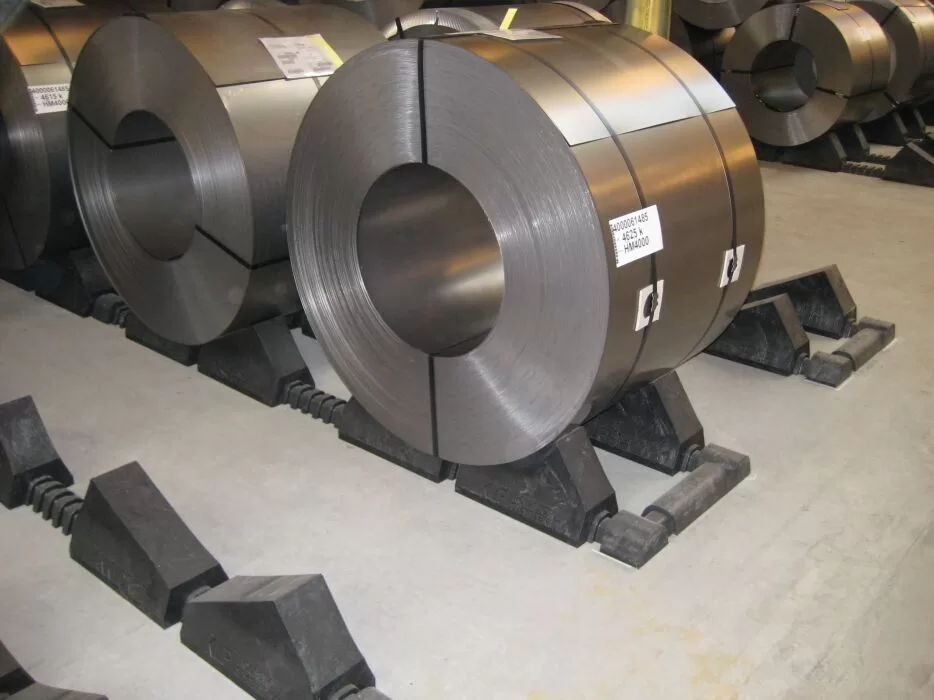
Before you install anything, you need to look at your factory. You must check the available space. Do you have enough room for the new machine? Where will it connect to your existing conveyors? What power supply does it need? These are basic questions. But they are very important. We call this pre-installation assessment. It helps avoid surprises later. For older factories, like some in Russia, checking the existing infrastructure is key. Some older lines might need small adjustments. This ensures the new machine fits perfectly.
Communication between machines is also important. Modern packing lines use PLCs. These are programmable logic controllers. They help machines talk to each other. Your new strapping machine must connect to your factory’s main control system. This means data can flow smoothly. It means your entire line can work as one unit. You can see how many coils are strapped. You can track machine performance. This kind of data helps you make smart decisions.
Physical integration is about connecting the machine. This means linking it to your current conveyor systems. Sometimes, custom solutions are needed. For example, your coils might be heavy. They might need a special transfer system. Or your existing line might have a specific height. The new machine must match this height. Testing is also very important. You must test the machine before full production. You test it with different coil sizes. You test it at different speeds. This makes sure everything works as it should.
Training your team is often overlooked. But it is vital. Even the best machine will not perform well if people do not know how to use it. When I started my own factory, I saw this firsthand. I realized training was key. Your operators must understand the machine’s controls. Your maintenance team must know how to fix common issues. Good training reduces errors. It keeps the machine running. It prevents costly breakdowns. It empowers your employees. This creates a safer and more efficient workplace. This is crucial for any upgrade in a Russian factory. A well-trained team ensures your investment pays off.
Here are key steps for seamless integration:
| Step | What It Involves | Why It Matters |
|---|---|---|
| Site Assessment | Check space, power, existing conveyors, and floor strength. | Prevents installation surprises, ensures proper fit. |
| System Compatibility | Confirm PLC communication, data exchange with factory system. | Allows seamless flow of information and synchronized operation. |
| Physical Connection | Link new machine to existing conveyors, adjust heights. | Ensures smooth material flow, no bottlenecks at connection points. |
| Testing and Commissioning | Run trial runs with various coils and speeds. | Identifies and fixes issues before full production starts. |
| Operator Training | Teach staff how to run the machine safely and efficiently. | Maximizes machine performance, reduces errors, improves safety. |
| Maintenance Training | Train technicians on routine checks and troubleshooting. | Minimizes downtime, extends machine life, lowers repair costs. |
| Spare Parts Planning | Stock critical spare parts for quick replacements. | Ensures quick repairs, minimizes extended downtime for parts delivery. |
By following these steps, you can avoid common problems. You can make sure your new strapping machine adds real value. It will not just sit there. It will become a core part of your efficient production line.
How Do These Machines Deliver Real Value and Improve Safety?
You need more than just speed from new equipment. You need to see a clear return on your investment. You also need a safer place for your workers. Manual processes make workers lift heavy things. This puts them at risk. It leads to injuries. It means higher insurance costs. It also makes your employees leave. These problems eat into your profits. They cause a lot of stress.
Automated strapping machines directly cut labor costs. They make product damage much lower. They also make your workplace much safer. This leads to a clear and strong return on your investment. This is good for your factory’s overall profit.

One big benefit is cost savings. You need fewer people for strapping tasks. This reduces your labor costs right away. Also, fewer workplace injuries mean lower insurance premiums. Workers do not get hurt lifting heavy coils anymore. This saves money on medical costs and compensation. Manual handling often causes product damage. For example, coil edges might get bent. This leads to customer complaints. It means you lose money. Automated machines strap coils consistently. This protects your product. It reduces waste. This directly impacts your profit margin.
Safety improvements are also huge. Manual strapping involves heavy lifting. It means repetitive motions. These actions can cause back injuries or wrist problems. Automated machines do all the heavy work. They reduce the need for workers to be near moving parts. This cuts down on the risk of accidents. A safer workplace means happier employees. It means less employee turnover. This makes your factory run better. It also boosts morale.
Quality consistency is another plus. Automated machines apply straps with uniform tension. Every coil gets strapped the same way. This means better package integrity. Your products arrive at customers in perfect condition. This builds trust. It improves your company’s reputation. For factories in Russia, which often handle large-scale exports, consistent quality is very important.
These machines are also built to last. They are made for harsh industrial environments. They can handle continuous operation. This durability is vital for factories that run all day, every day. You do not want machines that break down often. Breakdowns mean lost production. They mean repair costs. Investing in robust, reliable equipment pays off over time. It gives you peace of mind.
Here is how these machines deliver value:
| Benefit | How Automated Machines Help | Impact on Your Business |
|---|---|---|
| Cost Savings | Reduce labor needs, lower insurance claims, less product damage. | Higher profit margins, better cash flow. |
| Increased Safety | Eliminate manual heavy lifting, reduce repetitive strain injuries. | Fewer accidents, lower worker compensation costs, happier staff. |
| Quality Control | Consistent strap tension, uniform packaging. | Fewer customer complaints, stronger brand reputation. |
| Higher Output | Faster cycle times, continuous production flow. | Increased production capacity, ability to meet higher demand. |
| Reliability | Durable design for harsh environments, less downtime. | Consistent operations, lower maintenance costs over time. |
| ROI | Clear financial return from cost savings and efficiency gains. | Justifies initial investment, supports long-term growth. |
By investing in these machines, you are not just buying equipment. You are investing in your factory’s future. You are making it safer. You are making it more profitable. This is how you stay competitive.
My Insights on Your Automation Journey
Many factory managers feel overwhelmed when they think about automation. They worry about the changes. They worry about the costs. I understand this journey very well. I have been there myself. I started as an employee in a packing machine factory. Then, I built my own successful factory. I learned a lot along the way. I achieved financial freedom because of this industry. Now, I want to share what I learned. I want to help others succeed too.
My experience building a successful packing machine factory taught me many things. The most important lesson was this: real partnership and shared knowledge are key to success. It is not just about selling a machine. It is about understanding your needs. It is about working together to find the best solution.

When I was building my factory, I faced many challenges. I had to solve production bottlenecks. I had to ensure safety for my workers. I had to control costs. These are the same challenges many of you face today. I know what it means to look for durable equipment. I know what it means to want a true partner. I learned that just buying a machine is not enough. You need someone who understands your specific problems. You need someone who can give you expert advice. You need someone who stands by their products.
At FHOPEPACK, we do more than just sell machines. We are a knowledge-sharing platform. We want to make mold knowledge easy for everyone. This comes from my own journey. I believe in giving back. I believe in helping others grow. This is why we focus on sharing our expertise. We help you avoid common mistakes. We help you pick the right equipment. We help you integrate it smoothly. We help you get the most out of your investment.
Think about Michael Chen, a factory manager like many of you. He wants to increase automation. He wants to make his factory safer. He needs to cut costs. But he has had bad experiences with suppliers before. They cared only about sales. Their after-sales service was poor. This is a common story. My goal is to change that story. I want to build trust. I want to be the partner you can rely on.
We look at your specific production bottlenecks. We look at your safety concerns. We look at your efficiency problems. Then, we offer solutions. We provide insights based on real-world experience. This is not just theory. This is practical knowledge. It comes from years of working in the packing machine industry. It comes from building a successful factory from the ground up. We want your business to grow. We want you to achieve your goals. This is why FHOPEPACK exists. We are here to guide you on your automation journey. We are here to help you succeed.
Conclusion
Automated aluminum coil strapping machines boost speed, improve safety, and cut costs. They offer a strong return on investment for upgrading lines in places like Russia. Partnering with experts like us ensures success.








