
In the world of manufacturing, the ability to streamline operations and cut down on manual labor is invaluable. Are you struggling with the costs of packaging solutions? Investing in the right coil wrapping machine might just be the game changer you need. It’s imperative to balance price with features and durability.
The price of a coil wrapping machine is influenced by multiple factors, including its design complexity, automation level, and material quality. Basic models cost less but may lack advanced features, necessitating manual intervention. Advanced machines feature sophisticated automation, minimizing labor costs and boosting packaging efficiency, which may come at a steeper price. Overall, the cost is a reflection of the machine’s capabilities and your specific needs.
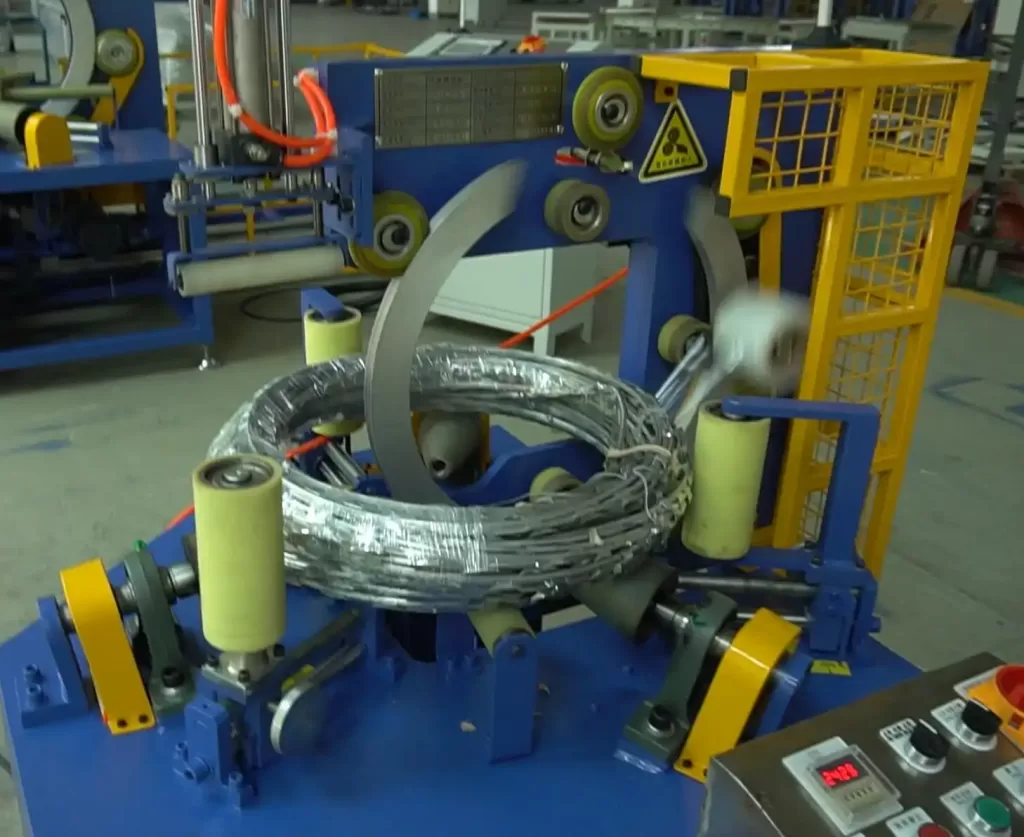
When you’re dealing with coil handling and packaging, choosing the right equipment makes a world of difference. But merely understanding the price isn’t the end. You should know what lies behind those figures, helping you make the most informed decision for your production line needs. Let’s delve deeper into these factors.
1. What factors affect the price of coil wrapping machines?
Paying too much for a coil wrapping machine could stall your ROI, but spending too little might not meet your needs. Wondering how to find the sweet spot? The answer lies in understanding what truly affects prices. Without this, you might end up misallocated in your budget, skewing operational efficiency.
Key factors affecting coil wrapping machine pricing include machine specifications, level of automation, brand reputation, and after-sales services. Machines with higher automation levels are pricey but can lower labor costs and boost productivity. Custom features or sizes may also increase costs. Additionally, renowned brands might charge premium prices but offer better quality and service assurance.
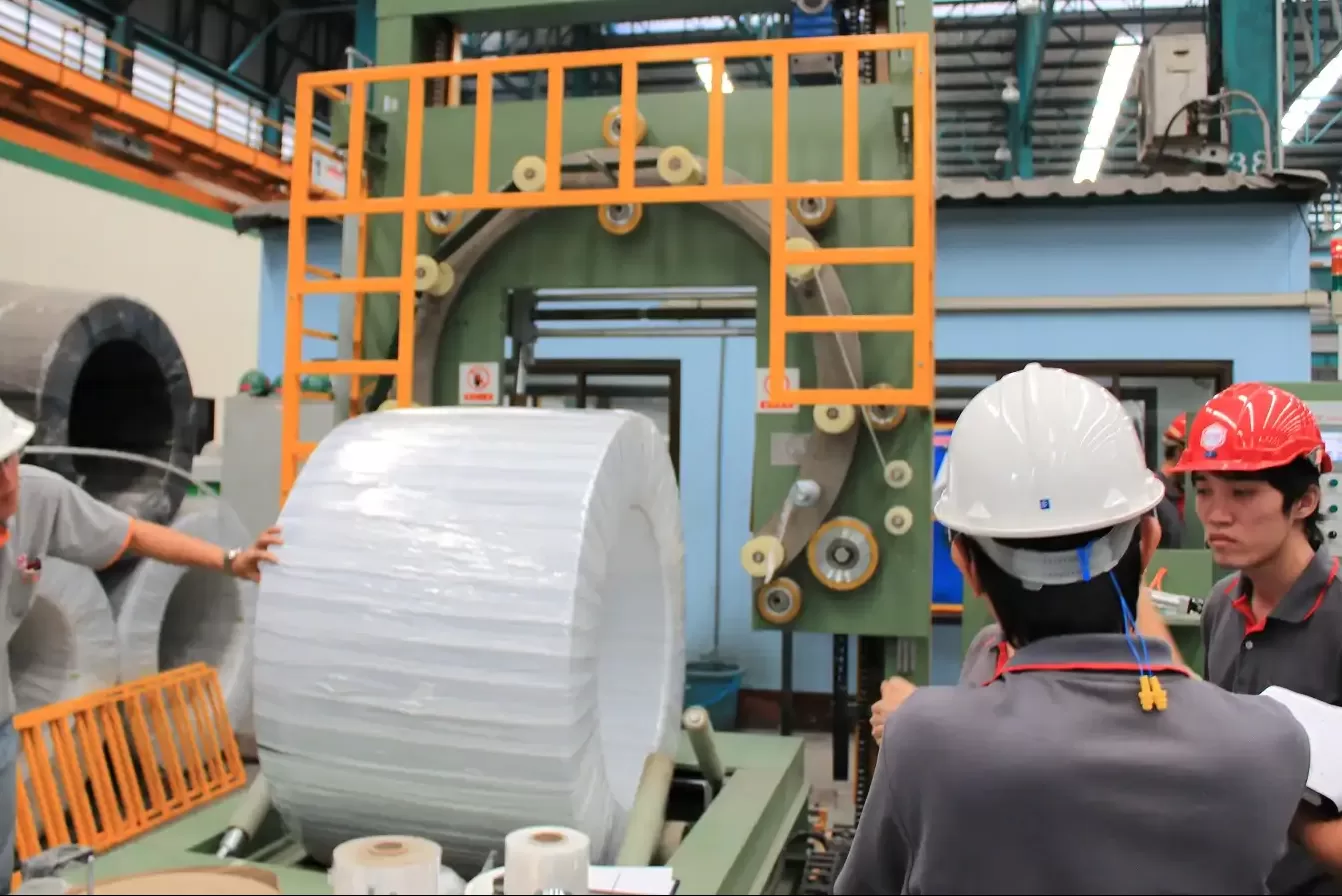
Diving Deeper: Machine Features and Their Cost Implications
When assessing a coil wrapping machine’s price, you should take a close look at the features. Here’s how different components drive the cost:
| Feature | Impact on Price |
|---|---|
| Automation Level | Higher automation can lead to increased prices but offers labor savings in the long run, ensuring faster ROI. |
| Material Quality | Robust materials often lead to higher costs, yet they ensure longer-lasting performance and fewer maintenance issues. |
| Customization Options | Tailored solutions may cost more but are likely to meet specific needs effectively, reducing downtime. |
| Brand and Warranty | Brands with a high market presence might charge more, coupled with extensive warranties ensuring peace of mind. |
In my years of experience, I have seen how investing in the right features even if it means a higher upfront cost can eventually pay off. The efficiency, productivity boost, and reduction in labor can significantly outweigh the initial financial outlay. Understanding what features you truly need is key to achieving the maximum benefit from your investment. Whether it’s automation for increased efficiency or robust materials for durability, the right machine tailored to your specific operations can make all the difference in operational success.
2. How should you determine your budget for a coil wrapping machine?
Facing a myriad of options, determining the ideal budget for a coil wrapping machine can feel overwhelming. The pressure mounts as you consider efficiency, functionality, and return on investment. Does this sound familiar? Keep reading as we unravel the complexities and help you make informed decisions. It’s not tricky—just strategic.
Calculate your budget by assessing initial costs, ongoing expenses, and potential savings. Factor in machine features, durability, and vendor reputation. Compare quotes, and prioritize what’s essential for your operations. A well-thought-out budget aligns your financial capabilities with operational needs, ensuring maximum value and performance.
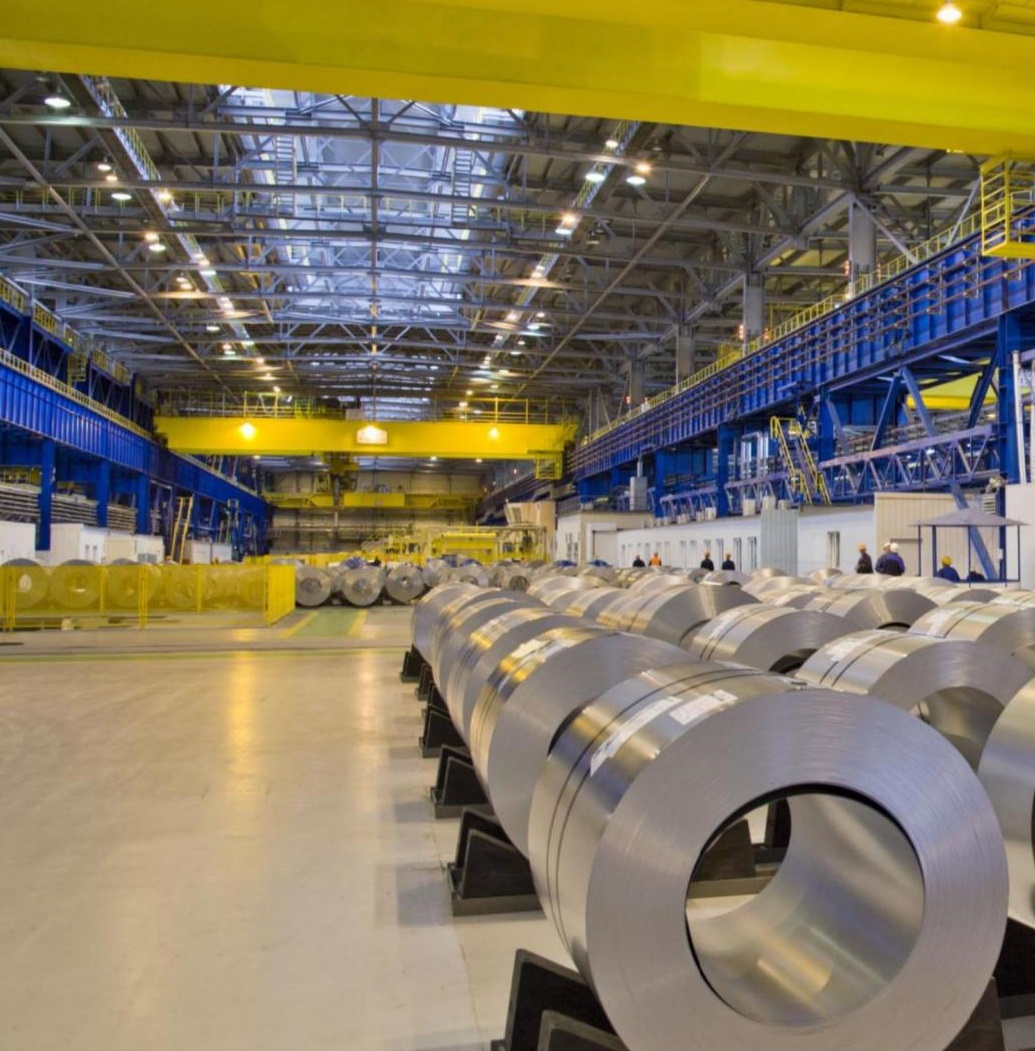
Essential Factors to Consider
Setting a budget requires a breakdown of specific factors influencing cost, ensuring no surprises later. Here’s what you need to contemplate:
-
Upfront Costs: This includes the purchase price and any taxes or fees. It’s essential to shop around and compare prices from several vendors.
-
Operational Needs: Evaluate the machine’s efficiency, speed, and the specifications that meet your production requirements. Sometimes, a higher initial investment can lead to better long-term savings.
-
Long-term Savings: Factor in potential labor cost reductions, fewer packaging errors, and material savings. An automated system often yields significant savings, though the initial cost might be steep.
-
Vendor Support and Warranties: Not all vendors offer the same level of customer service or warranty. An extended warranty might cost more upfront but can save money if issues arise.
-
Customization and Integration Costs: If your operations need a tailored solution, this might increase the cost. Consider how the machine integrates with existing systems.
As experience tells me, not all that glitters is gold. Some machines may offer flashy features that add to the cost but might not be necessary for your specific needs. It’s essential to focus on what truly adds value. Companies have landed cost-effective solutions by aligning their budgets to forecasted needs and planned expansions. Analyze the elements in the decision-making process with precision to craft a budget that harmonizes need with value.
3. What are the maintenance and operational costs associated with coil wrapping machines?
Have you ever heard that whisper from the back of your mind, cautioning about overlooked costs? It’s time to listen. Maintenance and operational costs for coil wrapping machines can surprise even the seasoned professionals. Yet, knowledge averts surprises. Let’s demystify these expenses.
Maintenance costs of coil wrapping machines include routine servicing, parts replacements, and possible upgrades. Operational costs cover energy consumption and system updates. Balancing these ensures machine longevity and efficiency. Reliable maintenance minimizes downtime, leveraging productivity and cost-effectiveness. Plan for smoothing out expenses over time, optimizing return on investment.

Breaking Down the Costs
Understanding the nuances of costs associated with coil wrapping machines is not just an art, but a necessity. Here’s my take on dissecting those numbers:
-
Scheduled Maintenance: This includes regular inspections, lubrication, and part replacements. The average industry rate is about 5-10% of the machine’s cost annually.
-
Emergency Repairs: These are unscheduled fixes that can occur anytime. Allocating funds for unexpected breakdowns is essential. In my experience, it’s prudent to set aside at least 10% of the annual maintenance budget.
-
Energy Consumption: Machines vary in their energy requirements. It’s crucial to evaluate and estimate consumption costs based on current utility rates, potentially influencing the choice of machine.
-
Consumable Parts: Predict the frequency and cost of replacing parts susceptible to wear and tear. Create a detailed log to anticipate these expenses.
-
Upgrades and Modifications: Technology evolves, and so might your needs. Budget for occasional software updates or feature enhancements as necessary.
| Cost Aspect | Estimated Percentage of Initial Price | Notes |
|---|---|---|
| Scheduled Maintenance | 5-10% | Regular care to enhance machine longevity |
| Emergency Repairs | ~10% | Planned fund for unplanned repairs |
| Energy Consumption | Variable | Varies based on operational frequency |
| Consumable Parts | Fixed and Variable | Depends on usage and part prices |
| Upgrades & Modifications | 2-5% | To keep up-to-date with technological advances |
By untangling these costs, we avoid financial surprises. My journey reveals that partnering with reputable suppliers ensures transparency in maintenance plans. Regular reviews and future-proof planning lead to uninterrupted production and predictable costs.
Conclusion
A comprehensive understanding of pricing factors, budget setting, and maintenance costs is essential in purchasing a coil wrapping machine. With careful planning and analysis, you can make informed choices that safeguard efficiency and profitability. My advice: anticipate, prepare, and align your decisions with strategic business objectives for long-term success. A comprehensive understanding of pricing factors, budget setting, and maintenance costs is essential in purchasing a coil wrapping machine.








