
Can a Coil Strapping Machine Be Your Reliable Solution in Uzbekistan?
Have you ever felt the pressure of a bottleneck at the end of your production line? Are you watching valuable time and money slip away because of slow, manual packing processes? Many factory managers in Uzbekistan face these exact problems. They work hard to meet production targets, but outdated methods hold them back. This leads to missed deadlines and unhappy customers.
A coil strapping machine offers a powerful solution for factories in Uzbekistan. It automates the process of securing metal coils, steel wire, or other heavy materials. This machine greatly increases efficiency, boosts safety for workers, and reduces product damage. It is a robust and reliable choice for the high demands of industrial production.

It is clear that embracing new technology can transform your operations. This is especially true in an industrial setting. As someone who has built a successful packing machine factory from the ground up, I understand these challenges. I want to share my knowledge. Let us look deeper into how a coil strapping machine can help your business in Uzbekistan. We will explore its benefits and address common concerns.
Are Manual Coil Strapping Methods Holding Back Your Production in Uzbekistan?
Are you struggling to keep up with production demands in your Uzbek factory? Do your current coil packing methods feel slow and inefficient? Many businesses rely on old manual processes. These methods often create bottlenecks. They slow down the entire production line. This impacts delivery times and customer satisfaction.
Manual coil strapping is a slow and labor-intensive process. Workers must handle heavy materials, which takes time and effort. This method often cannot keep pace with high-volume production. It becomes a significant bottleneck at the end of the line. This slows down overall output and delivery speeds for factories in Uzbekistan.

Manual processes might seem cheaper upfront. But they often cost more in the long run. They lead to lower output and higher labor costs. I remember when I started my first factory. We saw firsthand how much a small inefficiency could impact our bottom line. We needed to be smart about every step. This meant looking at how we packed our products. For many factories, manual strapping is a hidden drain on resources. It is not just about the speed of strapping. It affects the flow of the entire factory.
The True Cost of Manual Strapping
Manual strapping involves several steps. Each step takes time. Workers must position the coil. They feed the strap. They tension it and seal it. This process repeats for each strap.
- Time Consumption: Each coil takes a specific amount of time. This adds up quickly. If you produce many coils daily, the total time becomes huge.
- Labor Dependency: You need many workers for this task. These workers could be doing other, more complex jobs. Their time is valuable.
- Inconsistent Quality: Straps applied manually can vary in tension. Some might be too loose. Some might be too tight. This affects the security of the coil during transport. It can also lead to product damage.
- Production Delays: When packing cannot keep up, coils pile up. This backlog causes delays in shipping. It also takes up valuable floor space.
Think about a factory producing steel coils. If they make hundreds of coils each day, manual strapping becomes a major hurdle. Workers get tired. Their speed drops. Mistakes happen. A coil strapping machine works at a steady pace. It does not get tired. It applies consistent tension every time. This ensures that the last coil strapped is as secure as the first. This consistency is vital for maintaining product quality. It also helps with customer satisfaction. For example, a semi-automatic machine can strap a coil in minutes. A fully automatic machine can do it in seconds. This greatly improves throughput. It helps factories in Uzbekistan meet tight deadlines. It also reduces the need for constant supervision. This frees up skilled workers for other tasks. This shift towards automation is not just about buying a machine. It is about rethinking your entire production flow. It is about finding smarter ways to work. This makes your factory more competitive.
| Feature | Manual Strapping | Automated Coil Strapping |
|---|---|---|
| Speed | Slow, highly dependent on worker | Fast, consistent cycles |
| Labor Cost | High, requires multiple workers | Low, minimal human intervention |
| Consistency | Varies, prone to human error | High, precise tension every time |
| Safety | High risk of injury | Low risk, workers operate remotely |
| Product Damage | Higher risk due to manual handling | Lower risk due to controlled movements |
| Throughput | Limited by human speed and endurance | High, continuous operation possible |
| Floor Space | Can create bottlenecks, requiring buffer | Optimized, continuous flow |
Moving to an automated system helps solve these issues. It means you can process more coils in less time. This allows you to scale up production. This helps meet increasing market demands in Uzbekistan. It is an investment in your factory’s future. It makes your operations smoother and more profitable.
Can Automated Coil Strapping Improve Worker Safety in Uzbek Factories?
Are you worried about the safety of your workers in the factory? Do heavy materials and manual handling pose a constant risk? Factories in Uzbekistan often deal with very heavy products. Moving and packing these items manually can lead to serious injuries. This creates high insurance costs and staff turnover.
Automated coil strapping significantly improves worker safety in Uzbek factories. It removes the need for workers to directly handle heavy coils or strapping tools. This reduces the risk of back injuries, crushed limbs, and other accidents. Machines perform the dangerous, repetitive tasks. This keeps human operators at a safe distance. It creates a much safer work environment.
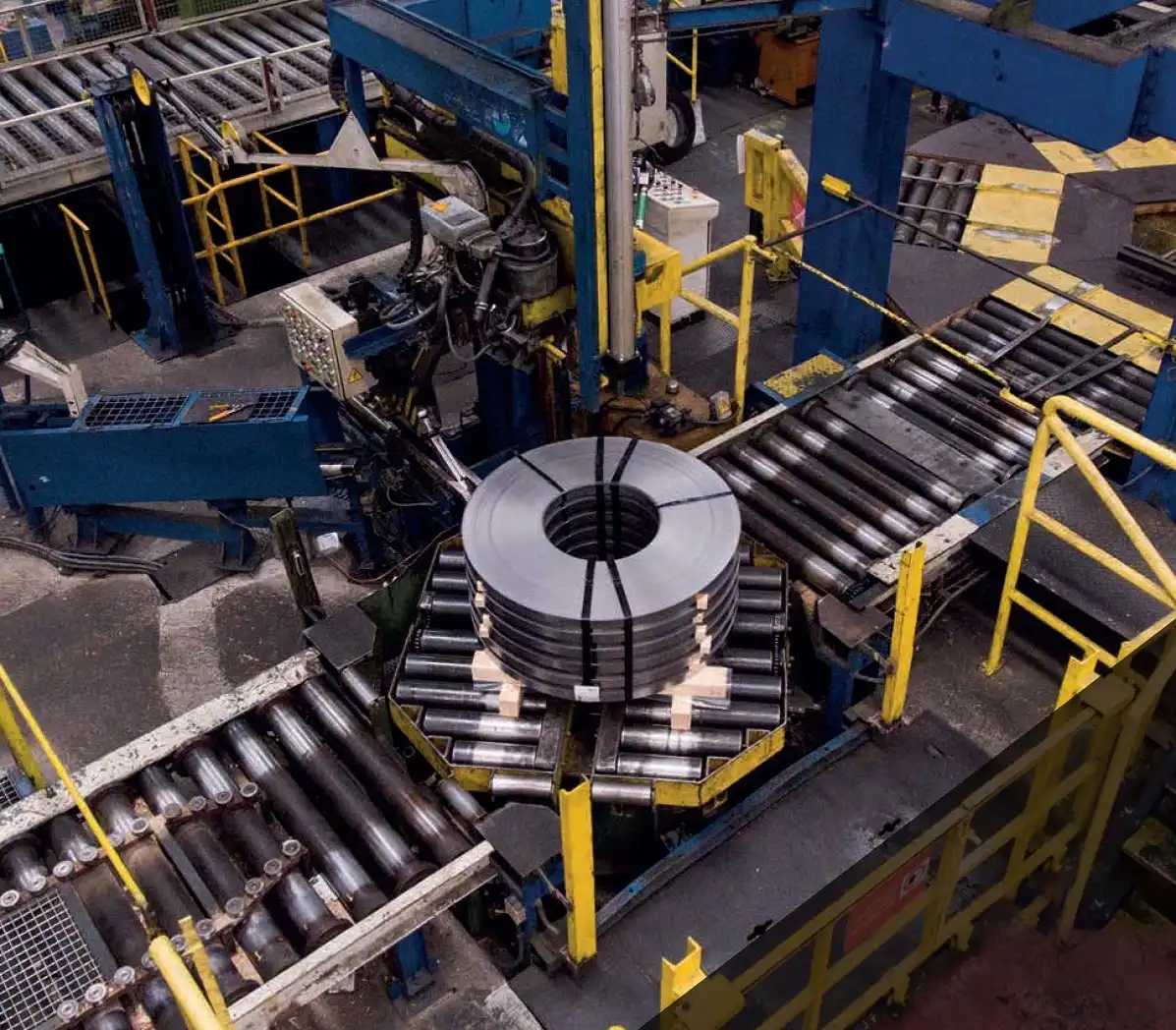
Worker safety is not just a moral obligation. It is also good business practice. An injured worker means lost production. It also means increased costs. When I built my factory, safety was always a top priority. I knew that a safe workplace meant happier employees. It also meant a more productive operation. Automated systems are designed with safety in mind. They follow strict standards. They remove workers from harm’s way.
The Risks of Manual Handling and How Automation Helps
Manual handling of heavy coils presents many dangers. Workers might slip. They might drop something. They might get caught between heavy objects.
- Musculoskeletal Injuries: Lifting and twisting with heavy straps or tools can cause severe back and shoulder injuries. These are common in manual packing.
- Crushing Hazards: Moving large, heavy coils by hand carries a high risk of crushing limbs. This happens if a coil shifts or falls.
- Repetitive Strain Injuries: The repeated motions of manual strapping can lead to injuries like carpal tunnel syndrome. These injuries can cause long-term pain.
- Fatigue-Related Accidents: Tired workers are more likely to make mistakes. This increases the chance of an accident. Long shifts of manual labor contribute to fatigue.
An automated coil strapping machine changes this entire picture. The machine does the heavy lifting. It positions the strap. It applies the tension. Workers operate the machine from a safe control panel. They are not directly exposed to the moving parts or heavy loads. For example, instead of workers manually threading a strap under a multi-ton steel coil, an automatic machine has an integrated strap feeding system. This system wraps the strap around the coil without human intervention. This completely eliminates the risk of fingers getting caught or crushing injuries.
Automation also brings consistency to the process. This means fewer unexpected movements or shifts. The machine knows exactly how much tension to apply. It moves with precision. This reduces the chance of a coil breaking loose during strapping. It also makes the entire process more predictable and safer. Think about a factory floor in Uzbekistan where forklifts are constantly moving heavy coils. If workers are also in the path, it increases collision risk. An automated strapping station can be designed as a dedicated area. This separates workers from the heavy machinery. It creates a safer traffic flow for materials. This focus on safety improves worker morale. It also reduces sick leave. It lowers insurance premiums. It makes your factory a better place to work. This makes it easier to attract and keep skilled labor. This is a win-win for everyone involved.
| Safety Aspect | Manual Strapping | Automated Coil Strapping |
|---|---|---|
| Direct Contact | High, workers handle coils and straps | Low, workers operate from a distance |
| Injury Risk | High (back, crushing, repetitive strain) | Low (primarily remote operation risks) |
| Fatigue Factor | High, leads to increased error potential | Low, consistent machine performance |
| Hazardous Zones | Workers often in close proximity to moving loads | Clearly defined safe zones for operators |
| Training Needs | Extensive, focused on injury prevention | Focused on machine operation and safety protocols |
| Emergency Stop | Dependent on worker reaction | Integrated, rapid machine response |
Investing in automation shows that a factory values its employees. This builds trust. This trust can lead to higher productivity and loyalty. It turns a dangerous job into a supervised, safe operation. This is a vital step for any modern factory in Uzbekistan aiming for excellence.
How Can You Reduce Product Damage During Coil Packing in Uzbekistan?
Are you seeing your valuable products getting damaged during internal transfer or packing? Do customer complaints about scuffed edges or deformed coils cut into your profits? Product damage during the packing process is a common but costly problem. It leads to financial losses and unhappy customers for factories in Uzbekistan.
A coil strapping machine drastically reduces product damage during packing. It applies consistent tension to the strap. This prevents crushing or deforming the coil. It also secures the coil tightly. This stops it from shifting during transit. This precise and controlled application of the strap minimizes scratches, dents, and other imperfections. It ensures products reach customers in perfect condition.
Product quality is crucial for any business. When I first started out, every bit of scrap metal or damaged product was a loss. I quickly learned that investing in good equipment was not just about speed. It was about protecting our hard work. Damaged goods mean unhappy customers. They also mean reworks or rejected shipments. This eats into profits. This is especially true for delicate materials like steel coils or wire.
Precision and Protection: The Automated Advantage
Manual strapping can cause damage in several ways. The strap might be applied too tightly. This can dent soft metals. It might be too loose. This lets the coil move around.
- Inconsistent Tension: Manual tools can apply uneven tension. This can deform the coil if some parts are strapped too tightly. Other parts might be too loose, leading to shifting.
- Scratches and Abrasion: Workers might drag straps across the coil surface. This can cause scratches or scuffs. This is especially true for finished or coated products.
- Dropping or Shifting: During manual handling, heavy coils can be dropped. They can shift unexpectedly. This causes dents or edge damage.
- Improper Placement: Straps might not be placed in the ideal spot. This can lead to less effective securing. This makes the coil more vulnerable to damage during transport.
An automated coil strapping machine uses a precise control system. This system ensures the correct tension is applied every time. It uses sensors to detect the coil’s position. This ensures accurate strap placement. For example, some machines have edge protection features. These features apply a buffer before the strap. This protects the coil’s edges from direct pressure. This is important for sensitive materials. Imagine a factory in Uzbekistan shipping high-value steel coils. Even a small scratch can reduce its market value. An automated system provides a consistent, gentle, yet firm strap. This protects the product from the moment it is packed until it reaches the customer.
Furthermore, automated systems often include integrated conveyor lines. These lines move the coils smoothly through the strapping process. This eliminates the need for forklifts or overhead cranes to constantly lift and reposition the coils at the strapping station. Less handling means less chance of damage. This streamlined flow ensures that the coil is handled minimally and carefully. It is protected at every stage of the packing process. This helps build a reputation for quality. It also reduces the number of customer complaints. It boosts your factory’s bottom line by cutting down on waste and reworks. This is a critical step for any Uzbek business looking to maintain its competitive edge.
| Damage Risk | Manual Strapping | Automated Coil Strapping |
|---|---|---|
| Tension Control | Inconsistent, prone to human judgment | Precise, electronically controlled |
| Surface Damage | Higher risk from dragging straps | Minimal, controlled strap application |
| Deformation | Possible with excessive or uneven tension | Less likely due to uniform pressure |
| Shifting | Can occur with loose straps | Minimized by tight, consistent securing |
| Handling Damage | High due to frequent manual repositioning | Low due to integrated conveying |
| Quality Control | Challenging to maintain uniform quality | High, consistent output |
Investing in automation for product protection is an investment in your brand. It shows your commitment to delivering excellent products. This builds customer loyalty and repeat business. It also means you spend less time and money dealing with returns or claims. This makes your operations more efficient and more profitable in Uzbekistan.
Is Investing in an Automated Coil Strapping Machine Worth It for Uzbek Businesses?
Are you unsure if buying a new packing machine is a smart financial move? Have you dealt with equipment suppliers who promise a lot but deliver little after the sale? Many factory managers in Uzbekistan are cautious about new investments. They want to see a clear return on investment (ROI). They also need a partner they can trust.
Investing in an automated coil strapping machine is highly worth it for Uzbek businesses. It offers a significant return on investment (ROI) by cutting labor costs, reducing product damage, and boosting overall efficiency. This leads to higher profits. Choosing a reliable supplier ensures proper installation and ongoing support. This makes the initial cost a long-term benefit.
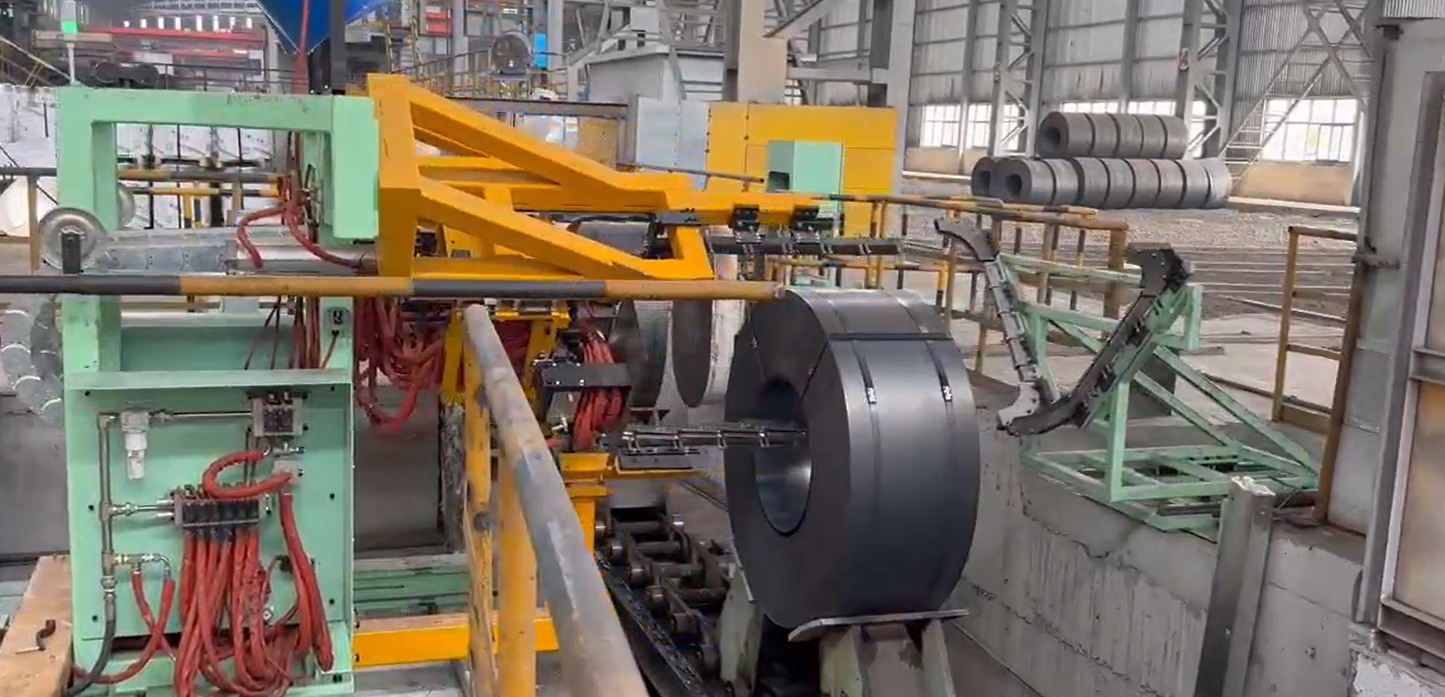
I understand this caution. When I was building my factory, every investment counted. I had to make sure it paid off. I also needed to work with people who stood by their word. The value of a machine goes beyond its price tag. It includes the support you get, the problems it solves, and the money it saves over time. For businesses in Uzbekistan, this trust is especially important. They need solutions that last.
The Clear ROI and Finding a Trusted Partner
The return on investment for an automated coil strapping machine is often very clear.
- Reduced Labor Costs: An automatic machine can do the work of several manual laborers. This means you can reassign workers to other tasks or reduce your overall labor force. Over time, this saves a lot of money.
- Minimized Product Loss: As discussed, automation greatly reduces damage. Fewer damaged products mean less waste and more sellable output. This directly boosts your profits.
- Increased Throughput: Faster packing means you can produce and ship more coils daily. This leads to higher sales volume and faster cash flow.
- Improved Safety, Lower Insurance: Fewer accidents mean lower insurance premiums and reduced costs associated with worker injuries. This improves your financial health.
- Consistent Quality: Delivering consistently well-packed products builds customer loyalty. This leads to repeat business and a stronger market position.
For example, consider a medium-sized factory in Uzbekistan currently spending a significant amount on manual labor for coil packing. If an automated machine costs X amount but saves Y amount in labor and Z amount in damage reduction annually, the payback period can be surprisingly short. After that period, the machine continues to generate savings and profits. This makes it a very attractive investment.
Finding a reliable supplier is just as important as the machine itself. My journey in the packing machine industry has taught me this. I have seen companies that just want to sell a machine and then disappear. This leaves clients struggling with no support. A good supplier offers more than just equipment. They offer expertise. They understand your production challenges. They provide strong after-sales service. This includes installation, training, and maintenance. They act as a partner. They help ensure your investment truly benefits your business in the long run. My goal with FHOPEPACK is to be that kind of partner. I want to share my knowledge. I want to help you succeed, just as others helped me. Choosing the right partner gives you peace of mind. It ensures your machine keeps running smoothly. It protects your investment.
| ROI Factor | Manual Strapping Costs | Automated Strapping Benefits |
|---|---|---|
| Labor | High, recurring wages | Reduced, reallocate staff |
| Product Damage | Significant, reduces profit per unit | Minimized, higher sellable output |
| Throughput | Limited, caps production capacity | Increased, boosts sales potential |
| Safety Costs | High, insurance, injury claims | Lower, safer environment, fewer incidents |
| Maintenance | Minimal for manual tools, high for human error | Regular for machine, but predictable and planned |
| Market Reputation | Can suffer from inconsistent delivery | Enhanced by reliable, high-quality packaging |
Ultimately, investing in an automated coil strapping machine is a strategic decision. It is not just about replacing a manual task. It is about upgrading your factory’s capabilities. It is about making your operations more competitive, safer, and more profitable. This makes it a smart choice for any forward-thinking business in Uzbekistan.
What Are My Personal Insights on Coil Strapping for Uzbekistan?
As an engineer who started on the factory floor and then built a successful packing machine business, I have seen a lot. I have faced the same challenges many factory managers in Uzbekistan face today. I know the pressure to increase output, control costs, and keep workers safe. These experiences have shaped my insights. They also drive my mission to share knowledge.
My personal insight into coil strapping for factories in Uzbekistan is this: It is not just about buying a machine. It is about embracing a solution that transforms your entire production line. It is about moving from an old way of working to a smart, efficient, and safe future. I believe in practical, reliable solutions. I also believe in partnerships that offer true value and support.
When I talk about coil strapping, I am not just talking about steel. I am talking about efficiency. I am talking about safety. I am talking about protecting your hard-earned product. I have spent years perfecting packing machine designs. I have helped many clients grow their businesses. My journey has shown me that the right equipment can change everything. It can turn bottlenecks into smooth processes. It can turn risks into security.
Practical Wisdom for Your Uzbek Factory
My experience has taught me a few key things about implementing new technology. This is especially true for something as vital as coil strapping.
- Understand Your True Bottleneck: Before you buy any machine, truly understand where your current system fails. Is it speed? Is it safety? Is it quality? A coil strapping machine addresses end-of-line bottlenecks. But you must be sure that is your biggest problem first.
- Focus on Total Cost, Not Just Purchase Price: The initial cost of a machine is one thing. But consider its long-term benefits. Think about reduced labor, less waste, and lower injury costs. Think about increased production capacity. These are the real savings.
- Seek Expertise, Not Just Sales: Many suppliers only care about making a sale. Look for a partner who understands your industry. Look for someone who has real-world experience. This partner can offer insights. They can help you pick the right machine. They can also support you after the purchase. This is what I aim to do with FHOPEPACK. I built my business on this principle.
- Prioritize Safety as an Investment: Safety is not an expense. It is an investment. A safer workplace leads to happier employees. It leads to lower costs from accidents. It leads to better productivity. Automated strapping greatly improves safety.
- Start with Clear Goals: What do you want to achieve with a new strapping machine? Do you want to double your output? Reduce injuries by 50%? Have clear, measurable goals. This helps you choose the right machine. It also helps you track its success.
I remember one client who was struggling with manual coil packing. Their workers were exhausted. Their products were getting damaged. I spent time understanding their specific setup. We did not just sell them a machine. We helped them integrate it into their existing line. We trained their staff. The transformation was amazing. Their output jumped. Worker morale improved. Their damage rates dropped to almost zero. This is the kind of impact I believe in. This is the kind of solution I want to bring to factories in Uzbekistan. It is about making smart choices that bring lasting value. It is about empowering your business to reach its full potential.
Conclusion
A coil strapping machine offers Uzbek factories a reliable solution to common problems. It boosts efficiency, enhances safety, and reduces product damage. This results in clear ROI and a stronger, more competitive business.








