
Coil Strapping Machine: Are High Maintenance Costs Hurting Your Factory? Reliable Solutions for Operations in Turkey and Beyond.
Operating a busy factory means you face constant pressure. You work hard to keep production running, but hidden costs often cut into your profits. High maintenance costs for your coil strapping machines are a common problem. They cause unexpected stops and eat into your budget. This issue affects factories all over the world, from Turkey to Mexico and beyond.
High maintenance costs in coil strapping machines often come from using outdated equipment, poor-quality parts, or a lack of proper training. These problems lead to frequent breakdowns and expensive repairs. Reliable solutions involve investing in robust machines, using quality consumables, and ensuring regular, skilled preventive maintenance.

It is easy to feel frustrated when your machines fail and production slows down. But understanding the root causes of these issues is the first step. Then you can find lasting solutions. Let us explore why these problems happen. We will also look at how you can transform your packing line from a cost center into a reliable asset.
Why Do Coil Strapping Machines Have High Maintenance Costs?
Do your coil strapping machines often break down? Do you spend too much money on repairs? This is a common situation for many factory managers. They worry about production delays and rising operational costs.
Coil strapping machines often have high maintenance costs because of several factors. These include cheap components, harsh operating environments, lack of regular preventive maintenance, and insufficient operator training. Each of these can lead to frequent failures and expensive fixes.

I have seen many factories struggle with this issue during my years in the packing machine industry. When I started as an employee, I saw firsthand how unexpected machine failures hurt daily operations. Later, when I built my own packing machine factory, I made sure to design our processes to avoid these pitfalls. I learned that small savings on initial machine cost often lead to huge long-term expenses in maintenance.
The True Costs of Neglecting Quality
Many factors contribute to high maintenance. Here are the main ones:
- Poor Machine Design and Components: Some machines are built with cheaper parts. These parts wear out quickly. They are not made for the heavy-duty work in a metal processing plant. Bearings, motors, and electrical systems fail sooner. This forces you to buy replacement parts often. It also means you need frequent technician visits.
- Harsh Operating Environment: Steel and metal processing factories are tough places. Dust, heat, and vibrations are common. These conditions put a lot of stress on machines. A machine not designed for such an environment will break down more often. It needs more care and part changes.
- Lack of Preventive Maintenance: Many factories wait for a machine to break before fixing it. This is called reactive maintenance. It is costly. A sudden breakdown stops production completely. It costs more to fix an emergency. Regular checks and small fixes can prevent major issues. This is true for any machine, including those in Turkey’s busy steel mills.
- Insufficient Operator Training: Operators who do not know how to use the machine correctly can cause damage. They might overload it or ignore warning signs. Proper training helps operators spot small problems early. It ensures they handle the machine with care. This extends the machine’s life.
The Impact of Maintenance on Your Bottom Line
High maintenance costs are not just about repair bills. They affect your whole factory.
- Production Delays: Every time a machine stops, your production line stops. This means lost output. It also means you miss delivery deadlines. This can lead to unhappy customers.
- Increased Labor Costs: You pay your maintenance team to fix machines. When machines break often, your team is always busy with repairs. They cannot do other important work. This raises your overall labor costs.
- Reduced Equipment Lifespan: Constant breakdowns shorten a machine’s working life. You have to replace it sooner than planned. This is a big capital expense that you did not budget for.
To manage maintenance, think about the full lifecycle cost of a machine, not just the purchase price. Investing in a robust, well-designed coil strapping machine from the start saves you a lot of money in the long run. My journey taught me that quality pays off.
How Can Automation Really Reduce Your Operational Risks?
Are you still relying on manual labor for heavy packing tasks? Do you worry about your workers getting hurt? Many factory managers face these concerns. Manual handling of heavy steel coils or wire bundles is risky.
Automation in coil strapping significantly reduces operational risks by minimizing manual handling. This lowers the chance of worker injuries, improves workplace safety, and creates a more efficient production environment. It also leads to more consistent product quality and less material damage.
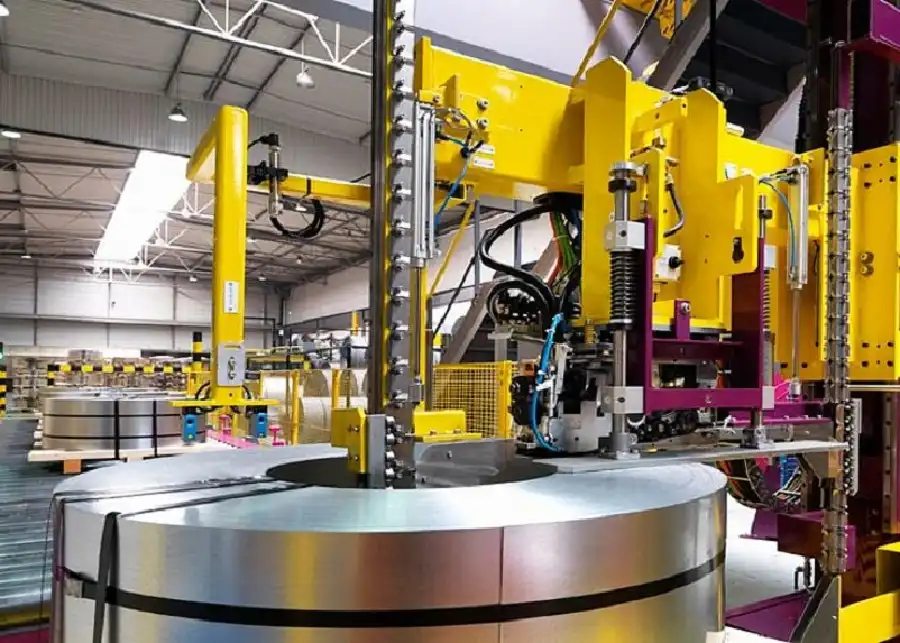
I remember working on the factory floor many years ago. I saw how tough the work was. Moving heavy items by hand often led to back injuries or crushed fingers. These accidents were terrible for the workers. They also caused big problems for the factory. Production stopped. Insurance costs went up. Employee morale went down. That is why, when I built my own factory, safety was always a top priority. Automation was a key part of that vision.
Safety Through Smart Machines
Automation solves many of these safety problems.
- Eliminating Manual Lifting: Automatic strapping machines handle heavy coils. Workers do not need to lift or move them by hand. This directly reduces the risk of back injuries, strains, and accidents from dropping heavy objects. Safety incidents lead to higher insurance premiums and worker turnover. Automation removes these dangers.
- Controlled Processes: Machines perform tasks with precision and consistency. This reduces human error. Human error often leads to accidents. For example, a machine applies straps with exact tension. A worker might apply too little or too much tension, causing the strap to fail or the coil to be damaged.
- Safer Work Environment: With automated systems, workers can step back from dangerous areas. They can supervise from a control panel. This creates a safer zone for everyone on the floor.
Beyond Safety: Boosting Efficiency and Quality
Automation does more than just improve safety. It makes your factory run better.
- Increased Speed and Throughput: Machines work much faster than humans. An automated strapping machine can complete a task in minutes that might take a worker much longer. This speeds up your end-of-line packing process. It helps you meet delivery deadlines.
- Consistent Quality: Machines perform the same task the same way every time. This means consistent strap tension and placement. Your products are packed uniformly. This consistency reduces product damage during transport. It makes your customers happier.
- Reduced Labor Costs: While there is an initial investment, automation cuts down on your need for a large workforce for strenuous tasks. Over time, the savings in labor costs are significant. This improves your overall profitability. This is especially true in regions where labor costs are rising, like some parts of Turkey.
Automated solutions are not just about buying a machine. They are about transforming your operational risks into controllable processes. They turn potential injuries into safe work environments. This leads to a more productive and profitable factory.
Are Your Current Packing Processes Hurting Your Product Quality and Profit?
Do your steel coils or wires sometimes get damaged during internal transport or packing? Do you often get customer complaints about product quality upon arrival? These issues can severely affect your reputation and your bottom line.
Inefficient or manual packing processes frequently lead to product damage, such as bent edges or surface scratches on steel coils. This directly results in customer complaints, rework, and lost profits. Automating these processes ensures consistent quality and significantly reduces product loss.
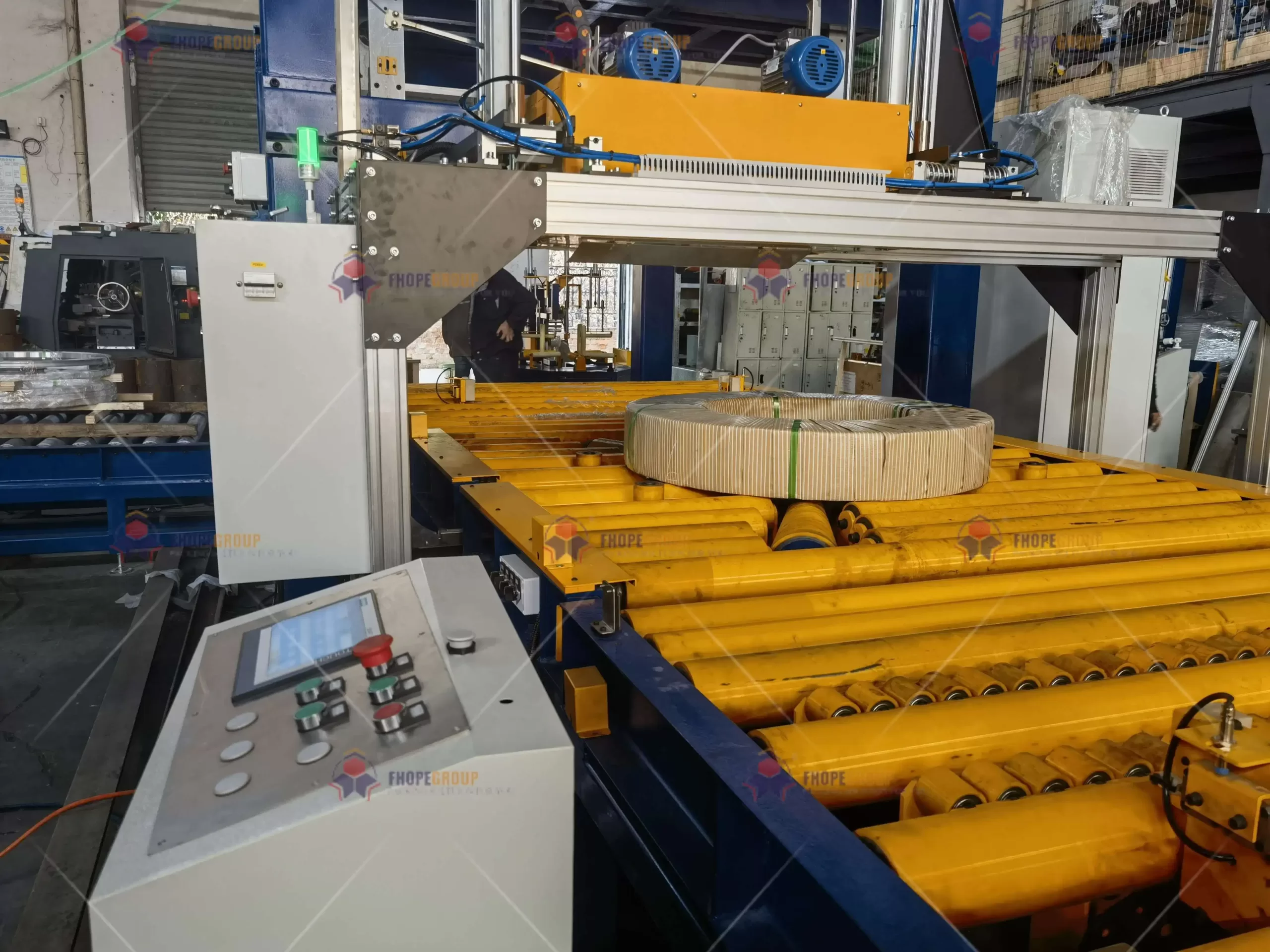
When I was building my factory, one of my biggest concerns was maintaining product quality right up to the customer’s door. I knew that even if the manufacturing was perfect, poor packing could ruin everything. I saw many cases where a perfectly good coil left the production line but arrived at the customer damaged because of manual handling or poor strapping. This always meant unhappy customers and renegotiated prices. It was a clear sign that the packing process needed as much attention as the production itself.
The Hidden Costs of Poor Packing
Product damage during packing might seem like a small issue. But it adds up.
- Direct Damage Costs: Damaged products mean direct financial loss. You might have to offer discounts. You might need to rework the product. Or, in the worst case, you might scrap the product entirely. For steel coils, even small edge dents can make a whole coil unusable for certain applications.
- Customer Dissatisfaction: When customers receive damaged goods, they lose trust in your factory. This can lead to fewer future orders. It can also harm your brand reputation in the market. In a competitive industry like steel processing in Turkey, customer trust is vital.
- Increased Insurance Claims and Disputes: Product damage can lead to more insurance claims. It can also lead to disputes with logistics partners. These add administrative burdens and legal costs.
- Inefficient Use of Resources: If you spend time fixing damaged products or dealing with complaints, that is time taken away from producing new goods. Your resources are diverted from value-adding activities.
How Automated Packing Protects Your Product and Profits
Automating your packing line directly addresses these issues.
- Consistent and Gentle Handling: Automated systems are designed to handle products with care. They use precise movements. This minimizes impacts and friction that cause damage. For example, a machine applies uniform tension to straps, preventing over-tightening that can deform coils or under-tightening that can cause shifting.
- Optimized Packing Material Use: Automated machines use packing materials more efficiently. They apply the right amount of strap or film. This reduces material waste. It also ensures the product is secure. This further protects the product during transit.
- Higher Throughput, Lower Costs: By speeding up the packing process, you can handle more volume. You need fewer workers for this stage. This directly lowers your labor costs per unit. The investment in automation pays for itself through reduced waste, fewer complaints, and higher efficiency.
- Improved Traceability: Many automated systems integrate with factory management software. This allows you to track each packed item. You know exactly when and how it was packed. This helps pinpoint issues if damage still occurs further down the line. This level of control is something manual processes cannot offer.
Investing in robust, automated packing solutions is not just about upgrading machinery. It is about safeguarding your product quality. It is about protecting your profits. It ensures your hard work in production is not undone at the final stage.
How Do You Find a Trustworthy Partner for Your Packing Machine Needs?
Have you ever bought a machine only to find the supplier disappears after the sale? Or do they offer poor after-sales service? This is a common story for factory managers. It leads to frustration and a lack of support when you need it most.
Finding a trustworthy partner for your packing machine needs means looking beyond the initial sale price. A reliable supplier offers deep industry expertise, understanding of your specific challenges, strong after-sales support, and a commitment to long-term collaboration, not just a quick transaction.

My journey in the packing machine industry taught me the true value of a partner. When I was building my own factory, I needed reliable equipment. But more than that, I needed people who understood my challenges. I needed suppliers who would stand by their products. I saw firsthand that some companies are only interested in making a sale. They do not care about your success after that. I learned that a good partner acts like an extension of your own team. They help you grow, just like I helped many of my clients grow their businesses by providing the right packing solutions.
The Pitfalls of “Sales-First” Vendors
Beware of suppliers who only focus on selling you a machine.
- Lack of Understanding: They might not take the time to truly understand your factory’s specific bottlenecks or safety concerns. They just want to push a standard product.
- Poor After-Sales Support: Once the machine is delivered, they become unreachable. Spare parts are hard to get. Technical support is slow or non-existent. This leaves you stranded when problems arise. This is a common complaint in many regions, including among factory managers in Turkey.
- No Long-Term Vision: They are not interested in helping your business grow. They do not offer advice on future upgrades or system optimization. Their goal is just the current sale.
What Makes a Truly Trustworthy Partner?
A good partner invests in your success.
- Deep Industry Knowledge: They understand the unique demands of your industry, whether it is steel, logistics, or heavy manufacturing. They know about specific challenges like coil edge damage or high labor costs in manual handling. This knowledge allows them to offer tailored solutions.
- Problem-Solving Approach: They listen to your challenges. They ask questions. They work with you to identify the root causes of your issues. Then they propose solutions that genuinely address them, rather than just selling you a machine.
- Commitment to After-Sales Service: They have a clear plan for support. This includes training for your staff, readily available spare parts, and quick technical assistance. They see service as part of the overall solution.
- Proven Track Record and Experience: Look for companies with a history of successful installations. Look for those with testimonials from satisfied clients. A company founded by an engineer who has built and operated factories, like me, understands your pain points because they have lived them.
- Long-Term Partnership: They view your relationship as a long-term one. They want to see your business thrive. They offer insights and support that go beyond just the equipment.
Choosing the right partner is as important as choosing the right machine. It ensures your investment truly solves your problems and drives your factory forward.
My Insights: Building a Sustainable Future for Your Packing Operations.
Many factory managers face daily struggles. They manage production, control costs, and ensure safety. My journey in the packing machine industry has given me a unique perspective on these challenges. I started as an employee, working on the factory floor. I learned firsthand what makes a machine reliable. I saw the impact of good and bad decisions on a company’s bottom line.
My path from an employee to a successful packing machine factory owner taught me critical lessons about sustainability in operations. It is not just about buying machines. It is about investing in the right technology, fostering a culture of safety, understanding the true cost of inefficiency, and choosing partners who share your long-term vision.
My experience helped me achieve financial independence. It also showed me the power of sharing knowledge. That is why I founded FHOPEPACK. I want to help others succeed in this field. I want to share the insights I gained. These insights are not just theoretical. They come from years of hands-on work and building a business from the ground up. I have seen what works and what does not work. I have helped many clients grow their businesses by implementing smart packing solutions.
The FHOPEPACK Philosophy: Knowledge for Growth
My core belief is that knowledge is the key to overcoming challenges.
- Understanding the “Why”: Before you buy any machine, understand why you need it. Is it to solve an efficiency bottleneck? To improve safety? To reduce product damage? A clear understanding of your problems helps you choose the right solution.
- Investing in Value, Not Just Price: I learned that the cheapest option often costs the most in the long run. Cheap machines lead to high maintenance, frequent breakdowns, and lost production. Invest in durable, reliable equipment. It pays for itself through lower operational costs and consistent performance. This is especially true for heavy-duty applications like coil packing in a steel mill.
- Empowering Your Team: Your operators are crucial. Invest in their training. Make sure they understand how to use and maintain the machines. A well-trained team can prevent many problems before they start.
- Building Partnerships: Do not just look for vendors. Seek partners. A true partner understands your business. They offer support. They help you plan for the future. They are committed to your success, just like FHOPEPACK is committed to sharing knowledge to help you master packing machines.
- Continuous Improvement: The industry is always changing. New technologies emerge. Always look for ways to make your processes better. This applies to your machines, your staff, and your overall operational strategy.
My Personal Journey and Your Success
I know the pressures you face as a factory manager. I have walked that path. I understand the need for efficiency, safety, and profitability. The lessons I learned from building a successful packing machine factory are what I share through FHOPEPACK. I am grateful for what the coil packing and steel wire packing industry has given me. Now, I give back by providing practical advice and reliable solutions. My goal is to help you build a more sustainable, efficient, and profitable future for your factory.
Conclusion
High maintenance costs are a common challenge. Reliable coil strapping machines and smart automation solve these problems. Invest in quality and trusted partners for long-term success.








