
Coil Strapping Machine — Worried About CSA Compliance and Operator Safety in Canada?
You might be feeling the pressure. I remember that feeling well. As a factory manager, you constantly balance output targets, cost controls, and the ever-present need for safety. You see manual processes eating away at your efficiency. You also see the constant risk to your workers, especially when heavy coils are involved. You need solutions that work, and you need them now.
The truth is, ensuring CSA compliance and boosting operator safety with a new coil strapping machine is very achievable. It requires careful planning, understanding your factory’s specific needs, and choosing the right equipment designed for these exact challenges. This investment directly improves your operations and protects your team.

You might be wondering if a new strapping machine can really fix all these problems. You might also be thinking about past experiences with suppliers who did not deliver. I understand these concerns. But let me tell you, with the right approach, automating your coil strapping can transform your production line. Let’s break down how.
Are Manual Coil Strapping Methods Really Costing You More Than You Think?
Are you seeing your production line slow down at the very end? Do you often feel like your overall output is limited by how fast your team can strap coils? You might have already identified this bottleneck. It impacts your delivery times. It impacts your customer satisfaction. This manual process is not just slow. It is also expensive.
Yes, manual coil strapping methods almost always cost more in the long run due to low efficiency, high labor costs, increased safety risks, and potential product damage. These hidden costs often outweigh the initial investment in automation, making manual processes a significant drain on your profitability.
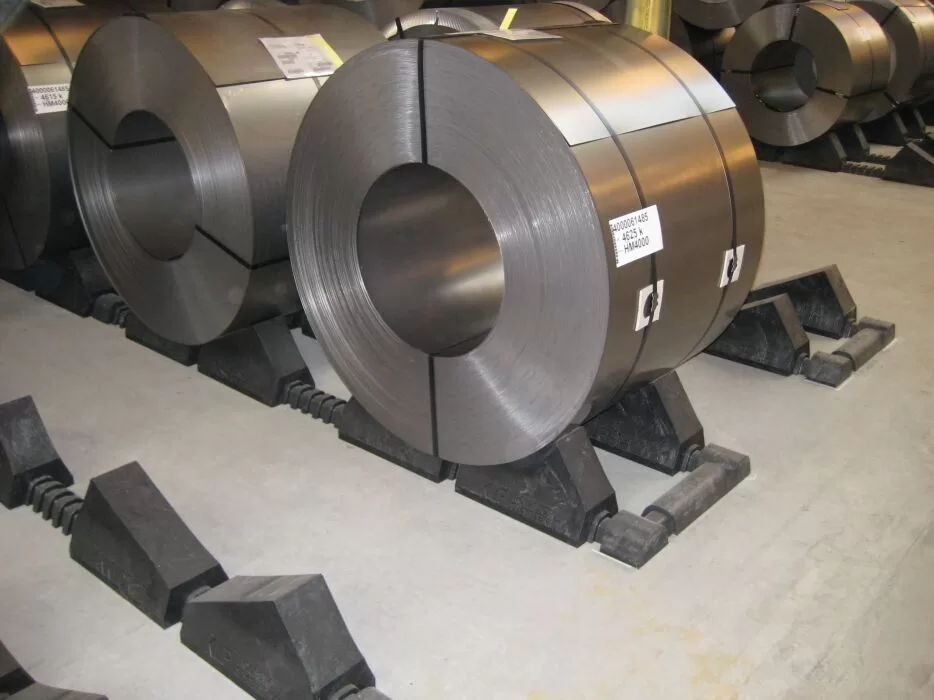
Let’s dig a bit deeper into these costs. When I was running my own packing machine factory, I saw first-hand how manual processes could bleed a company dry. It was not just about paying wages. It was about everything else that came with it. We had to consider overtime pay. We faced insurance premiums. There was also the cost of training new staff when people left. It was a complex issue.
-
Understanding the True Cost of Manual Labor Many factory managers only look at the hourly wage of their workers. But the true cost of manual labor is much higher. You need to add benefits. You need to add payroll taxes. There are also workers’ compensation costs. If a worker gets injured, those costs can skyrocket. In Canada, CSA compliance emphasizes worker safety. This means companies face strict rules. If you do not follow them, you can get big fines. This adds another layer of cost and risk to manual operations. Manual strapping often requires multiple people. This means higher labor expenses for the same output.
-
Efficiency Losses and Production Bottlenecks Manual strapping is slow. It creates a bottleneck at the end of your production line. This means your expensive machinery upstream sits idle sometimes. It waits for the strapping process to finish. This reduces your overall factory output. It can lead to missed deadlines. It can also lead to customer complaints. Imagine if you could process coils twice as fast. Think about how much more you could produce in a day. This directly impacts your revenue.
-
Risk of Injury and Associated Costs Moving heavy coils by hand is dangerous. Workers can suffer back injuries. They can get crushed fingers. They can also have other severe accidents. These injuries lead to lost workdays. They lead to medical expenses. They also cause an increase in insurance rates. Beyond the financial cost, there is a human cost. Employee morale can drop. Turnover rates can increase. A safe workplace is a productive workplace. Automating this task reduces these risks significantly. It protects your most valuable asset: your people.
| Aspect | Manual Strapping Cost Impact | Automated Strapping Cost Impact |
|---|---|---|
| Labor Costs | High wages, overtime, benefits, payroll taxes, training | Reduced need for direct labor, lower overall labor costs |
| Efficiency | Slow, bottlenecks, reduced output, missed deadlines | Faster cycles, increased throughput, higher overall production |
| Safety Risks | High injury rates, increased insurance, medical costs, fines | Significantly reduced injuries, lower insurance, safer workplace |
| Product Damage | Frequent damage to edges/surfaces during handling | Minimized damage through consistent, precise handling |
| Operational Hours | Limited by worker fatigue, shift changes | Can run continuously, 24/7 if needed |
| Compliance | High risk of non-compliance if safety standards are not met | Easier to meet safety and industry standards, including CSA |
This table clearly shows the financial burden of sticking with old methods. Investing in automation is not just an expense. It is a strategic move that pays for itself.
Can Automating Your Coil Strapping Process Truly Boost Worker Safety?
You are probably looking for ways to protect your team. You want to make sure everyone goes home safe at the end of the day. Manual handling of heavy steel coils poses huge risks. This includes lifting, moving, and even just applying the strapping itself. You ask if automation can really make a difference. It can.
Yes, automating your coil strapping process significantly boosts worker safety by removing human interaction with heavy coils, eliminating manual lifting, reducing repetitive strain injuries, and creating a more controlled, predictable work environment. It directly addresses many of the high-risk activities in coil packing.

When I started FHOPEPACK, one of my main goals was to create machines that not only performed well but also protected the people using them. I had seen too many close calls, too many injuries, during my time on the factory floor. I know the pressures on factory managers. You want to avoid those incidents. You also want to keep your insurance rates low. The safest way to handle heavy loads is often to remove the human element.
-
Eliminating Direct Human Contact with Heavy Loads Manual coil strapping requires workers to get close to very heavy, often unstable coils. They must lift straps. They must manipulate tools. This puts them in dangerous positions. An automated strapping machine handles the entire process. It loads the coil. It applies the strap. It seals it. Workers only need to monitor the machine. This greatly reduces their exposure to potential hazards. This means fewer accidents. It means a safer environment for everyone on the floor.
-
Reducing Repetitive Strain Injuries (RSIs) Even if a worker does not get a sudden injury, repetitive tasks can cause long-term problems. Manual strapping involves a lot of bending, lifting, and repetitive movements. These actions can lead to musculoskeletal disorders. These are common and costly injuries. They can put experienced workers out of commission. Automation removes these tasks from human hands. This protects your workforce from chronic injuries. It keeps your skilled workers healthy and on the job.
-
Ensuring CSA Compliance and Workplace Standards In Canada, the Canadian Standards Association (CSA) sets strict guidelines for machinery and workplace safety. These standards are critical. They protect workers. They also ensure equipment operates reliably. A properly designed automatic coil strapping machine meets these CSA standards. It has built-in safety features. These include emergency stops. They include safety interlocks. They also have clear guarding. Investing in CSA-compliant equipment is not just good practice. It is a legal requirement. It shows your commitment to your employees’ well-being. This compliance also helps avoid costly fines and legal issues.
| Safety Area | Manual Strapping Machine Risks | Automated Strapping Machine Benefits |
|---|---|---|
| Direct Contact | High risk of crushing, pinching, or impact injuries from coils | No direct human contact with moving coils during strapping |
| Lifting & Ergonomics | Heavy lifting of straps, tools; awkward postures, back strain | Eliminates manual lifting; ergonomic design for maintenance access |
| Repetitive Motion | High risk of carpal tunnel, tendonitis, shoulder injuries | Reduces repetitive tasks for operators; limits human interaction |
| Machine Operation | Direct operation of hand tools with potential for slips/pinches | Enclosed system; operators interact with control panel, not moving parts |
| CSA Compliance | Difficult to consistently ensure; high human error potential | Designed to meet strict CSA safety standards; built-in safety features |
| Work Environment | High-stress, physically demanding, noisy | Quieter, safer, more predictable environment; reduced worker fatigue |
The decision to automate is a safety decision. It creates a work environment where your team can thrive. They do not have to constantly worry about getting hurt. This leads to higher morale. It leads to better retention rates. It is a win-win situation.
How Can You Stop Product Damage During Coil Packing and Shipping?
Have you ever had a customer call to complain about damaged coils? Maybe the edges were bent. Maybe the surface was scratched. This happens often with manual handling. It can happen during internal transport. It can also happen during the final packing stage. Product damage is frustrating. It costs you money. It also harms your reputation. You are looking for a way to stop this.
You can stop product damage during coil packing and shipping by implementing automated coil strapping solutions. These machines provide consistent, precise tensioning and careful handling, which drastically reduces the risk of bends, scratches, or deformation often caused by inconsistent manual methods.

I have seen the impact of product damage on businesses. It is not just the cost of replacing the damaged product. It is also the lost time. It is the cost of re-shipping. Most importantly, it is the lost trust with your customers. In my experience, even a small amount of damage can lead to a big problem. This is especially true for high-value materials like steel and aluminum coils. This is why I always focus on precision in packing.
-
Consistency in Strapping Tension and Placement Manual strapping relies on human judgment. This means the tension might not be even. The straps might not be placed in the exact same spot every time. This inconsistency leads to problems. If the strap is too loose, the coil can shift. This causes damage. If it is too tight or placed incorrectly, it can deform the coil itself. Automated machines apply consistent tension. They place straps precisely. This ensures the coil is securely held. It prevents movement. This protects the product during handling and transport.
-
Minimizing Handling and Impact Every time a coil is handled, there is a risk of damage. Manual processes often involve more lifting and repositioning. This increases the chances of drops or impacts. Automated systems streamline the process. They move the coil directly into the strapping station. This reduces unnecessary handling steps. It minimizes the opportunities for damage. Less handling means fewer scratches. It means fewer dents. It means your product arrives in perfect condition.
-
Protecting Edges and Surfaces The edges of coils are very vulnerable. They can bend or get dinged easily. Manual methods sometimes involve rough handling of tools near the edges. Automated strapping machines are designed to protect these areas. They often have specific features to guide the strap around the coil smoothly. This prevents metal-on-metal contact. It reduces the risk of edge damage. This is crucial for industries where product aesthetics and integrity are key. Think about high-grade steel or aluminum coils. Even minor damage can make them unsellable.
| Damage Type | Manual Strapping Machine Risk | Automated Strapping Machine Benefit |
|---|---|---|
| Edge Damage | Uneven tension, rough handling, contact with tools, shifting | Consistent tension, precise placement, gentle handling, no tool contact |
| Surface Scratches | Abrasion during manual manipulation, improper strap application | Smooth, controlled strap application, reduced human interaction |
| Coil Deformation | Over-tightening or uneven tension, improper support | Precise tension control, uniform pressure distribution |
| Shifting During Transit | Loose or inconsistent strapping, poor securement | Secure, reliable strapping, prevents movement during transport |
| Product Waste | Damaged goods, rework, returns, dissatisfied customers | Significantly reduced damage, lower waste, improved customer satisfaction |
By investing in an automated coil strapping machine, you are investing in product quality. You are investing in your brand’s reputation. This is a critical step in maintaining customer loyalty. It also ensures you maximize the value of every coil you produce.
What Are My Top Insights for Mastering Your Packing Operations?
You have seen the challenges. You know the goals. You are looking for more than just a piece of equipment. You want a true partnership. You want someone who understands your factory, your pressures, and your ambitions. You ask what insights I can offer from my journey. I can give you several.
My top insights for mastering your packing operations involve seeing automation as a strategic partnership, focusing on a clear ROI, prioritizing worker safety above all, and choosing suppliers who offer genuine expertise and reliable long-term support, not just a sale.

My journey in the packing machine industry started from the ground up. I began as an employee. I learned every aspect of the machines. Then I built my own factory. This gave me a unique perspective. I have been in your shoes. I know the feeling of needing to grow, needing to improve, but also needing to be smart with investments. I also know the frustration of working with vendors who did not understand my real needs.
-
Focus on Total Cost of Ownership (TCO), Not Just Purchase Price Many factory managers look only at the sticker price of a machine. This is a mistake. The real cost of a machine includes its purchase price, installation, maintenance, energy consumption, and how much it saves you in labor and waste. A cheaper machine might have higher operating costs. It might break down more often. It might require more manual intervention. A more expensive machine with a lower TCO will save you money in the long run. Calculate the ROI carefully. Consider all the variables. This is how you make a smart investment. I always tell my clients, “Don’t just buy a machine; invest in a solution.”
-
Prioritize a Partner Who Understands Your Process, Not Just Sells a Product You need a supplier who takes the time to understand your specific production line. They should know your bottlenecks. They should understand your material flow. They should also understand your safety concerns. A good partner offers solutions tailored to your factory. They do not just push a standard product. They ask questions. They listen. They provide expertise. This is what I strive for at FHOPEPACK. My own experience building factories taught me that the best relationships are built on trust and shared understanding.
-
Embrace Automation as a Path to Growth and Financial Independence Automation is not just about cutting costs. It is about enabling growth. By automating your coil strapping, you remove a major bottleneck. This allows you to increase your overall production capacity. You can take on more orders. You can enter new markets. For me, investing in the right equipment and optimizing processes was key to achieving financial independence. It also helped my clients grow their businesses significantly. See this investment as a step towards expanding your factory’s potential.
-
Look for Proven Reliability and Strong After-Sales Support A machine is only as good as its uptime. You cannot afford frequent breakdowns. Ask about the machine’s reliability. Ask about spare parts availability. Most importantly, inquire about after-sales service. Will the supplier be there when you need them? Do they offer training? Do they have technicians ready to help? My experiences taught me that good after-sales support is just as important as the quality of the machine itself. Without it, you are left stranded.
| Area of Insight | My Recommendation | Why It Matters for You |
|---|---|---|
| Investment Strategy | Focus on Total Cost of Ownership (TCO) and clear ROI | Ensures long-term profitability and sustainable growth |
| Supplier Choice | Seek a partner who understands your specific process and needs | Guarantees a tailored solution, not just a generic product |
| Automation Mindset | View automation as a catalyst for growth and increased capacity | Unlocks new business opportunities and competitive advantages |
| Support & Reliability | Demand proven reliability and excellent after-sales support | Minimizes downtime, ensures smooth operations, protects your investment |
| Safety Culture | Embed safety deeply; use automation to remove human risk | Protects your workforce, reduces costs, improves morale, ensures compliance |
These insights are born from years of hands-on experience. They are what I share with every client. They are what I believe truly leads to success in the packing industry.
Conclusion
Automating coil strapping addresses efficiency, safety, and product damage. It is a strategic move, offering clear ROI and enhancing your factory’s capabilities. Choose a partner committed to your long-term success.








