
Coil Strapping Machine — What Specs Matter Most for a 2025 Line Upgrade in Canada?
You know the feeling, right? You walk onto the factory floor, and there it is: that bottleneck. Maybe it is the manual coil strapping slowing down your entire steel processing line. Or perhaps your team is struggling with heavy, awkward movements, risking injuries every single day. I have been there. I have seen countless factory managers like you facing these exact problems. It is a real pain point, and it eats into your profits and peace of mind.
When you are looking to upgrade your coil strapping machine in Canada for 2025, the most important specifications revolve around throughput capacity, machine durability, integrated safety features, and precise strapping tension control. These core specs directly influence your operational efficiency, worker safety, and the integrity of your finished products, ensuring a robust return on your investment in a high-demand manufacturing environment.

It is not just about buying a machine; it is about finding a solution that truly solves your operational challenges. I built FHOPEPACK to share what I learned over my years in the packing machine industry. I want to help you make smart decisions. Let us dive deeper into what really matters when you pick the right coil strapping machine for your factory.
What Capacity and Speed Does Your Operation Really Need?
Is your current strapping process holding back your whole production line? Many factory managers tell me their end-of-line packaging cannot keep up. This creates a serious bottleneck, slowing down deliveries and wasting valuable time. You feel the pressure to ship more, faster, but your manual or old system just cannot handle it.
For a 2025 line upgrade in Canada, assess your coil strapping machine’s required capacity by analyzing your maximum daily coil production and peak throughput, ensuring the machine can handle not only current volumes but also future growth. High strapping speeds and full automation capabilities are critical specifications to eliminate bottlenecks and boost overall line efficiency.
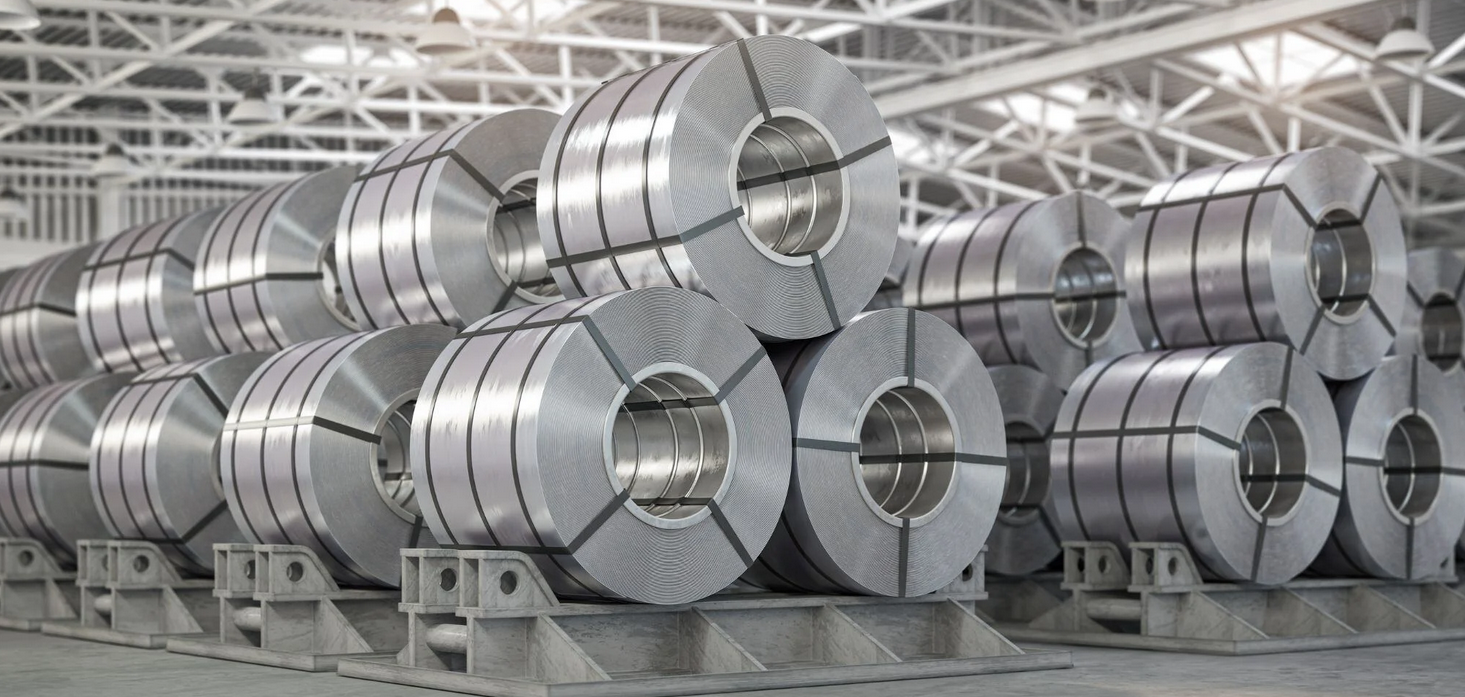
When I started my own packing machine factory, I saw firsthand how crucial every minute was. If one part of the line slowed down, the whole operation suffered. This is why understanding your true capacity needs is not just an estimate; it is a critical analysis. You need to look at your peak production days, not just your average. Think about your busiest times, your busiest shifts. Can your new machine handle that? If it cannot, you will still have a bottleneck. A truly efficient system anticipates growth. It provides headroom for your business to expand without needing another immediate upgrade. This is where automation comes in. A machine that handles multiple strapping cycles per minute, with minimal human intervention, frees up your labor for more skilled tasks. It means fewer errors too. This is not just about raw speed. It is also about the machine’s ability to integrate smoothly with your upstream and downstream processes. Does it have smart sensors? Can it communicate with other equipment on your line? These factors make a big difference in how smoothly your entire operation runs. Over my career, I saw how a small investment in automation at the right place could unlock huge productivity gains for my clients. It is about working smarter, not just harder.
Understanding Throughput Requirements
- Coils Per Hour (CPH): This is your main metric. How many coils do you produce in an hour during your busiest times? Your new machine must match or exceed this. Do not just look at average numbers. Look at your maximum.
- Coil Dimensions: Consider the range of coil widths, outer diameters (OD), and inner diameters (ID) you handle. The machine must accommodate your smallest and largest coils without complex reconfigurations. This saves time between different product runs.
- Strap Material and Number of Straps: Decide if you need steel or PET strapping. How many straps does each coil need? More straps mean more cycles. The machine should handle your chosen material effectively and apply the required number of straps quickly.
| Specification Aspect | Importance for Efficiency | Key Considerations for Canada (2025) |
|---|---|---|
| Strapping Speed | Directly impacts throughput; faster cycles reduce bottlenecks. | Aim for 60-90 seconds per strap cycle to meet high Canadian demand. |
| Automation Level | Minimizes manual labor, reduces errors, improves consistency. | Full automation (feeding, tensioning, sealing, cutting) is ideal for ROI. |
| Coil Size Range | Ensures flexibility for various product lines without delays. | Must handle typical Canadian steel coil sizes (e.g., 500-2000mm OD). |
| Integration | Seamless connection with existing conveyors/cranes. | Look for easy PLC integration with modern factory systems. |
Why Machine Durability and Build Quality Are Non-Negotiable?
Have you ever bought a piece of equipment only to have it break down too soon? It is frustrating. For factories dealing with heavy materials like steel coils, reliability is everything. A machine failure means downtime, lost production, and missed deadlines. You need equipment that can stand up to the tough demands of a metal processing plant, day in and day out, without fail.
For a 2025 line upgrade, a coil strapping machine’s durability and build quality are non-negotiable specifications, especially in Canada’s demanding industrial environments, demanding robust components, heavy-duty construction, and a proven track record of continuous operation to withstand high stress and prevent costly unplanned downtime.

When I was building my packing machine factory, I knew from experience that cutting corners on material quality or engineering would only lead to problems down the road. It might save a little money upfront, but the cost of repairs, lost production, and damaged reputation far outweighs any initial savings. Think about the Canadian climate too. Extreme temperatures, dust, and continuous operation all put stress on machinery. You need a machine built for these conditions. This means using high-grade steel for the frame, heavy-duty motors, and components designed for industrial use. Look for machines with well-known, reliable parts from reputable manufacturers. This includes things like bearings, hydraulics, and electrical components. These small details add up to a machine that just keeps running. I have seen many companies invest in cheaper machines only to replace them within a few years. That is not smart business. A durable machine gives you peace of mind. It ensures your operations run smoothly, and your team stays focused on production, not on maintenance headaches. It is an investment that pays for itself over its long operational life.
Key Aspects of Durability
- Frame Construction: Look for heavy-gauge steel, welded frames. This provides stability and strength to handle heavy coils and constant use. Weak frames can twist or crack over time.
- Component Quality: High-quality brands for motors, gearboxes, electrical components (PLCs, sensors) are essential. These parts are the heart of the machine. They must be reliable.
- Wear Parts: Consider the design of wear parts. Are they easy to replace? Are they made from materials that resist abrasion and fatigue? This is crucial for long-term maintenance.
- Environmental Protection: Does the machine have features to protect against dust, moisture, and extreme temperatures? This is especially important for industrial settings where conditions are not always ideal.
| Specification Aspect | Importance for Durability | Key Considerations for Canada (2025) |
|---|---|---|
| Material Strength | Resists deformation and wear from heavy loads and cycles. | High-strength steel frames (e.g., Q345B) are preferred for robustness. |
| Component Brands | Ensures reliability and easy access to spare parts. | Source from reputable global suppliers (e.g., Siemens, Schneider, SKF). |
| Bearing/Gearbox | Handles high torque and continuous operation without failure. | Over-engineered for 24/7 industrial use, reducing breakdown risk. |
| Protective Features | Guards against harsh environmental factors. | Enclosed electrical cabinets, sealed bearings for dust and moisture. |
How Do Advanced Safety Features Protect Your Team?
Manual handling of heavy coils or flipping pallets is not just slow; it is extremely dangerous. I hear stories all the time about injuries, high insurance costs, and employee turnover directly linked to unsafe manual processes. As a factory manager, you are under pressure to improve safety. You need solutions that protect your workers from harm, not just increase production.
Advanced safety features are a critical specification for any coil strapping machine upgrade in Canada, incorporating robust guarding, emergency stops, automated interlocks, and sensor-based detection systems to minimize human-machine interaction, drastically reduce the risk of accidents, and ensure compliance with stringent safety regulations.

My journey in the packing machine industry started on the factory floor. I saw the risks firsthand. I learned that true efficiency does not come at the expense of safety. In fact, a safer workplace is almost always a more efficient one. When your team feels safe, they work better. They are more productive, and you face fewer costly incidents. For a new coil strapping machine, safety is not an add-on; it is a fundamental design principle. This means the machine should be designed to reduce human exposure to moving parts, high tension areas, and heavy loads. Think about features like light curtains, pressure mats, and clear emergency stop buttons placed at strategic locations. It also includes intuitive control panels that are easy for operators to understand, reducing the chance of human error. In Canada, workplace safety regulations are strict, and for good reason. Investing in a machine with top-tier safety features not only protects your employees but also ensures you meet compliance standards, avoiding fines and legal issues. It is about creating a work environment where your team can thrive, knowing you value their well-being above all else. This commitment to safety builds trust and a positive work culture.
Essential Safety Features
- Guardings and Enclosures: Physical barriers to prevent access to moving parts during operation. These should be robust and securely mounted.
- Emergency Stop Buttons: Multiple, clearly marked E-stops strategically placed around the machine. These should immediately cut power and stop all motion.
- Light Curtains/Safety Scanners: Sensors that detect when a person enters a danger zone, immediately halting machine operation. This is key for automated lines.
- Interlocks: Doors and access panels should have safety interlocks that prevent the machine from operating if they are open.
- Warning Systems: Audible alarms and visual beacons to alert operators to machine status or potential hazards.
- Fail-Safe Design: Systems designed to go into a safe state in case of power loss or component failure.
| Specification Aspect | Importance for Safety | Key Considerations for Canada (2025) |
|---|---|---|
| Physical Guarding | Prevents accidental contact with moving parts. | Fully enclosed strapping heads and danger zones, built to CSA standards. |
| E-Stop Integration | Allows immediate shutdown in emergencies. | Easily accessible, clearly marked E-stops on all sides of the machine. |
| Sensor Technology | Automatically stops operation if personnel enter unsafe zones. | Light curtains, laser scanners, or pressure mats for comprehensive area protection. |
| Lockout/Tagout (LOTO) | Ensures safe maintenance by preventing unexpected startup. | Designed for easy and secure LOTO procedures by maintenance staff. |
What Strapping Consistency and Tension Control Prevent Product Damage?
Are your steel coils getting damaged during internal transport or packaging? Scratched edges or loose straps lead to customer complaints and lost profits. You are looking for a solution that protects your product, ensuring it arrives at the client’s site in perfect condition, every single time. This is not just about aesthetics; it is about maintaining product value.
For a 2025 line upgrade in Canada, a coil strapping machine must offer superior strapping consistency and precise tension control as primary specifications. This ensures uniform strap application, preventing coil edge damage, minimizing product shifting during transit, and upholding product quality for demanding customers, directly impacting customer satisfaction and your factory’s profitability.

When I was building my business, I quickly understood that product quality extended beyond just manufacturing the coil itself. How it arrived at the customer’s door mattered just as much. A perfectly produced coil could lose value if its packaging was poor or if it suffered damage in transit. That is why strapping quality is so important. It is not just about holding the coil together. It is about protecting its integrity. A machine with excellent tension control applies the strap firmly but without over-tightening. Too loose, and the coil shifts. Too tight, and it can damage the edges or the strap itself can break. You need that perfect balance. Look for machines with advanced tensioning systems that can be adjusted precisely. Some machines even have feedback loops to maintain consistent tension regardless of coil size or shape variations. This level of control gives you confidence that every coil leaving your factory is secured properly. This minimizes reworks, reduces material waste, and most importantly, keeps your customers happy. Happy customers mean repeat business and a strong reputation. I have seen clients transform their customer satisfaction rates simply by investing in better packaging solutions. It is a detail that makes a huge difference to your bottom line.
Key Aspects of Strapping Quality
- Tensioning System: A precise, adjustable tensioning system is vital. It should apply uniform tension across all straps to prevent shifting and damage. Look for electronic tension control rather than just mechanical.
- Sealing Technology: Reliable sealing (friction weld, heat seal, or mechanical seal) ensures the strap stays put. A weak seal means the strap can fail.
- Edge Protection: The machine should be designed to avoid contact with the coil edges during strapping. Some systems incorporate edge protectors or have specific applicator designs to prevent scratches.
- Strap Material Compatibility: Ensure the machine works well with the type of strap you plan to use (e.g., steel, PET). The feeder and tensioner should be optimized for that material.
- Strap Placement Accuracy: The machine should consistently place straps in the desired locations around the coil, ensuring even load distribution.
| Specification Aspect | Importance for Product Protection | Key Considerations for Canada (2025) |
|---|---|---|
| Tension Control | Prevents over-tightening (damage) or under-tightening (shifting). | Electronic, adjustable tension control for consistent application across various coil types. |
| Sealing Reliability | Ensures strap integrity during transport. | High-strength friction weld or robust mechanical seals, minimizing strap breaks. |
| Edge Protection | Prevents scratches and dents on coil surfaces. | Non-contact strapping head design or automated edge protector applicators. |
| Strap Alignment | Ensures even weight distribution and secure hold. | Precise strap positioning mechanisms for consistent and centered application. |
My Insight: Beyond the Specs – The Partner Matters!
You have heard me talk about speed, durability, safety, and product protection. These are all critical machine specifications. But here is the real truth, something I learned building my own factory and helping so many others: The best machine, on paper, is only as good as the company behind it. I have seen factories struggle not because they picked a bad machine, but because they picked the wrong partner. You know the feeling of working with a supplier who only cares about the sale? No support after delivery. No understanding of your real problems. This leads to a trust crisis. You need someone who listens, someone who truly understands your production bottlenecks, your safety concerns, and your need for ROI.
My journey in the packing machine industry was not just about building machines; it was about building relationships. I helped many clients grow their businesses because I went beyond just selling them equipment. I understood their challenges, from the shop floor issues to the financial pressures. I shared my expertise. When you are making a significant investment in a coil strapping machine for your 2025 line upgrade in Canada, you are not just buying steel and wires. You are buying a solution. You are investing in your future. This means you need a partner who can offer more than just a product. You need a partner who offers insights. Someone who has walked in your shoes, someone who knows the coil packing and steel wire packing industry inside and out. Look for a supplier who asks the right questions about your specific operation. They should want to understand your current inefficiencies, your safety risks, and your long-term goals. Do they offer training? What about ongoing maintenance support? Can they provide spare parts quickly? Will they help you optimize your whole packing line, not just sell you one piece of equipment? This level of partnership is what truly drives success. It ensures your investment delivers the maximum possible return. It gives you the confidence that when a challenge arises, you have an expert by your side. That, to me, is the most important “spec” of all.
The Value of a True Partner
- Consultative Approach: They should ask about your specific production needs, existing line setup, and future growth plans. Not just push a standard product.
- After-Sales Support: What is their warranty policy? Do they offer technical support, spare parts availability, and maintenance services in Canada?
- Customization Capabilities: Can they tailor the machine to your unique requirements or integrate it seamlessly into your existing layout?
- Industry Expertise: Do they have a deep understanding of coil packing, steel processing, and the challenges faced by factory managers like you?
- Training and Documentation: Proper training for your operators and maintenance staff, along with clear manuals, is essential for smooth operation and longevity.
| Partnership Aspect | Importance for Your Factory’s Success | What to Look For (2025 Canada Upgrade) |
|---|---|---|
| Industry Knowledge | Ensures solutions are tailored to real-world problems. | Proven track record in steel/heavy manufacturing packaging solutions. |
| Technical Support | Minimizes downtime and resolves issues quickly. | Local or readily available remote support for Canadian operations. |
| Parts Availability | Reduces lead times for critical components. | Reliable supply chain for original or equivalent high-quality spare parts. |
| Custom Solutions | Addresses unique layout or product specific challenges. | Ability to engineer bespoke solutions, not just off-the-shelf machines. |
| Long-Term Relationship | Builds trust and provides ongoing value beyond the sale. | References from other satisfied factory managers in similar industries. |
Conclusion
Choosing the right coil strapping machine for your 2025 upgrade means prioritizing capacity, durability, safety, and strapping quality. A knowledgeable partner makes all the difference for your success.








