
Seeking the Right Coil Strapping Machine in the UK? A Supplier Shortlist for Midlands, North, and South Plants.
For many years, I have seen the challenges factory managers face. You work hard to keep production flowing. But often, the end of the line, the packing process, becomes a bottleneck. It can slow everything down. This bottleneck costs money, causes safety issues, and can damage your products. I know this feeling. I have been there myself, both as an employee and as a factory owner. You need solutions that work, not just promises. This article aims to give you clear guidance.
Finding the right coil strapping machine in the UK means looking beyond just the machine itself. It means finding a partner who understands your plant’s unique needs, whether you are in the Midlands, the North, or the South. A good supplier offers reliable equipment, strong support, and helps you improve your whole operation.

This search is not simple. Many options exist. You want a clear path forward. You want to make a smart choice. We will look at why automation is important. We will also see what makes a supplier truly trustworthy. Then we will talk about how these machines fit different plant locations in the UK. Finally, we will discuss how to see real returns on your investment. Let us get into it.
Why Automate Coil Strapping in UK Plants Today?
Are you still relying on people to strap your heavy coils? I understand why you might be. It seems like the usual way. But this method brings many problems. It is slow. It is dangerous. And it can hurt your bottom line. I have personally seen how manual processes can hold back a factory, no matter how good the rest of their production is. It is like driving a fast car with flat tires.
Automating coil strapping in UK plants solves major problems like slow production, high injury risks for workers, and product damage. It changes your packing line from a weak point into a strong, efficient part of your factory operations.

Let us talk more about these issues. Then we can see how automation fixes them. I know these issues well. I faced them in my own factory journey. Michael, if you are reading this, you probably know these pains too.
Breaking Down Production Bottlenecks
Manual strapping is a big bottleneck. Workers move slowly with heavy coils. They take breaks. They get tired. This limits how fast your products can leave the factory. It does not matter how quickly you make the coils. If packing is slow, your overall delivery speed drops. This means unhappy customers. It means delayed orders. It means less income. You invest a lot in your production machines. You should invest in your packing line too. It must keep up.
Improving Worker Safety and Reducing Costs
Safety is always the top concern. Manual handling of heavy coils is very dangerous. Workers can get hurt. They can strain their backs. They can drop things on their feet. These injuries lead to high insurance costs. They lead to lost work days. They also make good workers leave. No factory manager wants to see their team hurt. Automation removes people from the direct path of heavy coils. Machines do the heavy lifting and strapping. This makes the workplace much safer. It reduces accidents. It lowers your insurance premiums. It also helps you keep your skilled workers.
Reducing Product Damage and Waste
When coils are moved or strapped by hand, they can get damaged. The edges might get bent. The surface might get scratched. This means less perfect product. It means more customer complaints. It means you lose money. Every damaged coil costs you. It is not just the material. It is also the time to fix it or replace it. Automated systems handle coils carefully. They apply straps with consistent tension. This reduces damage. It makes sure your products reach the customer in perfect condition. This builds trust. It also saves you money on returns and rework.
| Challenge | Manual Process Impact | Automated Solution Impact |
|---|---|---|
| Efficiency Bottleneck | Slow cycle times, limits overall throughput. | Faster, consistent strapping, increases output. |
| Safety Hazards | High risk of worker injury, high insurance costs. | Removes manual handling, reduces accidents, lowers costs. |
| Product Damage | Scratches, dents, waste, customer complaints. | Gentle handling, consistent strapping, reduces defects. |
| Labor Costs | High wages for strenuous work, high turnover. | Reduces need for manual labor, frees up workers for other tasks. |
This table shows a clear picture. The benefits of automation are real. They directly impact your bottom line. My journey in the packing machine industry taught me that sometimes, the biggest gains come from fixing the last step. It is where everything comes together. An automated coil strapping machine is not just a machine. It is an investment in your plant’s future. It makes your operations smoother, safer, and more profitable. It is a decision that pays for itself over time.
What Makes a Coil Strapping Supplier Trustworthy in the UK?
Choosing a supplier is hard. I know you have dealt with suppliers who only care about selling. They disappear after the sale. This makes you careful. You need someone who truly understands your problems. You want a partner, not just a vendor. I built my own factory. I learned that trust is everything. A good supplier is like a good engineer. They help you solve problems. They do not create new ones.
A trustworthy coil strapping machine supplier in the UK does more than sell equipment. They offer deep industry knowledge, reliable after-sales support, custom solutions, and a proven track record of helping factories succeed. They are a partner who stands by their products and their word.

Let us explore what makes a supplier worthy of your trust. This is important for a long-term relationship. It helps you avoid bad experiences.
Deep Industry Knowledge and Expertise
A good supplier understands your world. They know about metal processing. They know about steel coils. They know about wires. They know your challenges. They know about production bottlenecks. They know about safety risks. They have seen it all before. They can offer insights. They can suggest solutions you might not have thought of. This knowledge comes from years of experience. It comes from working with many different factories. They are not just selling a machine. They are selling their understanding. They can help you pick the right machine for your specific needs. They can also help you integrate it smoothly into your existing line.
Reliable After-Sales Support and Service
This is where many suppliers fail. They are great before you buy. But after the sale, they are gone. A reliable supplier offers strong after-sales support. This includes installation help. It includes training for your team. It includes spare parts availability. It includes quick response times for breakdowns. Downtime costs you a lot of money. You need a supplier who understands this. You need someone who will fix problems fast. You need someone who cares about your continued operation. Ask about their service contracts. Ask about their local support teams in the UK. This shows their commitment.
Ability to Offer Custom Solutions
Not all factories are the same. Your plant in the Midlands might have different needs than one in the North or South. A good supplier does not offer a one-size-fits-all solution. They listen to your specific problems. They look at your factory layout. They consider your product types. Then they propose a solution tailored for you. This might mean a custom machine. It might mean integrating different pieces of equipment. This flexibility shows they truly want to solve your problem, not just sell a standard product. It means they value your unique situation.
Strong Track Record and References
Look at their history. Have they helped other factories like yours? Can they provide references? Talk to their past customers. Ask about their experience. Did the machine work as promised? Was the support good? Did they deliver on time? A supplier with a strong track record has a history of success. They have happy customers. They are proud to share their achievements. This gives you peace of mind. It shows they are reliable. When I started my own factory, I always looked for partners with a proven history. It saves you from costly mistakes.
| Trust Factor | Why It Matters for You | What to Look For |
|---|---|---|
| Industry Expertise | Ensures relevant solutions for your specific needs. | Years of experience, case studies, knowledgeable sales team. |
| After-Sales Support | Minimizes downtime, keeps your operations smooth. | Clear service contracts, fast response times, local technicians. |
| Custom Solution Capability | Guarantees the machine fits your unique plant. | Willingness to adapt, custom design options, detailed proposals. |
| Proven Track Record | Builds confidence, reduces risk of bad investment. | Client testimonials, strong references, long company history. |
Choosing the right supplier is as important as choosing the right machine. It is a relationship. It is about trust. You need someone who sees you as a partner. Not just another sale. This is what I learned when building my packing machine factory. Good partners make all the difference. They help you grow your business.
How Do UK Coil Strapping Machines Address Midlands, North, and South Plant Needs?
The UK is a big place. Factories in the Midlands, North, and South have different local conditions. They might have different logistics. They might have different space limits. A good strapping machine supplier understands this. They offer solutions that fit these varied needs. They do not treat every location the same. They know that a factory in Sheffield might need something different from one in Birmingham or London.
Coil strapping machines for UK plants need to be adaptable. They must consider the specific space constraints, operational requirements, and logistical pathways of factories in the Midlands, North, and South. The right machine improves efficiency and safety, no matter where your plant is located.
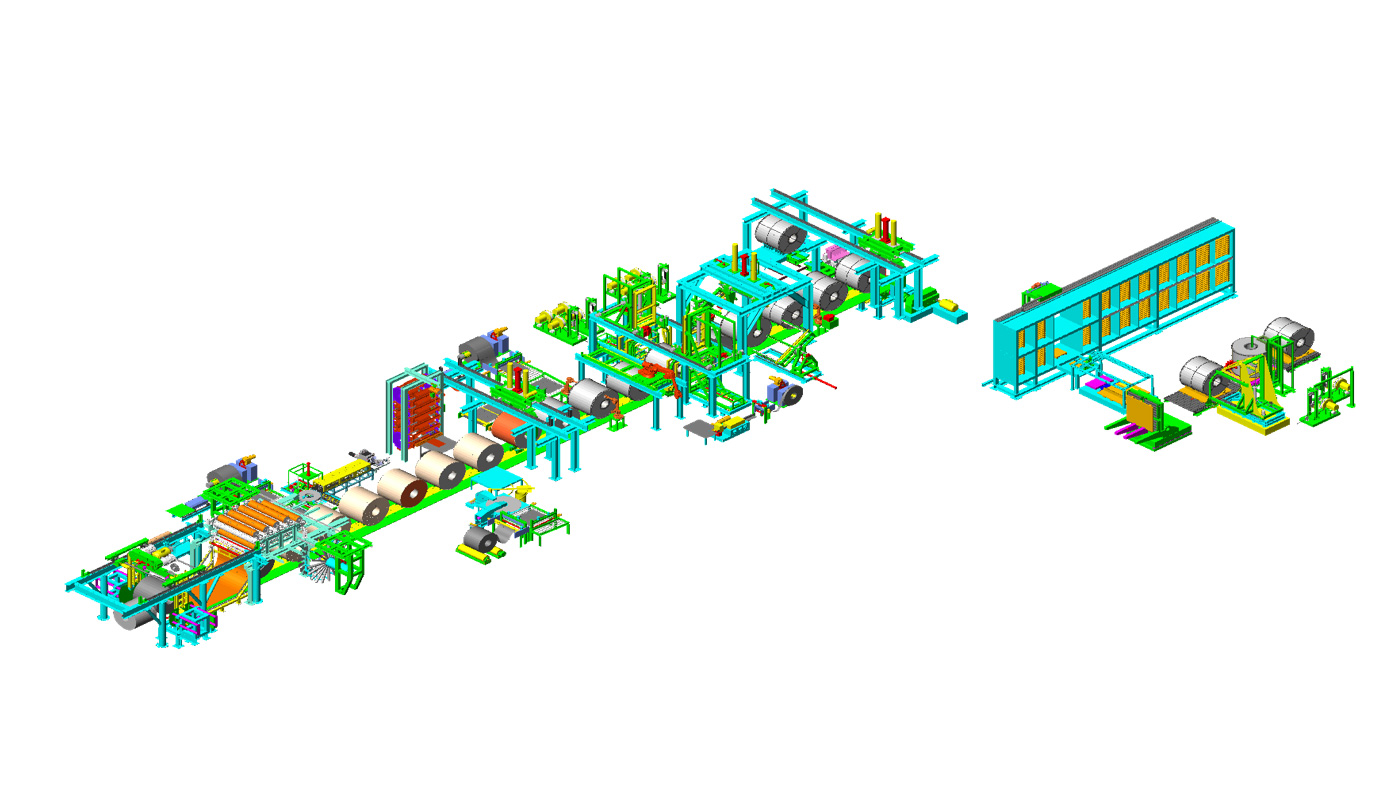
Let us think about the different needs in each UK region. This helps you narrow down your choices.
Tailoring Solutions for Midlands Factories
The Midlands is a hub for manufacturing. Factories there often have a long history. They might have older buildings. This means space can be tight. Machines need to fit into existing layouts. They need to be compact. But they also need to be powerful. Midlands factories often deal with a high volume of diverse products. This means machines need to be flexible. They need to handle different coil sizes. They need to be easy to change over. Suppliers need to understand these space and flexibility demands. They also need to provide good local support. Quick service is key.
Meeting the Demands of Northern Plants
Northern UK factories, especially in areas with strong industrial heritage, can be very focused on heavy-duty operations. They often process larger, heavier coils. The environment can be tougher. Machines need to be very robust. They need to withstand harsh conditions. Reliability is paramount. Downtime is not an option. Northern plants often have a clear focus on cost-effectiveness and durability. They need machines that last. They also need strong local engineering support. Quick access to spare parts is also important. The supplier must show the machine can handle continuous, heavy-duty work cycles.
Addressing Southern UK Factory Requirements
Factories in the South of the UK might face different pressures. Space can be very expensive. So, compact, efficient machines are even more important. Logistics can be complex. Access to ports might mean high throughput requirements for export. Southern plants might also be newer. They might be looking for more advanced automation. They want smart machines. They want data tracking. They want integration with their existing systems. Suppliers need to offer cutting-edge technology. They need to provide solutions that can grow with the factory. They also need to offer excellent technical support.
| Region | Typical Plant Characteristics | Key Machine Requirements | Supplier Focus |
|---|---|---|---|
| Midlands | Older buildings, tight space, diverse products. | Compact, flexible, quick changeover. | Local support, adaptable models, efficient footprint. |
| North | Heavy-duty, large coils, harsh environment. | Robust, durable, high reliability. | Strong engineering, quick parts access, proven resilience. |
| South | Expensive space, high throughput, new tech. | Compact, advanced automation, smart features. | Cutting-edge tech, seamless integration, strong tech support. |
No matter where your plant is located in the UK, a good supplier will listen to your specific setup. They will ask about your space, your products, and your production goals. They will then offer a solution that truly fits. This personalized approach is what makes a supplier a valuable partner. It is not about selling a machine. It is about solving your unique problems in your unique location.
Can Coil Strapping Automation Deliver a Strong ROI for Your UK Plant?
Any big investment needs to show a return. You want to know that buying an automatic coil strapping machine will save you money. You want to know it will make you more profitable. This is a smart way to think. Factory managers like Michael Chen always look at the numbers. They need clear proof. I know this from my own experience building a successful factory. Every major purchase had to make financial sense.
Investing in coil strapping automation in a UK plant can deliver a strong Return on Investment (ROI) by significantly cutting labor costs, reducing product damage and waste, and boosting overall production efficiency. These savings and gains often outweigh the initial investment in a surprisingly short time.

Let us break down how this investment pays off. We will look at specific areas where you save money or gain value.
Reducing Labor Costs
This is often the biggest saving. Manual strapping needs many workers. These workers have wages. They have benefits. They have insurance costs. An automatic machine can do the work of several people. You can reassign these workers to other tasks. You can use them in areas where human skill is truly needed. Over time, the cost savings from fewer workers can be huge. This is especially true in the UK, where labor costs can be high. This directly impacts your operating expenses. It makes your factory more lean and efficient.
Minimizing Product Loss and Rework
We talked about product damage earlier. Each damaged coil means lost material. It means time spent on rework. It means lost customer trust. An automated machine handles coils with care. It applies consistent strapping tension. This greatly reduces damage during packing and transport. Fewer damaged products mean less waste. It means fewer customer complaints. It means less time spent on fixing problems. All of these add up to significant savings. It makes your products more reliable. It makes your customers happier. This can improve your brand reputation too.
Increasing Throughput and Delivery Speed
Time is money. A faster packing line means you can produce and ship more. This increases your overall output. It means you can take on more orders. It means you can deliver faster to your customers. Faster delivery can give you an edge over your competitors. It also means less capital tied up in finished goods waiting to be shipped. This improves your cash flow. The ability to handle higher volumes without increasing your workforce is a clear path to growth. This makes your factory more scalable.
Quantifying the ROI: A Simple Look
To calculate ROI, you look at the total savings and gains versus the initial cost.
| Cost/Benefit Area | How Automation Helps | Typical Impact |
|---|---|---|
| Reduced Labor Costs | Fewer workers needed for strapping. | Significant annual savings (e.g., £50k-£100k+). |
| Lower Product Damage | Less waste, fewer customer returns. | Reduces material waste by 10-30%. |
| Increased Throughput | Faster packing, more output, quicker deliveries. | Boosts production capacity by 20-50%. |
| Improved Safety | Fewer injuries, lower insurance premiums. | Reduces injury-related costs by 50-80%. |
| Maintenance & Energy | (Offset by machine operation costs) | Variable, depends on machine efficiency. |
You can calculate your payback period. This is how long it takes for the savings to cover the machine’s cost. Many factories find that an automated strapping machine pays for itself in just 1-3 years. After that, all the savings are pure profit. This is why it is not just an expense. It is a strategic investment in your factory’s future. It is a decision that helps your business grow and thrive.
My Insights: Beyond the Machine – Your Partner in UK Coil Packing Success.
My journey in the packing machine industry has been long. I started on the factory floor. I saw the struggles. Then I built my own factory. I faced all the problems you face: production bottlenecks, safety worries, cost pressures. I know what it takes to succeed. This experience taught me that success is not just about buying the right machine. It is about finding the right people to work with.
For UK factories, especially those in the Midlands, North, and South, finding a true partner is very important. Michael, you want someone who understands your challenges. You want someone who offers solutions, not just products. You want a supplier like FHOPEPACK, who brings deep expertise and a commitment to your success. We are not just about selling machines. We are about sharing knowledge. We are about helping you grow. This means looking at your entire operation. It means understanding your specific needs. It means offering ongoing support. It means being there for the long haul. That is the true value I want to bring to you.
Conclusion
Choosing a coil strapping machine for your UK plant is a big step. Focus on automation benefits, trustworthy suppliers, regional fit, and strong ROI. This investment will improve your safety, efficiency, and profits.








