
Coil strapping machine: Can it solve downtime issues in the hot climate of Saudi Arabia?
Are you a factory manager in Saudi Arabia, often battling relentless heat and unexpected production halts? Perhaps you feel the pressure of missed deadlines. You probably see how downtime impacts your bottom line. I know this feeling well. I have been there. It is frustrating when your machines stop because of extreme conditions. You are not alone in facing these issues.
Coil strapping machines can greatly reduce downtime, even in Saudi Arabia’s hot climate. They automate a key part of your production line. This automation handles the high temperatures. It also keeps your operations moving smoothly. This means fewer human errors and less strain on your team. It also means more consistent output. These machines are built tough. They work well even when it is very hot outside. They are a big part of solving your downtime problems.

You are looking for ways to improve your factory. You want to make things better. I understand that. This article will show you how modern coil strapping machines can make a real difference. We will look at how they solve problems. We will see how they help your business grow.
How does the hot Saudi climate affect my coil strapping operations?
Do you ever worry about your machines breaking down in the heat? Does the extreme Saudi Arabian summer make you nervous about production? Many factory managers in the region face this exact problem. High temperatures can cause big trouble for equipment. They can also make work harder for your team. This often leads to unexpected stops.
The hot Saudi climate puts immense stress on coil strapping operations. High temperatures can overheat motors, degrade lubricants, and expand metal parts. This causes machines to fail more often. It also makes manual labor much harder. Workers get tired faster. This increases mistakes and safety risks. Dust and sand, common in the region, also get into moving parts. This speeds up wear and tear. All these factors lead to frequent production halts.

The intense heat is a major challenge for any industrial setting. It affects both machines and people. I have seen this first-hand. When I started my factory, I learned quickly about the demands of the environment. Ignoring these factors is a costly mistake. You need to understand how heat impacts your strapping process. You also need to plan for it.
Heat’s Impact on Equipment Performance
High temperatures can ruin machinery. Metals expand. Lubricants lose their viscosity. Electronic parts get too hot. This causes a breakdown. Your strapping machines must work continuously. So, this problem is serious.
- Motor Overheating: Electric motors create their own heat. When the outside temperature is already very high, motors cannot cool down enough. This makes them overheat quickly. Overheating motors lose power. They also fail sooner. This means you need to replace them more often. This costs money and time.
- Lubricant Degradation: Machine parts need oil and grease to move smoothly. High heat breaks down these lubricants faster. When the lubricant degrades, it stops protecting the parts. This causes friction. It also causes wear. Parts rub together more. They wear out faster. This leads to early machine failures.
- Material Expansion: Metal components expand when they get hot. This can change the precise fit of machine parts. Gears might not mesh correctly. Bearings might seize up. This leads to mechanical stress. It causes parts to deform. This makes your machine less accurate. It also makes it more prone to breaking.
- Dust and Sand Intrusion: The desert climate brings a lot of dust and sand. These small particles get everywhere. They can get into machine bearings. They can get into control panels. They act like sandpaper. They wear down parts quickly. They can also clog filters. This reduces cooling efficiency. This makes the heat problem even worse.
Human Factor Challenges in Heat
People also struggle in extreme heat. Manual strapping is hard work. Doing it in the Saudi sun makes it dangerous.
- Reduced Efficiency: Heat makes people tired. Workers become less alert. Their movements slow down. They take more breaks. This reduces overall output. Your production line cannot run at full speed. This creates bottlenecks.
- Increased Safety Risks: Tired workers are more likely to make mistakes. They might drop heavy coils. They might misplace straps. This leads to accidents. It causes injuries. Injuries mean higher insurance costs. They also mean workers are absent. This disrupts your operations even more.
- Staff Turnover: Working in extreme heat is unpleasant. It is also risky. Employees might leave for jobs with better conditions. High staff turnover means constant training for new people. It costs money to hire. It also takes time. This impacts your team’s skill level. It also affects their productivity.
| Impact Area | Specific Challenge | Consequence |
|---|---|---|
| Equipment | Motor overheating | Frequent breakdowns, costly repairs |
| Lubricant breakdown | Increased friction, accelerated wear | |
| Material expansion | Misalignment, mechanical stress | |
| Dust/sand intrusion | Clogged filters, abrasive wear | |
| Human Labor | Reduced efficiency due to heat | Slower production, missed targets |
| Higher safety risks (fatigue) | Accidents, injuries, higher insurance | |
| Increased staff turnover | Recruitment costs, skill gaps, low morale |
By understanding these impacts, you can see why manual processes and poorly designed machines fail. You need equipment built for these tough conditions. It must protect your workers too.
Can a new coil strapping machine really stop all my production downtime?
Do you doubt if a new machine can truly fix your downtime problems? Have you bought equipment before that promised a lot but delivered little? Many managers feel this way. It is hard to trust new technology when you have been let down. You need solutions that work, not just promises.
A new coil strapping machine cannot stop all downtime, but it can eliminate a major source of it. Manual strapping is slow and risky. It often causes stoppages. An automated machine works continuously. It does not get tired. It does not make human errors. This greatly reduces delays. It also prevents the need for frequent breaks. This boosts your overall production reliability. It removes bottlenecks at the end of your line.
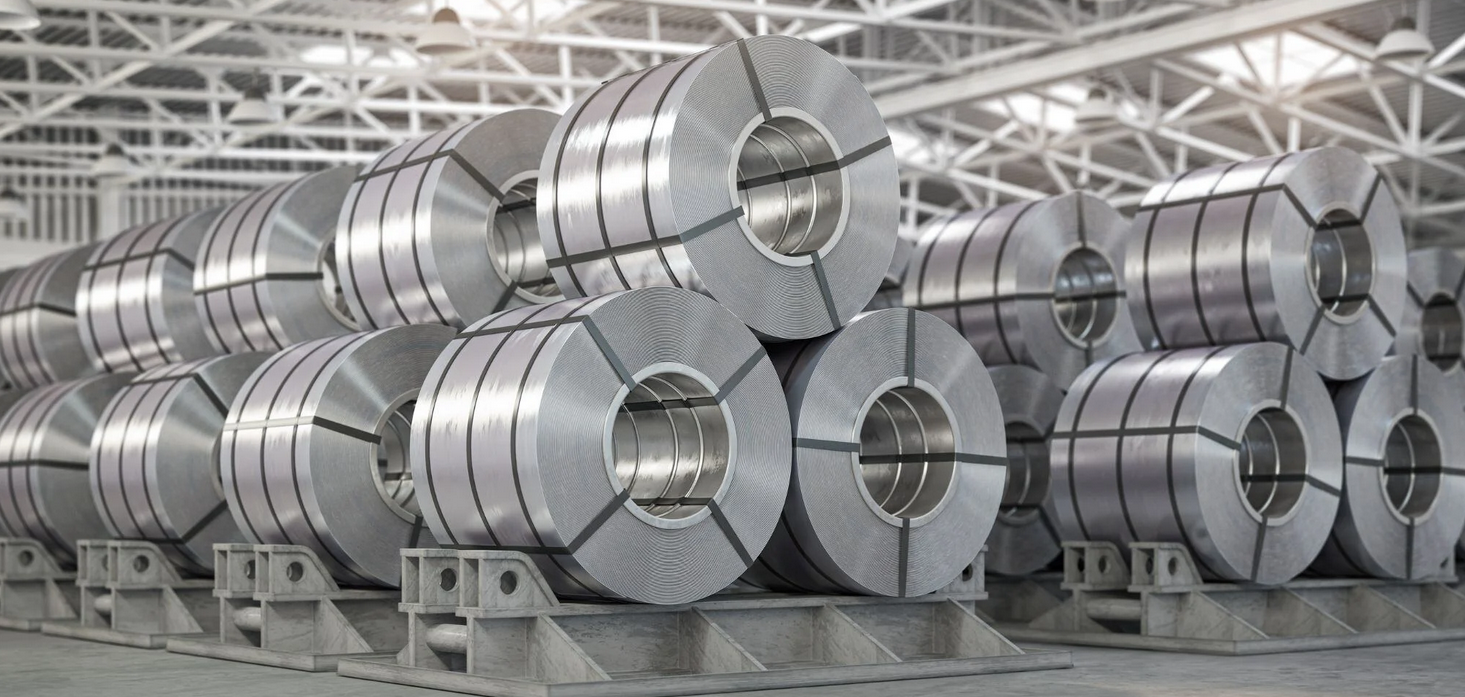
When I first started my factory, I saw how much time we lost. Manual processes were slow. They were also prone to mistakes. I learned that true efficiency comes from smart automation. This automation must be reliable. It must reduce the human element where it creates risks or delays.
Automating for Continuous Operation
Manual strapping is a bottleneck. It limits your speed. It also creates many chances for errors. An automated machine changes this.
- Consistent Speed: Machines work at a steady pace. They do not slow down due to fatigue. They do not need rest breaks. This means your production line can keep moving. This helps you meet high output goals. It also makes your delivery times more predictable.
- Reduced Human Error: Humans make mistakes. They drop things. They forget steps. They get tired. Automated machines follow programmed instructions exactly. They make fewer errors. This means less rework. It means less product damage. This saves you money. It also improves your product quality.
- Faster Changeovers: Modern strapping machines are flexible. They can adjust to different coil sizes quickly. This means less time spent setting up. This reduces downtime between different product batches. You can process more types of coils. You can do it faster. This increases your factory’s versatility.
Reliability Through Design
You need machines that can handle the heat. They must work without breaking down often. This needs specific design choices.
- Robust Construction: The best machines are built with strong materials. They have heavy-duty frames. They use industrial-grade components. This helps them withstand constant operation. It also helps them endure harsh environments like hot factories. They are made to last.
- Advanced Cooling Systems: For hot climates, good cooling is essential. High-quality machines have effective cooling for motors and electronics. They might use forced air or special heat sinks. This keeps critical parts at safe temperatures. This prevents overheating. It extends the machine’s life.
- Dust and Sand Protection: Machines in dusty areas need special seals. They need filtered ventilation. This prevents fine particles from getting into delicate parts. This keeps bearings clean. It protects electrical connections. This maintains performance. It reduces maintenance needs.
| Downtime Factor | Manual Strapping Solution | Automated Machine Solution |
|---|---|---|
| Speed Limitation | Varies greatly, dependent on worker | Consistent, high-speed operation |
| Human Error | Frequent mistakes, rework needed | Very low error rate, precise strapping |
| Worker Fatigue | Requires breaks, reduces output | Continuous operation, no fatigue |
| Equipment Stress | High wear on manual tools, short life | Built for endurance, longer lifespan |
| Climate Impact | Workers struggle, increased risk | Designed with cooling for hot areas |
| Product Damage | Higher risk of dents or scratches | Gentle handling, consistent strapping |
Investing in the right coil strapping machine is a step towards constant operation. It is a step away from frustrating stops. It puts your factory in a stronger position.
What makes a coil strapping machine reliable enough for demanding environments?
Are you tired of equipment that cannot handle your factory’s tough conditions? Do you constantly deal with machine failures? You need machines that just work. You need them to work reliably, day after day. This is especially true in environments like a metal processing plant.
A coil strapping machine is reliable enough for demanding environments when it has specific design features. It needs heavy-duty construction. It needs advanced cooling systems. It must also have dust and moisture protection. High-quality components are vital. These machines also benefit from easy maintenance access. This makes them robust. They can handle continuous use. They also manage high temperatures. This ensures your production line stays active. It prevents frequent breakdowns.
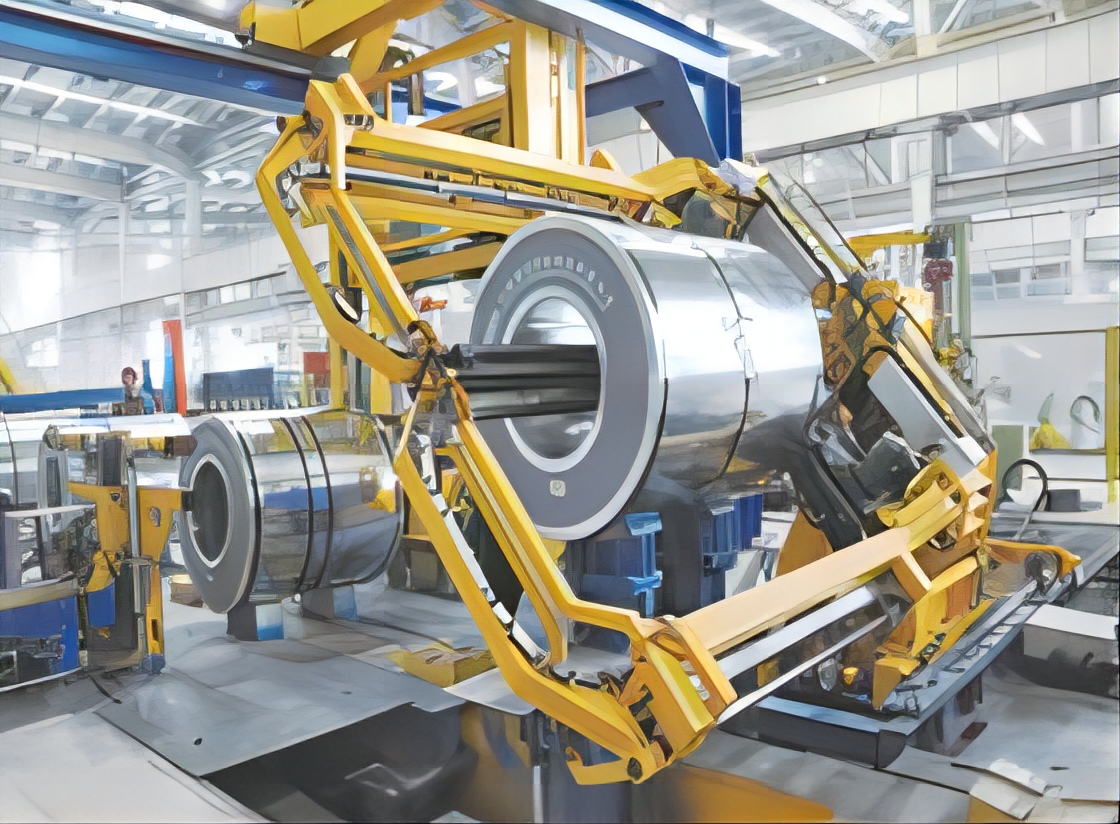
My journey in the packing machine industry taught me a lot. I saw many machines fail. I saw many succeed. The difference was often in their build quality. It was in their attention to detail. I learned that cutting corners on quality always costs more in the long run.
Core Design Principles for Durability
Reliability starts with how a machine is built. It starts with the materials. It starts with the engineering.
- Robust Frame and Structure: The machine’s backbone must be strong. It needs a heavy steel frame. This frame must resist vibration. It must also resist impact. It provides stability during high-speed operations. This prevents parts from bending or shifting. This ensures long-term accuracy. It also prevents structural failures.
- High-Quality Components: Every part counts. This includes motors, sensors, and control systems. They should be industrial grade. They should come from reputable manufacturers. Cheap parts fail quickly. They cause downtime. Investing in quality components pays off. It means less maintenance. It means more uptime.
- Effective Sealing and Enclosures: Dust, sand, and moisture are enemies of electronics. They are enemies of moving parts. Good machines have sealed enclosures for sensitive components. They use filters on air intakes. This protects internal systems. It extends their life. It maintains performance in harsh conditions.
- Heat Management Systems: In hot climates, active cooling is necessary. This means robust fans. It means good ventilation. It might include air conditioners for control cabinets. This keeps critical parts from overheating. It allows them to run at optimal temperatures. This prevents thermal stress. It reduces the chance of breakdowns.
Maintenance and Serviceability
Even the best machines need maintenance. How easy that maintenance is matters. It affects your uptime.
- Easy Access for Maintenance: Parts that need regular checks should be easy to reach. This means simple panels. It means clear access points. Technicians can perform tasks quickly. They do not waste time taking the machine apart. This reduces maintenance time. It gets your machine back running faster.
- Modular Design: Machines built with modular parts are easier to fix. If one module fails, you can replace it quickly. You do not need to replace the whole system. This reduces repair time. It also lowers replacement costs. It simplifies troubleshooting.
- Diagnostic Tools: Modern machines have built-in diagnostic systems. They tell you when something is wrong. They can often tell you what the problem is. This helps your team fix issues fast. It minimizes guesswork. It reduces downtime because you know exactly what to do.
- Supplier Support: A reliable machine comes from a reliable company. The supplier should offer good after-sales service. They should have spare parts ready. They should offer technical support. This partnership is crucial. It ensures you get help when you need it. It keeps your machine working.
| Reliability Factor | Description | Benefit for Demanding Environments |
|---|---|---|
| Construction | Heavy-duty frame, industrial-grade materials | Withstands vibration, impact, and continuous use |
| Components | High-quality motors, sensors, electronics | Fewer failures, longer operational life |
| Protection | Sealed enclosures, filters | Prevents dust, sand, moisture damage |
| Heat Management | Advanced cooling for motors and controls | Prevents overheating, maintains performance |
| Serviceability | Easy access, modular design | Faster maintenance, quicker repairs |
| Diagnostics | Built-in error reporting | Efficient troubleshooting, reduced downtime |
| Supplier Support | After-sales service, parts availability | Ensures quick help and operational continuity |
Choosing a machine that embodies these principles is key. It ensures your investment truly delivers reliability. It keeps your factory productive.
How can automation help me reduce costs and improve safety in strapping?
Are you constantly looking for ways to cut costs and make your factory safer? Manual processes often seem cheap. But they come with hidden expenses. They also come with big risks. You need solutions that protect your workers. You also need solutions that save you money in the long run.
Automation, specifically with a coil strapping machine, significantly reduces costs and improves safety. It cuts labor expenses by reducing the need for manual handling. It also minimizes product damage. This saves you money on returns and rework. For safety, automation removes workers from dangerous tasks. It prevents injuries from heavy lifting. It reduces repetitive strain. This lowers insurance costs. It also creates a safer, more productive workplace for everyone.

I know the pressures factory managers face. You need to improve your bottom line. You also need to keep your people safe. When I started my factory, I saw that these two goals are often connected. Smart investments in automation solve both problems at once.
Cost Reduction Through Automation
Automation is an investment. But it delivers big returns. It helps you save money in many ways.
- Reduced Labor Costs: Manual strapping needs many workers. An automated machine often needs only one person to supervise. This greatly reduces your payroll. Over time, these savings are huge. You can reassign workers to other important tasks. This makes your team more efficient overall.
- Minimized Product Damage: When people handle heavy coils, mistakes happen. Coils can get dropped. Edges can get bent. This leads to damaged goods. It causes customer complaints. It results in financial losses. Automated strapping handles coils gently. It applies straps consistently. This reduces product damage. It improves your product quality. This makes your customers happier.
- Lower Insurance Premiums: Fewer workplace accidents mean lower insurance costs. Injuries are expensive. They lead to medical bills. They lead to compensation claims. A safer workplace reduces these financial burdens. This directly impacts your operating budget. It makes your business more profitable.
- Increased Throughput and Revenue: A faster, more reliable strapping process means you can produce more. You can also ship more. This directly increases your sales. It allows you to take on bigger orders. It boosts your factory’s overall revenue. The machine pays for itself faster.
Enhanced Safety in the Workplace
Safety is not just about rules. It is about protecting people. Automation is one of the best ways to do this.
- Elimination of Manual Handling Risks: Moving heavy coils by hand is very dangerous. Workers can get crushed. They can strain their backs. Automated systems use conveyors and robotic arms. These handle the heavy lifting. This removes workers from harm’s way. It prevents serious injuries.
- Reduced Repetitive Strain Injuries (RSIs): Manual strapping involves repetitive movements. This can cause long-term injuries to wrists, arms, and shoulders. Automation takes over these repetitive tasks. This protects your workers’ health. It reduces the chance of these common industrial injuries.
- Controlled Environment: An automated strapping machine operates in a controlled area. This limits human interaction with moving parts. It reduces the risk of accidental contact. It creates a safer zone for operation. Workers are always at a safe distance.
- Consistent Safety Protocols: Machines follow exact safety protocols every time. They have sensors. They have emergency stops. They have safety interlocks. These features prevent accidents. They ensure that safety steps are never skipped. This makes your workplace much safer than relying on human vigilance alone.
| Benefit Area | Manual Process Disadvantage | Automated Solution Advantage |
|---|---|---|
| Cost: Labor | High wage expenses, overtime | Reduced labor needs, reallocation of staff |
| Cost: Damage | Frequent product damage, rework | Minimal damage, consistent quality |
| Cost: Insurance | Higher premiums due to injuries | Lower premiums, fewer claims |
| Revenue | Limited output, missed opportunities | Increased throughput, higher sales |
| Safety: Handling | High risk of crushing, back injuries | No manual lifting, removes workers from danger |
| Safety: RSI | Repetitive strain injuries common | Eliminates repetitive movements, protects health |
| Safety: Environment | Uncontrolled, human error risks | Controlled, automated safety features |
Choosing automation is a strategic move. It makes your factory more profitable. It also makes it a safer place for your valuable employees.
My Unique Insights?
Do you wonder what truly sets one strapping solution apart from another? Many suppliers simply sell machines. They do not understand your real problems. I have been in your shoes. I built a factory from the ground up. I know the challenges of operations. I know what it takes to make a business grow.
My unique insight comes from my own journey. I started as a factory employee. Then I built my own successful packing machine factory. This hands-on experience taught me more than any textbook. I understand the daily struggles of a factory manager. I know the pain of downtime. I know the pressure of costs. I know the importance of safety. My approach is not just about selling a machine. It is about sharing knowledge. It is about finding a true partner to solve your problems. It is about helping your business thrive.
My mission with FHOPEPACK is to share what I have learned. I believe knowledge should be free. It should help others succeed. My goal is to make complex packing machine knowledge easy to understand. I want to help you make smart decisions. I want to help you avoid the mistakes I saw others make.
The Value of Real-World Experience
Books and theories are good. But real-world experience is priceless. I lived through the challenges you face. I built solutions.
- Understanding Operational Bottlenecks: I have personally experienced production bottlenecks. I know how they impact the whole line. I know how they hit your profits. My advice comes from solving these issues in my own factory. I can see the hidden inefficiencies that others miss. I can help you fix them.
- Grasping Financial Realities: I understand the need for clear ROI. Every investment must make sense financially. I know how to calculate the true cost of downtime. I know how to show the real savings from automation. My goal is to help you get a clear return on your investment. I want you to see the growth.
- Prioritizing Safety and Employee Welfare: Safety was always a top concern for me. I saw how injuries affected morale. I saw how they affected productivity. My solutions focus on removing danger. They focus on protecting your team. This makes your workplace better. It also makes your business stronger.
- Building Long-Term Partnerships: Many suppliers disappear after the sale. I believe in partnership. I want to work with you for the long term. I want to understand your evolving needs. My team offers ongoing support. We offer expertise. We are here to help you grow your business.
Beyond the Machine: A Holistic Approach
A strapping machine is just one piece of your puzzle. My approach looks at the whole picture.
- Process Optimization: It is not just about the machine. It is about how the machine fits into your whole process. I can help you look at your entire production flow. We can identify other areas for improvement. This ensures the strapping machine truly enhances your overall efficiency.
- Customized Solutions: Every factory is different. Your needs are unique. I do not offer one-size-fits-all solutions. I work with you to find the best fit. This might mean custom machine configurations. It might mean integrating with your existing systems. The goal is a perfect solution for you.
- Training and Empowerment: I believe in empowering your team. We provide training. This helps your staff operate new equipment safely. It helps them perform basic maintenance. This reduces your reliance on outside technicians. It builds internal expertise. This makes your factory more self-sufficient.
- Commitment to Innovation: The industry changes fast. New technologies emerge. I stay updated on the latest advancements. I continuously seek better ways to solve problems. This commitment ensures you always get the most effective and modern solutions available.
| My Unique Insight | How It Benefits You |
|---|---|
| Real-World Experience | I understand your daily factory challenges. |
| Financial Acumen | I help you see clear ROI and true cost savings. |
| Safety Focus | Solutions prioritize worker safety and well-being. |
| Partnership Mindset | I aim for long-term support, not just a sale. |
| Process Optimization | I help integrate machines for overall factory efficiency. |
| Customized Solutions | I tailor solutions to your specific operational needs. |
| Team Empowerment | I provide training to build your team’s skills. |
| Innovation | I bring the latest and best solutions to you. |
My approach is built on trust. It is built on shared success. I want to help you achieve the same financial independence and business growth that I found through this industry.
Conclusion
Investing in a coil strapping machine solves downtime. It improves safety. It cuts costs. It makes your factory more efficient.








