
Coil Strapping Machine — PET or Steel Strap: Which Lowers Your TCO in Canada?
As a factory manager, you likely face constant pressure. You need to boost output, control costs, and keep your workers safe. When it comes to coil strapping, choosing the right material and machine feels like a big decision. A wrong choice can lead to wasted money, slow production, and even injuries. But do not worry. I am here to help you understand this important choice.
The decision between PET and steel strapping for your coil packaging in Canada often comes down to Total Cost of Ownership (TCO). While steel strap offers extreme strength, PET strap typically provides a lower TCO for many operations. This is due to its lower material cost, reduced risk of product damage, and enhanced safety for workers. However, the best choice depends on your specific product needs and production environment.
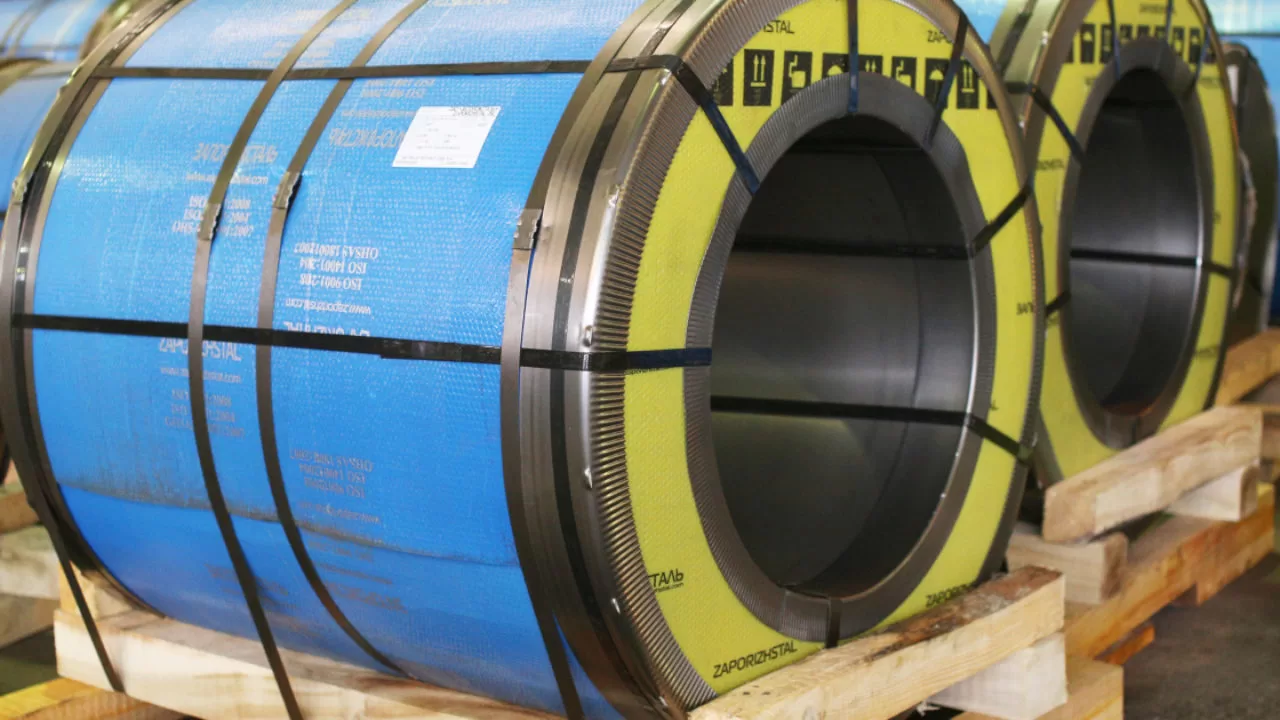
Understanding your TCO means looking beyond the initial price tag. It includes all costs over the life of your equipment and materials. This article will break down what to consider for your Canadian operations. We will look at upfront costs, daily running costs, and hidden expenses. This will help you make a smart decision.
What is the Initial Cost of PET vs. Steel Coil Strapping Machines?
Many factory managers only look at the first price they see. This is a common mistake. You might think buying the cheapest option saves money. But this is not always true. A low upfront cost can hide much higher costs later on. It is important to know all parts of the initial investment.
The initial cost for a steel coil strapping machine is often higher than a PET coil strapping machine. This is because steel machines need to be more robust to handle the greater tension and weight of steel strap. The material cost for steel strap is also typically higher per linear foot than PET strap, adding to the immediate expenditure.

When you first buy a strapping system, several costs come into play. These are more than just the machine’s price. First, let us look at the machine itself. Steel strapping machines are built for very tough jobs. They need stronger parts to handle the high tension that steel strap applies. This often means they are heavier and use more complex engineering. Because of this, their purchase price can be higher. PET strapping machines can be simpler. They do not need to withstand the same extreme forces. This often makes their upfront cost lower. However, both types come in manual, semi-automatic, and fully automatic versions. The more automated a machine is, the higher its initial price will be. Automation can greatly reduce labor needs, which is a big deal in Canada where labor costs are significant.
Then there is the cost of the strapping material itself. Steel strap is known for its strength. It often costs more per foot than PET strap. This is true even when you buy in large amounts. PET strap offers good strength too. But its manufacturing process often makes it more affordable to produce. This lower material cost adds up over time. Think about how much strap your factory uses each day, week, or year. This ongoing material cost is a big part of your initial investment. You also need to think about installation. Some machines need special setup. You might need to hire skilled workers for this. Training your team to use the new machine is also a cost. This includes time away from production. When I started my own packing machine factory, I learned this lesson early. We once bought a machine that seemed cheap upfront. But the installation was complex. And the training needed more time than we thought. This raised our overall initial cost much higher than we planned. It taught me to always look at the full picture of starting costs, not just the sticker price.
| Cost Factor | Steel Strapping Machine | PET Strapping Machine |
|---|---|---|
| Machine Price | Often Higher (more robust build) | Often Lower (simpler design) |
| Material Price | Higher per linear foot | Lower per linear foot |
| Installation | Potentially more complex | Generally simpler |
| Training | Required for operation and safety | Required for operation and safety |
How Do Operating Costs Compare for PET and Steel Strapping in Canada?
Operational costs are the daily expenses that keep your factory running. They can quickly eat into your profits if you do not manage them well. Slow processes and high labor needs directly impact your bottom line. It is crucial to analyze these running costs carefully. This helps you find the most efficient solution for your factory.
PET strapping operations typically have lower labor costs because PET machines often allow for greater automation. This reduces the need for manual handling, which is a major advantage in Canada’s labor market. While energy use can be similar, steel machines often incur higher maintenance costs due to more wear and tear from handling the rigid steel strap.

Let us break down the daily running costs. First, consider labor. In Canada, labor costs are a significant factor for any factory manager. Manual steel strapping can be very labor-intensive. Workers need to handle heavy coils of strap. They must carefully position and secure the straps. This takes time and effort. PET strapping machines, especially automated ones, need less human interaction. They can apply straps faster. They also reduce the physical strain on your workers. This means you need fewer people to do the same job. Or your existing team can do more work. This leads to clear labor savings. I remember working with a client in Alberta. They were manually strapping large steel coils. Their labor costs for this one step were very high. We helped them switch to an automated PET system. They saw their labor costs drop by over 30% for that line. It was a huge win for them.
Next, think about energy use. Both types of machines need power to run. The motors and controls consume electricity. PET strapping machines often use heat to seal the strap. This adds to the energy use. But overall, the difference in energy consumption between the two types might not be the biggest factor. What really stands out is maintenance and spare parts. Steel strapping machines work with a very tough material. This causes more wear on machine parts. Think about the tensioners, cutters, and guides. They rub against hard steel all day. This means they often need more frequent replacement or repair. PET machines are gentler on their parts. This can lead to lower maintenance costs over time. Finding spare parts in Canada also matters. You want to ensure parts are available quickly. Any downtime costs you money. Finally, there are other consumables. This includes lubricants or minor parts. While small, they add to your operational budget. By looking at all these elements, you get a clearer picture of your long-term TCO.
| Cost Factor | Steel Strapping Operation | PET Strapping Operation |
|---|---|---|
| Labor Costs | Higher (more manual handling) | Lower (more automation possible) |
| Energy Usage | Similar, depends on machine type | Similar, with heating for seals |
| Maintenance | Higher (more wear on parts) | Lower (gentler on components) |
| Spare Parts | Potentially more frequent needs | Less frequent needs |
Are There Hidden Costs to Consider When Choosing Strapping Materials?
Obvious costs are easy to track. But hidden costs are the ones that truly destroy your profits. Things like product damage, worker injuries, and unexpected downtime can sneak up on you. They lead to huge financial losses and headaches. It is vital to look beyond the surface. You need to uncover these silent money drains.
Hidden costs for coil strapping include product damage from over-tensioning or abrasion, especially with steel strap. Worker injuries, often from manually handling heavy or sharp steel, also lead to high insurance claims and lost productivity. Additionally, frequent machine downtime due to breakdowns can significantly impact overall factory output.

Product damage is a major hidden cost. Steel strap is very rigid. It can scratch or dent the surface of your coils. This is especially true for delicate finishes or edges. If the strap is too tight, it can even deform the coil. Damaged products lead to customer complaints. They also mean rework or scrap. This directly reduces your profit. PET strap is much softer. It still provides strong tension. But it is less likely to damage the coil surface. This can save you money on returns and rework. I once visited a factory that shipped finished metal coils. They had a lot of customer complaints about surface scratches. After looking at their process, we found the steel strapping was the culprit. Switching to PET strap almost eliminated these complaints.
Worker safety is another critical hidden cost. Factory managers like Michael Chen know the pressure to keep workers safe. Manual handling of heavy steel coils or straps can lead to serious injuries. Workers can get cuts from sharp edges. They can suffer strains from lifting. In Canada, worker compensation board (WCB) claims are expensive. Lost workdays also reduce your productivity. High injury rates can also lead to higher insurance premiums. They can also cause high employee turnover. This adds to recruitment and training costs. PET strap is lighter and easier to handle. This greatly reduces the risk of injuries. It makes the workplace safer. This aligns perfectly with your goal to improve worker safety. Finally, consider downtime. If your strapping machine breaks down often, your whole production line stops. Every minute of downtime costs you money. This includes lost production and idle labor. Steel strapping machines, due to higher wear, might have more downtime. Reliable equipment helps you avoid these losses. Also, think about waste disposal. Steel scrap is heavy. It might have specific disposal rules. This can add to your waste management costs. PET scrap is often easier to recycle. All these factors contribute to your real TCO.
| Hidden Cost Factor | Impact of Steel Strapping | Impact of PET Strapping |
|---|---|---|
| Product Damage | Higher risk of scratches/dents | Lower risk of surface damage |
| Worker Safety | Higher risk of injuries (cuts, strains) | Lower risk (lighter, safer to handle) |
| Downtime | Potentially higher (more wear) | Potentially lower (less wear) |
| Waste Disposal | Heavier scrap, specific handling | Lighter, often easier to recycle |
How Does Durability Affect Your Long-Term TCO for Coil Strapping?
Durability might seem like a luxury item. But in a busy factory, it is a necessity. Buying cheap equipment might save money today. However, it often leads to massive losses tomorrow. Machines that break down often halt your production. This wastes time and money. It is vital to understand how robust equipment impacts your TCO over many years.
High durability in coil strapping equipment means your machines will last longer, require fewer repairs, and maintain consistent performance. This translates directly to a lower Total Cost of Ownership in the long run. Durable machines reduce the need for premature replacements and minimize costly production interruptions.

Machine lifespan is a key factor here. A well-built machine, whether for steel or PET, can last for many years. But the materials they process affect this lifespan. Steel strapping is extremely abrasive. This means steel strapping machines need very strong, wear-resistant parts. Even then, these parts will wear out faster than those in a PET machine. PET is a much softer material. It causes less wear on the machine’s internal components. This often means PET machines can operate longer without needing major repairs. I have seen factories struggle with machines that were not built to last. They were constantly repairing or replacing parts. This added up to a huge expense over time.
Think about repair versus replacement. Sometimes, a component breaks. You need to decide if you repair it or buy a new machine. For durable machines, repairs are often feasible and cost-effective. For less durable ones, constant repairs might signal that it is time for a new machine. This means another large capital outlay. The availability of spare parts in Canada is also critical. If parts are hard to get, your machine could be down for weeks. This directly impacts your TCO through lost production. A durable machine with readily available parts is invaluable. Resale value also plays a role. A machine that is still in good condition after many years will hold more value. If you upgrade later, you can sell your old machine for a better price. This offsets some of your new investment. My own journey building FHOPEPACK taught me that investing in quality pays off. When I built my first factory, I chose machines based on their long-term reliability. Some people thought it was too expensive. But those machines ran for years with minimal issues. They saved us a lot of money in the long run. They also helped us avoid costly downtime. This made our operations much smoother and more profitable. Durability is not just about avoiding breakdowns. It is about ensuring consistent, high-quality production for years to come.
| Durability Factor | Impact on TCO |
|---|---|
| Machine Lifespan | Longer lifespan = lower cost per year of use |
| Repair Frequency | Fewer repairs = lower maintenance costs |
| Part Availability | Quick access to parts = less downtime |
| Resale Value | Higher value for well-maintained, durable machines |
| Consistent Performance | Reduces product defects, maintains output |
What Are My Insights on Choosing the Right Strapping Solution?
Choosing the right strapping solution can feel overwhelming. You have many options. You fear making a wrong decision. Bad investments can truly hurt your business. Building trust with new suppliers is also hard. But with my experience, I can give you clear advice. This will help you make a smart choice for your factory.
My insight is that the “right” coil strapping solution depends on your specific product, required tension, production volume, and your goals for safety and automation. While steel strap offers extreme tension for the heaviest loads, PET often provides a lower TCO for a broader range of applications. This is especially true when considering long-term operational efficiency and worker safety.
The first step is to look closely at your product. What kind of coil are you strapping? Is it a hot-rolled steel coil or a more sensitive cold-rolled one? Does it have a special surface finish that can scratch easily? How much does it weigh? How much tension does it need to stay secure during transit? Steel strap is often the choice for the heaviest, most demanding loads. It offers very high break strength. But for many coils, PET strap offers more than enough tension. It also protects the product surface better. Consider your production volume too. If you are strapping hundreds of coils a day, automation is key. Automated PET strapping machines often integrate more smoothly into high-volume lines. They do this by reducing manual steps.
Your goals for safety are also critical. Michael Chen knows this well. Manual handling of heavy steel strap carries high risks for workers. PET strap is lighter and safer to manage. If worker safety is a top priority, PET strapping systems are usually the better choice. They reduce the chance of injuries. This leads to lower insurance costs and a happier workforce. Another important factor is the supplier you choose. You want a partner who understands your problems. You want someone who offers solutions, not just machines. My journey from a packing machine engineer to building FHOPEPACK taught me this. I have helped many clients grow their businesses by offering practical, real-world advice. I do not just sell equipment. I help you find the right fit for your unique needs. We analyze your production bottlenecks, your safety concerns, and your efficiency problems. We work with you to find a solution that offers a clear Return on Investment (ROI). This ensures your investment genuinely helps your business grow.
| Decision Factor | Consider for Steel Strapping | Consider for PET Strapping |
|---|---|---|
| Product Type | Extremely heavy, high tension, very rough surfaces | Broad range, sensitive surfaces, medium-heavy |
| Required Tension | Highest tension needs | High to very high tension needs |
| Production Volume | Can be automated, but manual often used for extreme loads | Highly suited for automation, high volume |
| Safety Goals | Higher manual handling risks | Significantly lower manual handling risks |
| Environmental Impact | Heavier, less recyclable | Lighter, often more recyclable |
| Budget & TCO | Higher initial & hidden costs, specific niches | Lower TCO in many applications |
Conclusion
Choosing between PET and steel strapping for your Canadian operation is complex. It means looking beyond just the upfront price. You must weigh initial costs, operational expenses, hidden risks, and long-term durability. Often, PET strapping provides a lower TCO. Partnering with an expert like FHOPEPACK ensures you pick the best solution.








